
If your dog is experiencing tremors, seizures, loss of coordination, or sudden behavioral changes, you might be dealing with a dog neurological disorder—and the causes can range from infections and toxins to genetic conditions and aging. Discovering that your beloved companion may have a neurological issue is frightening, but understanding what’s happening is the first step toward getting them the help they need.
Table of Contents
- Understanding Canine Neurological Disorders
- Common Causes of Dog Neurological Disorders
- Recognizing Neurological Symptoms in Dogs
- How Veterinarians Diagnose Neurological Disorders
- Common Medications for Managing Neurological Disorders
- Breed-Specific Neurological Predispositions
- Environmental and Lifestyle Factors
- When to Seek Emergency Care
- Long-Term Management and Prognosis
- Supporting Your Dog Through Neurological Challenges
- Frequently Asked Questions
- What To Do Now
- Summary
This article is for informational purposes only and is not a substitute for professional veterinary advice. Always consult a licensed veterinarian for diagnosis and treatment.
Understanding Canine Neurological Disorders
Neurological disorders in dogs affect the brain, spinal cord, and nervous system. These conditions can develop suddenly or progress gradually over weeks and months. Some are inherited, while others develop due to environmental factors, infections, or injuries.
The good news? Many neurological conditions are manageable when caught early. Understanding the root causes helps you recognize warning signs and seek timely veterinary care.
Common Causes of Dog Neurological Disorders
Dog neurological disorder causes are diverse and sometimes overlapping. Here are the most common culprits:
- Infections: Viral, bacterial, or fungal infections (like distemper or toxoplasmosis) can inflame the brain and spinal cord.
- Toxins: Exposure to chocolate, xylitol, pesticides, or heavy metals may damage nerve tissue.
- Trauma: Head injuries or spinal trauma can cause immediate or delayed neurological symptoms.
- Genetic predisposition: Certain breeds are prone to epilepsy, degenerative myelopathy, or other inherited conditions.
- Metabolic diseases: Liver disease, kidney disease, and diabetes can trigger neurological complications.
- Tumors: Brain or spinal cord tumors may compress nerves and disrupt normal function.
- Nutritional deficiencies: Lack of essential vitamins (especially B vitamins) can harm nerve health.
Recognizing Neurological Symptoms in Dogs
Neurological symptoms vary depending on which part of the nervous system is affected. You might notice your dog stumbling, circling, or tilting their head. Some dogs experience involuntary muscle twitches or tremors, especially when resting or excited.
Seizures are among the most alarming signs—your dog may collapse, paddle their legs, or lose consciousness. Other dogs show behavioral changes: confusion, aggression, or unusual anxiety. Catching these signs early puts you in a great position to help your dog recover.
How Veterinarians Diagnose Neurological Disorders
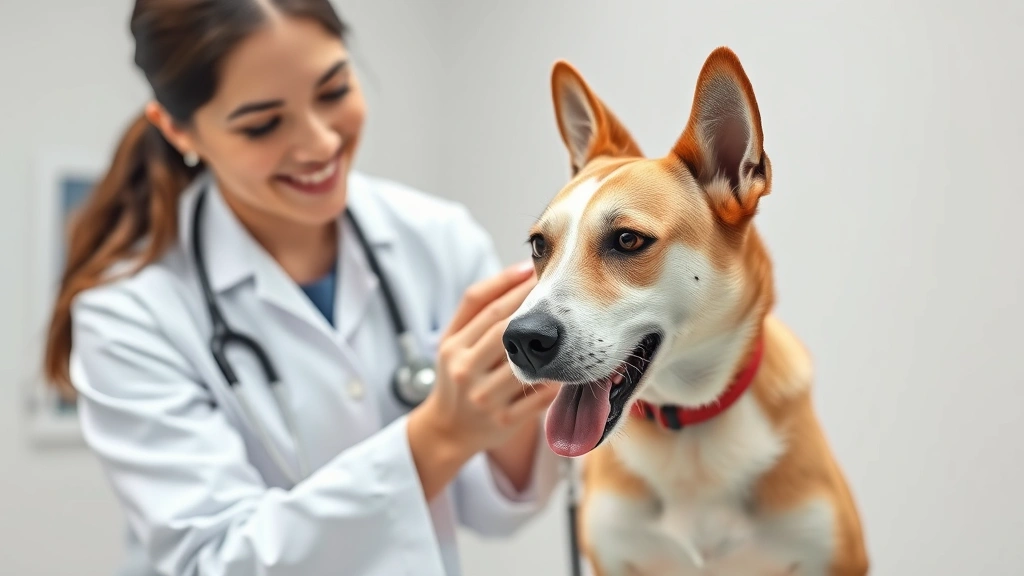
Your vet will start with a thorough physical and neurological exam. They’ll test your dog’s reflexes, coordination, and response to stimuli. Depending on the suspected cause, they may recommend blood work, urinalysis, or imaging studies like X-rays and MRI scans.
In some cases, cerebrospinal fluid (CSF) analysis helps identify infections or inflammatory conditions. These diagnostic steps take time, but they’re essential for pinpointing the exact cause and planning effective treatment.
Common Medications for Managing Neurological Disorders
While this article focuses on understanding causes rather than specific dosing, several medication categories are commonly used to manage neurological symptoms. Always work with your veterinarian to determine the right approach for your dog’s unique situation.
Anticonvulsants help prevent or reduce the frequency of seizures. Anti-inflammatory medications reduce swelling in the brain or spinal cord. Antibiotics or antivirals address infectious causes, while pain relievers manage discomfort associated with nerve damage.
Some dogs benefit from supplements like omega-3 fatty acids or B vitamins to support nerve health. Muscle relaxants may ease tremors or stiffness, and behavioral medications can help with anxiety or aggression linked to neurological changes.
Your vet will tailor treatment to your dog’s specific diagnosis, age, and overall health. This personalized approach gives your dog the best chance at improvement.
Breed-Specific Neurological Predispositions
Certain dog breeds carry genetic risk factors for neurological conditions. German Shepherds and Beagles are prone to degenerative myelopathy (DM), a progressive spinal cord disease. Belgian Malinois and Vizslas often develop epilepsy.
Cavalier King Charles Spaniels may experience syringomyelia, where fluid-filled cavities form in the spinal cord. If your dog’s breed has known neurological risks, discuss screening options with your vet. Early detection can slow progression and improve quality of life.
Environmental and Lifestyle Factors
Your dog’s environment plays a significant role in neurological health. Exposure to toxins—from pesticides in the yard to certain human foods—can trigger neurological symptoms. Traumatic injuries from falls, car accidents, or rough play also carry risk.
Stress and anxiety may worsen some neurological conditions. Providing a calm, safe environment with regular exercise (adapted to your dog’s abilities) supports overall nervous system health. Proper nutrition, including adequate B vitamins and antioxidants, helps protect nerve tissue.
When to Seek Emergency Care
Certain neurological symptoms warrant immediate veterinary attention. If your dog experiences a seizure lasting more than five minutes, repeated seizures in short succession, or loss of consciousness, head to an emergency vet right away.
Sudden paralysis, severe disorientation, or inability to stand also require urgent evaluation. Even if symptoms seem minor, don’t wait—early intervention often makes a dramatic difference. If you’re unsure whether your pet needs urgent care, a quick telehealth check-in can give you peace of mind and help you decide next steps.
Long-Term Management and Prognosis
The outlook for dogs with neurological disorders depends on the underlying cause. Some conditions, like toxin exposure or treatable infections, may resolve completely with proper treatment. Others, like degenerative myelopathy or inherited epilepsy, require lifelong management.
Many dogs live happy, fulfilling lives with neurological conditions when their owners stay committed to treatment and monitoring. Regular vet check-ups, consistent medication, and environmental modifications help maintain quality of life. Your veterinarian can discuss realistic expectations and adjust the treatment plan as needed.

Supporting Your Dog Through Neurological Challenges
Beyond medical treatment, your emotional support matters tremendously. Dogs with neurological conditions often benefit from physical therapy, modified exercise routines, and patience during recovery. Consider orthopedic bedding for comfort and non-slip flooring to prevent falls.
Keep a symptom diary to track changes and share with your vet. This information helps them assess whether current treatment is working or if adjustments are needed. Connect with other pet owners facing similar challenges—their experiences and advice can be invaluable.
Frequently Asked Questions
What is the most common neurological disorder in dogs?
Epilepsy (seizure disorder) is one of the most common neurological conditions in dogs, affecting roughly 0.5–5% of the canine population. However, causes vary widely from genetic predisposition to metabolic disease.
Can neurological disorders in dogs be cured?
Some neurological disorders—such as those caused by infections or toxin exposure—can be cured or significantly improved with proper treatment. Others, like degenerative conditions, are managed rather than cured, but quality of life can be maintained.
How much do neurological tests for dogs cost?
Costs vary widely depending on the tests needed. Blood work may cost $100–$300, while MRI imaging can range from $1,500–$3,000. Your vet can provide estimates and discuss which tests are most important for your dog’s situation.
Are certain dog breeds more prone to neurological disorders?
Yes, some breeds carry genetic predispositions. German Shepherds are prone to degenerative myelopathy, Cavalier King Charles Spaniels to syringomyelia, and several breeds to epilepsy. Talk to your vet if your dog’s breed has known risks.
Can stress cause neurological problems in dogs?
Stress alone doesn’t typically cause neurological disorders, but it can worsen existing conditions or trigger seizures in predisposed dogs. A calm environment and proper anxiety management support overall neurological health.
What To Do Now
- Schedule a veterinary appointment: If you’ve noticed any neurological symptoms—tremors, seizures, coordination problems, or behavioral changes—contact your vet promptly. Describe symptoms in detail and mention when they first appeared.
- Gather medical history: Compile information about your dog’s age, breed, vaccination history, and any previous illnesses or injuries. This helps your vet identify potential causes more quickly.
- Document symptoms: Keep a detailed log of when symptoms occur, how long they last, and what your dog was doing beforehand. This record is invaluable during diagnosis and treatment monitoring.
- Create a safe environment: Remove potential toxins from your home, use non-slip flooring, and provide comfortable bedding. Reduce stressors while you work toward a diagnosis.
- Discuss treatment options: Once your vet has identified or suspects a cause, ask about all available treatment options, expected outcomes, and long-term management strategies. Don’t hesitate to ask questions or seek a second opinion if needed.
Summary
Dog neurological disorder causes range from infections and toxins to genetic predisposition and aging. Recognizing symptoms early—tremors, seizures, loss of coordination, or behavioral changes—allows you to seek timely veterinary care. While diagnosis may involve multiple tests, understanding the underlying cause is crucial for effective treatment.
Many neurological conditions are manageable with proper medication, environmental support, and consistent monitoring. Your veterinarian is your best resource for developing a personalized treatment plan. By staying informed and proactive, you give your dog the best chance at maintaining quality of life despite neurological challenges.
Remember: you’re not alone in this journey. Veterinary teams, including telehealth options like The Pet Vet, are here to support you every step of the way. With patience, dedication, and professional guidance, many dogs with neurological disorders thrive for years to come.