
Spotting dog neurological disorder emergency signs early could mean the difference between a full recovery and lasting complications for your beloved companion. If you’ve noticed your dog stumbling, having seizures, or acting confused, your heart is probably racing right now—and that’s completely understandable.
Table of Contents
- What Are Neurological Emergencies in Dogs?
- Sudden Loss of Balance and Coordination
- Seizures: A Critical Emergency Sign
- Behavioral Changes and Confusion
- Vision Problems and Eye-Related Signs
- Paralysis or Weakness in Limbs
- Pain and Sensitivity to Touch
- Loss of Bladder or Bowel Control
- Tremors and Abnormal Movements
- What To Do Now: Immediate Action Steps
- Common Causes of Neurological Emergencies
- When to Go to an Emergency Vet vs. Regular Vet
- Recovery and Next Steps After Emergency Care
- Frequently Asked Questions
- Key Takeaways
This article is for informational purposes only and is not a substitute for professional veterinary advice. Always consult a licensed veterinarian for diagnosis and treatment.
Neurological emergencies in dogs can be frightening because they often come on suddenly and leave pet owners unsure of what’s happening. The good news? Knowing what to look for puts you in the best position to act fast and get your dog the care they need.
What Are Neurological Emergencies in Dogs?
A neurological emergency occurs when your dog’s nervous system—brain, spinal cord, or nerves—suddenly malfunctions. This can happen due to injury, infection, toxins, or underlying disease. Unlike a simple limp or upset stomach, neurological issues demand immediate attention because they can worsen rapidly.
The nervous system controls everything your dog does: walking, thinking, sensing the world, and even breathing. When it’s compromised, your dog’s safety is at serious risk. Understanding the warning signs helps you recognize when a trip to the vet can’t wait.
Sudden Loss of Balance and Coordination
One of the most obvious dog neurological disorder emergency signs is sudden loss of balance or coordination. Your dog might stumble when walking, fall over unexpectedly, or seem unable to control their back legs. This symptom often appears without warning and can be terrifying to witness.
Catching this early puts you in a great position to help your dog recover. Conditions like vestibular disease, spinal cord injury, or toxin exposure can all cause these symptoms. The sooner your vet evaluates your dog, the sooner treatment can begin.
Watch for:
- Head tilting to one side
- Walking in circles
- Difficulty standing or rising from a resting position
- Leaning heavily to one side
Seizures: A Critical Emergency Sign
Seizures are unmistakable and terrifying to watch. Your dog may collapse, paddle their legs, lose consciousness, or drool excessively. Seizures can last from a few seconds to several minutes, and your dog may be confused or disoriented afterward.
Any seizure activity requires immediate veterinary evaluation. Even if the seizure stops on its own, your dog needs professional assessment. Multiple seizures in a short period (called status epilepticus) is especially dangerous and constitutes a true emergency.
During a seizure, keep your dog safe by:
- Moving away sharp furniture or objects
- Staying calm and speaking softly
- Never putting your fingers in your dog’s mouth
- Timing how long the seizure lasts
- Heading to an emergency vet immediately after
Behavioral Changes and Confusion
Sudden behavioral shifts can signal serious neurological trouble. Your normally friendly dog might become aggressive, withdrawn, or unresponsive. You might notice your dog staring blankly, not recognizing you, or seeming unable to understand simple commands.
Confusion and disorientation are red flags that warrant urgent attention. These changes suggest your dog’s brain function may be affected by infection, inflammation, or injury. The sooner your vet rules out serious conditions, the sooner your dog can get appropriate treatment.
Be alert for:
- Extreme lethargy or inability to wake
- Pacing or restlessness without clear cause
- Aggression toward family members
- Appearing lost in familiar spaces
- Lack of response to their name or commands
Vision Problems and Eye-Related Signs
Dogs experiencing neurological emergencies often show sudden vision changes. Your dog might bump into furniture, hesitate before walking, or have difficulty tracking movement. You might also notice their eyes moving involuntarily (nystagmus) or appearing unfocused.
Vision loss combined with other symptoms suggests a serious neurological issue that needs immediate evaluation. The brain controls sight, so sudden visual problems often point to central nervous system involvement. Your vet can perform specific tests to pinpoint the problem.
Watch for:

- Reluctance to move in dim light
- Running into objects or walls
- Dilated pupils that don’t respond to light
- Eyes that appear to drift or move uncontrollably
Paralysis or Weakness in Limbs
Partial or complete paralysis is a critical dog neurological disorder emergency sign that demands immediate veterinary care. Your dog might drag their hind legs, be unable to stand, or have weakness in one or more limbs. This symptom can develop suddenly or over a few hours.
Spinal cord injury, nerve damage, or severe inflammation can cause paralysis. Time is critical because some conditions respond better to treatment when addressed within the first few hours. Your vet may recommend imaging and specialized care to prevent permanent damage.
Seek emergency care if your dog shows:
- Inability to use back legs
- Dragging paws while walking
- Weakness that worsens over minutes or hours
- Loss of function in front or rear limbs
Pain and Sensitivity to Touch
Neurological emergencies often cause unusual pain responses. Your dog might cry out when touched, show extreme sensitivity along their spine, or seem to be in discomfort without an obvious injury. Some dogs become defensive or snap when you touch certain areas.
This type of pain suggests inflammation or injury to the nervous system itself. Your dog’s reaction is telling you something is seriously wrong, and professional evaluation can’t wait. Early intervention often leads to better outcomes and faster pain relief.
Notice if your dog:
- Yelps when you touch their back or neck
- Refuses to move or seems frozen in position
- Becomes aggressive when handled
- Arches their back or holds their body stiffly
Loss of Bladder or Bowel Control
Sudden loss of bladder or bowel control can indicate spinal cord damage or severe neurological dysfunction. Your dog might have accidents indoors despite being housetrained, or seem unable to control elimination. This symptom often accompanies paralysis or weakness.
Loss of control over these basic functions is a serious warning sign. It suggests the nervous system’s ability to regulate these functions is compromised. Veterinary evaluation is urgent because some conditions can be reversed if treated quickly enough.
Tremors and Abnormal Movements
Uncontrolled shaking, tremors, or involuntary movements are concerning dog neurological disorder emergency signs. Your dog might have rhythmic muscle twitching, jerking movements, or seem unable to control their body. These movements differ from normal shivering or excitement.
Tremors can indicate toxin exposure, low blood sugar, electrolyte imbalances, or neurological disease. The pattern and location of tremors help your vet determine the cause. Getting your dog evaluated quickly helps rule out life-threatening conditions.
Document any unusual movements:
- When they started
- How long they last
- Which body parts are affected
- Whether they’re constant or come and go
What To Do Now: Immediate Action Steps
If you suspect your dog is experiencing neurological emergency signs, time matters. Here’s exactly what to do:
- Call your veterinarian or emergency vet clinic immediately. Describe the symptoms and mention that you suspect a neurological issue. They’ll advise whether your dog needs to come in right away or if a telehealth consultation might help you determine urgency.
- Keep your dog safe and calm while waiting. Minimize movement, keep them in a quiet space, and avoid handling unless necessary. Stress can worsen some neurological symptoms, so a calm environment helps.
- Gather information about when symptoms started. Note the exact time, what your dog was doing, any recent injuries, potential toxin exposure, or behavioral changes. This information helps your vet narrow down possible causes.
- If unsure about urgency, use telehealth for guidance. If you are unsure whether your pet needs urgent care, a quick telehealth check-in can give you peace of mind — no appointment needed. A vet can often assess your dog’s condition via video and advise whether emergency care is necessary.
- Have your dog’s medical history ready. Include vaccination records, current medications, recent illnesses, or pre-existing conditions. This context helps your vet make faster, more informed decisions.
Common Causes of Neurological Emergencies
Understanding potential causes helps you provide better information to your vet. According to the American Veterinary Medical Association, neurological emergencies in dogs can stem from multiple sources.
Trauma or head injury from accidents or falls can cause immediate neurological symptoms. Infections like meningitis or encephalitis inflame the nervous system and require urgent antibiotic or antiviral treatment. Toxin exposure—whether from foods, plants, chemicals, or medications—can rapidly affect neurological function.
Spinal cord issues like intervertebral disc disease or spinal cord injury often present with paralysis or pain. Seizure disorders, strokes, and bleeding in the brain are also serious conditions requiring emergency evaluation. Some dogs experience neurological symptoms from metabolic issues like low blood sugar or electrolyte imbalances.
Learn more about specific symptoms in our guide on dog neurological disorder symptoms.
When to Go to an Emergency Vet vs. Regular Vet
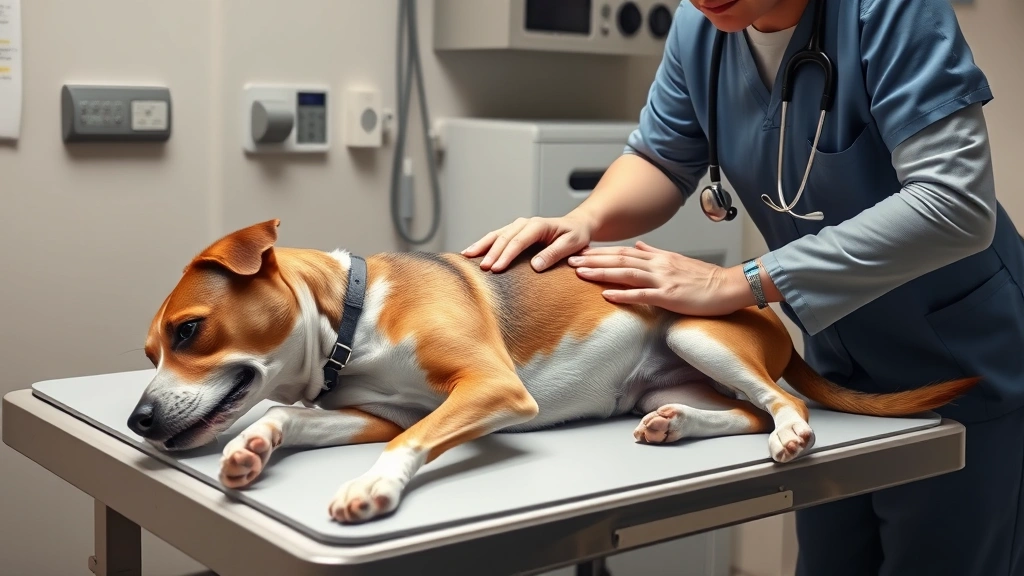
If your dog is experiencing any of the emergency signs listed above, an emergency veterinary clinic is the right choice. Emergency vets have specialized equipment, advanced imaging, and neurologists available 24/7. They can provide immediate stabilization and diagnostic testing.
Regular veterinary clinics are wonderful for routine care and follow-up, but neurological emergencies need the resources only emergency facilities typically have. If it’s after hours or your regular vet isn’t available, heading to an emergency clinic is always the right call when neurological symptoms are present.
Your regular vet can provide ongoing care and management once the emergency is stabilized. Home treatment and supportive care become important during recovery, and your vet will guide you through that process.
Recovery and Next Steps After Emergency Care
After your dog receives emergency treatment, recovery depends on the underlying cause and how quickly treatment began. Some neurological conditions resolve completely with prompt intervention, while others require ongoing management. Your vet will provide a clear picture of your dog’s prognosis and what to expect.
Follow-up appointments, medications, physical therapy, or dietary changes may be part of your dog’s recovery plan. Proper nutrition supports neurological recovery, and your vet can recommend foods that support brain and nervous system health.
Many dogs make remarkable recoveries when neurological emergencies are caught and treated early. Stay patient with your dog during recovery, follow your vet’s guidance closely, and don’t hesitate to reach out if new symptoms develop.
Frequently Asked Questions
How quickly do neurological emergencies develop in dogs?
Neurological emergencies can develop within minutes to hours. Some conditions like seizures or toxin exposure cause immediate symptoms, while others like spinal cord injury may develop over a few hours. Any sudden neurological change warrants urgent evaluation.
Can my dog recover from a neurological emergency?
Recovery depends on the cause and how quickly treatment begins. Many dogs recover well when neurological emergencies are addressed immediately. Some conditions have excellent prognoses, while others require long-term management, but early intervention significantly improves outcomes.
What should I do if my dog has a seizure?
Keep your dog safe by moving away sharp objects, staying calm, and timing the seizure. Never restrain your dog or put anything in their mouth. Contact your vet or emergency clinic immediately, even if the seizure stops on its own.
Are neurological emergencies always fatal?
No, many neurological emergencies are treatable, especially when caught early. Conditions like toxin exposure, certain infections, or spinal cord injuries can improve significantly with prompt veterinary care. Your dog’s outcome depends on the specific condition and how quickly treatment begins.
How much does emergency neurological care cost?
Emergency neurological care costs vary depending on the condition, required diagnostics, and treatment. Expect to pay several hundred to several thousand dollars for imaging, blood work, and specialist consultation. Ask your emergency vet about payment options and what to expect financially.
Key Takeaways
Dog neurological disorder emergency signs include sudden loss of balance, seizures, behavioral changes, vision problems, paralysis, unusual pain responses, loss of bladder control, and tremors. These symptoms demand immediate veterinary attention because time directly impacts your dog’s recovery and prognosis.
If you notice any of these warning signs, contact your vet or emergency clinic right away. If you’re uncertain about whether your dog needs emergency care, a quick telehealth consultation can provide clarity and peace of mind. Your quick action today could save your dog’s life and prevent serious complications.
Remember: you know your dog best. Trust your instincts, don’t wait and see if symptoms improve on their own, and seek professional help immediately. Your dog is counting on you to recognize that something is wrong and act fast.