
When your young dog starts showing signs of a dog neurological disorder in young pets, it can feel overwhelming and scary. You might notice tremors, loss of coordination, or sudden behavioral changes that weren’t there before. The good news? Many neurological conditions in puppies and young dogs are manageable with the right approach, and catching them early gives you the best chance at helping your furry friend thrive.
Table of Contents
- Understanding Neurological Disorders in Young Dogs
- Common Signs Your Young Dog May Be Experiencing Neurological Issues
- Why Young Dogs Are Vulnerable to Neurological Conditions
- The Role of Veterinary Diagnosis Before Treatment
- Understanding Medication Options for Young Dogs
- Common Treatment Approaches for Neurological Disorders
- Managing Your Dog’s Neurological Disorder at Home
- Working With Your Vet on the Right Treatment Plan
- When to Seek Emergency Care
- Long-Term Outlook and Recovery
- Frequently Asked Questions
- What To Do Now
- Summary
This article is for informational purposes only and is not a substitute for professional veterinary advice. Always consult a licensed veterinarian for diagnosis and treatment.
Understanding Neurological Disorders in Young Dogs
A dog neurological disorder involves dysfunction in the brain, spinal cord, or peripheral nerves. Young dogs can be surprisingly vulnerable to these conditions, whether due to genetics, infections, toxins, or developmental issues. The nervous system controls everything from movement and balance to behavior and organ function, so when something goes wrong, the signs can be quite noticeable.
The tricky part? Symptoms often overlap with other health problems. Lethargy might seem like laziness, but it could signal something more serious. That’s why a proper veterinary evaluation is essential before assuming what’s happening.
Common Signs Your Young Dog May Be Experiencing Neurological Issues
Recognizing early warning signs can make all the difference. Here are the most common indicators that your young dog might be experiencing a neurological concern:
- Tremors or involuntary shaking, especially in the head or limbs
- Loss of coordination or wobbly gait (ataxia)
- Seizures or convulsions
- Circling or disorientation
- Behavioral changes like aggression or unusual fearfulness
- Weakness or partial paralysis
- Head tilting or nystagmus (eye twitching)
- Difficulty swallowing or drooling excessively
- Loss of consciousness or collapse
If you’re noticing any of these signs, catching this early puts you in a great position to help. A quick telehealth check-in with a veterinarian can help you understand whether urgent care is needed.
Why Young Dogs Are Vulnerable to Neurological Conditions
Young dogs’ nervous systems are still developing, which means they’re susceptible to both inherited conditions and environmental factors. Certain breeds are predisposed to specific neurological disorders—for example, some terrier breeds carry genes for cerebellar hypoplasia, while other breeds may be prone to epilepsy.
Infections like distemper or tick-borne illnesses can also damage young nervous systems more severely than in adult dogs. Additionally, toxin exposure, head trauma, and nutritional deficiencies during critical growth periods can all contribute to neurological problems.
The Role of Veterinary Diagnosis Before Treatment
Before any treatment plan—including medications—your vet needs to pinpoint the underlying cause. This might involve bloodwork, imaging like MRI or CT scans, cerebrospinal fluid analysis, or genetic testing. Diagnosis is crucial because treatment varies dramatically depending on whether your dog has epilepsy, encephalitis, degenerative myelopathy, or another condition entirely.
If you’re unsure whether your pet needs urgent care, a quick telehealth check-in can give you peace of mind—no appointment needed. A vet can assess whether your young dog requires emergency evaluation or if a standard appointment will suffice.
Understanding Medication Options for Young Dogs
Once your veterinarian has diagnosed the specific neurological disorder, they may recommend medications to manage symptoms and address the underlying cause. It’s important to understand that medication works differently depending on the condition. Some drugs prevent seizures, others reduce inflammation in the nervous system, and some address pain or behavioral symptoms.
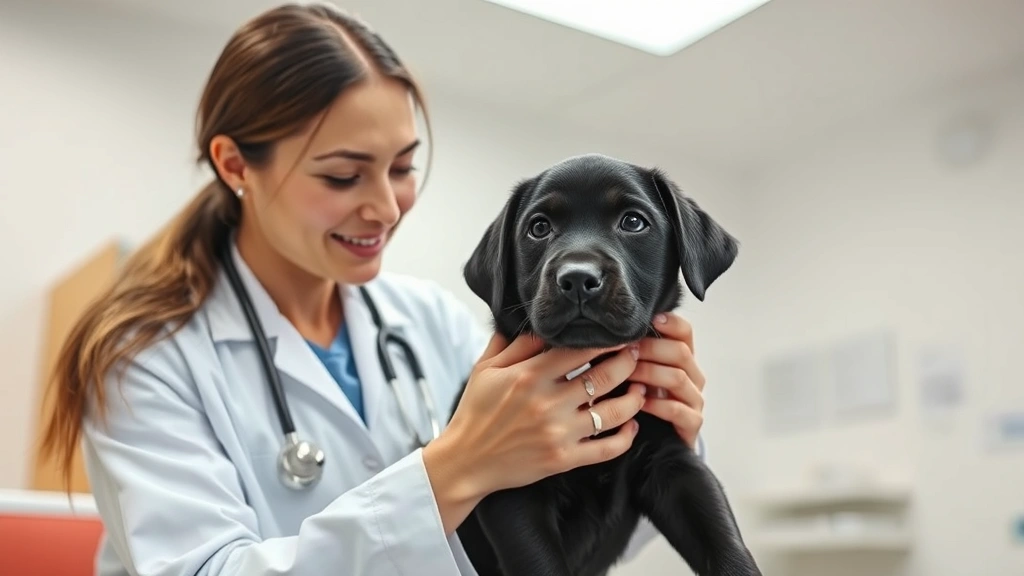
Your vet will consider your dog’s age, weight, overall health, and any other medications before recommending a treatment plan. Each dog responds differently, so finding the right medication—and the right dose—often takes time and careful monitoring.
Common Treatment Approaches for Neurological Disorders
Treatment strategies vary widely based on diagnosis. Here’s what you might expect:
- Anti-seizure medications: Used when epilepsy or seizure activity is present. These help raise the threshold for seizure activity in the brain.
- Anti-inflammatory drugs: Helpful when inflammation is damaging the nervous system, such as in encephalitis or meningitis.
- Antibiotics or antivirals: Prescribed when infections are causing neurological symptoms.
- Supplements and supportive care: Omega-3 fatty acids, B vitamins, and other supplements may support nervous system health alongside primary treatments.
- Pain management: When neurological conditions cause discomfort, pain relief medications improve quality of life.
- Behavioral medications: In some cases, medications that affect neurotransmitters help manage behavioral changes linked to neurological dysfunction.
Your veterinarian will explain which approach—or combination of approaches—makes sense for your young dog’s specific situation.
Managing Your Dog’s Neurological Disorder at Home
Medication is only part of the picture. Home management plays a huge role in your dog’s recovery and long-term quality of life. Creating a safe environment is essential, especially if your dog experiences seizures, loss of coordination, or behavioral changes.
Here are practical steps to support your young dog:
- Keep your dog’s living space free of obstacles and sharp furniture edges
- Use baby gates to prevent falls or access to stairs if mobility is affected
- Maintain a consistent routine with regular feeding, medication, and exercise schedules
- Provide soft bedding and comfortable resting areas
- Monitor stress levels—anxiety can worsen some neurological symptoms
- Keep detailed records of symptoms, medication times, and any changes you notice
- Ensure your dog gets appropriate exercise without overexertion (your vet can advise on this)
These supportive measures, combined with proper medication and veterinary care, create the best foundation for your dog’s recovery and management.
Working With Your Vet on the Right Treatment Plan
Collaboration with your veterinarian is key. Be transparent about your concerns, ask questions about medication side effects, and report any changes—positive or negative—as your dog begins treatment. Some medications take weeks to show full effect, while others work more immediately.
If your dog isn’t responding well to a medication, don’t stop it without guidance. Instead, schedule a follow-up appointment to discuss adjustments. Your vet may need to modify the dose, switch medications, or add complementary therapies. Understanding the stages of your dog’s neurological disorder can also help you track progress and communicate effectively with your vet.
When to Seek Emergency Care
Some neurological symptoms require immediate veterinary attention. If your young dog experiences a seizure lasting more than five minutes, multiple seizures in succession, loss of consciousness, severe paralysis, or sudden inability to eat or drink, seek emergency care right away.
Knowing when to see a vet for neurological concerns can be the difference between a manageable situation and a crisis. Trust your instincts—if something feels seriously wrong, don’t wait for a regular appointment.

Long-Term Outlook and Recovery
The prognosis for young dogs with neurological disorders varies greatly depending on the specific condition, how early it was caught, and how well your dog responds to treatment. Some conditions are manageable long-term with consistent medication and care. Others may improve significantly or even resolve with proper treatment.
Recovery time for dog neurological disorders also varies. Some dogs show improvement within weeks, while others require months of consistent management. The key is staying patient, maintaining open communication with your vet, and celebrating small victories along the way.
Frequently Asked Questions
Can neurological disorders in young dogs be cured?
Some can be cured if caught early and the underlying cause is treatable (like infections). Others are manageable long-term with medication and lifestyle adjustments rather than fully cured.
How long does it take for neurological medications to work?
Some medications show effects within days, while anti-seizure medications may take 2-4 weeks to reach full effectiveness. Your vet will monitor progress and adjust as needed.
Are neurological disorders in young dogs hereditary?
Many are linked to genetics, particularly in certain breeds. Your vet can discuss whether your dog’s condition has a hereditary component and what that means for future breeding decisions.
Can stress make neurological symptoms worse?
Yes, stress and anxiety can trigger or worsen symptoms in many neurological conditions. A calm, consistent environment helps manage symptoms more effectively.
What should I do if my dog has a seizure?
Keep your dog safe by moving hazardous objects away, never put your hands in the mouth, time the seizure, and contact your vet immediately. Record video if possible to share with your veterinarian.
What To Do Now
- Schedule a veterinary appointment: If you haven’t already, book an evaluation with your vet to get a proper diagnosis. If cost is a concern, ask about payment plans or telehealth options for an initial assessment.
- Document symptoms: Keep a detailed log of when symptoms occur, how long they last, and any patterns you notice. Include diet, stress levels, and activities. This information is invaluable for your vet.
- Create a safe space: Start making your home safer for a dog with neurological challenges by removing hazards and establishing a comfortable resting area.
- Ask about medication side effects: Once treatment is recommended, ask your vet about potential side effects and what to monitor for at home.
- Connect with your vet’s telehealth option: If you’re worried about whether symptoms warrant urgent care, The Pet Vet’s telehealth service can provide quick guidance without the wait of a traditional appointment.
Summary
A dog neurological disorder in young pets can feel frightening, but you’re not alone in this journey. With early diagnosis, appropriate medication, supportive home care, and a strong partnership with your veterinarian, many young dogs manage their conditions successfully and go on to enjoy good quality of life.
The most important step is getting professional help to understand what’s happening with your dog. From there, your vet will guide you through treatment options tailored to your dog’s specific needs. Stay patient, keep detailed records, and don’t hesitate to reach out if you notice changes—that’s how you give your young dog the best possible outcome.
Your dog is counting on you, and taking action today is the best way to support their neurological health for years to come.