
When your dog suddenly stumbles, trembles, or loses coordination, the fear sets in—and one of your first questions is likely about dog neurological disorder recovery time. The honest answer? It depends on what’s happening in your pup’s nervous system, how quickly you catch it, and the specific condition they’re facing.
Table of Contents
- Understanding Canine Neurological Disorders
- How Quickly Do Dogs Recover From Neurological Issues?
- Early Signs Your Dog May Have a Neurological Problem
- The Role of Medication in Neurological Recovery
- Diagnostic Tests That Speed Up Recovery
- Supporting Recovery at Home
- When Recovery Stalls: What It Means
- Chronic Neurological Conditions and Long-Term Management
- Prognosis: What Affects Outcomes?
- When to Seek Emergency Care vs. Routine Veterinary Help
- Frequently Asked Questions
- What To Do Now
- Summary: Your Dog’s Neurological Recovery Journey
- External Resources for Further Learning
This article is for informational purposes only and is not a substitute for professional veterinary advice. Always consult a licensed veterinarian for diagnosis and treatment.
Neurological disorders in dogs range from manageable to serious, and recovery timelines vary wildly. Some dogs bounce back in weeks, while others need months of supportive care. The key is understanding what you’re dealing with and taking action fast. Let’s walk through what recovery actually looks like.
Understanding Canine Neurological Disorders
Your dog’s nervous system controls everything—movement, balance, sensation, and even behavior. When something goes wrong, you’ll notice it immediately. A neurological disorder occurs when the brain, spinal cord, or nerves aren’t functioning properly.
These conditions can be acute (sudden onset) or chronic (developing over time). Some are inflammatory, some are degenerative, and some are caused by toxins or infections. The underlying cause makes a huge difference in recovery expectations.

Common canine neurological issues include intervertebral disc disease (IVDD), vestibular disease, seizure disorders, and degenerative myelopathy. Each has its own recovery profile and treatment approach.
How Quickly Do Dogs Recover From Neurological Issues?
Recovery timelines depend heavily on the specific diagnosis. Here’s what you might expect:
- Vestibular disease (inner ear/balance problems): Many dogs show significant improvement within 3–7 days, with full recovery in 2–3 weeks
- Acute intervertebral disc disease: Mild cases may improve in 1–2 weeks; severe cases requiring surgery could take 6–12 weeks or longer
- Seizure disorders: Control is often achieved within weeks of starting medication, though ongoing management is lifelong
- Degenerative myelopathy: This is progressive and slower; management focuses on slowing decline rather than full recovery
- Inflammatory conditions: Steroids or immunosuppressants may show results within days to weeks
Catching the problem early puts you in a great position to help. Dogs treated within the first 24–48 hours of symptom onset often have better outcomes than those with delayed care.
Early Signs Your Dog May Have a Neurological Problem
Recognizing symptoms early is your biggest advantage. Watch for sudden changes in your dog’s behavior or movement—these are red flags that something’s wrong with their nervous system.

- Loss of coordination or stumbling (ataxia)
- Head tilting or nystagmus (eye movement)
- Weakness in the hind legs or all four limbs
- Circling or disorientation
- Tremors or muscle twitching
- Seizures or fainting episodes
- Difficulty standing or walking
- Pain sensitivity or behavioral changes
If you notice any of these, don’t wait. Early intervention improves recovery outcomes significantly. If you are unsure whether your pet needs urgent care, a quick telehealth check-in can give you peace of mind — no appointment needed.
The Role of Medication in Neurological Recovery
Medication is often central to managing neurological disorders and improving recovery time. The type and effectiveness depend entirely on the underlying condition.
Anti-inflammatory medications may reduce swelling in the spinal cord or brain. Anti-seizure medications prevent seizures and can help stabilize the nervous system. Muscle relaxants ease spasticity and tension. Some conditions respond to antibiotics or antivirals if infection is involved.
Your veterinarian will determine which medications are appropriate based on diagnostic imaging (MRI, CT scans) and bloodwork. There’s no one-size-fits-all approach, which is why professional diagnosis is so important.
Diagnostic Tests That Speed Up Recovery
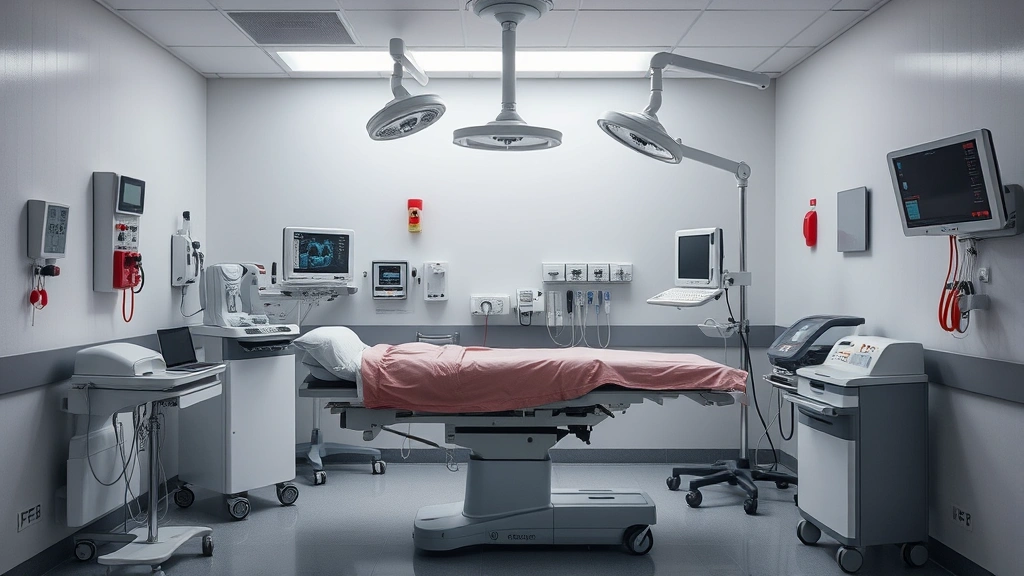
Fast diagnosis means faster treatment, which directly impacts recovery time. Your vet may recommend several tests depending on symptoms.
Physical and neurological exams are the first step. Your vet watches how your dog walks, checks reflexes, and assesses proprioception (awareness of body position). This narrows down where the problem is in the nervous system.
Bloodwork and urinalysis rule out infections, toxins, metabolic issues, and other systemic causes. Imaging like X-rays, ultrasound, MRI, or CT scans shows structural problems in the spine or brain. Advanced imaging is often needed for accurate diagnosis and treatment planning.
Spinal fluid analysis (cerebrospinal fluid or CSF) may be recommended if inflammation or infection is suspected. These tests feel invasive, but they’re the fastest way to get answers and start the right treatment.

Supporting Recovery at Home
While medication does the heavy lifting, what you do at home matters enormously for recovery. Your dog’s environment and daily care directly influence healing speed.
Rest is critical. Limit activity and prevent jumping, running, or rough play. Confine your dog to a small, safe space if they’re unsteady. This prevents re-injury and allows the nervous system to heal.
Maintain proper nutrition. A balanced diet with adequate protein supports nerve repair and overall recovery. Some dogs may need softer food if they’re having trouble eating due to neurological issues.
Physical therapy and gentle movement can help, especially as your dog improves. Walking on flat surfaces and controlled, low-impact exercise encourage nerve regeneration without risking setbacks.
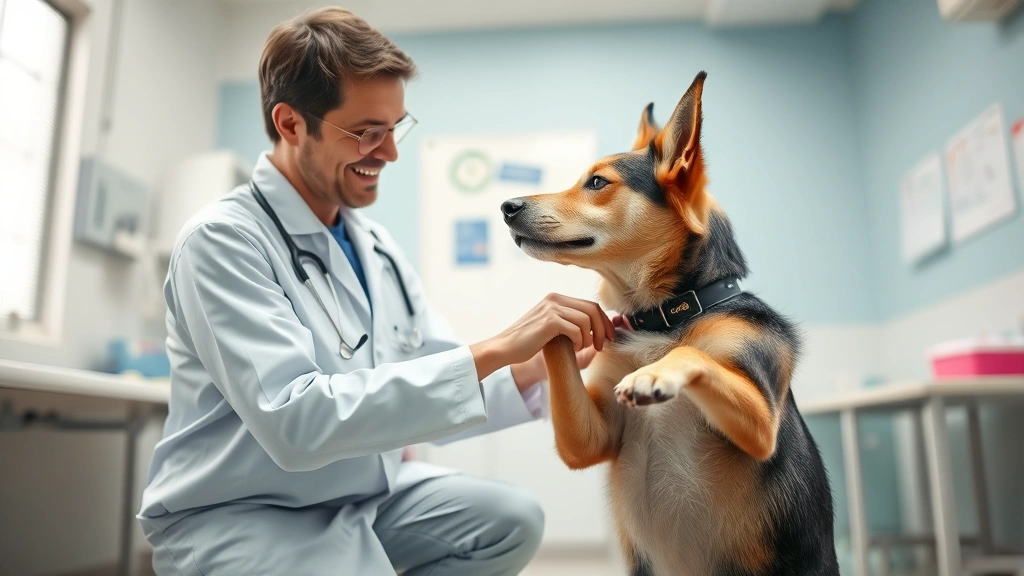
Monitor for complications. Neurological dogs sometimes develop secondary issues like pressure sores, urinary problems, or muscle atrophy. Regular position changes, frequent bathroom breaks, and gentle massage help prevent these.
When Recovery Stalls: What It Means
Some dogs improve steadily, while others plateau. If your dog isn’t showing progress after 2–3 weeks of treatment, your vet may need to reassess the diagnosis or adjust the treatment plan.
Stalled recovery doesn’t mean your dog won’t get better—it sometimes means the initial diagnosis was incomplete or the condition is more complex than first thought. Additional imaging, specialist consultation, or medication adjustments may be necessary.
This is frustrating, but it’s also why ongoing communication with your veterinarian is so important. They can track subtle improvements you might miss and catch complications early.

Chronic Neurological Conditions and Long-Term Management
Some neurological disorders don’t fully resolve but can be managed well for years. Degenerative myelopathy, chronic seizure disorders, and some inflammatory conditions fall into this category.
For these dogs, “recovery” means achieving stability and quality of life rather than complete healing. Ongoing medication, physical therapy, and lifestyle adjustments become part of daily life. Many dogs live happily for years with proper management.
The goal shifts from cure to comfort and function. Your vet will help you create a long-term plan that keeps your dog as mobile, pain-free, and happy as possible.
Prognosis: What Affects Outcomes?
Several factors influence how well your dog recovers from a neurological disorder. Understanding these helps set realistic expectations.

- Age and overall health: Younger, healthier dogs often recover faster and more completely
- Severity of the condition: Mild cases recover quicker than severe ones
- Time to treatment: Dogs treated within 24–48 hours do better than those with delayed care
- Specific diagnosis: Some conditions have naturally better prognoses than others
- Compliance with treatment: Following your vet’s recommendations closely improves outcomes
- Presence of secondary complications: Infections or other issues can slow recovery
Your vet can give you a more specific prognosis once they’ve diagnosed your dog’s condition. Don’t hesitate to ask detailed questions about recovery expectations.
When to Seek Emergency Care vs. Routine Veterinary Help
Not all neurological symptoms require an ER visit, but some absolutely do. Knowing the difference can save your dog’s life.
Seek emergency care immediately if your dog is experiencing:
- Severe loss of consciousness or unresponsiveness
- Repeated or prolonged seizures
- Complete inability to stand or move
- Severe pain or distress
- Difficulty breathing
- Sudden severe behavioral changes
Schedule a routine vet appointment for:

- Mild loss of coordination
- Single seizure (if your dog recovers quickly)
- Gradual weakness over days or weeks
- Mild tremors or muscle twitching
When in doubt, call your vet or emergency clinic. They can advise you on urgency based on your dog’s specific symptoms.
Frequently Asked Questions
How long does it take for a dog to recover from a neurological disorder?
Recovery time ranges from 2–3 weeks for mild cases like vestibular disease to 6–12 weeks or longer for spinal injuries. Chronic conditions may require lifelong management rather than full recovery.
Can dogs fully recover from neurological problems?
Many dogs recover completely, especially with early treatment. However, some conditions are degenerative or chronic and require ongoing management rather than complete healing.
What medications help dogs with neurological disorders?
Medications vary by condition and may include anti-inflammatory drugs, anti-seizure medications, muscle relaxants, or antibiotics. Your veterinarian will prescribe what’s appropriate for your dog’s specific diagnosis.

Is surgery always needed for spinal neurological problems?
Not always. Mild cases may respond to rest and medication alone. However, severe spinal compression or certain injuries may require surgery for the best outcome.
How can I help my dog recover faster from a neurological disorder?
Follow your vet’s treatment plan closely, provide complete rest, maintain good nutrition, and monitor for complications. Early treatment and strict adherence to recommendations significantly improve recovery speed.
What To Do Now
- Document symptoms: Write down when symptoms started, what they look like, and how they’re changing. This information helps your vet diagnose accurately and track recovery.
- Schedule a veterinary exam: Don’t wait for symptoms to worsen. Early diagnosis and treatment dramatically improve outcomes for neurological disorders.
- Prepare your home: Create a safe, comfortable space with easy access to food, water, and bathroom areas. Minimize stairs and slippery floors to prevent re-injury.
- Ask about recovery expectations: Once your vet diagnoses your dog’s condition, ask specifically about timeline, medication side effects, and what progress looks like week by week.
- Plan for follow-up care: Neurological recovery requires ongoing monitoring. Schedule follow-up exams and imaging as your vet recommends to track progress and adjust treatment.
Summary: Your Dog’s Neurological Recovery Journey
Dog neurological disorder recovery time varies widely depending on the diagnosis, severity, and how quickly you seek treatment. The good news? Early intervention, proper medication, and supportive home care make a real difference in outcomes.
Your role is to recognize symptoms early, get a prompt diagnosis, follow your vet’s treatment plan closely, and provide a safe, restful environment for healing. Some dogs bounce back in weeks; others need months. But with patience and proper care, many dogs recover well or achieve excellent quality of life with ongoing management.
If your dog is showing neurological symptoms, don’t delay. Contact your veterinarian today. For mild concerns or after-hours uncertainty, The Pet Vet’s telehealth service can provide quick guidance and peace of mind without a formal appointment.
Your dog’s nervous system is resilient, and with the right support, recovery is possible. Stay vigilant, stay informed, and trust your vet to guide you through this challenging time.
External Resources for Further Learning
For more detailed medical information about canine neurological disorders, consult these trusted sources: