
If your dog suddenly seems confused, loses balance, or experiences unexplained tremors, you might be dealing with a dog neurological disorder sudden onset — and understandably, that’s terrifying. Neurological issues can develop rapidly, leaving pet owners scrambling to understand what’s happening and how to help their beloved companion.
Table of Contents
- Understanding Sudden Neurological Changes in Dogs
- Seven Critical Signs of Sudden Neurological Issues
- Common Causes of Sudden Neurological Disorders
- Why Immediate Veterinary Care Matters
- What Your Vet Will Look For During Examination
- Treatment Options for Sudden Neurological Disorders
- Managing Your Dog’s Recovery at Home
- When to Seek Emergency Care Immediately
- Preventive Measures to Reduce Risk
- Senior Dogs and Neurological Changes
- Related Health Issues to Watch For
- Frequently Asked Questions
- What To Do Now: Your Action Plan
- Summary: Moving Forward With Confidence
This article is for informational purposes only and is not a substitute for professional veterinary advice. Always consult a licensed veterinarian for diagnosis and treatment.
The good news? Many neurological conditions are manageable when caught early, and knowing what to look for can make all the difference. Let’s walk through the warning signs, what causes sudden neurological problems in dogs, and exactly what steps you should take right now.
Understanding Sudden Neurological Changes in Dogs
A dog neurological disorder sudden onset can be alarming because the symptoms often appear without warning. One moment your pup is their normal self, and the next, they’re stumbling or acting disoriented. This happens because the brain, spinal cord, and nerves control everything your dog does — movement, balance, awareness, and even personality.
When something disrupts these systems suddenly, the effects are immediate and noticeable. The causes can range from relatively straightforward (like a toxin exposure) to more complex (like a stroke or seizure disorder). The key is recognizing that this isn’t normal and getting professional help quickly.
Seven Critical Signs of Sudden Neurological Issues
Recognizing these warning signs early puts you in the best position to help your dog. Here are the most common indicators of a potential neurological problem:
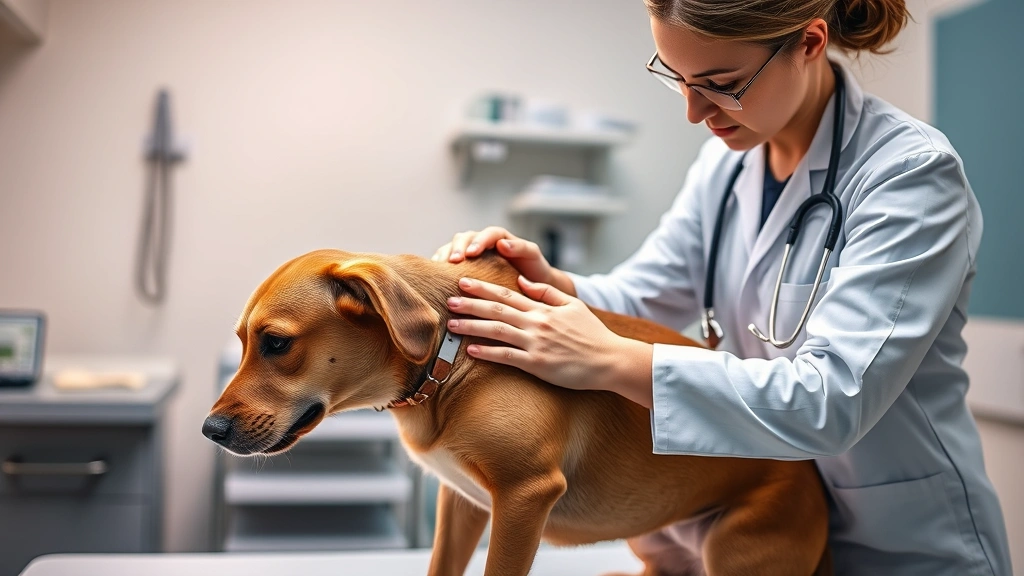
- Loss of Balance or Coordination (Ataxia) — Your dog staggers, sways, or walks like they’re intoxicated. They may bump into walls or furniture they normally navigate easily.
- Seizures or Convulsions — Involuntary muscle contractions, paddling motions, or stiffness lasting seconds to minutes. Your dog may lose consciousness or seem confused afterward.
- Tremors or Shaking — Uncontrolled shaking that isn’t related to cold or fear. This could affect the whole body or just one limb.
- Sudden Behavioral Changes — Your normally friendly dog becomes aggressive, anxious, or withdrawn. They may not recognize family members or seem confused about their surroundings.
- Head Tilting or Circling — Your dog tilts their head to one side persistently or walks in circles. This often indicates an inner ear or brain issue.
- Vision Problems or Eye Movement Abnormalities — Your dog bumps into objects, seems unable to track movement, or their eyes move involuntarily (nystagmus).
- Collapse or Partial Paralysis — Your dog’s back legs give out, or they’re unable to stand or move normally. This is especially urgent and requires immediate veterinary attention.
Catching these signs early puts you in a great position to help. Don’t wait or assume they’ll pass on their own.
Common Causes of Sudden Neurological Disorders
Understanding what might trigger a sudden neurological issue helps you communicate better with your vet. Here are the most frequent culprits:
Toxin Exposure: Certain foods, plants, medications, or chemicals are toxic to dogs’ nervous systems. Chocolate, xylitol, pesticides, and some human medications can cause rapid neurological symptoms.
Strokes: Dogs can experience strokes just like humans. A blood clot or bleeding in the brain disrupts blood flow, causing sudden loss of coordination, circling, or head tilting.
Seizure Disorders: Epilepsy or other seizure conditions may first appear suddenly, even in young dogs. Once one seizure occurs, more may follow.
Infections: Encephalitis (brain inflammation), meningitis, or tick-borne diseases like Lyme disease can cause rapid neurological changes. These are serious and require urgent treatment.
Trauma or Injury: A fall, car accident, or head injury can cause swelling or damage to the brain or spinal cord, leading to immediate neurological symptoms.
Metabolic or Systemic Issues: Problems like low blood sugar, liver disease, kidney failure, or severe electrolyte imbalances can mimic neurological disorders. This is why blood work is so important.
Vestibular Disease: Often called “old dog syndrome,” this affects the inner ear and balance center. It appears suddenly but may be less serious than other causes.
Why Immediate Veterinary Care Matters
When your dog experiences a dog neurological disorder sudden onset, time truly is critical. Some conditions — like strokes, severe infections, or toxin exposures — can worsen rapidly without treatment. Your vet needs to perform a thorough neurological exam, which includes testing reflexes, balance, coordination, and mental awareness.

Beyond the physical exam, your vet will likely recommend blood work, possibly imaging (like an MRI or CT scan), and sometimes cerebrospinal fluid analysis. These tools help pinpoint the exact cause, which directly affects treatment options.
If you’re unsure whether your pet needs urgent care, a quick telehealth check-in with The Pet Vet can give you peace of mind — no appointment needed. A vet can assess your dog’s symptoms and advise whether an emergency visit is necessary.
What Your Vet Will Look For During Examination
When you bring your dog in, expect a comprehensive neurological workup. Your vet will assess:
- Consciousness level and mental awareness
- Gait and balance (how your dog walks)
- Reflexes and muscle tone
- Cranial nerve function (eyes, ears, facial movement)
- Proprioception (awareness of body position)
- Pain response and sensation
This systematic approach helps your vet localize where in the nervous system the problem originates. Is it the brain, spinal cord, peripheral nerves, or muscles? Knowing this narrows down the possible causes significantly.
Treatment Options for Sudden Neurological Disorders
Treatment depends entirely on the underlying cause. Your vet might recommend:

Supportive Care: Keeping your dog comfortable, managing pain, and preventing complications while the body heals or while diagnostics are underway.
Medications: Anti-seizure drugs for epilepsy, antibiotics for infections, or other medications tailored to the specific condition. Your vet will discuss what’s appropriate for your dog’s situation.
Dietary Management: In some cases, specific nutrition supports neurological recovery. Your vet may recommend a specialized diet or supplements.
Physical Therapy: For dogs recovering from strokes or spinal issues, gentle movement and rehabilitation exercises can improve outcomes.
Environmental Modifications: Keeping your dog safe during recovery — using baby gates, providing non-slip flooring, and limiting stairs — prevents secondary injuries.

Recovery timelines vary widely. Some dogs bounce back quickly; others need weeks or months of gradual improvement. Your vet will give you realistic expectations based on your dog’s diagnosis.
Managing Your Dog’s Recovery at Home
Once you have a diagnosis and treatment plan, your role as a caregiver becomes crucial. Here’s how to support your dog’s neurological recovery:
- Follow medication schedules precisely — Even if your dog seems better, consistent dosing is critical for conditions like epilepsy.
- Keep your home safe — Remove obstacles, use baby gates to prevent falls, and provide easy access to food, water, and bathroom areas.
- Monitor closely — Watch for any changes in symptoms, new behaviors, or side effects from medications. Keep notes to share with your vet.
- Limit activity initially — Restrict running, jumping, and rough play until your vet gives the all-clear.
- Stay calm and patient — Dogs sense our anxiety. Your steady presence helps them feel secure during recovery.
Recovery looks different for every dog, but consistency and attentiveness make a real difference.
When to Seek Emergency Care Immediately
Some neurological symptoms require emergency veterinary care right now. Don’t wait for an appointment if your dog is experiencing:
- Active, continuous, or repeated seizures
- Complete paralysis or inability to stand
- Loss of consciousness or unresponsiveness
- Severe head trauma or suspected spinal injury
- Sudden, severe behavioral changes (aggression or extreme confusion)
- Difficulty breathing or severe distress
If any of these apply, head to your nearest emergency vet clinic immediately. These situations can deteriorate rapidly, and every minute counts.

Preventive Measures to Reduce Risk
While you can’t prevent all neurological disorders, these steps reduce your dog’s risk:
- Keep toxins away: Store medications, cleaning supplies, pesticides, and toxic foods securely. Be especially careful with chocolate, xylitol, and antifreeze.
- Maintain regular vet visits: Early detection of underlying diseases (like liver or kidney problems) can prevent neurological complications.
- Manage tick prevention: Ticks transmit diseases like Lyme disease, which can cause neurological symptoms. Use your vet’s recommended prevention year-round.
- Provide a safe environment: Minimize fall risks, especially in senior dogs. Use non-slip mats and avoid situations where your dog might suffer head trauma.
- Monitor diet and weight: Proper nutrition supports brain health. Discuss your dog’s diet with your vet to ensure they’re getting optimal nutrition.
Senior Dogs and Neurological Changes
Older dogs are more prone to neurological issues, including strokes and cognitive decline. If you have a senior dog, familiarize yourself with dog neurological disorder in senior pets to catch problems early. Regular senior wellness exams (twice yearly for dogs over 7 years) help identify issues before they become emergencies.
That said, sudden onset neurological problems aren’t “just old age.” Even in seniors, sudden changes warrant investigation and treatment.
Related Health Issues to Watch For
Neurological symptoms sometimes overlap with other conditions. If your dog has sudden onset issues, your vet will also rule out related problems. For example, dog gastrointestinal issues sudden onset can sometimes accompany neurological disease. Similarly, dog nausea medication might be part of your treatment plan if your dog is experiencing related symptoms.
Some dogs with neurological issues also develop secondary complications. For instance, difficulty swallowing might lead to aspiration concerns, or mobility issues could cause pressure sores. Your vet will address these proactively.

Frequently Asked Questions
Can a dog recover from a sudden neurological disorder?
Recovery depends on the cause and severity. Some conditions (like toxin exposure or vestibular disease) have excellent recovery rates, while others require long-term management. Early intervention significantly improves outcomes.
How quickly should I get my dog to a vet if I notice neurological symptoms?
If your dog is having active seizures, is paralyzed, or seems unresponsive, go to an emergency vet immediately. For other symptoms like mild tremors or slight balance issues, call your vet the same day for guidance on timing.
Are neurological disorders in dogs hereditary?
Some are — certain breeds are predisposed to epilepsy or other neurological conditions. However, many sudden-onset neurological problems are acquired (caused by toxins, infections, or injury) rather than inherited.
What’s the difference between a seizure and a stroke in dogs?
Seizures involve involuntary muscle contractions and often affect the whole body; dogs may lose consciousness. Strokes cause loss of coordination, circling, or head tilting without the characteristic convulsions. Your vet can distinguish between them through examination and testing.
Can I give my dog medication at home while waiting for a vet appointment?
Never give medication without veterinary guidance. Some medications can worsen certain neurological conditions. Always call your vet for instructions before administering anything.
What To Do Now: Your Action Plan
If you suspect your dog is experiencing a neurological issue, here’s exactly what to do:
- Assess the urgency: Is your dog having active seizures, unable to stand, or unresponsive? If yes, go to an emergency vet now. If symptoms are milder, call your regular vet immediately for guidance.
- Document the symptoms: Write down when the symptoms started, what you observed, how long they lasted, and any potential triggers (recent medication, possible toxin exposure, trauma). This information helps your vet tremendously.
- Contact your vet or telehealth service: Call your vet’s office or use The Pet Vet telehealth for a quick assessment. Describe the symptoms clearly and follow their recommendations about timing and location for the visit.
- Prepare for the appointment: Gather any medications your dog takes, recent medical records, and a list of questions. If possible, record a video of the symptoms to show your vet.
- Follow through with diagnostics and treatment: Your vet will recommend blood work, imaging, or other tests. Completing these is essential for an accurate diagnosis and effective treatment plan.
Summary: Moving Forward With Confidence
A dog neurological disorder sudden onset is undoubtedly frightening, but you’re not helpless. By recognizing the warning signs, seeking prompt veterinary care, and following your vet’s treatment plan, you give your dog the best chance at recovery or management.
Remember: neurological symptoms are your dog’s way of telling you something needs attention. Trust your instincts, don’t minimize what you’re seeing, and reach out to a veterinarian immediately. Whether it’s your regular vet, an emergency clinic, or a telehealth consultation with The Pet Vet, getting professional eyes on your dog quickly can be life-changing.
Your dog is counting on you, and you’re already doing the right thing by seeking information and taking action. Stay calm, stay focused, and know that help is available.