
If you’ve noticed your dog scratching more than usual, losing weight, or showing signs of digestive upset, a dog parasites best diet might be exactly what your pup needs to bounce back to health. Parasites are sneaky invaders that can drain your dog’s energy and nutrients, but the right nutritional support can help your dog’s body fight back and recover faster.
Table of Contents
- Understanding Parasites and Your Dog’s Nutritional Needs
- The Role of Protein in Parasite Recovery
- Fiber and Gut Health: The Overlooked Heroes
- Antioxidant-Rich Foods That Boost Immunity
- Essential Fatty Acids for Immune and Skin Support
- The 7 Best Foods for Dogs with Parasites
- Foods to Avoid During Parasite Treatment
- Meal Timing and Feeding Strategy
- Supplements That Support Parasite Recovery
- Creating a Balanced Recovery Diet Plan
- When to Seek Veterinary Support
- Frequently Asked Questions
- What To Do Now
- Summary: Supporting Your Dog Through Parasite Recovery
This article is for informational purposes only and is not a substitute for professional veterinary advice. Always consult a licensed veterinarian for diagnosis and treatment.
Parasites in dogs come in many forms—from intestinal worms to fleas and ticks—and they all share one thing in common: they weaken your dog’s immune system and deplete vital nutrients. While medication prescribed by your vet is the primary treatment, what you feed your dog during and after parasite treatment matters more than many pet owners realize. A thoughtful, nutrient-dense diet can accelerate healing, strengthen immunity, and help prevent future infestations.
Understanding Parasites and Your Dog’s Nutritional Needs
When parasites take hold, they create a nutritional crisis inside your dog’s body. These unwanted guests consume nutrients meant for your pup, leaving them depleted and vulnerable. Your dog’s immune system is working overtime to fight the infection, which means it needs premium fuel to do its job effectively.
A dog experiencing parasitic infection often shows signs like dull coat, lethargy, or digestive issues. The right diet addresses these symptoms by restoring essential vitamins, minerals, and proteins that parasites steal away. Think of it as rebuilding your dog’s internal defense system from the inside out.
The Role of Protein in Parasite Recovery
Protein is your dog’s best friend when fighting parasites. High-quality, easily digestible proteins help rebuild muscle tissue, support immune function, and provide the amino acids needed to manufacture antibodies. During parasite treatment, your dog’s protein needs actually increase.
Look for animal-based proteins like chicken, turkey, beef, and fish. These are complete proteins containing all nine essential amino acids your dog needs. Aim for foods where meat is the first ingredient, not a byproduct or filler.
- Lean chicken breast (cooked, unseasoned)
- Ground turkey
- Wild-caught salmon
- Grass-fed beef
- Eggs (cooked)
If you’re considering homemade meals, work with your vet to ensure proper nutritional balance. Alternatively, quality commercial diets formulated for recovery are already balanced and convenient.
Fiber and Gut Health: The Overlooked Heroes
Many people focus on protein but forget that parasites damage the gut lining. Soluble fiber helps soothe the digestive tract and promotes the growth of beneficial bacteria that protect against future infestations. Insoluble fiber supports healthy bowel movements and helps flush out parasites and their waste.
Sweet potatoes are a parasite-fighting superfood—they’re rich in beta-carotene, which supports immune function, and they’re gentle on sensitive digestive systems. Pumpkin (plain canned pumpkin, not pie filling) is another gentle option that aids digestion and provides fiber without irritation.
Catching this early and supporting your dog’s gut health puts you in a great position to prevent chronic complications down the road.
Antioxidant-Rich Foods That Boost Immunity
Parasites create oxidative stress in your dog’s body. Antioxidants neutralize this stress and support immune recovery. Certain foods are packed with these protective compounds.
Blueberries are small but mighty—they contain anthocyanins that reduce inflammation and support brain health (parasites can affect neurological function in severe cases). Carrots offer beta-carotene and support dental health through chewing. Green beans are low-calorie, nutrient-dense vegetables that add volume to meals without excess fat.
When introducing new foods, do so gradually over 7-10 days to avoid digestive upset. Mix small amounts into your dog’s regular food to build tolerance.
Essential Fatty Acids for Immune and Skin Support
Omega-3 and omega-6 fatty acids are crucial for dogs recovering from parasites. These fats reduce inflammation, support skin barrier function (important if parasites caused skin issues), and enhance immune response. Fish-based foods are excellent sources of omega-3 fatty acids.
Salmon and sardines are particularly beneficial because they contain EPA and DHA, the most bioavailable forms of omega-3s. These fats also support cognitive function and can help restore a dull coat to its former shine. Just ensure any fish is cooked and boneless to avoid choking hazards.
If your dog won’t eat fish, ask your vet about fish oil supplements specifically formulated for dogs. Quality matters—choose brands that are third-party tested for purity.
The 7 Best Foods for Dogs with Parasites
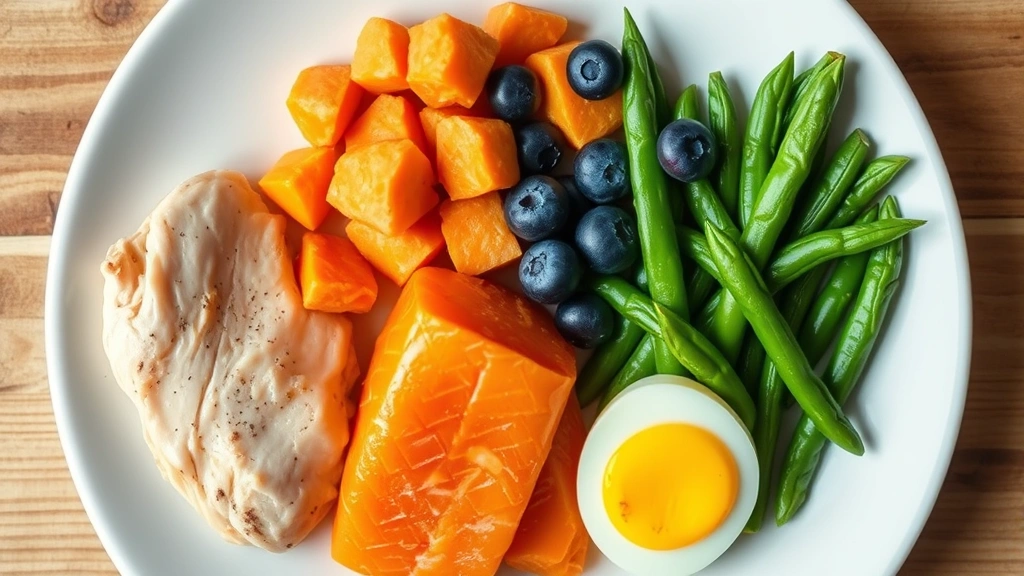
- Cooked Chicken Breast – Lean, easily digestible, and packed with protein to rebuild strength and support immune function.
- Sweet Potatoes – Rich in beta-carotene and fiber, gentle on sensitive digestive systems, and naturally anti-inflammatory.
- Salmon – Provides omega-3 fatty acids that reduce inflammation and support skin and coat health.
- Pumpkin – Plain canned pumpkin soothes the gut, supports digestion, and helps eliminate parasites naturally.
- Blueberries – Antioxidant powerhouses that reduce oxidative stress and support overall immune recovery.
- Eggs – Complete protein source with choline for brain health and lutein for eye support.
- Green Beans – Low-calorie, nutrient-dense vegetables that add volume and fiber without excess fat or calories.
Foods to Avoid During Parasite Treatment
While some foods help, others can actually hinder recovery. Avoid feeding your dog high-fat foods, as parasites often cause fat malabsorption and digestive sensitivity. Dairy products can trigger diarrhea in dogs with compromised gut health.
Processed foods, artificial additives, and foods with excessive grains can feed harmful bacteria in the gut and create an environment where parasites thrive. Stick to whole, recognizable ingredients during the recovery period. For more detailed guidance on foods to avoid, check out our article on dog gastrointestinal issues best diet, which covers similar digestive concerns.
Additionally, avoid raw or undercooked meats, as these can introduce new parasites. Always cook meat thoroughly to eliminate any potential pathogens.
Meal Timing and Feeding Strategy
Smaller, more frequent meals are easier on a compromised digestive system. Instead of one or two large meals, consider feeding your dog three to four smaller portions throughout the day during active treatment. This approach reduces digestive stress and keeps nutrient absorption steady.
Warm food is often easier to digest than cold food straight from the refrigerator. You can gently warm meals to body temperature (around 101°F) to enhance palatability and digestion. This is especially helpful if your dog has lost appetite due to parasites.
Monitor your dog’s weight and energy levels. If you notice continued weight loss or lethargy beyond the first week of treatment, contact your vet—it may indicate a need for dietary adjustment or additional medical support.
Supplements That Support Parasite Recovery
Beyond whole foods, certain supplements can accelerate recovery when recommended by your vet. Probiotics restore beneficial gut bacteria that parasites disrupted. Look for multi-strain formulas specifically designed for dogs.
Digestive enzymes can help your dog’s body break down and absorb nutrients more efficiently during recovery. Bone broth (unsalted, made from dog-safe bones) provides collagen and amino acids that support gut lining repair. Some pet owners also find that a high-quality multivitamin supports overall recovery, especially if parasites caused malabsorption.
Always discuss supplements with your veterinarian before introducing them, as some may interact with parasite medications or other treatments your dog is receiving.
Creating a Balanced Recovery Diet Plan
The best diet combines multiple beneficial foods into a balanced whole. A simple recovery meal might include cooked chicken (50%), sweet potato (25%), and green beans or pumpkin (25%). This ratio provides adequate protein, fiber, and essential nutrients without overwhelming a sensitive digestive system.

If you prefer commercial options, look for limited-ingredient diets formulated for digestive sensitivity or recovery. Brands that use whole meat as the primary ingredient and avoid artificial additives tend to perform best. Your vet can recommend specific brands that align with your dog’s needs.
Transition back to your dog’s regular diet gradually over 7-10 days once your vet confirms parasite treatment is complete. This slow transition prevents digestive upset and allows your dog’s gut to readjust to their normal food.
When to Seek Veterinary Support
While diet is a powerful supportive tool, it’s not a substitute for veterinary care. If you suspect your dog has parasites—whether from visible signs in stool, excessive scratching, or unexplained weight loss—schedule a vet appointment promptly. Your vet can identify the specific parasite type and prescribe appropriate treatment.
If you’re unsure whether your pet needs urgent care or want to discuss dietary adjustments during treatment, chat with a vet now through The Pet Vet’s telehealth service. A quick virtual check-in can give you peace of mind and personalized guidance—no appointment needed.
Watch for signs of improvement within 2-3 weeks of starting treatment: increased energy, better appetite, healthier coat, and normal bowel movements. If symptoms persist or worsen, contact your vet immediately.
Frequently Asked Questions
Can diet alone cure parasites in dogs?
No, diet cannot cure parasites—your dog needs veterinary medication to eliminate them. However, a nutrient-dense diet supports your dog’s immune system and speeds recovery from the damage parasites cause.
How long should I feed my dog a parasite recovery diet?
Continue the recovery diet throughout the parasite treatment period (typically 1-4 weeks depending on the parasite) and for 2-3 weeks after treatment concludes. Then gradually transition back to regular food over 7-10 days.
Are there foods that naturally repel parasites?
While no food eliminates parasites, garlic and certain herbs have mild antiparasitic properties. However, large amounts of garlic can be toxic to dogs, so consult your vet before adding it to meals. Prevention through regular flea/tick treatment and deworming is more effective.
Can I give my dog supplements during parasite treatment?
Many supplements are safe and beneficial during treatment, but always ask your vet first. Some supplements may interact with parasite medications, and your vet can recommend the best options for your dog’s specific situation.
What if my dog refuses to eat the recovery diet?
Loss of appetite can be a parasite symptom itself. Try warming food, offering smaller portions, or mixing in a small amount of low-sodium broth for flavor. If your dog refuses food for more than 24 hours, contact your vet—it may indicate a more serious issue.
What To Do Now
- Schedule a vet appointment if you haven’t already confirmed your dog has parasites. Bring a stool sample if possible to help with diagnosis.
- Begin introducing recovery foods gradually by mixing small amounts of cooked chicken, sweet potato, or pumpkin into your dog’s current food over 7-10 days.
- Discuss dietary support with your vet once parasite treatment begins. Ask which of the seven foods above are best for your dog’s specific parasite type and health status.
- Monitor your dog’s progress daily, tracking appetite, energy level, coat condition, and bowel movements to ensure the diet is working.
- Plan the transition back to regular food by asking your vet when it’s safe to begin the 7-10 day gradual switch once treatment is complete.
Summary: Supporting Your Dog Through Parasite Recovery
A dog parasites best diet combines high-quality protein, fiber, antioxidants, and healthy fats to support immune recovery and digestive healing. Foods like cooked chicken, sweet potatoes, salmon, pumpkin, and blueberries work together to rebuild your dog’s strength while parasites are being eliminated by veterinary treatment.
Remember that diet is a supportive tool, not a cure. Veterinary medication is essential, but thoughtful nutrition accelerates recovery and helps prevent future infestations by strengthening your dog’s natural defenses. Work closely with your vet to create a personalized plan, introduce new foods gradually, and watch for signs of improvement.
Your dog is resilient, and with the right combination of medical care and nutritional support, they’ll bounce back to their healthy, happy self. If you have questions about your dog’s specific situation, The Pet Vet’s telehealth service is here to help—connect with a veterinarian whenever you need guidance on your dog’s recovery journey.