
If your dog has been scratching more than usual, losing weight, or showing signs of digestive upset, you might be wondering about dog parasites natural remedies that could help. Parasites are one of the most common health challenges pet owners face, and the good news is that alongside professional veterinary care, there are evidence-based natural approaches that can support your dog’s recovery and prevention.
Table of Contents
- Understanding Dog Parasites: Why Natural Remedies Matter
- Diatomaceous Earth: A Natural Parasite Fighter
- Coconut Oil: More Than Just a Supplement
- Pumpkin Seeds and Their Anti-Parasitic Properties
- Apple Cider Vinegar: Balancing Your Dog’s System
- Garlic and Turmeric: Powerful Anti-Inflammatory Allies
- Probiotics: Supporting Gut Health During Parasite Treatment
- Neem Oil: Traditional Remedy with Modern Support
- Creating a Comprehensive Natural Parasite Prevention Plan
- When to Seek Veterinary Help
- Frequently Asked Questions
- What To Do Now
- Summary: Your Dog’s Path to Parasite Freedom
This article is for informational purposes only and is not a substitute for professional veterinary advice. Always consult a licensed veterinarian for diagnosis and treatment.
Understanding Dog Parasites: Why Natural Remedies Matter
Parasites in dogs come in many forms—fleas, ticks, roundworms, hookworms, and tapeworms are among the most common culprits. These unwelcome guests can cause itching, anemia, weight loss, and even serious infections if left untreated. Many pet owners are turning to natural remedies not as replacements for veterinary care, but as complementary tools to support their dog’s immune system and overall wellness during treatment.
The appeal of natural solutions is understandable. They often come with fewer side effects and align with a more holistic approach to pet health. However, it’s crucial to understand that natural doesn’t always mean gentle—some natural substances are quite powerful and require the same respect and guidance as conventional treatments.
Diatomaceous Earth: A Natural Parasite Fighter
Food-grade diatomaceous earth (DE) has gained popularity among pet owners seeking natural parasite control. This fine powder works by damaging the exoskeletons of insects and parasites, causing dehydration. Many dog owners report positive results when using DE as part of a comprehensive parasite management plan.
The key to using diatomaceous earth safely is ensuring you use only food-grade DE, never pool-grade, which can be harmful to pets. Some owners add small amounts to their dog’s food or apply it topically to their bedding. However, consistency matters—regular application over several weeks is typically needed to see results. Catching parasite issues early puts you in a great position to address them effectively.
- Use only food-grade diatomaceous earth
- Apply consistently for 4-6 weeks for best results
- Combine with other prevention methods for maximum effectiveness
- Consult your vet before starting, especially for puppies or senior dogs
Coconut Oil: More Than Just a Supplement
Coconut oil has become a staple in many natural pet care routines, and for good reason. The medium-chain fatty acids in coconut oil, particularly lauric acid, have antimicrobial and anti-inflammatory properties that may help support your dog’s skin health and immune function during parasite treatment.
When applied topically, coconut oil can soothe irritated skin caused by flea bites or mite infestations. Internally, small amounts mixed into food may support digestive health and help your dog’s body fight parasitic infections from within. Most vets agree that a teaspoon to a tablespoon daily (depending on your dog’s size) is a safe addition to their diet.
One important note: coconut oil is calorie-dense, so factor it into your dog’s daily caloric intake to prevent unwanted weight gain. It’s also best introduced gradually to avoid digestive upset.
Pumpkin Seeds and Their Anti-Parasitic Properties
Pumpkin seeds have been used in traditional medicine for centuries as a natural dewormer. These seeds contain cucurbitacin, a compound that may help paralyze and expel intestinal worms from your dog’s system. Many holistic veterinarians recommend pumpkin seeds as a gentle, food-based approach to parasite support.
You can offer whole pumpkin seeds (unsalted and unsweetened) or grind them into a powder to mix with your dog’s food. The typical approach is to offer about a teaspoon per 10 pounds of body weight, once or twice daily. Results aren’t immediate—this is a slow, gentle method that works best as part of a comprehensive parasite management strategy.
Pumpkin seeds also provide fiber, which supports healthy digestion and can help your dog’s body eliminate parasites more effectively. This dual benefit makes them a popular choice among pet owners focused on natural remedies.
Apple Cider Vinegar: Balancing Your Dog’s System
Raw, unfiltered apple cider vinegar is often touted as a natural parasite preventative. The theory is that the acidity creates an inhospitable environment for parasites while supporting your dog’s natural immune defenses. Some pet owners add a small amount to their dog’s water or food as a wellness tonic.
The evidence for apple cider vinegar is mixed, but many veterinarians acknowledge it as a safe addition to a dog’s routine when used appropriately. A typical recommendation is one teaspoon per gallon of water or a few drops mixed into food. Never use vinegar on open wounds or irritated skin, as it can cause stinging and discomfort.
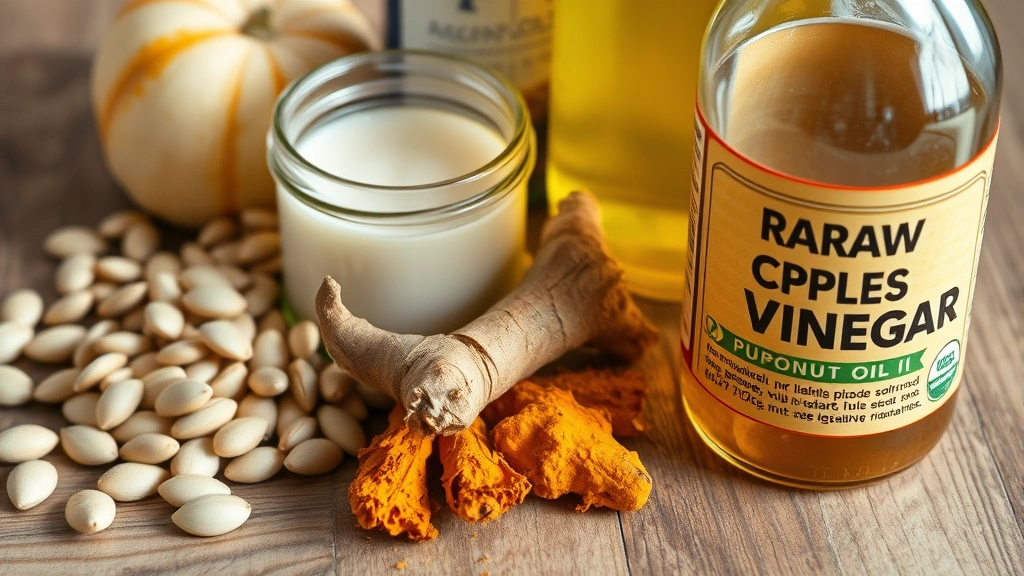
It’s worth noting that apple cider vinegar should complement, not replace, proven parasite prevention methods. Think of it as part of building your dog’s overall resilience rather than a standalone solution.
Garlic and Turmeric: Powerful Anti-Inflammatory Allies
Both garlic and turmeric have been studied for their antimicrobial and anti-inflammatory properties. Turmeric, in particular, contains curcumin, a compound with well-documented anti-parasitic potential. These herbs can support your dog’s immune system and help reduce inflammation caused by parasite infestations.
However, garlic requires caution—while small amounts are generally considered safe for dogs, large quantities can be toxic. If you’re considering garlic for your dog, it’s essential to discuss appropriate amounts with your veterinarian first. Turmeric, on the other hand, is safer and can be added to food in small amounts (typically ¼ teaspoon per 10 pounds of body weight, a few times weekly).
Many pet owners find that combining turmeric with a small amount of black pepper enhances its absorption, making it more effective. These herbs work best when part of a broader nutritional and preventative strategy.
Probiotics: Supporting Gut Health During Parasite Treatment
Parasitic infections damage the gut lining and disrupt your dog’s beneficial bacteria. Probiotics—live beneficial microorganisms—help restore this delicate balance and support your dog’s digestive and immune health. This is why many veterinarians recommend probiotics during and after parasite treatment, whether using conventional or natural approaches.
Quality matters significantly when choosing probiotics for your dog. Look for products specifically formulated for pets, with multiple strains of beneficial bacteria and a high CFU (colony-forming unit) count. Probiotics work best when given consistently over several weeks.
The beauty of probiotics is that they support your dog’s overall wellness while addressing the aftermath of parasitic infection. A stronger gut means a stronger immune system, which helps prevent future infestations.
Neem Oil: Traditional Remedy with Modern Support
Neem oil, derived from the neem tree, has been used in traditional medicine for thousands of years. It contains compounds with insecticidal and anti-parasitic properties, making it popular for both flea and tick prevention. When diluted properly, neem oil can be applied topically to your dog’s skin and coat.
The key is proper dilution—neem oil is potent and must never be used full-strength on your dog. Always follow product instructions carefully and test on a small area first to check for sensitivity. Some dogs may experience mild irritation, so observation during the first application is important.
Neem oil works best as a preventative or complementary treatment rather than a standalone solution for active infestations. Many pet owners use it during warmer months when parasite pressure is highest.
Creating a Comprehensive Natural Parasite Prevention Plan
The most effective approach to dog parasites natural remedies isn’t relying on any single solution. Instead, it’s combining multiple strategies into a comprehensive plan that addresses prevention, treatment, and recovery. This might include dietary supplements, topical applications, environmental management, and regular veterinary oversight.
Start by ensuring your dog’s nutrition is optimized—a strong immune system is your dog’s first line of defense against parasites. Include whole foods rich in omega-3 fatty acids, antioxidants, and essential nutrients. Regular grooming helps you catch parasites early, and maintaining a clean living environment reduces parasite burden.
Most importantly, work with your veterinarian to develop a plan tailored to your dog’s specific situation, age, and health status. Natural remedies work best when integrated into a professional care strategy.

When to Seek Veterinary Help
While natural remedies can be valuable tools, some situations require immediate professional attention. If your dog is experiencing severe itching, hair loss, lethargy, vomiting, diarrhea, or signs of anemia, these warrant a veterinary evaluation. Puppies, senior dogs, and dogs with existing health conditions need professional guidance before starting any natural remedy regimen.
If you’re unsure whether your pet needs urgent care, a quick telehealth check-in can give you peace of mind—no appointment needed. 24-hour vet advice online services like The Pet Vet make it easy to get professional guidance without leaving home.
Catching parasite issues early and getting professional input ensures your dog receives the most effective treatment possible. You’re not alone in this—veterinary professionals are here to support you.
Frequently Asked Questions
Are natural remedies enough to completely eliminate parasites?
Natural remedies can be effective components of parasite management, but they work best alongside professional veterinary care. Some parasitic infections require prescription treatments to fully resolve, especially severe cases.
How long does it take to see results from natural parasite remedies?
Results vary depending on the remedy and the severity of infestation. Most natural approaches require 4-8 weeks of consistent use to show noticeable improvement. Patience and consistency are key.
Can I use natural remedies for parasite prevention in healthy dogs?
Yes, many natural remedies are excellent for prevention in healthy adult dogs. However, always consult your vet before starting any new supplement or remedy, especially for puppies or dogs with health conditions.
Are essential oils safe for dogs with parasites?
Many essential oils can be toxic to dogs and should be avoided or used only under veterinary supervision. Always dilute properly and never apply concentrated oils directly to your dog’s skin.
Should I stop conventional parasite treatment to use natural remedies instead?
No. If your vet has prescribed conventional parasite treatment, follow their guidance. Natural remedies can complement prescribed treatments but should not replace them without veterinary approval.
What To Do Now
- Schedule a veterinary consultation: Before starting any natural remedy regimen, ask a veterinarian question online to ensure the approach is safe for your specific dog’s age, health status, and current condition.
- Get a parasite diagnosis: Confirm what type of parasite your dog may have through fecal testing or skin examination. This helps you choose the most appropriate natural remedies.
- Start with one remedy at a time: Introduce natural remedies gradually, one at a time, to monitor for any adverse reactions or sensitivities.
- Maintain consistent application: Whether using supplements, topical treatments, or dietary additions, consistency over 4-8 weeks is essential for seeing results.
- Combine prevention strategies: Use regular grooming, environmental cleaning, and nutritional support alongside natural remedies for maximum effectiveness.
Summary: Your Dog’s Path to Parasite Freedom
Dog parasites natural remedies offer pet owners effective, gentle tools to support their dog’s health during parasite treatment and prevention. From diatomaceous earth and coconut oil to probiotics and turmeric, these natural approaches work best when combined into a comprehensive strategy and overseen by a veterinary professional.
The key to success is understanding that natural remedies complement rather than replace professional veterinary care. By combining evidence-based natural solutions with expert guidance, you’re giving your dog the best chance at recovery and long-term parasite prevention. Remember, catching parasite issues early and addressing them with both natural and professional support puts you in the strongest position to help your furry friend thrive.
Your dog’s health is worth the investment of time and attention. With patience, consistency, and professional partnership, you can successfully manage parasites and support your dog’s overall wellness for years to come.
For additional concerns about your dog’s health, explore resources on online vet for dog not eating or dog skin allergies in senior pets to address related issues. And remember, understanding what’s safe is crucial—learn more about foods that are poisonous to dogs to keep your pup protected.