
When your dog suddenly starts scratching, vomiting, or acting lethargic, dog parasites sudden onset might be the culprit—and it’s more common than you’d think. Parasitic infections can develop quickly, sometimes appearing to come out of nowhere, leaving worried pet owners scrambling for answers.
Table of Contents
- Understanding Sudden Parasite Infections in Dogs
- Common Signs of Sudden Parasite Onset
- Why Does Sudden Onset Happen?
- Fleas, Ticks, and Worms: Which One Is It?
- The Role of Prevention in Managing Sudden Parasites
- Treatment Approaches for Sudden Parasite Infections
- Managing Symptoms While Treatment Works
- When to Seek Urgent Veterinary Care
- Prevention: Your Long-Term Defense Strategy
- Understanding Recovery Timelines
- The Connection Between Parasites and Other Health Issues
- Frequently Asked Questions
- What To Do Now
- Summary: Taking Control of Sudden Parasite Infections
This article is for informational purposes only and is not a substitute for professional veterinary advice. Always consult a licensed veterinarian for diagnosis and treatment.
The good news? Catching parasites early puts you in a great position to help your dog recover quickly. Whether your pup picked up fleas, ticks, worms, or mites, understanding what’s happening and how to respond can make all the difference. Let’s walk through the signs, causes, and what actually works.
Understanding Sudden Parasite Infections in Dogs
Parasites don’t always announce themselves with a slow build-up. Sometimes they arrive suddenly, especially during warmer months or if your dog has been in high-risk environments. A single encounter with contaminated soil, another animal, or even a wildlife visitor to your yard can trigger an infection that becomes noticeable within days.
The reason for this sudden appearance is that parasites multiply rapidly once they establish themselves. What starts as a handful of fleas or a few roundworms can balloon into a full-blown infestation in just one to two weeks. This is why you might wake up one morning and notice your dog is itching constantly or has diarrhea that wasn’t there yesterday.
Understanding the timeline helps you act fast. The sooner you identify the problem, the sooner treatment can begin.
Common Signs of Sudden Parasite Onset
Your dog’s behavior and physical condition can tell you a lot. Watch for these red flags that may indicate a parasitic infection:
- Excessive scratching, biting, or licking – especially around the ears, tail, or belly
- Hair loss or patchy bald spots – often circular or irregular in shape
- Red, inflamed, or bumpy skin – sometimes with small scabs or crusting
- Diarrhea or loose stools – possibly with visible worms or blood
- Vomiting – occurring suddenly or repeatedly
- Lethargy and loss of appetite – your dog seems tired and disinterested in food
- Visible parasites – you might actually see fleas, ticks, or worms on your dog or in their stool
- Scooting – dragging their rear end across the floor
If you’re noticing any combination of these symptoms, your dog may be experiencing a parasitic infection. Catching this early means faster relief for your pup.
Why Does Sudden Onset Happen?
Several factors can trigger a rapid parasite infection. Environmental exposure is the most common culprit—your dog walks through grass where infected wildlife has been, plays at a park where other animals frequent, or even brings parasites inside on their paws. During spring and summer, the risk skyrockets because parasites thrive in warm, humid conditions.
Stress, a weakened immune system, or recent travel can also make your dog more susceptible. If your pup has been through a major life change—boarding, moving, or illness—they may be more vulnerable to picking up parasites. Additionally, if your dog isn’t on year-round parasite prevention, they’re at higher risk during peak seasons.
Even indoor dogs can get parasites. Fleas and mites can hitch a ride on your clothing or shoes, while intestinal worms can come from contaminated food or water. No dog is completely immune to the possibility.
Fleas, Ticks, and Worms: Which One Is It?
Different parasites cause different symptoms, and identifying which one you’re dealing with helps guide treatment. Fleas are the most common external parasite and cause intense itching, hair loss, and visible tiny black specks (flea dirt) on your dog’s skin. You might even see the fleas themselves jumping around.
Ticks attach to your dog’s skin and can be felt as small bumps. They’re particularly dangerous because they transmit diseases like Lyme disease and Ehrlichiosis. You might notice your dog scratching at a specific spot or limping.
Internal parasites like roundworms, hookworms, and tapeworms affect the digestive system. Signs include diarrhea, vomiting, weight loss, and sometimes visible worms in stool or around the rear end. These infections can develop rapidly, especially in puppies.
Mites cause mange and lead to severe itching, hair loss, and crusty or scaly skin. Sarcoptic mange is highly contagious and can spread quickly through a household.
Your veterinarian can identify the specific parasite through a physical exam, skin scraping, or stool analysis, which is why professional diagnosis is so important.
The Role of Prevention in Managing Sudden Parasites
Once your dog has experienced a sudden parasite infection, prevention becomes your best friend. Year-round parasite prevention—through topical treatments, oral medications, or collars—can dramatically reduce the risk of future infections. These preventatives work by killing parasites before they establish themselves or multiply.
Many pet owners assume they only need prevention during warm months, but parasites can survive indoors year-round. A consistent prevention schedule keeps your dog protected no matter the season. If you’re unsure whether your current prevention plan is right for your dog, consulting with a vet online can help you find the best option.
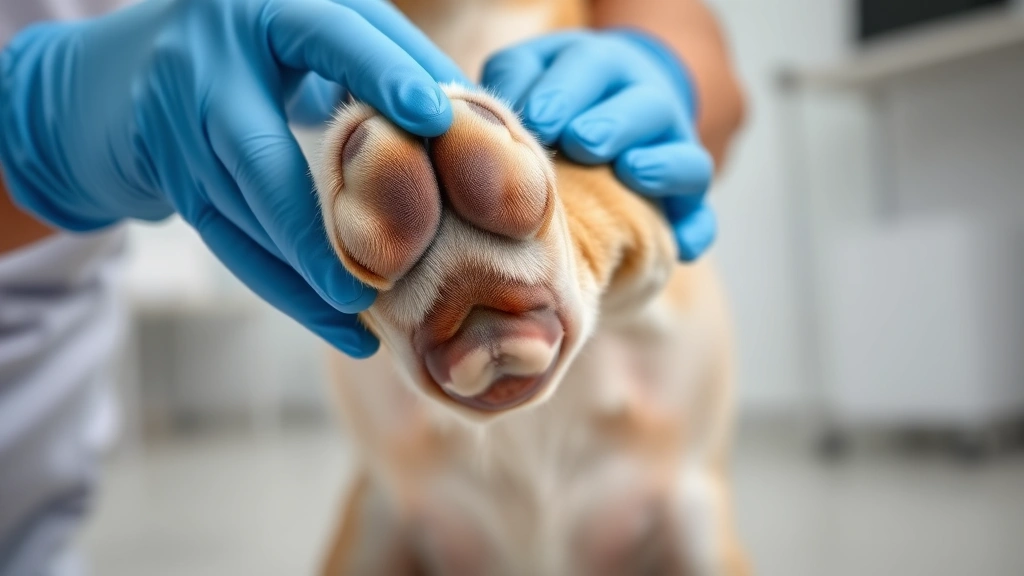
Regular grooming and checking for parasites also helps catch infestations early. A quick daily inspection of your dog’s skin and coat can reveal fleas, ticks, or signs of mites before they become severe.
Treatment Approaches for Sudden Parasite Infections
Treatment depends on the type of parasite and the severity of the infection. Here are the main approaches your veterinarian may recommend:
1. Topical Treatments – Applied directly to your dog’s skin, these kill fleas, ticks, and mites on contact. They’re absorbed into the skin and provide ongoing protection.
2. Oral Medications – Tablets or chewables that work systemically to eliminate parasites from the inside out. These are especially effective for internal parasites and some external ones.
3. Injectable Treatments – For severe infestations or certain parasite types, your vet may recommend an injection that provides rapid relief and protection.
4. Environmental Treatment – Treating your home and yard is crucial because parasites can live in carpets, bedding, and soil. Your veterinarian can recommend safe options for your household.
5. Medicated Baths or Dips – For mange and severe skin infections, medicated bathing can provide relief and help eliminate parasites.
6. Supportive Care – If your dog is experiencing severe symptoms like vomiting or diarrhea, your vet may recommend fluids, anti-nausea medication, or dietary adjustments to help them recover.
7. Follow-up Treatments – Some parasites require multiple doses spaced over weeks to ensure complete elimination. Your vet will provide a timeline for follow-up care.
The specific treatment plan will be tailored to your dog’s age, weight, health status, and the parasite type. Your veterinarian will discuss options and what to expect during treatment.
Managing Symptoms While Treatment Works
While treatment takes effect, you can help your dog feel more comfortable. Keep their bedding clean and wash it frequently in hot water. Bathe them with a gentle, soothing shampoo (ask your vet which one) to relieve itching and remove parasites. Trim their nails to prevent infection from excessive scratching.
Make sure your dog stays hydrated and eats a balanced diet to support their immune system during recovery. If your dog is experiencing gastrointestinal issues from internal parasites, your vet may recommend a bland diet temporarily.
Keep your dog separated from other pets during treatment to prevent cross-contamination. Wash your hands after handling your dog, and avoid touching your face, especially if you’ve been petting affected areas.
When to Seek Urgent Veterinary Care
Most parasite infections can be managed with standard treatment, but some situations require urgent attention. Seek immediate veterinary care if your dog is experiencing severe vomiting or diarrhea with signs of dehydration, bloody stools, signs of shock or collapse, or severe allergic reactions to parasites (like excessive swelling or difficulty breathing).
If your dog is a puppy, senior, pregnant, or has existing health conditions, they may need faster or more aggressive treatment. Don’t wait to see if symptoms improve on their own—parasites can cause serious complications if left untreated.
If you are unsure whether your pet needs urgent care, a quick telehealth check-in with The Pet Vet can give you peace of mind—no appointment needed. Our vets can assess your dog’s symptoms and advise whether in-person care is necessary.
Prevention: Your Long-Term Defense Strategy
After treating a sudden parasite infection, prevention is your best investment. Consistent year-round parasite prevention is far easier and less expensive than treating an active infection. Work with your veterinarian to choose the right prevention method for your dog based on their lifestyle, age, and health status.

Beyond medication, practice good hygiene: pick up poop from your yard promptly, avoid areas with high wildlife activity, and keep your home clean. Regular grooming and skin checks help you catch any new parasites before they multiply. If your dog spends time outdoors or around other animals, prevention is non-negotiable.
Some pet owners worry about over-treating with parasite prevention, but modern preventatives are designed for year-round safety. Your vet can address any concerns about specific products or ingredients.
Understanding Recovery Timelines
Recovery from a parasite infection doesn’t happen overnight, but it’s usually faster than you might expect. Most dogs show improvement within days of starting treatment, with symptoms like itching and diarrhea subsiding first. Hair regrowth and complete skin healing can take several weeks to months, depending on the severity of the infection.
For internal parasites, you might notice improved appetite and energy within a week. Stool should normalize within a few days to a week. Follow your vet’s instructions for any repeat treatments or follow-up appointments—these are essential to ensure the infection is completely cleared.
Your dog’s behavior will often tell you when they’re feeling better. You’ll notice less scratching, more playfulness, and a return to their normal eating habits. This improvement is a sign that treatment is working.
The Connection Between Parasites and Other Health Issues
Parasites don’t exist in isolation. A severe infestation can weaken your dog’s immune system and make them more susceptible to other infections. Additionally, parasites can trigger or worsen allergies—some dogs develop skin allergies as a reaction to parasite bites or saliva.
If your dog has a history of allergies, they may be more prone to severe parasite reactions. Conversely, treating the parasites often helps resolve secondary skin issues. If you’re dealing with both parasites and allergies, your vet can address both simultaneously.
It’s also worth noting that certain environmental toxins, like pesticide poisoning in dogs, can cause symptoms similar to parasites. Your vet will rule out other causes during diagnosis.
Frequently Asked Questions
How quickly can parasites infect my dog?
Parasites can establish themselves within hours to days of exposure. Fleas, for example, can multiply rapidly once on your dog’s skin, causing visible symptoms within one to two weeks.
Can my dog get parasites even if they’re indoors?
Yes. Fleas and mites can come inside on your clothing or shoes, and intestinal worms can be ingested through contaminated food or water. Indoor dogs still need year-round parasite prevention.
Is parasite treatment safe for puppies and senior dogs?
Treatment options vary by age and health status. Always inform your vet of your dog’s age and any existing health conditions so they can recommend the safest approach.
How long does parasite treatment take to work?
Most treatments begin working within 24-48 hours, with noticeable symptom improvement within a few days. Complete elimination may take weeks, especially for internal parasites.
Can I catch parasites from my dog?
Most dog parasites are species-specific and won’t infect humans. However, some parasites like certain roundworms can occasionally affect people, so good hygiene is important during treatment.
What To Do Now
- Schedule a veterinary appointment – Whether in-person or through telehealth, get your dog evaluated as soon as possible. Bring a stool sample if you suspect internal parasites.
- Document your dog’s symptoms – Note when symptoms started, what you’ve observed, and any recent changes in environment or behavior. This helps your vet make an accurate diagnosis.
- Start environmental cleaning – Wash your dog’s bedding, toys, and any areas they frequent in hot water. Vacuum thoroughly and consider treating your yard if parasites are present.
- Implement parasite prevention – Ask your vet about year-round prevention options that fit your dog’s lifestyle and health profile.
- Monitor recovery closely – Keep track of symptom improvement and attend all follow-up appointments. Report any concerns or lack of improvement to your vet immediately.
Summary: Taking Control of Sudden Parasite Infections
Dog parasites sudden onset can feel alarming, but they’re highly treatable when caught early. Whether your dog is dealing with fleas, ticks, worms, or mites, the key is swift identification and appropriate treatment. Most infections resolve quickly with professional veterinary care and supportive home management.
The best approach combines immediate treatment with long-term prevention. By staying vigilant, keeping up with preventative care, and knowing the signs to watch for, you can protect your dog from future parasite problems. Remember, your veterinarian is your partner in this—don’t hesitate to reach out with questions or concerns, especially if symptoms don’t improve as expected.
Your dog is counting on you, and with the right approach, they’ll bounce back to their happy, healthy self in no time.