
When your dog starts coughing, wheezing, or struggling to breathe, it’s natural to feel worried—and finding the right dog respiratory infection best diet is one of the most practical ways you can support their recovery at home.
Table of Contents
- Understanding How Diet Supports Respiratory Recovery
- Food #1: Bone Broth—The Immune-Boosting Powerhouse
- Food #2: Lean Chicken—Protein Without the Heavy Lifting
- Food #3: Sweet Potatoes—Nutrient-Dense and Anti-Inflammatory
- Food #4: Pumpkin—Digestive Support and Immune Boosting
- Food #5: Salmon and Fish Oil—Omega-3 Anti-Inflammatory Action
- Food #6: Eggs—Complete Protein and Choline for Recovery
- Food #7: Carrots and Green Beans—Crunchy Immune Support
- Structuring the Recovery Feeding Schedule
- Foods to Avoid During Respiratory Recovery
- When to Seek Telehealth Support
- Supporting Hydration During Recovery
- Frequently Asked Questions
- What To Do Now
- Summary: Supporting Your Dog’s Respiratory Recovery Through Nutrition
This article is for informational purposes only and is not a substitute for professional veterinary advice. Always consult a licensed veterinarian for diagnosis and treatment.
A respiratory infection can leave your pup feeling weak, congested, and uninterested in food. But the foods you choose during recovery matter more than you might think. Proper nutrition strengthens their immune system, reduces inflammation in the airways, and gives their body the fuel it needs to fight off infection.
Let’s explore the seven foods that veterinarians recommend most often, plus practical feeding strategies to help your dog bounce back.
Understanding How Diet Supports Respiratory Recovery
Your dog’s respiratory system is under stress when fighting an infection. Their body is working overtime to clear mucus, reduce swelling, and rebuild damaged tissue. This is exactly when nutrition becomes a healing tool, not just sustenance.
A well-designed diet during recovery can boost white blood cell production, reduce airway inflammation, and provide easily digestible calories when your dog’s appetite is low. The best foods are those that are gentle on the stomach while delivering immune-boosting nutrients.
Before introducing any new foods, check with your veterinarian about what’s safe for your specific dog’s condition. Some infections require dietary modifications beyond what home feeding can provide.
Food #1: Bone Broth—The Immune-Boosting Powerhouse
Bone broth is one of the most recommended foods for dogs recovering from respiratory infections. It’s rich in collagen, amino acids, and minerals that support immune function and reduce inflammation in the respiratory tract.
The warm, soothing nature of broth also encourages hydration—critical when your dog is congested. Many dogs who won’t eat solid food will happily lap up warm bone broth, making it an excellent way to maintain calorie intake.
To use bone broth safely, ensure it’s made without onion, garlic, or excessive salt. You can pour it over their regular food or offer it as a standalone meal. Start with small amounts to avoid digestive upset.
Food #2: Lean Chicken—Protein Without the Heavy Lifting
Chicken is a go-to protein for dogs with respiratory infections because it’s highly digestible and packed with B vitamins that support energy production. When your dog is fighting infection, they need quality protein to repair tissue and maintain muscle mass.
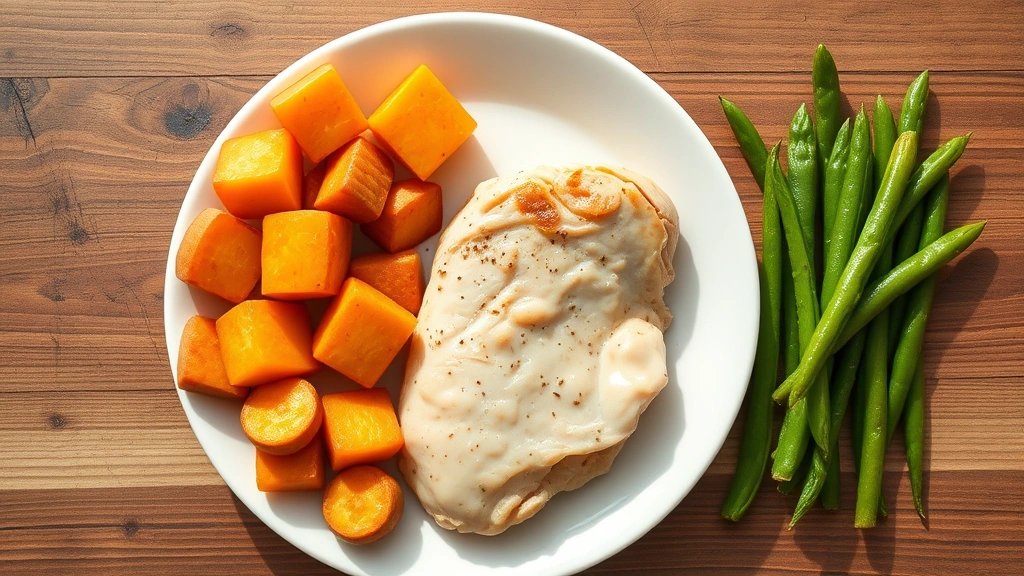
Boiled or steamed chicken breast is ideal—no seasoning, no skin, no bones. Cook it plain and shred it into small pieces for easy eating. Many dogs find soft, warm chicken more appealing than cold kibble when they’re feeling under the weather.
Catching this early and supporting their nutrition puts you in a great position to help them recover faster. Mix shredded chicken with their regular food or offer it as a meal replacement for a few days.
Food #3: Sweet Potatoes—Nutrient-Dense and Anti-Inflammatory
Sweet potatoes are nutritional powerhouses for respiratory recovery. They’re loaded with beta-carotene (a precursor to vitamin A), which is essential for maintaining healthy mucous membranes in the respiratory tract.
The natural sweetness and soft texture make them appealing to dogs with reduced appetite. Boil or steam them until soft, then mash or cut into small pieces. They’re also gentle on the digestive system, which matters when your dog’s whole body is stressed.
Sweet potatoes contain compounds that may help reduce inflammation—exactly what congested airways need. Offer small portions mixed with their regular food, or as a standalone treat.
Food #4: Pumpkin—Digestive Support and Immune Boosting
Plain pumpkin (not pie filling) is a trusted ally during respiratory recovery. It’s high in fiber, vitamins A and C, and antioxidants that support both immune function and digestive health.
When dogs are stressed or infected, their digestion often suffers. Pumpkin helps regulate their system while providing nutrients that strengthen their respiratory defenses. A spoonful mixed into their meal can make a significant difference.
Use canned or fresh pumpkin—just verify there’s no added sugar or spices. Start with a teaspoon for small dogs, a tablespoon for larger breeds, and adjust based on their response.
Food #5: Salmon and Fish Oil—Omega-3 Anti-Inflammatory Action
Salmon is rich in omega-3 fatty acids, which have well-documented anti-inflammatory effects. For a dog with respiratory inflammation, these healthy fats can help reduce swelling in the airways and support immune cell function.
If your dog tolerates fish, cooked salmon (without seasoning) is an excellent addition to their recovery diet. Even small amounts can provide meaningful anti-inflammatory benefits. Some owners also add a small amount of fish oil supplement, but always check with your vet first on appropriate dosing.
The omega-3s in salmon also support overall immune health, helping your dog’s body mount a stronger defense against infection.
Food #6: Eggs—Complete Protein and Choline for Recovery
Eggs are one of the most complete protein sources available, containing all essential amino acids your dog needs for tissue repair. They’re also rich in choline, which supports respiratory and neurological health.
Cooked eggs (scrambled, boiled, or poached with no seasoning) are gentle on the stomach and highly digestible. Many dogs find them more appealing than plain chicken when their appetite is low.
Eggs are particularly helpful during the mid-recovery phase when your dog is starting to feel better but still needs nutritional support. Offer one or two eggs per day depending on your dog’s size.
Food #7: Carrots and Green Beans—Crunchy Immune Support
Raw or lightly steamed carrots and green beans provide vitamin C, fiber, and natural compounds that support immune function. The crunchiness can also help clear nasal passages if your dog is congested.
These vegetables are low in calories but high in nutrients, making them perfect for dogs who need to eat more frequently but shouldn’t gain excess weight during recovery. They’re also naturally soothing for a sore throat.
Offer them cooked and cut into small pieces for easier eating, or raw if your dog enjoys crunching. Both forms provide immune-boosting benefits.
Structuring the Recovery Feeding Schedule
During respiratory infection recovery, meal frequency matters as much as food choice. Rather than one or two large meals, offer smaller portions four to six times daily. This approach keeps energy steady and prevents overwhelming a compromised digestive system.
Start by mixing 25% of the new foods with 75% of their regular diet, then gradually shift the ratio over five to seven days. This slow transition prevents digestive upset while allowing their system to adapt.
Monitor your dog’s appetite, energy level, and stool consistency. If they’re eating well and their digestion is stable, you’re on the right track. If they seem nauseous or constipated, scale back the changes and consult your vet.
Foods to Avoid During Respiratory Recovery
While certain foods heal, others can actually slow recovery. Avoid anything high in fat, as it can increase inflammation. Skip dairy products, which may increase mucus production—the last thing a congested dog needs.
Avoid any food with added salt, sugar, or artificial ingredients. Also steer clear of common allergens like corn, soy, and wheat if your dog has a sensitive digestive system. These can trigger inflammation that complicates respiratory recovery.

Processed treats, table scraps, and anything spicy should be completely off the menu during this period. Keep the diet simple, whole-food focused, and gentle.
When to Seek Telehealth Support
If you’re unsure whether your pet needs urgent care or which foods are safest for your dog’s specific condition, a quick telehealth check-in can give you peace of mind—no appointment needed. The Pet Vet’s veterinarians can review your dog’s symptoms and help you design a feeding plan tailored to their needs.
Reach out right away if your dog shows signs of worsening respiratory distress, refuses food for more than 24 hours, or develops new symptoms like fever or lethargy. Early intervention makes a real difference in recovery outcomes.
Supporting Hydration During Recovery
Nutrition is only half the equation—hydration is equally critical. Dogs fighting respiratory infections often become dehydrated, which thickens mucus and makes congestion worse.
Offer water frequently throughout the day. If your dog isn’t drinking enough, add water to their food or offer the bone broth mentioned earlier. Some dogs respond better to water at room temperature rather than cold.
Watch for signs of dehydration like dry gums, lethargy, or dark urine. If you notice these, contact your veterinarian immediately.
Frequently Asked Questions
How long should I keep my dog on a special recovery diet?
Most respiratory infections improve within 7-14 days with proper care. Continue the specialized diet for the full recovery period and at least 3-5 days after symptoms improve. Your vet can advise when to transition back to regular food.
Can I use commercial dog food during respiratory recovery?
Yes, but choose a high-quality, limited-ingredient diet without fillers. Mix in the fresh foods mentioned above for added immune support. Avoid low-quality kibble that may contain inflammatory ingredients.
What if my dog won’t eat during infection?
Loss of appetite is common with respiratory infections. Try warming food slightly, offering bone broth, or feeding smaller portions more frequently. If your dog refuses food for more than 24 hours, contact your veterinarian.
Are supplements necessary during respiratory recovery?
Whole foods provide most nutrients your dog needs. However, your vet may recommend probiotics (like those discussed in our guide to Fortiflora and probiotic alternatives) or vitamin C. Always check with your vet before adding supplements.
Can diet alone cure a respiratory infection?
Diet supports recovery but cannot replace veterinary treatment. Your dog likely needs medical care—antibiotics for bacterial infections or supportive care for viral ones. Diet is a powerful complement to, not a replacement for, professional veterinary medicine.
What To Do Now
- Schedule a veterinary consultation to confirm your dog’s respiratory infection diagnosis and rule out serious conditions. If you prefer convenience, learn about the causes while you arrange an appointment.
- Start with one or two foods from the list above—bone broth and boiled chicken are safest for most dogs. Introduce them gradually over 5-7 days to avoid digestive upset.
- Establish a feeding schedule of 4-6 small meals daily rather than one or two large ones. This keeps energy stable and reduces digestive stress.
- Monitor your dog’s appetite, energy level, and breathing. Keep a simple log of what they eat and how they respond. Share this with your vet at follow-up appointments.
- Stay in touch with your veterinarian throughout recovery. If symptoms worsen, your dog stops eating, or new signs develop, reach out immediately—don’t wait for a scheduled appointment.
Summary: Supporting Your Dog’s Respiratory Recovery Through Nutrition
The right dog respiratory infection best diet combines whole, nutrient-dense foods that reduce inflammation, boost immunity, and provide easily digestible calories. Bone broth, lean chicken, sweet potatoes, pumpkin, salmon, eggs, and vegetables form a powerful nutritional foundation for recovery.
Remember that diet is one piece of the healing puzzle. Your dog needs veterinary care to treat the underlying infection, proper hydration to clear congestion, and rest to rebuild strength. But the foods you choose during recovery can meaningfully accelerate healing and improve your dog’s comfort.
Your dog’s respiratory infection is temporary, and with proper nutrition plus professional veterinary care, most dogs make a full recovery. You’re already taking the right steps by researching how to support them. Trust your instincts, follow your vet’s guidance, and know that your attentive care is making a real difference.