
If your dog is struggling with a respiratory infection, you’re probably worried about every cough, sneeze, and labored breath. The good news? What you feed your pup during recovery can make a real difference in how quickly they bounce back. Understanding which dog respiratory infection foods to avoid is just as important as knowing what to feed them, because certain foods can actually make symptoms worse or slow healing.
Table of Contents
- Why Diet Matters When Your Dog Has a Respiratory Infection
- Food #1: Dairy Products (Milk, Cheese, Yogurt)
- Food #2: High-Fat Meats and Fatty Treats
- Food #3: Spicy Foods and Heavy Seasonings
- Food #4: Wheat and Grain-Heavy Foods
- Food #5: High-Sugar and Processed Treats
- Food #6: Salty and Processed Foods
- Food #7: Artificial Additives and Food Dyes
- What Should Your Dog Eat During a Respiratory Infection?
- When to Seek Veterinary Help
- Connection to Other Health Issues
- Frequently Asked Questions
- What To Do Now
- Summary: Protecting Your Dog’s Recovery
This article is for informational purposes only and is not a substitute for professional veterinary advice. Always consult a licensed veterinarian for diagnosis and treatment.
Why Diet Matters When Your Dog Has a Respiratory Infection
When your dog’s respiratory system is inflamed or fighting off an infection, their immune system is working overtime. The foods they eat either support that effort or work against it. Some foods can trigger inflammation, irritate the throat and airways, or make congestion worse—exactly what you don’t want when your pup is already struggling to breathe comfortably.
A well-planned diet during this time can reduce airway irritation, support immune function, and help your dog feel more comfortable. Think of food as part of the healing toolkit, not just something to fill their belly.
Food #1: Dairy Products (Milk, Cheese, Yogurt)
This one surprises a lot of pet owners, but dairy can be problematic during respiratory infections. Milk and other dairy products increase mucus production in the body, which is the last thing your dog needs when they’re already dealing with congestion and coughing.
Even though yogurt is often touted as healthy, it can thicken respiratory secretions and make your dog’s symptoms feel worse. Catching this early and removing dairy puts you in a great position to help your pup breathe easier.
- Avoid: cow’s milk, cheese, ice cream, and most yogurts
- Why: Increases mucus production and airway congestion
- Duration: Until your vet confirms your dog has fully recovered
Food #2: High-Fat Meats and Fatty Treats
Fatty foods are harder to digest and can trigger inflammation throughout the body, including in the respiratory tract. When your dog’s immune system is already stretched thin fighting infection, heavy, greasy foods force their digestive system to work harder instead of focusing energy on healing.
Fatty meats like bacon, sausage, and fatty cuts of beef should be removed from the menu temporarily. Your dog may beg, but their lungs will thank you for the restraint.
- Avoid: bacon, sausage, fatty cuts of meat, and greasy table scraps
- Why: Triggers inflammation and taxes the digestive system
- Better option: Lean proteins like chicken breast or turkey
Food #3: Spicy Foods and Heavy Seasonings
Spices like garlic, onion, and chili powder can irritate the respiratory tract and throat. Even if you’re not intentionally feeding your dog spicy food, seasonings hidden in table scraps or commercial treats can cause problems.
Garlic and onions are particularly concerning because they’re toxic to dogs in large amounts and can cause additional airway inflammation. Plain, unseasoned food is your safest bet during recovery.
- Avoid: garlic, onions, chili powder, and heavily spiced foods
- Why: Direct irritation to airways and potential toxicity
- Check: Commercial dog treats for hidden seasonings
Food #4: Wheat and Grain-Heavy Foods
While not toxic, wheat and grains can increase inflammation and mucus production in some dogs, especially those with sensitivities. During a respiratory infection, your dog’s immune system is already on high alert, and inflammatory foods can make that response worse.
Grain-free or limited-ingredient diets are often easier on the system during illness. If your dog typically eats grain-based kibble, consider a temporary switch to something gentler on the respiratory system.
- Avoid: wheat-heavy kibbles and grain-based treats
- Why: Can increase inflammation and mucus production
- Alternative: Sweet potato, rice, or grain-free options
Food #5: High-Sugar and Processed Treats
Sugar feeds inflammation and suppresses immune function—the opposite of what your dog needs right now. Processed treats, candy, and sugary snacks might seem harmless, but they’re working against your pup’s recovery.
Read ingredient labels carefully. Many commercial dog treats hide sugar under names like honey, molasses, or corn syrup. Your dog is counting on you to be their nutrition bodyguard during this vulnerable time.
- Avoid: cookies, candy, sweetened treats, and sugary human foods
- Why: Suppresses immune function and promotes inflammation
- Healthy treat swap: Plain carrots, green beans, or apple slices
Food #6: Salty and Processed Foods
Excess salt can dehydrate your dog and thicken respiratory secretions, making congestion worse. Processed foods like deli meats, canned foods with high sodium, and table scraps from human meals often contain way too much salt for a recovering pup.
During illness, hydration and thin secretions are your friends. Skip the salty stuff and stick to fresh, whole foods prepared without added salt.
- Avoid: deli meats, canned foods with high sodium, salted snacks
- Why: Dehydration and thickened respiratory secretions
- Focus: Fresh foods and plenty of water
Food #7: Artificial Additives and Food Dyes
Artificial colors, flavors, and preservatives can trigger immune responses and inflammation in sensitive dogs. During a respiratory infection, you want to minimize anything that could activate an inflammatory response.
Look for treats and foods with minimal ingredients and no artificial additives. Your dog’s healing process will be smoother with whole, natural foods.
- Avoid: foods with artificial dyes (Red 40, Yellow 5), BHA, BHT, and ethoxyquin
- Why: Can trigger immune responses and inflammation
- Read: Ingredient labels carefully during recovery
What Should Your Dog Eat During a Respiratory Infection?
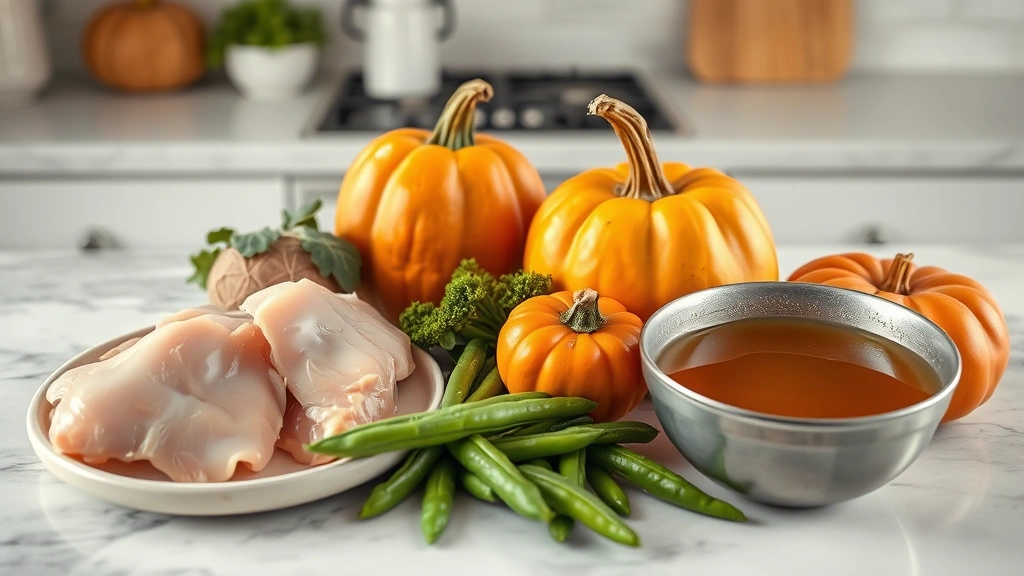
Now that you know what to avoid, let’s talk about the good stuff. Lean proteins, anti-inflammatory foods, and nutrient-dense options support immune function and healing. Chicken breast, turkey, and lean fish are excellent protein sources that won’t trigger inflammation.
Bone broth (unsalted), sweet potato, pumpkin, and leafy greens can all support recovery. Many vets also recommend probiotics to support digestive and immune health during illness. Keep meals smaller and more frequent to avoid overwhelming the digestive system.
Hydration is absolutely critical. Fresh, clean water should be available at all times. Some dogs drink better from a bowl than a dish, so experiment to see what works for yours.
When to Seek Veterinary Help
If your dog’s coughing is severe, they’re having trouble breathing, or symptoms aren’t improving within a few days, it’s time to contact your vet. Respiratory infections can escalate quickly, and early intervention prevents complications.
If you are unsure whether your pet needs urgent care, a quick telehealth check-in with The Pet Vet can give you peace of mind—no appointment needed. Our vets can assess your dog’s symptoms, recommend dietary adjustments, and determine if in-person care is necessary.
Connection to Other Health Issues
Respiratory infections sometimes occur alongside other health concerns. If your dog also has gastrointestinal issues, dietary adjustments need to address both problems. Similarly, if your pup has food allergies, those restrictions apply here too.
Some dogs develop respiratory symptoms after exposure to kennel cough. Learn more about kennel cough in dogs to understand if that might be your situation. Your vet can help you navigate multiple health concerns at once.
Frequently Asked Questions
Can I give my dog chicken broth during a respiratory infection?
Yes, unsalted bone broth is actually beneficial and can help with hydration and immune support. Avoid store-bought broths with added salt or seasonings.
How long should I avoid these foods?
Continue avoiding problematic foods until your vet confirms your dog has fully recovered, typically 1-2 weeks after symptoms resolve. Your vet will give you the all-clear.
Is it safe to give my dog supplements during a respiratory infection?
Some supplements like omega-3s and probiotics may help, but always check with your vet first. They’ll recommend what’s safe alongside any medications your dog might be taking.
What if my dog refuses to eat the recommended foods?
Try warming the food slightly to enhance aroma, or hand-feed small amounts. If your dog continues refusing food, contact your vet—loss of appetite can be a sign of a more serious infection.
Can diet alone cure a respiratory infection?
Diet supports recovery but doesn’t replace veterinary treatment. Your dog may need medication or other interventions, so work with your vet on a complete treatment plan.
What To Do Now
- Review your dog’s current diet: Check all kibble, treats, and table scraps against the 7 foods to avoid. Remove anything problematic immediately.
- Stock up on healing foods: Purchase lean proteins, sweet potato, pumpkin, and bone broth so you’re ready to transition to supportive meals.
- Schedule a vet check: If you haven’t already, contact your veterinarian for a diagnosis and treatment plan. If you’re unsure about severity, a telehealth consultation can help you decide next steps.
- Track symptoms and diet: Keep notes on what you feed your dog and how symptoms respond. This information helps your vet fine-tune the recovery plan.
- Ensure hydration: Set up multiple water bowls around your home and monitor your dog’s water intake daily.
Summary: Protecting Your Dog’s Recovery
Dog respiratory infection foods to avoid are a critical part of your recovery strategy. By eliminating dairy, fatty foods, spices, grains, sugar, salt, and artificial additives, you’re removing obstacles to healing. Instead, focus on lean proteins, anti-inflammatory foods, and plenty of hydration.
Your dog’s respiratory infection didn’t happen because of your care, and with the right nutrition and veterinary support, most dogs recover well. You’re already on the right track by educating yourself about dietary management. Trust your instincts, work closely with your vet, and give your pup the gentle care they need during this challenging time.
Remember: if symptoms worsen or don’t improve, don’t wait. Your dog is depending on you to advocate for their health, and The Pet Vet team is here to help whenever you need guidance.