
If your dog has been coughing, wheezing, or seeming unusually tired, you’re probably wondering about dog respiratory infection recovery time and what comes next. The good news? Most respiratory infections in dogs respond well to treatment, and many dogs bounce back within a few weeks with proper care.
Table of Contents
- Understanding Canine Respiratory Infections
- Typical Recovery Timeline for Dog Respiratory Infections
- Factors That Influence Recovery Speed
- Signs Your Dog Is Recovering Well
- When Recovery Takes Longer Than Expected
- Supporting Your Dog’s Recovery at Home
- The Role of Medications in Recovery
- Natural Remedies and Supportive Care
- Preventing Future Respiratory Infections
- When to Seek Emergency Care
- Understanding Your Dog’s Symptoms Better
- Summary: What You Need to Remember
- Frequently Asked Questions
- What To Do Now
This article is for informational purposes only and is not a substitute for professional veterinary advice. Always consult a licensed veterinarian for diagnosis and treatment.
Understanding Canine Respiratory Infections
Respiratory infections in dogs range from mild to serious, depending on what’s causing them. Your pup might be dealing with a viral infection like kennel cough, a bacterial infection, or even a fungal issue. The culprit matters because it directly affects how long recovery takes.
Think of it this way: a simple viral cough might clear up in 1–3 weeks, while a more stubborn bacterial infection could take 4–6 weeks or longer. Some infections, especially in senior dogs or those with other health conditions, may require extended monitoring.
Typical Recovery Timeline for Dog Respiratory Infections
Most dogs with uncomplicated respiratory infections show improvement within the first week of treatment. You’ll notice your pup coughing less, having more energy, and eating with their usual enthusiasm.
- Week 1–2: Initial improvement, reduced coughing, better appetite
- Week 2–4: Continued recovery, most symptoms fade, energy returns
- Week 4–6: Full recovery for most dogs; lingering cough may persist in some cases
- Beyond 6 weeks: Chronic or complicated cases may need extended treatment
Keep in mind that every dog heals at their own pace. Puppies and young dogs often recover faster than senior dogs, and breed-specific factors can play a role too.
Factors That Influence Recovery Speed
Several things can speed up or slow down your dog’s healing journey. Understanding these factors helps you set realistic expectations and know when to call your vet.
Age matters. Puppies and young adults typically bounce back faster than senior dogs. Older pups may need extra time and gentler care during recovery.
Overall health counts. Dogs with underlying conditions—heart disease, diabetes, or immune system issues—often take longer to recover. If your dog has other health concerns, discuss this with your veterinarian when planning treatment.
The type of infection affects timing. Viral infections often resolve faster than bacterial ones. Fungal infections can be particularly stubborn and may require weeks of consistent treatment.
Treatment compliance is key. Following your vet’s instructions exactly—finishing all medications, keeping rest periods, and attending follow-ups—dramatically speeds recovery. Skipping doses or stopping treatment early can extend the infection and lead to complications.
Signs Your Dog Is Recovering Well
Catching these positive signs keeps you motivated and reassured that your pup is heading in the right direction.
- Coughing decreases in frequency and intensity
- Energy levels improve noticeably
- Appetite returns to normal
- Breathing becomes easier and quieter
- Nasal discharge clears up or decreases
- Sleep patterns normalize
Seeing these improvements is wonderful—it means the infection is loosening its grip on your dog’s system.
When Recovery Takes Longer Than Expected
Sometimes a respiratory infection doesn’t follow the typical timeline. If your dog isn’t improving after 2–3 weeks of treatment, or if symptoms get worse, that’s a sign something needs to change.
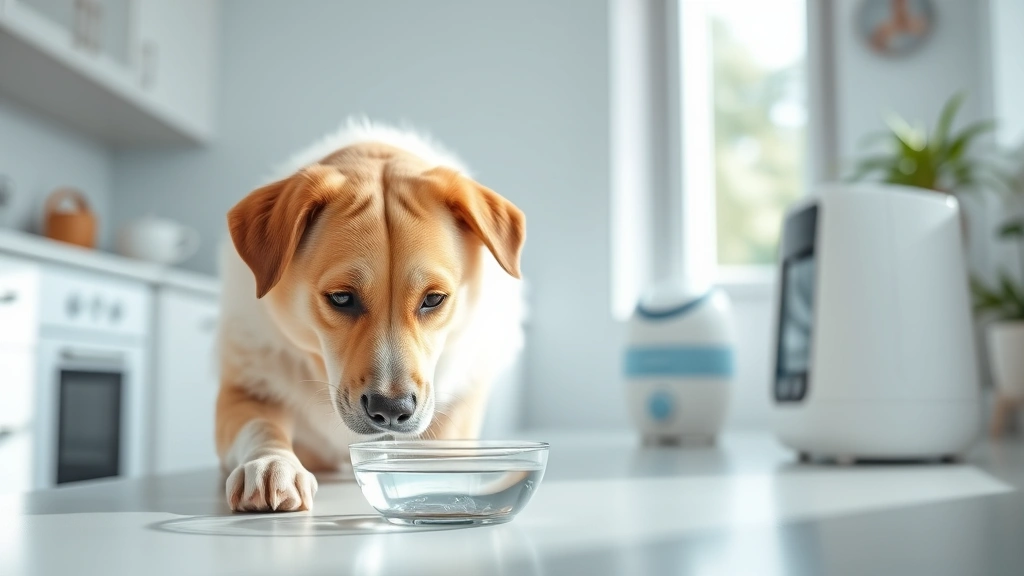
Prolonged recovery can happen for several reasons: the infection might be resistant to the current treatment, your dog could have a secondary infection, or there might be an underlying condition complicating things. This is when a follow-up vet visit becomes essential—not something to worry about, but something to act on promptly.
If you’re unsure whether your pet needs urgent care or a medication adjustment, a quick telehealth check-in can give you peace of mind—no appointment needed.
Supporting Your Dog’s Recovery at Home
Beyond medication, what you do at home makes a real difference in how quickly your dog heals.
Keep the air clean and humid. A humidifier in your dog’s sleeping area helps ease congestion and makes breathing more comfortable. Avoid smoke, strong perfumes, and chemical cleaners during recovery.
Encourage rest. Your dog needs energy to fight the infection, so limit playtime and exercise during the acute phase. Short, gentle walks are fine, but save the zoomies for later.
Provide fresh water constantly. Staying hydrated helps loosen mucus and supports immune function. Make sure water bowls are easily accessible.
Use a harness instead of a collar. Pulling on a collar can irritate an already inflamed throat. A harness distributes pressure more gently and reduces coughing triggers.
Maintain good nutrition. Feed high-quality food that supports immune health. If your dog’s appetite is low, warming their food slightly can make it more appealing. Consult your vet before making major dietary changes during recovery.
The Role of Medications in Recovery
Your veterinarian may recommend various treatments depending on what’s causing the infection. While we won’t detail specific dosages here, understanding the general approach helps you feel confident in the treatment plan.
Antibiotics may be prescribed if a bacterial infection is present. Antivirals could be used for certain viral infections. Cough suppressants and expectorants help manage symptoms and make your dog more comfortable. Some vets recommend supportive care like steam therapy or nebulized medications to help clear airways.
It’s crucial to give all prescribed medications exactly as directed and to complete the full course, even if your dog seems better. Stopping early can allow the infection to return stronger.
Natural Remedies and Supportive Care
Many pet owners ask about dog respiratory infection natural remedies to complement veterinary treatment. While some natural approaches may provide comfort, they should never replace professional medical care.
Honey has antimicrobial properties and may help soothe throat irritation. Certain herbs and supplements are traditionally used to support respiratory health. Always check with your veterinarian before adding supplements, as some can interact with medications or be unsafe for dogs with certain conditions.
Preventing Future Respiratory Infections
Once your dog recovers, you’ll want to prevent this from happening again. Good news: several strategies significantly reduce infection risk.
- Keep vaccinations current. Vaccines like the bordetella vaccine protect against common respiratory pathogens.
- Minimize exposure to sick dogs. Avoid dog parks and boarding facilities when respiratory infections are circulating in your area.
- Maintain a clean environment. Regular cleaning of bedding, toys, and food bowls reduces bacterial and viral spread.
- Support immune health year-round. Proper nutrition, regular exercise, and stress management keep your dog’s immune system strong.
- Monitor for early symptoms. Catching a new infection early—before it progresses—makes treatment faster and easier.
When to Seek Emergency Care
Most respiratory infections are manageable at home with veterinary guidance, but some situations require immediate attention. If your dog shows severe difficulty breathing, blue-tinged gums, collapse, or extreme lethargy, seek emergency care right away. These signs suggest the infection has progressed to a critical stage.
Don’t wait to call if you’re unsure—your vet would rather hear from you and reassure you than have you delay needed care.
Understanding Your Dog’s Symptoms Better
If you’re noticing specific signs that worry you, learning more about dog respiratory infection symptoms can help you communicate clearly with your vet. Detailed descriptions of your dog’s cough, when it happens, and what makes it better or worse all help your veterinarian refine the diagnosis and adjust treatment if needed.
Summary: What You Need to Remember
Dog respiratory infection recovery time typically ranges from 1–6 weeks, depending on the infection type, your dog’s age and health, and how well treatment is followed. Most dogs show noticeable improvement within the first 1–2 weeks and return to normal within 4–6 weeks.
Your role as a pet parent is crucial: give medications as prescribed, provide supportive care at home, watch for signs of improvement, and stay in touch with your vet. If recovery stalls or symptoms worsen, don’t hesitate to reach out for guidance.
Remember, catching respiratory infections early and treating them promptly puts your dog in the best position for a quick, complete recovery. You’re doing a great job advocating for your pup’s health.
Frequently Asked Questions
How long does it typically take for a dog to recover from a respiratory infection?
Most dogs recover within 1–6 weeks, with noticeable improvement in the first 1–2 weeks. Recovery speed depends on infection type, your dog’s age, and treatment compliance.
Can I give my dog over-the-counter cough medicine?
Never give your dog any medication without veterinary approval. Some human medications are toxic to dogs, and improper dosing can cause serious problems. Always check with your vet first.
Should I exercise my dog while they’re recovering from a respiratory infection?
Limit strenuous exercise during the acute phase of infection. Short, gentle walks are fine, but save active play for after recovery is well underway. Your vet can advise when it’s safe to resume normal activity.
What if my dog’s cough isn’t improving after three weeks?
If improvement stalls after 2–3 weeks, contact your veterinarian. The infection may be resistant to current treatment, or there could be a complicating factor. A follow-up exam or telehealth consultation can help identify next steps.
Is kennel cough different from other respiratory infections in terms of recovery time?
Kennel cough is a viral infection that often resolves within 1–3 weeks, though a lingering cough can persist longer. Bacterial respiratory infections typically take 4–6 weeks. Your vet can clarify which type your dog has.
What To Do Now
- Schedule a veterinary exam if you haven’t already. A proper diagnosis is the foundation of effective treatment. If in-person visits are inconvenient, telehealth options can provide quick guidance.
- Follow your vet’s treatment plan exactly. Complete all prescribed medications and attend follow-up appointments, even if your dog seems better.
- Set up a comfortable recovery space at home. Use a humidifier, keep the area clean and quiet, and ensure easy access to fresh water and food.
- Monitor your dog’s symptoms daily. Keep notes on cough frequency, energy levels, and appetite to share with your vet at follow-ups.
- Reach out if you notice no improvement after 2–3 weeks. Early communication about slow recovery prevents complications and keeps your dog on track for faster healing.