
If your dog has developed a dog respiratory infection with sudden onset, you’re probably feeling worried and uncertain about what comes next. One moment your pup seems fine, and the next you’re hearing coughing, wheezing, or labored breathing that wasn’t there before. This sudden change can be scary, but understanding what’s happening and knowing your treatment options puts you in a much stronger position to help your dog feel better.
Table of Contents
- What Causes Sudden Respiratory Infections in Dogs?
- Recognizing Sudden Onset Symptoms
- When to Seek Emergency Care
- Treatment Option 1: Supportive Care at Home
- Treatment Option 2: Veterinary Diagnostics and Examination
- Treatment Option 3: Antibiotics (When Appropriate)
- Treatment Option 4: Cough Management
- Treatment Option 5: Fever and Pain Management
- Treatment Option 6: Nutritional Support
- Treatment Option 7: Monitoring and Follow-Up Care
- Prevention Strategies for Future Protection
- Frequently Asked Questions
- What To Do Now
- Summary: Managing Your Dog’s Respiratory Infection
This article is for informational purposes only and is not a substitute for professional veterinary advice. Always consult a licensed veterinarian for diagnosis and treatment.
What Causes Sudden Respiratory Infections in Dogs?
Respiratory infections in dogs come on quickly because they’re often triggered by viral or bacterial pathogens that spread rapidly through the respiratory tract. Your dog might have been exposed to an infected dog at the park, boarding facility, or even through airborne particles in your home.
The most common culprits include kennel cough (canine infectious tracheobronchitis), pneumonia, and influenza. These conditions can progress from mild symptoms to more serious presentations within hours or days, which is why recognizing sudden onset symptoms matters so much.
Cold weather, stress, poor air quality, or underlying health conditions can all increase your dog’s vulnerability to catching a respiratory infection quickly.
Recognizing Sudden Onset Symptoms
The first sign you’ll usually notice is a persistent cough that seems to appear out of nowhere. This cough might sound dry and hacking, or it could be wet and productive. Some dogs also develop a runny nose, sneezing, or mild fever.
Watch for these additional warning signs:
- Lethargy or unusual tiredness
- Loss of appetite
- Wheezing or difficulty breathing
- Nasal discharge (clear, yellow, or greenish)
- Gagging or retching
- Rapid or shallow breathing
Catching these symptoms early puts you in a great position to prevent the infection from worsening. If you notice any of these signs, document when they started so you can share this timeline with your vet.
When to Seek Emergency Care
Not all respiratory infections require emergency treatment, but some signs absolutely demand immediate attention. If your dog is struggling to breathe, has blue-tinged gums, is collapsing, or seems severely distressed, head to an emergency vet clinic right away.
Learn more about when respiratory issues become critical by reading about dog respiratory infection emergency signs. This knowledge can help you make confident decisions about your dog’s care.
For less urgent situations where you’re unsure whether your pet needs immediate care, a quick telehealth check-in can give you peace of mind—no appointment needed.
Treatment Option 1: Supportive Care at Home
The foundation of treating most respiratory infections is supportive care. This means creating an environment where your dog’s body can fight off the infection naturally while staying comfortable.
Start by ensuring your dog has access to fresh water at all times—staying hydrated helps loosen secretions and supports immune function. Use a humidifier in the room where your dog spends most of their time; moist air can soothe irritated airways and make breathing easier.
Keep your dog in a calm, quiet space away from smoke, strong perfumes, or other respiratory irritants. Rest is crucial during recovery, so limit strenuous play or exercise until symptoms improve.
Treatment Option 2: Veterinary Diagnostics and Examination
Your veterinarian will perform a thorough physical exam, listening to your dog’s lungs with a stethoscope and checking for fever. Depending on what they find, they may recommend additional testing like chest X-rays or bloodwork to determine whether the infection is viral or bacterial.
This diagnostic information is essential because it guides treatment decisions. A viral infection typically requires supportive care, while a bacterial infection may benefit from additional interventions.
If your dog is a young puppy or senior, or has underlying health conditions, your vet may want to be more proactive with treatment. Learn more about respiratory infections in young pets if your puppy is affected.
Treatment Option 3: Antibiotics (When Appropriate)
If your vet suspects or confirms a bacterial infection, they may recommend antibiotics to help your dog’s body clear the infection. The specific antibiotic and duration will depend on the type of bacteria involved and your dog’s individual health profile.
It’s important to complete the full course of antibiotics even if your dog starts feeling better. Stopping early can allow bacteria to rebound and develop resistance.
Your veterinarian will discuss whether antibiotics are appropriate for your dog’s specific situation and will monitor progress during treatment.
Treatment Option 4: Cough Management
A persistent cough can prevent your dog from resting properly, which slows recovery. Your vet may recommend a cough suppressant to help your dog get the rest they need while their body fights the infection.
Some dogs also benefit from medications that help thin mucus secretions, making it easier to clear the airways. These medications can significantly improve comfort during the acute phase of illness.
Never give your dog over-the-counter cough medicine without veterinary approval, as some human formulations can be harmful to pets.
Treatment Option 5: Fever and Pain Management
If your dog has a fever, your vet may recommend pain relief and fever reduction to keep them comfortable. A fever is actually your dog’s immune system working hard to fight infection, but excessive fever can make your dog miserable and slow recovery.
Comfortable dogs rest better, and rest is when healing happens. Your vet will recommend appropriate options based on your dog’s age, weight, and overall health status.
Treatment Option 6: Nutritional Support
During respiratory infection recovery, your dog’s body needs good nutrition to mount an effective immune response. If your dog has lost their appetite, try offering smaller, more frequent meals of highly palatable food.
Warm, soft foods are often more appealing than dry kibble when a dog isn’t feeling well. Bone broth (unsalted) or wet food can entice a reluctant eater while providing hydration and nutrients.
If your dog refuses food for more than 24 hours, contact your vet, as this could indicate the infection is worsening or complications have developed.
Treatment Option 7: Monitoring and Follow-Up Care
Recovery from a respiratory infection doesn’t happen overnight. Most dogs start improving within 3-7 days of treatment, but complete recovery can take 2-3 weeks. Your role during this time is to monitor your dog’s progress closely.
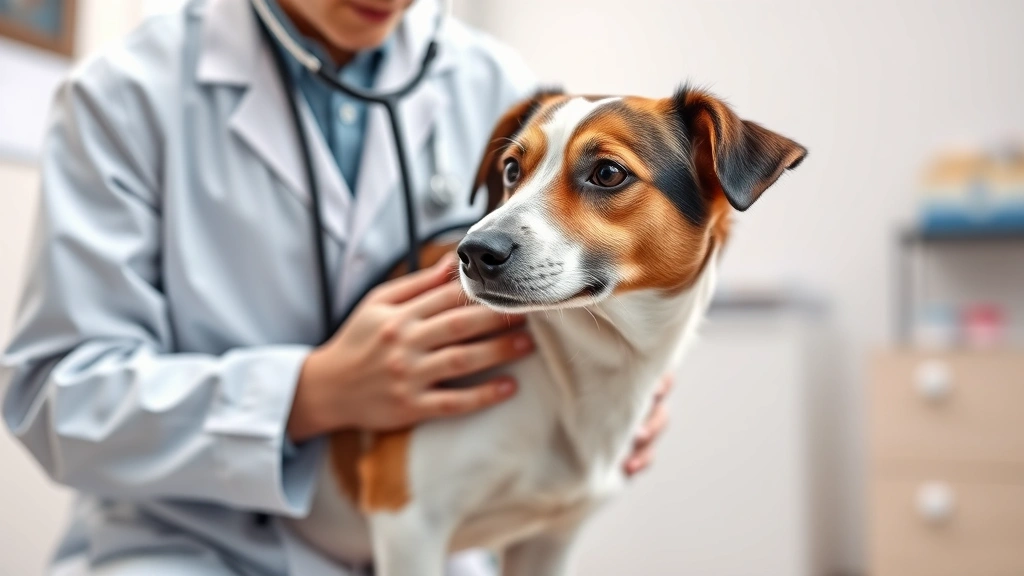
Track your dog’s coughing patterns, appetite, energy level, and breathing. If symptoms worsen or new symptoms develop, contact your vet immediately. Schedule a follow-up appointment about a week into treatment so your vet can assess progress and adjust the treatment plan if needed.
Many respiratory infections resolve completely with proper care, and your dog will return to their normal self. However, some dogs develop chronic coughing or complications, so ongoing monitoring is important.
Prevention Strategies for Future Protection
While you can’t prevent every exposure, certain steps reduce your dog’s risk of catching a respiratory infection. Keep your dog’s vaccinations current—vaccines for kennel cough and canine influenza provide important protection.
Consider limiting exposure to high-risk environments like crowded dog parks or boarding facilities during peak illness seasons. Ensure your home has good air quality and isn’t overly humid or dry.
Maintain your dog’s overall health through regular exercise, good nutrition, and stress management. A healthy immune system is your dog’s best defense against infection.
Frequently Asked Questions
How long does a dog respiratory infection last?
Most dogs show improvement within 3-7 days of treatment, but complete recovery typically takes 2-3 weeks. Severe cases may take longer.
Can I catch my dog’s respiratory infection?
Most canine respiratory infections don’t transmit to humans. However, good hygiene practices like handwashing are always wise.
Is a dog respiratory infection contagious to other dogs?
Yes, many respiratory infections spread between dogs through respiratory droplets. Keep your infected dog separated from other pets during recovery.
What’s the difference between kennel cough and pneumonia?
Kennel cough typically causes a dry, hacking cough and is usually mild. Pneumonia involves lung inflammation and is more serious, often causing fever, lethargy, and difficulty breathing.
Should I exercise my dog during a respiratory infection?
No—rest is essential for recovery. Limit activity to short, gentle potty breaks until your vet gives the all-clear to resume normal exercise.
What To Do Now
- Schedule a veterinary appointment today if you haven’t already. If your vet isn’t available, contact an emergency clinic if your dog shows severe symptoms like difficulty breathing or collapse.
- Document symptoms and timeline. Write down when the cough started, what it sounds like, your dog’s temperature if possible, and any other symptoms you’ve noticed. This information helps your vet make an accurate diagnosis.
- Set up a comfortable recovery space with a humidifier, fresh water, and a quiet area for rest. Keep your dog away from smoke and other respiratory irritants.
- Monitor food and water intake closely. If your dog refuses food or water for more than 24 hours, contact your vet immediately.
- Consider a telehealth consultation if you’re unsure whether your dog needs urgent in-person care. A quick video check-in with a vet can provide peace of mind and guidance on next steps.
Summary: Managing Your Dog’s Respiratory Infection
A dog respiratory infection with sudden onset can feel alarming, but with prompt attention and appropriate treatment, most dogs recover completely. The key is recognizing symptoms early, seeking veterinary care, and providing supportive care while your dog’s body fights the infection.
Treatment approaches range from simple supportive measures like rest and hydration to veterinary interventions like antibiotics or cough suppressants. Your vet will tailor the treatment plan to your dog’s specific situation based on diagnostic findings and overall health.
Throughout recovery, your calm presence and attentive monitoring make a real difference. Stay in close contact with your veterinarian, watch for any worsening symptoms, and don’t hesitate to reach out with questions. Your dog is lucky to have someone who cares enough to seek answers and take action. Recovery is absolutely possible, and most dogs bounce back to their playful, healthy selves with proper care.
Ready to get professional guidance? If you’re unsure about your next steps or want a quick expert opinion, The Pet Vet’s telehealth service connects you with experienced veterinarians without the wait. Get answers today and help your dog feel better faster.