
When your dog starts coughing or wheezing, it’s natural to worry—and knowing when a dog respiratory infection requires veterinary attention can make all the difference in your pet’s recovery. Respiratory infections in dogs range from mild to serious, and catching them early gives your furry friend the best chance at a speedy bounce-back.
Table of Contents
- What Is a Dog Respiratory Infection?
- The 7 Warning Signs Your Dog Needs Veterinary Care
- When to Seek Immediate Veterinary Care
- How a Vet Diagnoses Respiratory Infections
- The Role of Vaccination in Prevention
- Home Care While Awaiting a Vet Appointment
- Understanding Recovery and Timeline
- When Telehealth Can Help
- Key Takeaways: Knowing When Action Is Needed
- Frequently Asked Questions
- What to Do Now
- Final Thoughts
This article is for informational purposes only and is not a substitute for professional veterinary advice. Always consult a licensed veterinarian for diagnosis and treatment.
What Is a Dog Respiratory Infection?
A dog respiratory infection occurs when bacteria, viruses, or other pathogens affect your dog’s airways, lungs, or sinuses. Think of it like a human cold or bronchitis—except dogs can’t tell us exactly what hurts. These infections can develop after exposure to other sick dogs, poor air quality, stress, or a weakened immune system.
Some respiratory infections are mild and resolve on their own, while others need prompt veterinary care. The key is recognizing the warning signs early so you don’t wait too long.
The 7 Warning Signs Your Dog Needs Veterinary Care
1. Persistent Coughing That Lasts More Than a Week
A occasional cough here and there isn’t always cause for alarm, but a cough that sticks around for more than seven days warrants a vet visit. If your dog’s cough sounds dry and hacking (like they’re trying to clear their throat) or wet and productive, both patterns deserve attention.
Pay attention to when the coughing happens—does it get worse at night, during play, or after eating? These details help your vet narrow down the cause.
2. Labored Breathing or Shortness of Breath
If your dog is breathing faster than usual or seems to struggle to catch their breath, this is a red flag. Labored breathing can indicate the infection has moved deeper into the lungs or airways. You might notice your dog’s belly heaving more than normal or their nostrils flaring with each breath.
Catching this early puts you in a great position to help prevent complications. Don’t wait on this one—labored breathing warrants same-day veterinary evaluation.
3. Wheezing or Whistling Sounds When Breathing
Wheezing is that high-pitched, whistling sound that happens when air moves through narrowed airways. It’s often a sign that inflammation is present in the respiratory tract. Some dogs wheeze only at night or during activity, while others wheeze constantly.
This symptom often accompanies a cough and suggests your dog’s airways need professional assessment.
4. Nasal Discharge or Sneezing
Clear nasal discharge is common with upper respiratory infections, but if the discharge becomes thick, colored (yellow or green), or foul-smelling, infection is likely present. Frequent sneezing, especially if it’s sudden and ongoing, also signals an issue.
Some dogs may paw at their nose or shake their head repeatedly when dealing with nasal congestion.
5. Lethargy and Loss of Appetite
When your normally energetic pup suddenly becomes a couch potato and shows no interest in meals, that’s your body’s signal that something systemic is happening. Infections drain energy and can make dogs feel too unwell to eat.
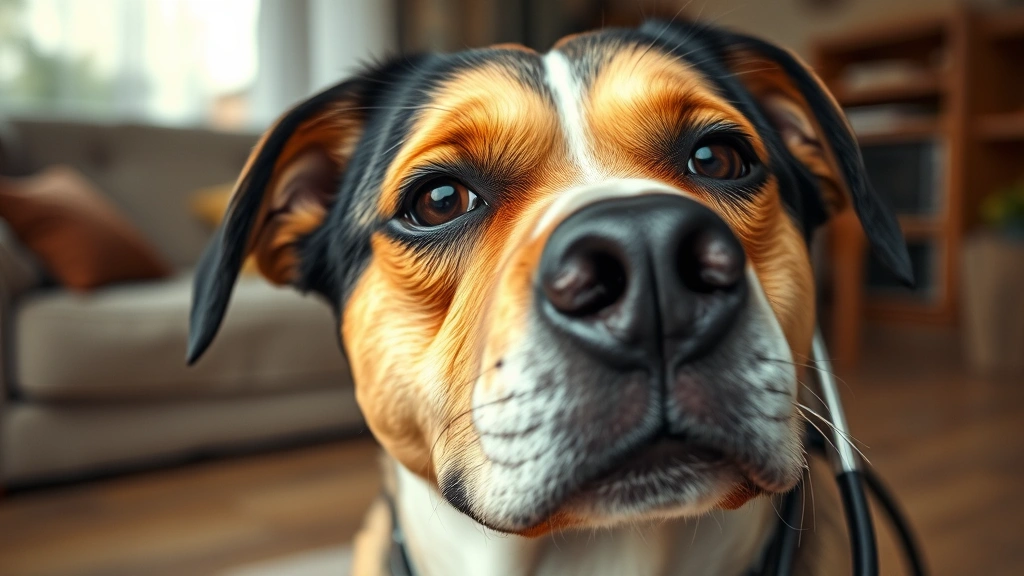
If your dog skips more than one meal or seems unusually tired for more than a day, schedule a vet appointment. This combination often means the infection is affecting their overall health.
6. Fever or Feeling Hot to the Touch
A dog’s normal body temperature is around 101–102.5°F. If your dog feels unusually warm, especially around the ears or nose, they may be running a fever. While you can’t diagnose a fever without a thermometer, a warm-to-the-touch dog combined with other symptoms is worth investigating.
Fever is the body’s way of fighting infection, but a prolonged or high fever needs professional attention.
7. Gagging, Retching, or Difficulty Swallowing
Some dogs with respiratory infections develop a gag reflex or seem to have trouble swallowing. This can happen when infection spreads to the throat or when post-nasal drip irritates the back of the throat. If your dog is drooling more than usual or seems to gag after coughing, that’s worth noting for your vet.
When to Seek Immediate Veterinary Care
Not all respiratory infections are equal. Some situations demand urgent or emergency attention:
- Severe difficulty breathing: If your dog is gasping, can’t catch their breath, or their gums look pale or blue-tinged, go to an emergency vet immediately.
- Collapse or fainting: Loss of consciousness during a coughing fit is a medical emergency.
- Coughing up blood: Any blood in cough or discharge requires immediate evaluation.
- High fever (over 103°F): A very high fever may need emergency treatment.
- Symptoms in puppies, senior dogs, or immunocompromised pets: These groups are more vulnerable and need faster intervention.
How a Vet Diagnoses Respiratory Infections
Your veterinarian will start with a physical exam, listening to your dog’s lungs and airways with a stethoscope. They may ask detailed questions about when symptoms started, any exposure to sick dogs, and your dog’s vaccination history.
Depending on what they hear and your dog’s symptoms, they might recommend chest X-rays, blood work, or a throat culture to identify the specific cause. This helps them determine whether the infection is viral or bacterial, which guides treatment decisions.
The Role of Vaccination in Prevention
Many canine respiratory infections are preventable through vaccines like the bordetella (kennel cough) vaccine. If your dog frequents dog parks, grooming facilities, or boarding situations, staying current on vaccines significantly reduces infection risk.
Talk to your vet about which vaccines make sense for your dog’s lifestyle. Even vaccinated dogs can occasionally catch a respiratory infection, but vaccines usually make the illness milder and shorter.
Home Care While Awaiting a Vet Appointment
If your dog is showing mild symptoms and you’ve scheduled a vet visit, a few supportive measures can help:
- Keep them calm: Rest helps the body fight infection. Limit strenuous play and exercise.
- Ensure good air quality: Avoid smoke, strong odors, and irritants. A humidifier can ease congestion.
- Offer fresh water: Hydration supports immune function and helps loosen secretions.
- Use a harness instead of a collar: This reduces pressure on the throat and trachea during coughing fits.
- Keep them warm: A comfortable, quiet space helps them rest.
For more detailed guidance, check out our article on dog respiratory infection home treatment to complement professional care.
Understanding Recovery and Timeline
Recovery time varies depending on the infection’s cause and severity. Mild viral infections might resolve in 1–2 weeks, while bacterial infections may take longer with appropriate treatment. Some dogs bounce back quickly, while others need extended recovery time.

Your vet will give you a realistic timeline and let you know what to watch for during recovery. For a deeper dive into what to expect, learn more about dog respiratory infection recovery time.
When Telehealth Can Help
If you’re unsure whether your pet needs urgent care, a quick telehealth check-in with a licensed veterinarian can give you peace of mind—no appointment needed. The Pet Vet’s telehealth service lets you describe symptoms, ask questions, and get professional guidance from home. While telehealth can’t replace a physical exam for diagnosis, it’s a helpful first step when you’re uncertain.
Many pet owners find telehealth especially useful for after-hours concerns or when they want a quick second opinion before heading to the clinic.
Key Takeaways: Knowing When Action Is Needed
Your instinct as a pet owner matters. If your dog is showing signs of a respiratory infection and you’re worried, that worry is valid. A cough lasting more than a week, labored breathing, lethargy, or fever are all reasons to contact your vet—whether through a routine appointment or telehealth.
Early intervention often means easier treatment and faster recovery. Don’t second-guess yourself if something feels off.
Frequently Asked Questions
Can I treat my dog’s respiratory infection at home without seeing a vet?
Mild cases might improve with supportive care, but you won’t know if it’s truly mild without professional assessment. Bacterial infections need treatment to prevent complications, so it’s best to get your vet’s input.
Is kennel cough the same as a respiratory infection?
Kennel cough is one type of respiratory infection, usually caused by the bordetella bacteria or parainfluenza virus. Other respiratory infections have different causes and may require different treatment approaches.
How long should I wait before calling the vet about my dog’s cough?
If the cough persists for more than a week, appears suddenly and severely, or is accompanied by other symptoms like fever or lethargy, call your vet right away. Don’t wait if breathing seems labored.
Can my dog catch a respiratory infection from me?
Most canine respiratory infections are species-specific, so human colds typically don’t transfer to dogs. However, dogs can catch infections from other dogs through respiratory droplets.
What’s the difference between an upper and lower respiratory infection?
Upper respiratory infections affect the nose, sinuses, and throat (usually causing sneezing and nasal discharge), while lower respiratory infections affect the lungs and bronchi (usually causing coughing and labored breathing). Both need vet attention if they persist.
What to Do Now
- Monitor your dog’s symptoms: Keep a quick log of when coughing happens, how often, and any other signs you notice. This information helps your vet tremendously.
- Schedule a vet appointment: Call your veterinary clinic today if symptoms have lasted more than a week or are worsening. For urgent concerns, ask about same-day slots or emergency services.
- Try a telehealth consultation: If you’re unsure about the urgency or want guidance before an in-person visit, connect with The Pet Vet for a quick professional assessment.
- Implement supportive care: While waiting for an appointment, keep your dog calm, ensure good air quality, and offer plenty of fresh water.
- Review vaccination status: Ask your vet about respiratory infection vaccines appropriate for your dog’s lifestyle to prevent future infections.
Final Thoughts
A dog respiratory infection can feel scary, but you’re already doing the right thing by seeking information. Recognizing the warning signs—persistent coughing, labored breathing, nasal discharge, lethargy, fever, wheezing, and difficulty swallowing—empowers you to act quickly. Most respiratory infections respond well to timely veterinary care, and many dogs make full recoveries within weeks.
Trust your gut as a pet parent. If something feels wrong, reach out to your vet or try a telehealth consultation. Your dog depends on you to advocate for their health, and catching a respiratory infection early is one of the best ways to do that. You’ve got this, and your furry friend is lucky to have someone so attentive.
For additional resources on respiratory health and other common dog concerns, PetMD’s guide to canine respiratory infections and the American Veterinary Medical Association offer evidence-based information you can trust.