
If your dog is experiencing dog skin allergies after vaccination, you’re not alone—and the good news is that most cases respond well to prompt, thoughtful care. Many pet owners notice itching, redness, or other skin changes in the days or weeks following a vaccine, and it can be scary to see your pup uncomfortable.
Table of Contents
- Understanding Vaccine-Related Skin Reactions
- Common Skin Symptoms After Vaccination
- Why Does Vaccination Trigger Allergic Responses?
- Relief Solution #1: Cool Compresses and Soothing Baths
- Relief Solution #2: Omega-3 Fatty Acids and Anti-Inflammatory Nutrition
- Relief Solution #3: Antihistamines and Veterinary Support
- Relief Solution #4: Topical Soothing Treatments
- Relief Solution #5: Probiotics and Immune-Boosting Supplements
- Relief Solution #6: Environmental Management and Stress Reduction
- Relief Solution #7: Monitoring and When to Escalate Care
- Understanding the Stages of Allergic Reactions
- Long-Term Skin Health After Vaccination
- Discussing Vaccination Options With Your Vet
- Frequently Asked Questions
- What To Do Now
- Summary: Moving Forward With Confidence
This article is for informational purposes only and is not a substitute for professional veterinary advice. Always consult a licensed veterinarian for diagnosis and treatment.
The connection between vaccinations and skin reactions is real, though it’s not as common as many people fear. Understanding what’s happening—and knowing exactly what to do about it—can help you feel more confident and get your dog back to feeling their best.
Understanding Vaccine-Related Skin Reactions
Vaccines work by training your dog’s immune system to recognize and fight off disease. Sometimes, this immune response can trigger temporary skin inflammation or allergic-type reactions. Think of it as your dog’s body working overtime to build protection.
Most vaccine reactions happen within hours to a few days after the shot. You might notice localized swelling at the injection site, or more widespread itching and redness across your dog’s body. The timeline matters because it helps your vet determine whether the skin issue is truly vaccine-related or something else entirely.
It’s important to know that severe reactions are rare. The vast majority of dogs tolerate vaccines without incident, but when reactions do occur, early recognition puts you in a great position to help.
Common Skin Symptoms After Vaccination
Watch for these signs in the first two weeks following your dog’s vaccine:
- Localized swelling: Mild puffiness or firmness around the injection site (usually the leg or shoulder)
- Itching and scratching: Your dog may lick, scratch, or bite at their skin more than usual
- Redness or hives: Pink or raised bumps appearing on the skin, often in clusters
- Facial swelling: Puffiness around the face, ears, or muzzle (less common but warrants immediate attention)
- Dry, flaky patches: Temporary changes in coat texture or small areas of irritation
Some dogs also experience mild lethargy or loss of appetite alongside skin symptoms. These systemic signs usually resolve within 24–48 hours. If symptoms persist beyond a week or worsen, contact your veterinarian right away.
Why Does Vaccination Trigger Allergic Responses?
Your dog’s immune system doesn’t distinguish between a vaccine and a threat. When the vaccine enters the body, the immune cells spring into action, releasing chemicals called histamines. These histamines cause inflammation, which shows up as itching, redness, and swelling on the skin.
Some dogs have more sensitive immune systems or a genetic predisposition to react more strongly. Breed, age, and overall health can all play a role. Additionally, if your dog has a history of allergies—whether food-related, environmental, or contact allergies—they may be slightly more prone to vaccine reactions.
The good news? Understanding the mechanism helps us know exactly how to address it. Anti-inflammatory approaches and immune support often work beautifully.
Relief Solution #1: Cool Compresses and Soothing Baths
One of the gentlest and most immediate ways to ease discomfort is temperature therapy. Cool (not cold) compresses reduce inflammation and provide instant itch relief.
- Use a clean, damp cloth or compress pad and apply it to affected areas for 10–15 minutes
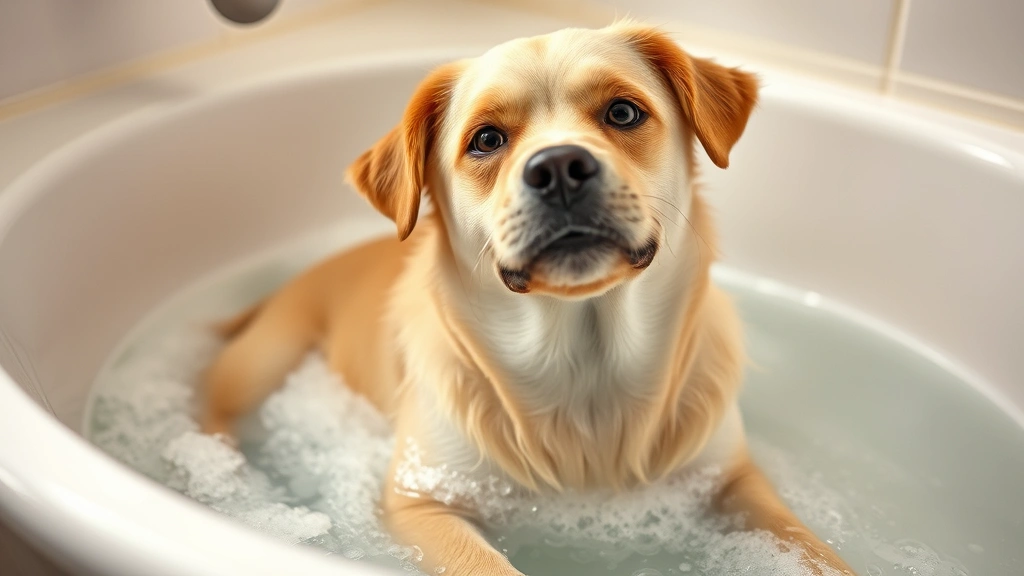
- Offer a lukewarm oatmeal bath (colloidal oatmeal is soothing and anti-inflammatory)
- Pat your dog dry gently; avoid vigorous rubbing
- Repeat baths every 2–3 days if symptoms persist
Many pet owners find that their dogs visibly relax during cool compress therapy. It’s safe, requires no medication, and you can do it at home right away.
Relief Solution #2: Omega-3 Fatty Acids and Anti-Inflammatory Nutrition
What your dog eats directly impacts skin health and immune response. Omega-3 fatty acids from fish oil or flaxseed have powerful anti-inflammatory properties and can reduce histamine production naturally.
Consider adding omega-3 supplements or switching to a diet rich in these nutrients temporarily. Many pet owners also find that a dog skin allergies best diet focuses on whole proteins and eliminates common inflammatory triggers.
Always introduce dietary changes gradually to avoid digestive upset. If you’re unsure about the right approach for your dog, a quick telehealth check-in can give you personalized guidance—no appointment needed.
Relief Solution #3: Antihistamines and Veterinary Support
Your veterinarian may recommend over-the-counter or prescription antihistamines to block histamine’s effects on the skin. These medications can significantly reduce itching within hours.
The specific medication, timing, and any adjustments are decisions best made with your vet. They’ll consider your dog’s age, weight, and health history to recommend the safest option. If you are unsure whether your pet needs urgent care, a quick telehealth check-in can give you peace of mind—no appointment needed.
Many vets also discuss corticosteroid creams or oral steroids for more severe reactions. These work quickly but are typically used short-term to break the itch cycle.
Relief Solution #4: Topical Soothing Treatments
Hydrocortisone creams, aloe vera gels, and specialized pet skin sprays can provide localized relief without systemic medication. These are especially helpful if your dog’s reaction is limited to one area.
- Apply topical treatments 2–3 times daily to clean, dry skin
- Use pet-safe products only (avoid human medications unless directed by your vet)
- Watch for licking; consider a cone if your dog won’t leave the area alone
- Monitor for improvement over 3–5 days
Topical treatments work best when combined with other strategies like cool baths or dietary support.
Relief Solution #5: Probiotics and Immune-Boosting Supplements
A healthy gut supports a balanced immune response. Probiotics designed for dogs can help regulate the inflammatory cascade that causes skin reactions.
Additionally, supplements like quercetin (a natural antihistamine) or turmeric (curcumin) have research backing their anti-inflammatory effects. These work gently and support your dog’s body’s own healing mechanisms rather than suppressing symptoms.
Give these supplements time to work—usually 1–2 weeks—and always consult your vet before adding new supplements, especially if your dog is on medication.
Relief Solution #6: Environmental Management and Stress Reduction
Stress amplifies allergic responses. A calm, comfortable environment helps your dog’s immune system settle down faster.
- Keep your dog in a cool, quiet space away from irritants like smoke or strong perfumes
- Maintain a consistent routine to minimize stress
- Avoid bathing with harsh shampoos; use gentle, hypoallergenic formulas only
- Consider calming supplements like L-theanine or CBD (discuss with your vet first)
Simple environmental tweaks often make a surprising difference in how quickly your dog recovers.
Relief Solution #7: Monitoring and When to Escalate Care
Most mild vaccine-related skin reactions resolve within 1–2 weeks with home care. However, knowing when to seek professional help is critical.
Contact your veterinarian immediately if you notice:
- Severe facial or throat swelling (potential anaphylaxis)
- Difficulty breathing or wheezing
- Vomiting or severe diarrhea
- Symptoms that worsen after 3 days of home treatment
- Signs of secondary skin infection (oozing, crusting, or foul odor)
For mild cases, keep a simple log of your dog’s symptoms, treatments used, and response. This information helps your vet understand the pattern and adjust care as needed. Catching complications early puts you in a great position to prevent serious issues.
Understanding the Stages of Allergic Reactions
Not all vaccine reactions look the same. Some dogs experience localized swelling at the injection site, while others develop full-body hives. Learning about the dog skin allergies stages explained can help you recognize what’s happening and respond appropriately.
Mild reactions typically involve itching and minor redness. Moderate reactions include more extensive hives or facial swelling. Severe reactions (anaphylaxis) are rare but require emergency care. Understanding these stages helps you communicate clearly with your vet.

Long-Term Skin Health After Vaccination
Once your dog recovers from the acute reaction, focus shifts to rebuilding skin barrier health and preventing future complications. This is where nutrition truly shines.
A thoughtful approach to dog skin allergies best diet can strengthen your dog’s skin and reduce reactivity to future vaccines. Many vets recommend omega-3 supplementation year-round for dogs with a history of reactions.
Additionally, exploring dog skin allergies natural remedies can provide ongoing support without relying solely on medications. A balanced approach combining preventive nutrition, supplements, and professional guidance often yields the best outcomes.
Discussing Vaccination Options With Your Vet
If your dog has experienced a moderate to severe vaccine reaction, your veterinarian may recommend alternative vaccination schedules or protocols for future shots. Some vets premedicate sensitive dogs with antihistamines before vaccination to prevent reactions.
Others may suggest spacing out vaccines or using non-adjuvanted formulas (vaccines without certain immune-stimulating ingredients). These conversations are crucial for protecting your dog’s health while maintaining necessary disease prevention.
Your vet knows your dog’s history and can tailor an approach that balances protection with comfort.
Frequently Asked Questions
How long do dog skin allergies last after vaccination?
Most mild reactions resolve within 1–2 weeks with home care. If symptoms persist beyond two weeks or worsen, contact your veterinarian to rule out secondary complications or other underlying issues.
Is it normal for dogs to itch after vaccines?
Mild itching is a relatively common short-term response to vaccination, though it’s not universal. If itching is severe or accompanied by other symptoms like swelling or difficulty breathing, seek veterinary care promptly.
Can I give my dog Benadryl for vaccine reactions?
Antihistamines may help, but the appropriate medication, dosage, and timing depend on your dog’s specific situation. Always consult your veterinarian before giving any medication, even over-the-counter options.
Should I avoid future vaccinations if my dog reacted?
Not necessarily. Discuss the reaction with your vet—they may recommend a modified vaccination schedule, premedication, or alternative protocols that allow your dog to stay protected while minimizing reaction risk.
Can vaccine reactions cause long-term skin problems?
Most vaccine-related skin reactions are temporary and resolve completely without lasting damage. However, if secondary infections develop or symptoms linger, follow-up veterinary care is important to prevent complications.
What To Do Now
- Assess your dog’s symptoms: Note the timing (when did symptoms start relative to vaccination?), location, severity, and any systemic signs like lethargy or appetite changes. This information is invaluable for your vet.
- Start home care immediately: Apply cool compresses, consider a soothing oatmeal bath, and ensure your dog is in a calm, comfortable environment. Most mild reactions respond beautifully to these simple measures.
- Contact your veterinarian: Even for mild symptoms, a quick call or telehealth check-in provides peace of mind and ensures you’re using the right relief approach. If you are unsure whether your pet needs urgent care, a quick telehealth check-in can give you peace of mind—no appointment needed.
- Monitor closely over the next week: Keep track of symptom progression, treatments used, and your dog’s response. If symptoms worsen or new signs appear, escalate to an in-person exam.
- Plan ahead for future vaccines: Once your dog recovers, discuss preventive strategies with your vet—whether that’s premedication, dietary support, or alternative vaccination schedules—to minimize reaction risk going forward.
Summary: Moving Forward With Confidence
Dog skin allergies after vaccination can be unsettling, but they’re usually manageable with the right approach. Cool compresses, anti-inflammatory nutrition, and thoughtful monitoring form the foundation of effective relief. Most dogs recover completely within 1–2 weeks, especially when care begins early.
The seven solutions outlined here—from cool therapy to immune support—work synergistically to calm your dog’s reaction and restore comfort. Remember, you’re not overreacting by seeking veterinary guidance. Your vet can confirm the cause, rule out complications, and tailor a plan specifically for your dog.
Vaccines are essential for protecting your dog against serious diseases. Understanding how to manage reactions when they occur—and how to prevent them in the future—means your dog can stay protected without unnecessary discomfort. You’ve got this, and your dog is lucky to have an owner who cares enough to learn and act.