
If your dog has been scratching constantly, licking their paws until they’re raw, or developing red, inflamed patches on their skin, you’re likely dealing with one of the most common health issues vets see: dog skin allergies prevention tips are essential knowledge for any responsible pet owner. The good news? Most skin allergies in dogs are manageable, and many are entirely preventable with the right approach.
Table of Contents
- Understanding Dog Skin Allergies: Why Prevention Matters
- Prevention Tip #1: Choose High-Quality, Limited-Ingredient Dog Food
- Prevention Tip #2: Maintain a Consistent Bathing and Grooming Routine
- Prevention Tip #3: Use Omega-3 Fatty Acid Supplements
- Prevention Tip #4: Control Your Home Environment
- Prevention Tip #5: Protect Against Parasites Year-Round
- Prevention Tip #6: Manage Stress and Support Immune Health
- Prevention Tip #7: Schedule Regular Veterinary Check-Ups
- Additional Prevention Strategies: Water Quality and Contact Irritants
- Frequently Asked Questions
- What To Do Now: Your Action Plan
- Summary: Prevention Is Your Best Defense
This article is for informational purposes only and is not a substitute for professional veterinary advice. Always consult a licensed veterinarian for diagnosis and treatment.
Watching your furry friend suffer from itchy, uncomfortable skin is heartbreaking. But here’s what we know from years of veterinary practice: catching allergies early and implementing prevention strategies can dramatically reduce your dog’s suffering and your stress.

Understanding Dog Skin Allergies: Why Prevention Matters
Dog skin allergies come in three main types: environmental allergies (pollen, dust, mold), food allergies, and contact allergies (from materials or chemicals). Each type requires a slightly different prevention approach, but the underlying principle is the same—reducing your dog’s exposure to triggers.
The reason prevention matters so much is simple: once your dog develops an allergy, managing it becomes a lifelong commitment. Prevention is always easier (and cheaper) than treatment. Your dog’s immune system plays a huge role here; some dogs are genetically predisposed to allergies, while others develop them after repeated exposure to irritants.

Prevention Tip #1: Choose High-Quality, Limited-Ingredient Dog Food
Food allergies account for about 10% of all dog allergies, but they’re often overlooked. The best dog skin allergies prevention starts with what goes into your dog’s bowl.
Here’s what to look for:

- Single-source protein (chicken, beef, fish, or lamb—not multiple proteins)
- Minimal fillers and artificial ingredients
- No common allergens like corn, wheat, or soy
- Named meat sources rather than vague terms like “meat meal”
If your dog has a sensitive stomach along with skin issues, you might explore dog gastrointestinal issues prevention tips as well, since digestive health and skin health are closely connected. Consider rotating proteins every few months to prevent developing new sensitivities.
Prevention Tip #2: Maintain a Consistent Bathing and Grooming Routine
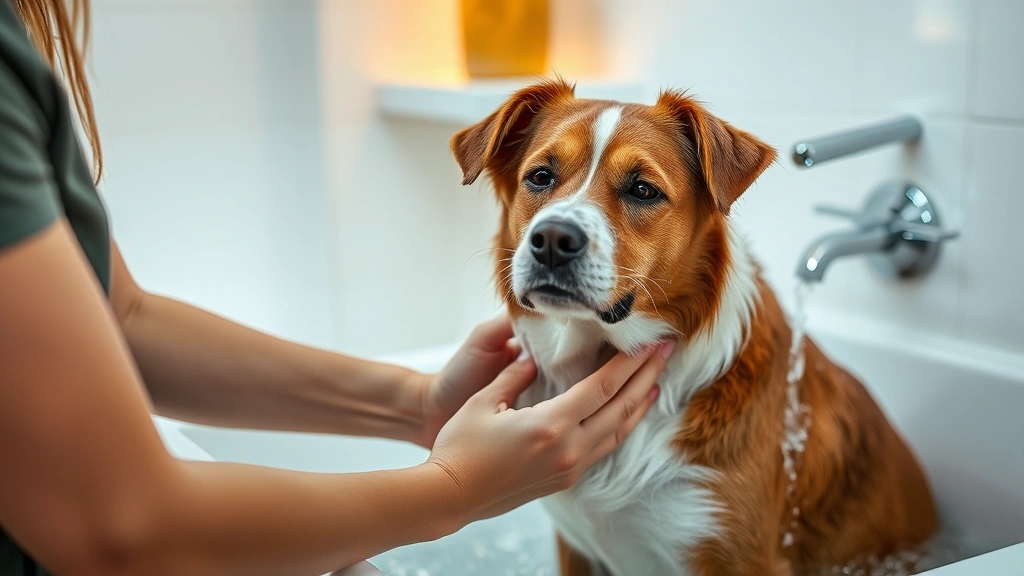
Regular bathing removes allergens, dust, and irritants from your dog’s coat before they can cause problems. But here’s the catch: too much bathing strips natural oils and worsens dry skin, which makes allergies worse.

The ideal bathing schedule depends on your dog’s coat type and environment:
- Short-haired dogs: Every 4-6 weeks
- Long-haired dogs: Every 2-4 weeks
- Dogs with oily coats: Every 2-3 weeks
- Dogs with dry skin: Every 6-8 weeks
Use lukewarm water and a gentle, hypoallergenic shampoo specifically formulated for sensitive skin. Avoid human shampoos and heavily fragranced products. Dry your dog thoroughly afterward, as damp skin creates an environment where yeast and bacteria thrive.
Prevention Tip #3: Use Omega-3 Fatty Acid Supplements
One of the most evidence-backed dog skin allergies prevention strategies involves omega-3 fatty acids. These powerful nutrients strengthen your dog’s skin barrier and reduce inflammation from the inside out.
Omega-3s work by:

- Reducing inflammatory responses to allergens
- Strengthening the skin’s natural protective barrier
- Supporting immune system balance
- Improving coat quality and reducing itching
Sources include fish oil supplements, flaxseed, and certain whole foods like salmon. Talk to your vet about appropriate dosages for your dog’s size and age. Many pet owners notice visible improvement in coat quality and reduced scratching within 4-6 weeks of consistent supplementation.
Prevention Tip #4: Control Your Home Environment
Environmental allergies are the leading cause of skin issues in dogs. Pollen, dust mites, mold, and other airborne particles settle on your dog’s skin and trigger reactions.

Here’s how to reduce environmental allergen exposure:
- Use HEPA air filters in your home, especially in bedrooms
- Wash your dog’s bedding weekly in hot water
- Vacuum frequently with a HEPA-filter vacuum
- Keep humidity levels between 30-50% (dehumidifiers help)
- Minimize time outdoors during high pollen seasons
- Wipe your dog’s paws and belly when coming inside
This last tip is particularly effective—pollen clings to your dog’s legs and underside, so a quick rinse or wipe-down removes allergens before they irritate the skin.

Prevention Tip #5: Protect Against Parasites Year-Round
Fleas and mites are major skin irritants that trigger allergic reactions and secondary infections. Even one flea bite can cause severe itching in allergic dogs.
Year-round parasite prevention is non-negotiable. Your vet can recommend the best flea, tick, and mite prevention based on your location and your dog’s health status. Don’t skip doses or switch products without veterinary guidance—consistency is what keeps parasites at bay.

Catching parasite-related skin issues early puts you in a great position to prevent secondary bacterial or yeast infections from developing.
Prevention Tip #6: Manage Stress and Support Immune Health
Stress weakens your dog’s immune system and makes them more susceptible to allergic reactions. Dogs with anxiety or behavioral issues often experience worse skin problems.

Strengthen your dog’s immune resilience through:
- Regular exercise (30-60 minutes daily, depending on breed)
- Consistent routines and predictable schedules
- Mental enrichment through play and training
- Adequate sleep (12-14 hours daily for adult dogs)
- Probiotics to support gut health and immunity
A healthy, happy dog with a strong immune system naturally resists allergic reactions better than a stressed dog. Think of immune support as your dog’s first line of defense.

Prevention Tip #7: Schedule Regular Veterinary Check-Ups
Prevention isn’t just about what you do at home—it’s also about early detection. Regular vet visits catch skin problems before they become severe.
During check-ups, your vet can:

- Spot early signs of allergies or skin conditions
- Rule out parasites, infections, or underlying diseases
- Recommend breed-specific prevention strategies
- Adjust prevention plans as your dog ages
If you’re noticing itching or skin changes between appointments and aren’t sure whether they warrant urgent attention, a quick telehealth check-in can give you peace of mind—no appointment needed. The Pet Vet’s telehealth service makes it easy to get professional guidance whenever you need it.
Additional Prevention Strategies: Water Quality and Contact Irritants
Sometimes the simplest solutions are overlooked. Chlorine in tap water can irritate sensitive skin. If your dog swims frequently or drinks heavily chlorinated water, consider using a water filter.

Contact allergies from collars, bedding materials, or cleaning products are also preventable. Switch to hypoallergenic collars, use fragrance-free laundry detergent for dog bedding, and avoid harsh cleaning chemicals on floors where your dog spends time.
Frequently Asked Questions
Can dog skin allergies be completely prevented?
Not always. If your dog has a genetic predisposition to allergies, you can’t eliminate the risk entirely. However, you can significantly reduce the frequency and severity of allergic reactions through the prevention strategies outlined above.
How long does it take to see improvement from prevention efforts?
Most dogs show noticeable improvement within 4-8 weeks of consistent prevention, especially with dietary changes and environmental modifications. Some changes, like omega-3 supplementation, take 6-8 weeks to show full effects.
Are certain dog breeds more prone to skin allergies?
Yes. Breeds like Bulldogs, Labradors, Golden Retrievers, Cocker Spaniels, and Terriers have higher genetic predisposition to allergies. If you have one of these breeds, prevention becomes even more important.
What’s the difference between prevention and treatment?
Prevention focuses on reducing your dog’s exposure to allergens and strengthening their immune system before problems develop. Treatment addresses existing allergic reactions and symptoms. Prevention is always preferable because it’s less costly and less stressful for your dog.
Should I use medicated shampoos for prevention?
Not routinely. Medicated shampoos are treatment tools for active infections or severe itching, not prevention. For prevention, use gentle, hypoallergenic shampoos. Your vet can recommend medicated options if needed.
What To Do Now: Your Action Plan
Ready to protect your dog from skin allergies? Start with these specific steps:
- Schedule a vet consultation to discuss your dog’s current diet, environment, and any early signs of skin sensitivity. Ask about parasite prevention and whether supplements are appropriate for your dog.
- Evaluate and upgrade your dog’s food if it contains common allergens or low-quality ingredients. Make dietary changes gradually over 7-10 days to avoid digestive upset.
- Implement environmental controls this week: invest in a HEPA air filter, wash your dog’s bedding, and establish a paw-wiping routine when coming inside.
- Start an omega-3 supplement if your vet approves. Choose a reputable brand formulated for dogs and commit to consistent daily use for at least 6 weeks.
- Set a reminder for regular grooming and bathing on your phone. Consistency matters more than perfection—stick to your chosen schedule.
Summary: Prevention Is Your Best Defense
Dog skin allergies prevention tips work because they address the root causes of allergic reactions rather than just treating symptoms. By choosing quality food, maintaining a consistent grooming routine, supporting immune health with supplements, controlling your home environment, protecting against parasites, managing stress, and scheduling regular vet visits, you’re giving your dog the best chance at a comfortable, itch-free life.
Remember: your dog depends on you to create an environment where their skin can thrive. The effort you invest in prevention now saves your dog from suffering and saves you from expensive treatments later. Most importantly, it means more happy, healthy time with your beloved companion.
If you notice persistent itching, red patches, or any skin changes despite your prevention efforts, don’t hesitate to reach out to your veterinarian. Early intervention makes all the difference.