
If your dog is scratching more than usual, developing red patches, or losing fur in clumps, you’re probably wondering whether dog skin allergies when to see a vet is something you should worry about right now. The truth is, skin issues in dogs can range from minor irritations that resolve on their own to serious conditions requiring immediate veterinary attention. Knowing the difference could save your pup from months of discomfort.
Table of Contents
- Understanding Canine Skin Allergies
- Early Warning Signs Your Dog May Have Allergies
- When to Schedule a Regular Vet Appointment
- Red Flags That Require Urgent Veterinary Care
- How Skin Infections Complicate Allergies
- Age and Breed Considerations
- Diagnostic Tests Your Vet Might Recommend
- At-Home Care While You Wait for an Appointment
- Understanding Allergy Treatment Options
- Preventing Future Allergy Flare-Ups
- When Allergies Become Emergencies
- The Role of Telehealth in Allergy Management
- Summary: Your Action Plan
- Frequently Asked Questions
- What To Do Now
This article is for informational purposes only and is not a substitute for professional veterinary advice. Always consult a licensed veterinarian for diagnosis and treatment.
Understanding Canine Skin Allergies
Dog skin allergies occur when your pet’s immune system overreacts to a substance that’s typically harmless. These allergens can be environmental (pollen, dust mites), food-related, or contact-based (certain shampoos or fabrics). The result? Intense itching, inflammation, and sometimes secondary infections that make things worse.
What makes allergies tricky is that they don’t always show up overnight. Your dog might have been exposed to an allergen for weeks before symptoms become noticeable. By the time you spot the problem, your pup could be dealing with significant discomfort.
Early Warning Signs Your Dog May Have Allergies
Catching allergies early puts you in a great position to help your dog feel better faster. Here are the initial signs to watch for:
- Excessive licking or chewing at paws, legs, or belly
- Red or inflamed skin patches
- Frequent head shaking or ear scratching
- Dry, flaky skin or dandruff
- Mild hair loss in localized areas
- Rubbing face on furniture or carpet
- Watery eyes or mild discharge
If you notice one or two of these signs and they’re mild, you might observe your dog for a few days. However, if multiple symptoms appear together or persist beyond a week, it’s time to reach out to your vet.
When to Schedule a Regular Vet Appointment
Not every skin issue requires emergency care, but some definitely warrant a prompt appointment. You should schedule a regular visit with your veterinarian if your dog is experiencing moderate itching that affects their quality of life, shows signs of skin infection (like pus or crusty lesions), or has persistent symptoms lasting more than 7-10 days.
Additionally, if your dog has never had allergies before and suddenly develops skin problems, your vet needs to rule out parasites, fungal infections, or other underlying conditions. A professional examination is the only way to get an accurate diagnosis.
During this appointment, your vet will perform a physical exam, possibly take skin scrapings or cultures, and discuss your dog’s history to identify potential triggers. This information is crucial for developing an effective treatment plan.
Red Flags That Require Urgent Veterinary Care
Some situations demand immediate attention. If your dog is experiencing severe itching that prevents sleep, has widespread skin infections with oozing or bleeding, or shows signs of anaphylaxis (swelling of the face, difficulty breathing, vomiting), get to an emergency vet right away. These conditions can deteriorate quickly and cause serious complications.
Watch for these urgent warning signs:
- Severe swelling of the face, lips, or throat
- Difficulty breathing or wheezing
- Sudden onset of widespread rash or hives
- Signs of systemic infection (fever, lethargy, loss of appetite)
- Excessive bleeding or oozing from skin lesions
- Severe behavioral changes related to itching
When in doubt about severity, it’s better to err on the side of caution. If you are unsure whether your pet needs urgent care, a quick telehealth check-in can give you peace of mind — no appointment needed. Many veterinary telehealth services, like The Pet Vet, can assess your dog’s symptoms within minutes and advise whether an emergency visit is necessary.
How Skin Infections Complicate Allergies
Here’s where things get complicated: allergies often lead to secondary skin infections. When your dog scratches excessively, they break the skin barrier, allowing bacteria or yeast to colonize the area. What started as an allergy can quickly become a bacterial or fungal infection requiring antibiotics or antifungal treatment.
If you notice your dog’s skin lesions becoming crusty, oozing, or developing a foul odor, infection is likely present. Skin infections in dogs can spread rapidly and cause systemic illness if left untreated. This is when a vet visit moves from routine to urgent.
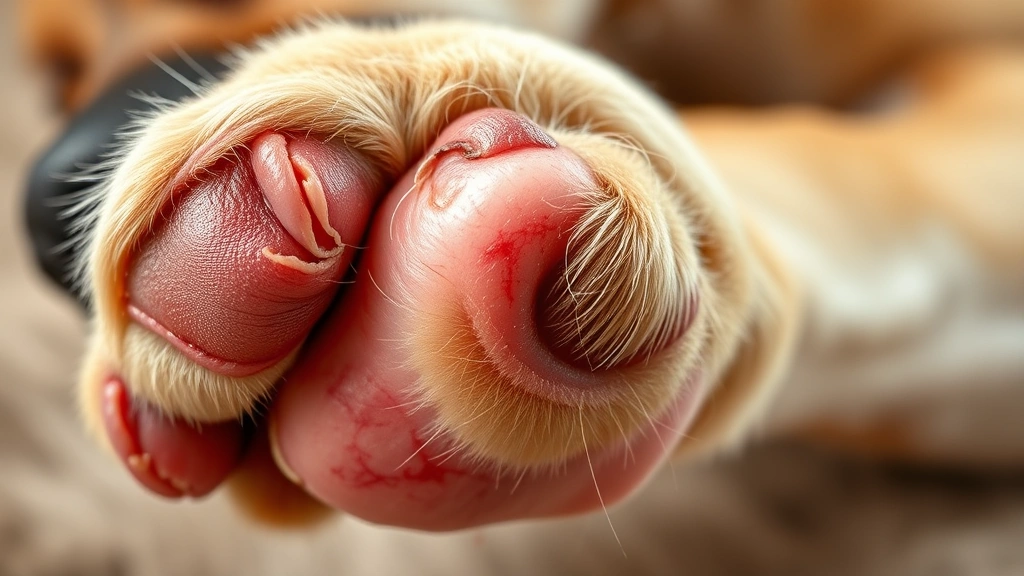
The good news? Treating the underlying allergy often resolves the secondary infection without additional medications. Your vet will address both issues simultaneously for the best outcome.
Age and Breed Considerations
Some dogs are genetically predisposed to allergies. Breeds like Labrador Retrievers, Bulldogs, Golden Retrievers, and Terriers tend to develop allergies more frequently than others. If you have one of these breeds, be especially vigilant about early signs.
Puppies rarely develop allergies before six months of age, so if your young dog is scratching excessively, parasites or infections are more likely culprits. Senior dogs, on the other hand, may develop new allergies later in life as their immune systems change.
Age and breed history should inform your decision-making. If your dog has a family history of allergies or belongs to a susceptible breed, don’t wait as long before seeking veterinary guidance.
Diagnostic Tests Your Vet Might Recommend
To confirm allergies and rule out other conditions, your veterinarian may suggest several diagnostic approaches. Skin scrapings can reveal parasites like mange mites. Fungal cultures identify yeast or ringworm infections. In some cases, your vet might recommend an elimination diet to identify food allergies, which requires several weeks of careful monitoring.
For environmental allergies, intradermal skin testing or blood tests can pinpoint specific allergens. These tests help your vet create a targeted treatment plan rather than guessing at the cause. While these diagnostics add to the cost, they often save money long-term by preventing unnecessary treatments.
At-Home Care While You Wait for an Appointment
If your dog’s symptoms are mild to moderate and you’re waiting for a vet appointment, certain at-home measures can provide relief. Regular baths with a gentle, hypoallergenic shampoo can soothe inflamed skin and remove allergens from the coat. Aim for lukewarm water, not hot, which can further irritate sensitive skin.
Keep your dog’s nails trimmed short to minimize damage from scratching. Consider using an Elizabethan collar if your dog is causing open wounds through excessive licking. Ensure your dog has access to fresh water and a comfortable resting area away from potential irritants.
Avoid introducing new foods, treats, or environmental changes until you’ve consulted your vet. These variables can make it harder for your veterinarian to identify the allergen source.
Understanding Allergy Treatment Options
Treatment depends on the allergy type and severity. Environmental allergies might respond to antihistamines or corticosteroids during flare-ups. Food allergies require dietary changes, which your vet will guide you through. Some dogs benefit from immunotherapy, which gradually desensitizes their immune system to specific allergens.
For severe or chronic allergies, your vet might recommend newer medications designed specifically for canine allergic dermatitis. These options work differently than traditional treatments and may provide better long-term relief for your individual dog.
The key is working closely with your vet to find what works for your dog. Allergy management is often a process of trial and adjustment, not a one-time fix.
Preventing Future Allergy Flare-Ups
Once you’ve identified your dog’s allergens, prevention becomes your best tool. If your dog has environmental allergies, minimize exposure during high pollen seasons. For food allergies, stick to the recommended diet consistently. Regular grooming and bathing help remove allergens from the coat before they cause problems.
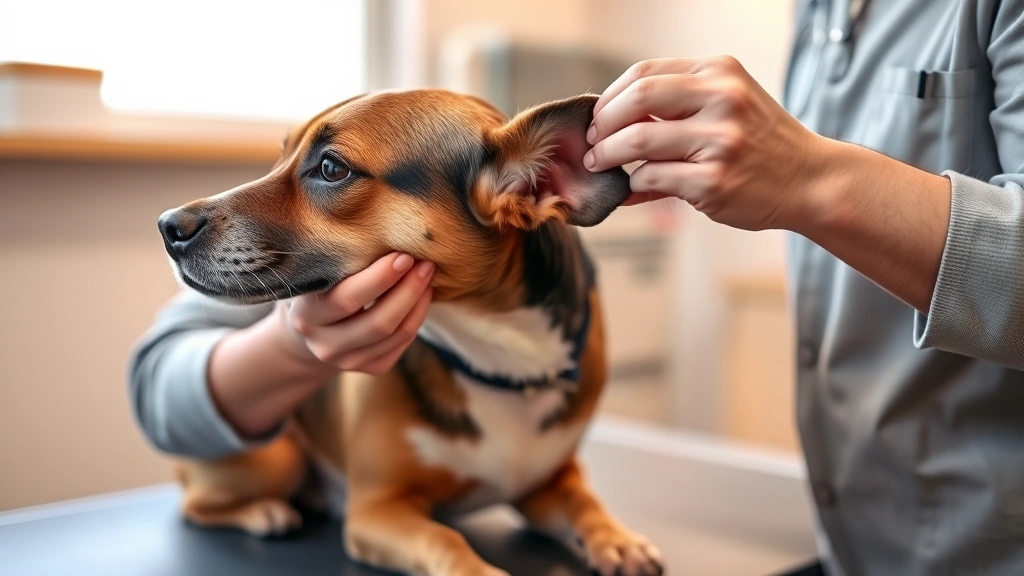
Keep detailed records of when symptoms appear and what your dog was exposed to beforehand. This information helps you and your vet identify patterns and adjust prevention strategies over time.
Discuss parasite prevention with your vet, as flea and mite allergies are surprisingly common. Products like NexGard Rx vs Alternatives or Simparica Trio Rx vs Alternatives can prevent parasitic allergies entirely.
When Allergies Become Emergencies
Most allergies don’t constitute emergencies, but certain situations do. If your dog develops dog skin allergies emergency signs like anaphylaxis, severe infection, or signs of sepsis, treat it as an emergency. These conditions can be life-threatening if not addressed immediately.
Additionally, if your dog’s allergies are so severe that they’re causing behavioral problems (aggression, anxiety) or affecting their overall health, emergency intervention may be necessary to stabilize them while you work on long-term solutions.
The Role of Telehealth in Allergy Management
Veterinary telehealth services like The Pet Vet offer a convenient way to get professional guidance without leaving home. For mild to moderate allergy symptoms, a telehealth consultation can help you determine whether an in-person exam is necessary or if at-home management is appropriate.
Telehealth is particularly valuable for follow-up appointments after your dog has been diagnosed. You can update your vet on how treatments are working, ask questions about medication adjustments, and get reassurance without scheduling a full clinic visit. This accessibility means you’re more likely to reach out early when symptoms first appear, potentially preventing more serious complications.
Summary: Your Action Plan
Dog skin allergies are common but manageable when caught early and handled properly. The key is recognizing the difference between mild irritation and serious concerns, then acting accordingly. Most cases benefit from prompt veterinary attention within 7-10 days of symptom onset, but some require immediate care.
By understanding when to see a vet and what to expect during your visit, you’re already taking the best step toward helping your dog feel comfortable again. Remember, your veterinarian is your partner in managing your dog’s health, and early intervention almost always leads to better outcomes.
Frequently Asked Questions
How long can I wait before taking my dog to the vet for skin allergies?
If symptoms are mild and isolated, you can observe for 7-10 days. However, if multiple symptoms appear together, worsen rapidly, or show signs of infection, don’t wait—schedule an appointment immediately.
Can I treat my dog’s skin allergies at home without seeing a vet?
While gentle bathing and environmental management can provide temporary relief, a veterinary diagnosis is essential to identify the allergen and develop an effective long-term treatment plan. Self-treatment risks missing serious underlying conditions.
Are skin allergies in dogs contagious to other pets?
Allergies themselves are not contagious, but secondary infections caused by scratching can spread between pets. This makes prompt treatment important for your entire household.
What’s the difference between allergies and parasites in dogs?
Both cause itching, but parasites like fleas or mites are visible under magnification and require parasite-specific treatments. Your vet can distinguish between them through skin scrapings or other diagnostics.
Can my dog outgrow skin allergies?
Environmental and contact allergies may improve with age, but food allergies typically persist. However, many allergies become manageable with proper treatment and prevention strategies.
What To Do Now
- Observe your dog’s symptoms carefully: Document when itching occurs, which body areas are affected, and any environmental changes that coincide with flare-ups. This information will be invaluable to your vet.
- Schedule a veterinary appointment: If symptoms have lasted more than a week, involve multiple body areas, or show signs of infection, call your vet today. If you’re unsure about urgency, a quick telehealth consultation can help you decide.
- Implement gentle at-home care: Use lukewarm water and hypoallergenic shampoo for baths, keep nails trimmed, and prevent excessive licking with an Elizabethan collar if needed.
- Avoid introducing new variables: Don’t change food, treats, or environment until your vet has had a chance to evaluate your dog. These changes can complicate diagnosis.
- Prepare for your appointment: Write down your dog’s symptoms, when they started, any recent changes in diet or environment, and your dog’s medical history. This will help your vet reach a diagnosis more quickly.