
If your senior dog has been gaining weight, losing fur, or acting sluggish despite adequate rest, dog thyroid disorder in senior pets might be the culprit behind these changes. Thyroid issues are incredibly common in aging dogs, yet many pet owners don’t realize how treatable this condition truly is.
Table of Contents
- Understanding Thyroid Disorder in Senior Dogs
- Common Signs Your Senior Dog May Have a Thyroid Problem
- How Veterinarians Diagnose Thyroid Disorder
- The Seven Proven Treatment Approaches for Canine Thyroid Disorder
- Lifestyle Changes That Support Thyroid Health
- What to Expect: Timeline for Improvement
- Managing Medication Long-Term
- When to Seek Urgent Veterinary Care
- Supporting Your Senior Dog’s Quality of Life
- Summary: Taking Action for Your Senior Dog’s Thyroid Health
- Frequently Asked Questions
- What To Do Now
This article is for informational purposes only and is not a substitute for professional veterinary advice. Always consult a licensed veterinarian for diagnosis and treatment.
Understanding Thyroid Disorder in Senior Dogs
The thyroid gland is like your dog’s metabolic engine. When it doesn’t produce enough thyroid hormone—a condition called hypothyroidism—everything slows down. Your senior pup’s body runs at a reduced speed, affecting energy, coat health, weight management, and even mood.
Senior dogs (typically those over 7 years old) are at higher risk for developing thyroid issues. In fact, hypothyroidism is one of the most common endocrine disorders in aging dogs, affecting roughly 1 in 500 dogs overall, with higher rates in certain breeds like Golden Retrievers, Doberman Pinschers, and Cocker Spaniels.
The good news? With proper diagnosis and management, most dogs with thyroid disorder live comfortably for many more years. Catching this early puts you in a great position to help your senior companion thrive.
Common Signs Your Senior Dog May Have a Thyroid Problem
Recognizing the symptoms of dog thyroid disorder is the first step toward getting your pet the care they need. These signs often develop gradually, which is why senior dog owners sometimes miss them initially.
Watch for these red flags:
- Unexplained weight gain despite normal or reduced food intake
- Lethargy and low energy—your dog seems disinterested in walks or play
- Hair loss or a dull, dry coat that doesn’t improve with brushing
- Cold intolerance—seeking warmth more than usual
- Behavioral changes—increased anxiety or depression
- Dry, flaky skin and ear infections
- Slow heart rate (detected during vet exams)
These symptoms mirror normal aging, which is why many pet owners initially attribute them to their dog simply “getting old.” However, a simple blood test can confirm whether thyroid disorder is the underlying issue.
How Veterinarians Diagnose Thyroid Disorder
Diagnosis begins with a physical exam and blood work. Your vet will typically measure thyroid hormone levels (T3 and T4) and thyroid-stimulating hormone (TSH). In senior dogs, multiple tests over time may be necessary since thyroid levels can fluctuate.
Some vets also check for thyroid antibodies to rule out autoimmune thyroiditis. This comprehensive approach ensures your senior dog receives an accurate diagnosis before starting any treatment plan.
The Seven Proven Treatment Approaches for Canine Thyroid Disorder
Treatment for dog thyroid disorder in senior pets typically focuses on hormone replacement therapy. While we don’t discuss specific dosages here, understanding your treatment options helps you have informed conversations with your veterinarian.
1. Synthetic Thyroid Hormone Replacement
The most common and effective treatment involves synthetic thyroid hormone supplementation. Your vet will determine the appropriate dose based on your dog’s weight, age, and blood test results. Most dogs show improvement within 4-6 weeks of starting treatment.
Regular blood work ensures the dosage remains optimal as your dog ages. Some senior dogs may need dosage adjustments over time, so ongoing veterinary monitoring is essential.
2. Combination Hormone Therapy
Some dogs benefit from a combination of T3 and T4 hormones rather than T4 alone. This approach may be recommended if your senior dog isn’t responding adequately to standard treatment or has concurrent health conditions.
Your vet will monitor your dog’s response closely and adjust the hormone combination as needed. This personalized approach often yields better outcomes for complex cases.
3. Natural Thyroid Extract Supplements
Desiccated thyroid extract (derived from animal thyroid glands) offers an alternative to synthetic hormones. Some pet owners prefer this more “natural” approach, though synthetic hormones remain the gold standard in veterinary medicine.
If your vet recommends this option, consistent dosing and regular blood work remain crucial for maintaining your senior dog’s health.
4. Dietary Management and Nutritional Support
While not a replacement for hormone therapy, proper nutrition supports thyroid health. Senior dogs with thyroid disorder benefit from high-quality protein, omega-3 fatty acids, and specific minerals like selenium and iodine.
Some veterinary nutritionists recommend prescription diets formulated specifically for dogs with thyroid issues. Discuss dietary options with your vet to complement your dog’s medication regimen.

5. Weight Management Programs
Obesity worsens thyroid symptoms and creates additional strain on aging joints and the heart. A structured weight loss program—combining appropriate nutrition with gentle exercise—helps your senior dog feel better and reduces secondary health complications.
Your vet can establish realistic weight loss goals and monitor progress through regular check-ins. Even modest weight reduction significantly improves energy levels and quality of life.
6. Concurrent Condition Management
Senior dogs with thyroid disorder often have other age-related conditions. Managing incontinence issues, diabetes, kidney disease, or heart disease alongside thyroid disorder requires a comprehensive approach.
Your veterinarian will prioritize treatments to address the most pressing health concerns while ensuring medications don’t interact negatively. This holistic strategy significantly improves your senior dog’s overall quality of life.
7. Regular Monitoring and Medication Adjustments
Successful thyroid management in senior dogs requires consistent monitoring. Periodic blood work (typically every 6-12 months) ensures your dog’s medication remains effective as their body changes with age.
Some senior dogs may need dosage adjustments as they age or develop additional health conditions. This ongoing partnership with your vet ensures your dog receives optimal care throughout their golden years.
Lifestyle Changes That Support Thyroid Health
Beyond medication, several lifestyle modifications help your senior dog thrive with thyroid disorder. These changes work synergistically with treatment to maximize your pet’s well-being.
Gentle Exercise: Regular, low-impact activity like short walks maintains muscle mass and supports healthy weight. Most senior dogs with thyroid disorder benefit from 20-30 minutes of gentle activity daily, adjusted to their individual tolerance.
Stress Reduction: Anxiety and stress can worsen thyroid symptoms. Creating a calm home environment with consistent routines helps your senior dog feel secure and relaxed.
Adequate Rest: Senior dogs need more sleep than younger dogs. Provide comfortable resting areas and allow your dog to rest as needed without interruption.
Environmental Temperature Control: Dogs with thyroid disorder often feel cold more acutely. Maintain comfortable indoor temperatures and provide cozy bedding, especially during cooler months.
What to Expect: Timeline for Improvement
After starting treatment for dog thyroid disorder in senior pets, improvement typically follows a predictable timeline. Understanding this helps you assess whether treatment is working effectively.
Weeks 1-2: Some dogs show subtle improvements in energy, though changes may be barely noticeable initially.
Weeks 3-6: Most dogs demonstrate noticeable increases in activity and alertness. Appetite may normalize, and lethargy typically decreases.
Weeks 6-12: Coat quality begins improving, with fur becoming shinier and healthier. Weight loss (if overweight) becomes more apparent with combined medication and lifestyle changes.
3-6 Months: Full treatment benefits become evident. Your senior dog’s personality often brightens, and they may seem years younger. Follow-up blood work confirms medication effectiveness.
If your dog isn’t showing expected improvements after 6-8 weeks, contact your veterinarian. Dosage adjustments or alternative approaches may be necessary.
Managing Medication Long-Term
Most senior dogs with thyroid disorder require lifelong medication. This might sound daunting, but with proper systems in place, medication management becomes routine and stress-free.
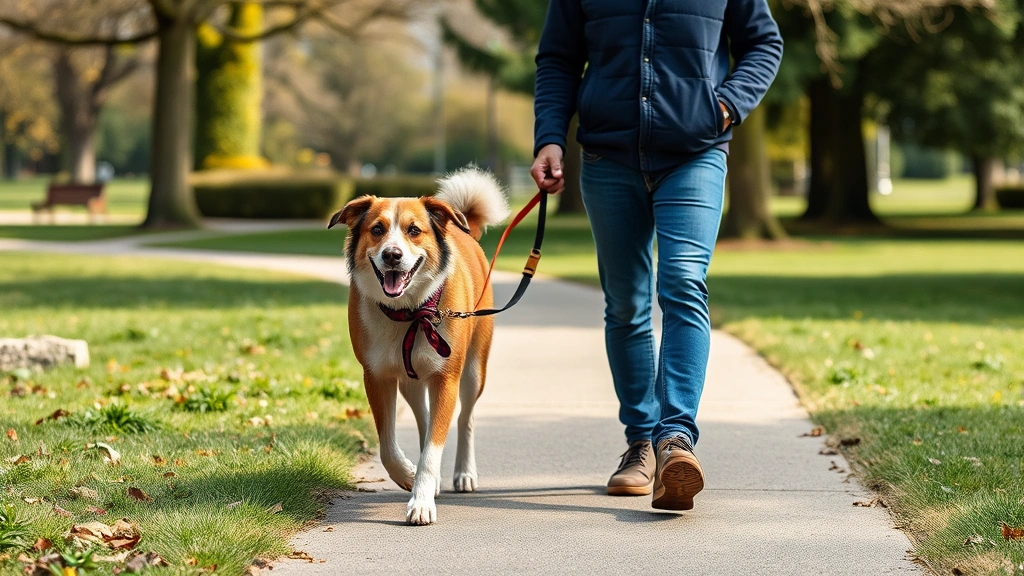
Medication Organization: Use pill organizers or set phone reminders to ensure consistent dosing. Most thyroid medications are given once or twice daily, making them easy to incorporate into your dog’s routine.
Cost Considerations: Thyroid medications are typically affordable, especially compared to other chronic disease treatments. Discuss generic options with your vet to minimize costs without compromising quality.
Storage and Handling: Store thyroid medications as directed (usually at room temperature away from moisture). Some medications require specific handling to maintain effectiveness.
Refill Management: Set up automatic refills through your vet’s pharmacy to prevent gaps in treatment. Consistent medication prevents symptom relapse and maintains your dog’s improved quality of life.
When to Seek Urgent Veterinary Care
While thyroid disorder itself isn’t typically an emergency, certain situations warrant immediate veterinary attention. Watch for sudden changes in your senior dog’s condition, including severe lethargy, rapid weight loss, or difficulty breathing.
Additionally, if your dog develops symptoms suggesting other conditions (like drinking excessively, frequent urination, or abdominal pain), contact your vet promptly. These could indicate concurrent health issues requiring treatment adjustment.
If you’re unsure whether your pet needs urgent care, a quick telehealth check-in can give you peace of mind — no appointment needed. The Pet Vet offers convenient virtual consultations to address your concerns without the stress of travel.
Supporting Your Senior Dog’s Quality of Life
Beyond medical management, emotional support matters tremendously for aging dogs. Your senior companion needs reassurance, patience, and understanding as they navigate health challenges.
Maintain consistent routines, provide plenty of affection, and celebrate small improvements. Many pet owners find that properly managed thyroid disorder dramatically improves their senior dog’s happiness and vitality, creating precious additional years together.
Summary: Taking Action for Your Senior Dog’s Thyroid Health
Dog thyroid disorder in senior pets is highly manageable when caught early and treated appropriately. With proper diagnosis, medication, lifestyle support, and ongoing monitoring, most senior dogs enjoy significantly improved quality of life.
The seven proven treatment approaches—from synthetic hormone replacement to dietary management—offer multiple pathways to success. Your veterinarian will recommend the best approach for your individual dog based on their specific health profile.
Remember, thyroid disorder is not a death sentence. It’s a manageable chronic condition that, with proper care, allows your senior dog to enjoy their golden years comfortably and happily.
Frequently Asked Questions
How long can a dog live with thyroid disorder?
Most dogs with properly managed thyroid disorder live normal lifespans. With appropriate treatment and monitoring, many senior dogs enjoy several additional years of good quality of life.
Can thyroid disorder in dogs be cured permanently?
Hypothyroidism cannot be cured, but it’s highly manageable with lifelong medication. Most dogs maintain excellent quality of life with consistent treatment and regular veterinary monitoring.
Is thyroid medication expensive for dogs?
Thyroid medications are typically among the most affordable chronic disease treatments for dogs. Generic options are usually available, making long-term management financially feasible for most pet owners.
Can diet alone treat thyroid disorder in dogs?
Diet alone cannot treat thyroid disorder, but proper nutrition supports medication effectiveness and overall health. Always combine dietary management with prescribed hormone replacement therapy.
How often does my senior dog need blood work with thyroid disorder?
Initial monitoring typically includes blood work 4-6 weeks after starting treatment, then every 6-12 months thereafter. Your vet may recommend more frequent testing if adjustments are needed.
What To Do Now
- Schedule a veterinary appointment if you haven’t already. Bring a list of symptoms you’ve noticed in your senior dog to discuss with your vet.
- Request thyroid function blood work (TSH, T3, and T4 levels) to confirm or rule out thyroid disorder as the cause of your dog’s symptoms.
- Discuss treatment options with your veterinarian, including medication types, dosing frequency, and expected timeline for improvement.
- Establish a medication routine with reminders or pill organizers to ensure consistent daily dosing once treatment begins.
- Schedule follow-up blood work for 4-6 weeks after starting treatment to verify medication effectiveness and adjust dosage if needed.