
If you’ve noticed your dog acting sluggish, gaining weight despite eating less, or developing a dull coat, you might be wondering about dog thyroid disorder stages explained and what it means for your furry friend. Thyroid problems in dogs are more common than many pet owners realize, and understanding how they progress can help you catch problems early and give your pup the best chance at a healthy, happy life.
Table of Contents
- What Is Canine Hypothyroidism?
- Stage 1: Early Detection and Subclinical Phase
- Stage 2: Mild Symptoms Emerge
- Stage 3: Moderate Symptoms and Noticeable Changes
- Stage 4: Advanced Thyroid Disorder
- Factors That Influence Progression Speed
- How Vets Diagnose and Stage Thyroid Disorder
- Treatment Options Across Different Stages
- What to Expect After Diagnosis
- Prevention and Early Screening
- Frequently Asked Questions
- Summary: Understanding Your Dog’s Thyroid Health
- What To Do Now
This article is for informational purposes only and is not a substitute for professional veterinary advice. Always consult a licensed veterinarian for diagnosis and treatment.
What Is Canine Hypothyroidism?
Hypothyroidism is the most common thyroid disorder in dogs, occurring when the thyroid gland doesn’t produce enough thyroid hormone. This hormone regulates your dog’s metabolism, energy levels, and overall body function. Without adequate thyroid hormone, your dog’s body essentially runs in slow motion.
The condition develops gradually, which is why many owners don’t notice symptoms right away. Your dog might seem fine one month and then increasingly lethargic the next. Understanding the progression helps you recognize when something’s off.
Stage 1: Early Detection and Subclinical Phase
In the early stages, thyroid dysfunction may not show obvious symptoms yet. Your dog’s bloodwork might reveal borderline thyroid hormone levels, but they seem perfectly normal at home. This is called the subclinical phase, and it’s incredibly valuable to catch.
During this stage, vets might recommend monitoring with periodic blood tests rather than jumping straight to medication. Some dogs never progress beyond this point, while others gradually decline. Regular check-ups become your best defense here.
Signs to watch for:
- Slightly slower energy than usual
- Minor weight gain without dietary changes
- Subtle coat changes (less shine)
- Occasional lethargy on cold days
Catching this early puts you in a great position to help your dog before symptoms worsen.
Stage 2: Mild Symptoms Emerge
As thyroid hormone levels drop further, mild symptoms start appearing. Your dog might seem a bit less interested in their favorite games or tire more easily on walks. Weight gain becomes noticeable even though you haven’t changed their food.
Many owners attribute these changes to aging or assume their dog is just becoming less active. The coat may start looking dull, and you might notice your pup seeking warmth more often—curling up by the heater or in sunny spots they previously ignored.
Common mild-stage symptoms include:
- Decreased activity and enthusiasm for play
- Gradual weight gain
- Dull, dry, or thinning coat
- Preference for warm environments
- Mild skin issues or dandruff
This is an excellent time to schedule a vet visit. Blood tests at this stage can confirm thyroid issues before they become more serious.
Stage 3: Moderate Symptoms and Noticeable Changes
By stage three, thyroid disorder becomes harder to ignore. Your dog shows clear signs of slowed metabolism and reduced activity. They might gain 10-20 pounds despite eating normally, and their coat quality deteriorates noticeably.
Behavioral changes may emerge too. Some dogs become less social, preferring to rest rather than interact. Others develop skin problems or ear infections that seem to come out of nowhere. These secondary issues happen because the immune system isn’t functioning optimally without adequate thyroid hormone.
Moderate-stage indicators:
- Significant weight gain and obesity
- Marked lethargy and reluctance to exercise
- Obvious coat deterioration (hair loss, dullness)
- Recurring skin or ear infections
- Slower heart rate
- Facial swelling or puffiness
Your vet will likely recommend starting thyroid medication at this point. The good news? Dogs respond beautifully to treatment once diagnosed. You’ll likely see improvement within weeks.
Stage 4: Advanced Thyroid Disorder
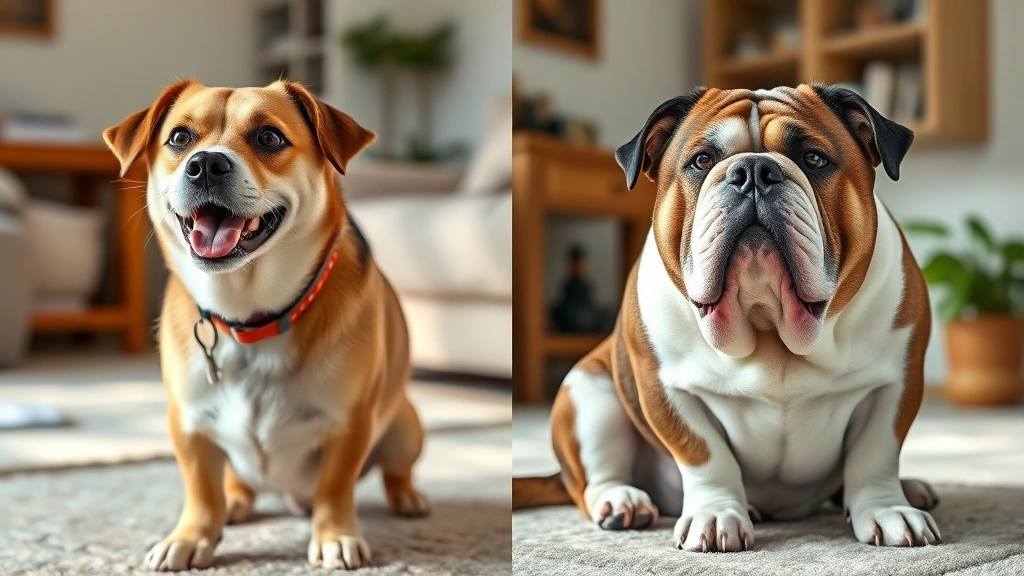
Advanced hypothyroidism affects multiple body systems. Your dog becomes severely lethargic, sometimes barely wanting to get up for meals. Significant weight gain is accompanied by muscle loss, creating a soft, flabby appearance despite the extra pounds.
Skin conditions worsen, and some dogs develop myxedema—a serious condition where fluid accumulates in tissues, causing facial swelling and a droopy appearance. Heart rate may drop dangerously low. Behavioral changes intensify; some dogs become withdrawn or anxious.
The encouraging news? Even at this advanced stage, thyroid medication can dramatically improve quality of life. Dogs that seemed to have given up often perk up noticeably once treatment begins.
Advanced-stage signs:
- Severe lethargy and depression
- Significant obesity with muscle wasting
- Severe coat problems and hair loss
- Facial swelling (myxedema)
- Slow heart rate and cold intolerance
- Neurological changes (confusion, lack of coordination)
Factors That Influence Progression Speed
Not every dog progresses through these stages at the same pace. Several factors affect how quickly thyroid disorder develops and worsens.
Breed predisposition: Golden Retrievers, Labrador Retrievers, Boxers, and Cocker Spaniels show higher rates of hypothyroidism. If your dog is one of these breeds, discuss thyroid screening at regular check-ups.
Age: Middle-aged and senior dogs develop thyroid problems more frequently. Dogs between 4-10 years old are at highest risk, though younger dogs can develop it too.
Genetics: If your dog’s parents or littermates had thyroid issues, your pup has higher risk. Autoimmune thyroiditis, the most common cause, can run in families.
Overall health: Dogs with other health conditions may see faster progression. Diabetes and thyroid disorders sometimes occur together, complicating management.
How Vets Diagnose and Stage Thyroid Disorder
Your veterinarian won’t guess—they’ll test. Blood work reveals thyroid hormone levels (T4 and T3) and thyroid-stimulating hormone (TSH). These numbers help vets determine which stage your dog is in and guide treatment decisions.
Some vets use a simple staging system: Stage 1 (subclinical), Stage 2 (mild clinical), Stage 3 (moderate clinical), and Stage 4 (severe clinical). Others focus on T4 levels alone. The key is understanding where your dog falls on the spectrum.
If you’re unsure whether your pet needs testing, a quick telehealth check-in with The Pet Vet can give you peace of mind—no appointment needed. A vet can review your dog’s symptoms and recommend whether bloodwork is necessary.
Treatment Options Across Different Stages
The wonderful thing about canine hypothyroidism is that it’s highly treatable. Dog thyroid disorder treatment options vary slightly depending on which stage your dog has reached.
Early stages: Monitoring and lifestyle adjustments (diet, exercise) may be all that’s needed initially. Your vet might recommend rechecking bloodwork in 6-8 weeks.
Moderate to advanced stages: Thyroid hormone replacement medication becomes essential. Most dogs require medication for life, but the dose may change over time. Your vet will recheck blood levels periodically to ensure your dog’s on the right amount.

Supportive care: Regardless of stage, a high-quality diet, appropriate exercise, and weight management support treatment. Some dogs benefit from supplements, though always discuss these with your vet first.
What to Expect After Diagnosis
Once your dog starts thyroid medication, improvement often happens faster than you’d expect. Within 2-4 weeks, many dogs show increased energy and enthusiasm. Coat quality improves over 2-3 months. Weight loss gradually follows as metabolism normalizes, though you’ll need to support this with appropriate diet and exercise.
Your vet will recheck bloodwork 4-6 weeks after starting medication to ensure the dose is correct. Adjustments are common—it’s not about finding the perfect dose on the first try, but rather fine-tuning based on your individual dog’s response.
Most importantly, your dog’s quality of life improves dramatically. That sluggish, sad pup often transforms back into a happier, more engaged companion.
Prevention and Early Screening
While you can’t completely prevent hypothyroidism, especially if it’s genetic, early detection makes all the difference. Here’s what responsible pet parents can do:
- Schedule regular wellness exams: Annual check-ups for younger dogs, twice yearly for seniors. Your vet can discuss thyroid screening based on breed and age.
- Know your breed’s risks: If you have a breed prone to thyroid issues, ask your vet about baseline thyroid testing around age 4-5.
- Monitor for subtle changes: Keep track of energy levels, weight, and coat quality. Changes that seem minor might signal early thyroid problems.
- Maintain a healthy weight: Obesity stresses the thyroid and masks symptoms. Proper nutrition and exercise support thyroid health.
- Discuss family history: Tell your vet if thyroid problems run in your dog’s family line. This influences screening recommendations.
Frequently Asked Questions
Can hypothyroidism go away on its own?
Unfortunately, no. Hypothyroidism is a lifelong condition requiring ongoing medication. However, with proper treatment, dogs live normal, happy lifespans.
Is thyroid disorder painful for my dog?
Thyroid disorder itself isn’t painful, but the secondary effects (skin infections, joint stiffness) can cause discomfort. Treatment addresses these issues.
How often will my dog need blood tests?
Initially, every 4-6 weeks after starting medication to adjust the dose. Once stable, typically annually or as your vet recommends.
Can diet help manage thyroid disorder?
A balanced, high-quality diet supports overall health and weight management, which helps. However, medication is essential—diet alone won’t treat hypothyroidism.
What’s the difference between hypothyroidism and hyperthyroidism?
Hypothyroidism (too little thyroid hormone) is common in dogs. Hyperthyroidism (too much) is rare in dogs but common in cats. Symptoms are opposite.
Summary: Understanding Your Dog’s Thyroid Health
Dog thyroid disorder stages explained—from subtle early changes to advanced symptoms—help you recognize problems before they seriously impact your pup’s quality of life. Early detection through regular vet visits and awareness of gradual changes gives your dog the best outcome.
The encouraging truth? Hypothyroidism is one of the most manageable chronic conditions in dogs. With medication and proper monitoring, most dogs thrive. Your veterinarian is your partner in catching this condition early and keeping your dog healthy for years to come.
What To Do Now
- Schedule a vet appointment: If your dog shows any symptoms mentioned in this article (lethargy, weight gain, coat changes), call your vet. If you’re unsure, a telehealth consultation can help you decide whether in-person testing is needed.
- Gather information about your dog’s breed: Research whether your dog’s breed is predisposed to thyroid issues. Share this with your vet at your next visit.
- Track your dog’s symptoms: Write down changes in energy, weight, coat quality, and behavior. Specific examples help your vet assess whether thyroid testing is warranted.
- Ask about baseline testing: If your dog is middle-aged or a breed at higher risk, discuss whether a baseline thyroid panel makes sense as a preventive measure.
- Learn about thyroid medication: Familiarize yourself with how thyroid treatment works so you can support your dog’s health if diagnosis occurs.
Remember: Catching thyroid problems early puts you in the perfect position to help your dog live their best life. You’re already doing great by learning about this condition.