
If your dog seems unwell after receiving a vaccination, you’re not alone in wondering whether dog toxicity after vaccination could be the culprit. Most dogs bounce back from their shots without incident, but some pet owners notice changes in behavior, appetite, or energy levels that understandably raise concerns. Understanding what’s normal, what warrants a closer look, and when to reach out for help can ease your worries and keep your pup safe.
Table of Contents
- What Exactly Is Vaccine Toxicity in Dogs?
- Common Mild Reactions vs. Signs of Concern
- Timeline: When Do Adverse Reactions Typically Appear?
- Recognizing Serious Symptoms That Demand Immediate Action
- Why Do Some Dogs React More Than Others?
- Managing Mild Symptoms at Home
- When to Reach Out to Your Veterinarian
- Understanding Your Dog’s Vaccination History
- Supporting Your Dog’s Immune System After Vaccination
- Talking to Your Vet About Vaccine Concerns
- The Bottom Line: Vaccination Benefits Still Outweigh Risks
- Frequently Asked Questions
- What to Do Now
This article is for informational purposes only and is not a substitute for professional veterinary advice. Always consult a licensed veterinarian for diagnosis and treatment.
What Exactly Is Vaccine Toxicity in Dogs?
Vaccine toxicity doesn’t mean your dog’s body is being poisoned by the vaccine itself. Rather, it refers to an adverse reaction—sometimes called a vaccine reaction or post-vaccination syndrome—where your dog’s immune system responds unusually to the vaccination. Think of it as your pup’s body overreacting to the trigger meant to protect them.
The reality is that severe toxicity from vaccines is rare. Most reactions are mild and resolve on their own within 24 to 48 hours. However, knowing the difference between a typical mild response and something that needs veterinary attention is crucial for every dog owner.
Common Mild Reactions vs. Signs of Concern
After vaccination, mild reactions are actually quite common and usually nothing to panic about. Your dog might feel a bit sluggish, skip a meal, or have a slight fever—all signs that their immune system is working. These typically fade quickly.
Here’s what mild reactions often look like:
- Slight lethargy or drowsiness for 24 hours
- Mild loss of appetite for one meal
- Slight swelling at the injection site
- Low-grade fever (not exceeding 103°F)
- Temporary reluctance to play or exercise
On the flip side, more serious signs that need prompt attention include persistent vomiting, diarrhea lasting more than a few hours, difficulty breathing, facial swelling, or severe behavioral changes. Catching this early puts you in a great position to help your dog get the care they need.
Timeline: When Do Adverse Reactions Typically Appear?
Most vaccine reactions happen within minutes to a few hours after the shot. Some pet owners notice changes right away, while others see symptoms develop over the next 24 to 48 hours. Delayed reactions—those appearing days or weeks later—are less common but do occur.
Understanding this timeline helps you connect the dots. If your dog suddenly seems off and you remember a vaccination appointment from the past week, there could be a link. Keep a simple log of vaccination dates and any changes you notice afterward; this information is gold when talking to your vet.
Recognizing Serious Symptoms That Demand Immediate Action
While most reactions are mild, some symptoms signal that your dog needs urgent veterinary care. Don’t wait or hope these pass on their own.
Seek immediate help if your dog shows:
- Difficulty breathing or wheezing
- Severe facial or throat swelling (angioedema)
- Persistent or severe vomiting and diarrhea
- Collapse or loss of consciousness
- Seizures or tremors
- Uncontrollable itching or hives covering the body
- Signs of pain or extreme restlessness
- Pale or blue-tinged gums
These symptoms, though uncommon, represent true emergencies. Your dog’s body may be experiencing an allergic or inflammatory reaction that requires professional intervention right away. Don’t hesitate to call your vet or an emergency clinic.
Why Do Some Dogs React More Than Others?
Just like people, dogs have individual immune systems. Some pups sail through vaccination day without a hiccup, while others show more noticeable responses. Several factors influence how your dog’s body reacts.
Smaller breeds and toy dogs sometimes show more visible reactions, partly because any fever or inflammation affects their smaller frames more noticeably. Dogs with previous vaccine sensitivities or allergies are at higher risk for repeat reactions. Age matters too—very young puppies and senior dogs may respond differently than healthy adults in their prime.
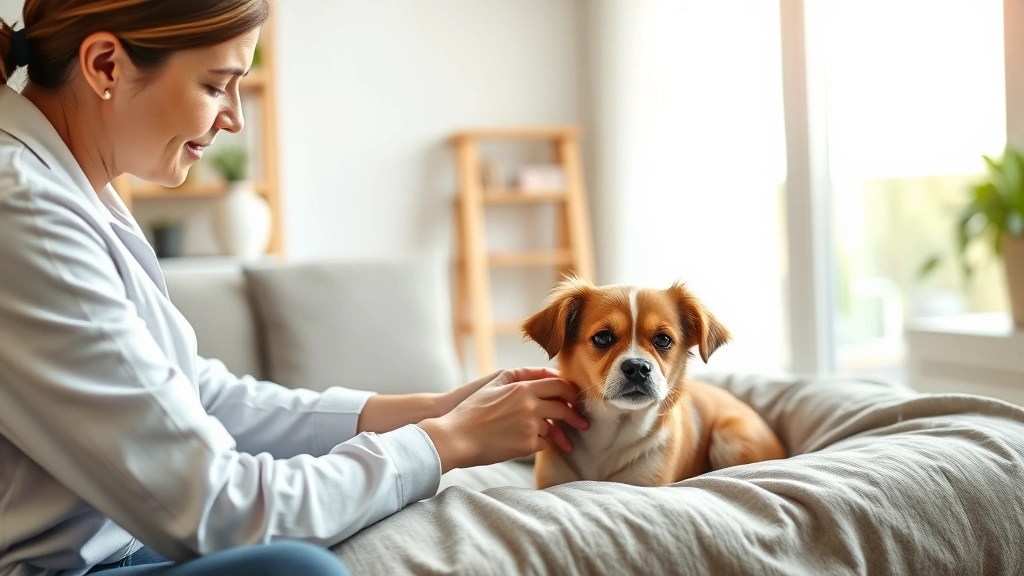
Pre-existing health conditions, stress levels, and even nutrition play subtle roles in how well your dog tolerates vaccination. If your pup has a history of reactions, mention this to your vet before the next appointment so they can plan accordingly.
Managing Mild Symptoms at Home
If your dog is showing mild signs of post-vaccination discomfort, there are several supportive steps you can take at home while monitoring their progress.
Helpful home care strategies include:
- Keep your dog calm and rested — Minimize play and exercise for 24 to 48 hours. A quiet space away from other pets helps them recover.
- Offer fresh water frequently — Dehydration can worsen symptoms. Place water bowls in easy-to-reach spots.
- Serve small, bland meals — If your dog is eating, offer plain boiled chicken or rice in small portions rather than their regular food.
- Monitor temperature gently — A dog’s normal temperature ranges from 101 to 102.5°F. If you suspect fever, contact your vet for guidance on safe monitoring.
- Apply a cool compress to the injection site — If there’s localized swelling, a clean, cool cloth can provide comfort.
These measures support your dog’s body while it processes the vaccine. Most mild reactions resolve within 48 hours with this gentle care.
When to Reach Out to Your Veterinarian
You don’t need to wait for an emergency to call your vet. In fact, reaching out early often prevents small concerns from becoming bigger problems. Your veterinarian is your partner in keeping your dog healthy.
Contact your vet if symptoms persist beyond 48 hours, worsen over time, or if you’re simply unsure whether what you’re seeing is normal. If you are unsure whether your pet needs urgent care, a quick telehealth check-in can give you peace of mind — no appointment needed. Many vets now offer same-day or next-day consultations, and telehealth options mean you don’t have to leave home.
If your dog isn’t eating after a day or two, talking to a vet about your dog not eating online can help you understand whether this is normal post-vaccination behavior or something requiring intervention. Similarly, if your dog is vomiting after vaccination, professional guidance helps you decide next steps.
Understanding Your Dog’s Vaccination History
Keeping detailed records of your dog’s vaccinations—dates, which vaccines, and any reactions—creates a valuable health profile. Share this history with your vet, especially before future vaccinations. This information helps your vet tailor their approach and potentially adjust the vaccination schedule if needed.
Some vets recommend spacing out vaccines or using alternative schedules for dogs with known sensitivities. Others may pre-treat with antihistamines or anti-inflammatory medications for high-risk dogs. Your vet can discuss these options based on your individual dog’s needs.
According to the American Veterinary Medical Association (AVMA), adverse vaccine events should be reported, which helps the veterinary community track safety patterns and improve protocols over time.
Supporting Your Dog’s Immune System After Vaccination
Beyond managing immediate symptoms, you can support your dog’s overall immune health in the weeks following vaccination. A strong, balanced immune system bounces back faster and handles stress better.
Post-vaccination wellness tips:
- Maintain consistent, high-quality nutrition tailored to your dog’s age and size
- Ensure adequate sleep and rest—this is when immune recovery happens
- Avoid unnecessary stressors in the week following vaccination
- Keep your dog up to date on parasite prevention and dental care
- Provide regular, moderate exercise once recovery is complete
Think of vaccination recovery like athletic training: proper nutrition, rest, and gradual return to normal activity optimize the process. Your dog’s body is building protective immunity, and these supportive measures help that process along.
Talking to Your Vet About Vaccine Concerns
If you have concerns about vaccination or have noticed patterns of reactions in your dog, don’t feel shy about bringing this up with your veterinarian. Good vets welcome these conversations and work with you to find the safest approach for your individual pet.
Come prepared with details: dates of previous reactions, specific symptoms, how long they lasted, and what seemed to help. This information helps your vet assess risk and discuss options like dog toxicity treatment options or modified vaccination protocols.
You might also ask about dog gastrointestinal issues after vaccination, as digestive upset is one of the more common post-vaccine concerns. If your dog shows behavioral changes, asking a vet about dog behavior problems can help rule out vaccination as a trigger or confirm a connection.
The Bottom Line: Vaccination Benefits Still Outweigh Risks
It’s important to keep perspective: vaccines save lives. The diseases they prevent—rabies, distemper, parvovirus—are far more dangerous than the small risk of adverse reactions. Millions of dogs are vaccinated safely every year, and the vast majority experience no problems at all.
That said, your vigilance matters. By staying informed about what to watch for, you’re empowering yourself to catch any real concerns early and get your dog the help they need quickly. This balanced approach—supporting vaccination while monitoring for reactions—is exactly what responsible pet ownership looks like.
Your dog’s health is a partnership between you and your veterinary team. Stay informed, stay observant, and don’t hesitate to reach out when something feels off.
Frequently Asked Questions
How long do vaccine reactions typically last in dogs?
Most mild reactions resolve within 24 to 48 hours on their own. If symptoms persist beyond this window or worsen, contact your veterinarian for guidance.
Can I give my dog pain relief medication for post-vaccination discomfort?
Never give any medication without explicit veterinary approval, as some pain relievers can interact with vaccines or mask serious symptoms. Always check with your vet first.
Is it safe to vaccinate a dog that had a previous reaction?
This depends on the severity of the prior reaction and your dog’s overall health. Your vet may recommend modified protocols, pre-treatment, or adjusted schedules—discuss your dog’s history with them before the next vaccination.
What’s the difference between a normal post-vaccine response and actual toxicity?
Normal responses are mild (slight lethargy, low appetite) and resolve quickly. Toxicity involves more serious symptoms like difficulty breathing, severe swelling, or persistent vomiting—these need immediate veterinary attention.
Should I delay my dog’s vaccination if they’re already unwell?
Generally, yes. Vaccinating a dog that’s already sick can stress their immune system further. Talk to your vet about rescheduling if your dog is under the weather.
What to Do Now
- Review your dog’s vaccination records — Gather dates and note any symptoms you observed after previous vaccinations. This creates a helpful reference for your vet.
- Schedule a pre-vaccination consultation — If your dog has a history of reactions, call your vet before the next appointment to discuss modified protocols or pre-treatment options.
- Set a reminder to monitor closely after the next vaccination — Plan to watch your dog carefully for 48 hours post-vaccine and keep notes on any changes, even minor ones.
- Bookmark your vet’s after-hours contact information — Know how to reach emergency care if needed. Having this information handy reduces stress if something does come up.
- Consider a telehealth check-in if you’re uncertain — Online vet advice is available 24/7, so you don’t have to wonder alone if something seems off after vaccination.