
When your dog starts showing signs of illness after eating something unusual, understanding the best diet for managing dog toxicity becomes one of your most important responsibilities as a pet owner. Whether your pup accidentally ate something toxic or you’re dealing with the aftermath of poisoning, knowing how to feed your dog safely during recovery can make all the difference in their health and happiness.
Table of Contents
- What Causes Dog Toxicity and Why Diet Matters
- Common Toxic Foods Your Dog Should Never Eat
- Signs Your Dog May Be Experiencing Toxicity
- The Best Diet for Dogs Recovering from Toxicity
- Home-Cooked Options for Toxicity Recovery
- Prescription Diets and Veterinary Recommendations
- Managing Gastrointestinal Issues During Recovery
- Supporting Liver and Kidney Function Through Diet
- Transitioning Back to Normal Food
- Foods to Avoid Long-Term After Toxicity
- When to Seek Telehealth Support
- Frequently Asked Questions
- What To Do Now
- Summary: Keeping Your Dog Safe and Healthy
This article is for informational purposes only and is not a substitute for professional veterinary advice. Always consult a licensed veterinarian for diagnosis and treatment.
Toxicity in dogs is more common than you might think. From chocolate and grapes to certain medications and household chemicals, our homes contain countless substances that can harm our furry friends. But here’s the good news: with the right dietary approach and prompt veterinary care, many dogs recover beautifully from toxic exposures.
What Causes Dog Toxicity and Why Diet Matters
Dog toxicity occurs when your pet ingests substances that are poisonous to their system. These can range from foods that are toxic to dogs to medications, plants, and chemicals. The severity depends on what was ingested, how much, and your dog’s size and health status.
Diet plays a crucial role in recovery because the right food supports your dog’s liver and kidneys—the organs responsible for processing and eliminating toxins from the body. A carefully chosen diet can reduce the workload on these vital organs while providing essential nutrients for healing.
Think of proper nutrition as your dog’s recovery toolkit. It’s not just about avoiding harmful foods; it’s about actively supporting their body’s natural detoxification processes.
Common Toxic Foods Your Dog Should Never Eat
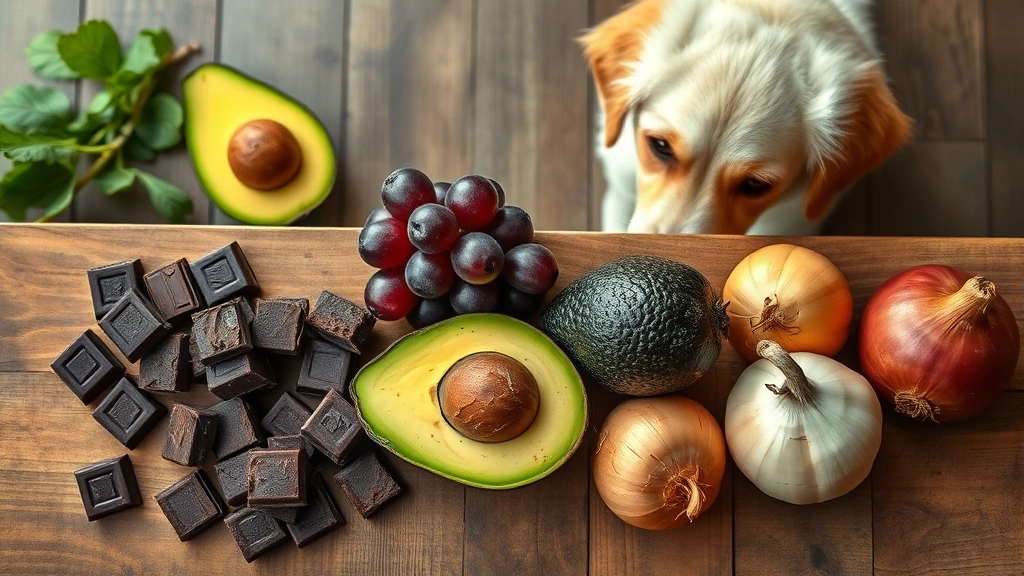
Before we discuss the best diet for toxicity management, let’s be clear about what to keep away from your dog entirely. Certain human foods are genuinely dangerous for our canine companions.
- Chocolate: Contains theobromine, which can cause tremors, seizures, and heart problems
- Grapes and raisins: Can cause acute kidney failure even in small amounts
- Xylitol (artificial sweetener): Causes dangerous drops in blood sugar and liver damage
- Avocado: Contains persin, which may cause vomiting and diarrhea
- Onions and garlic: Damage red blood cells and cause hemolytic anemia
- Macadamia nuts: Can cause weakness, tremors, and hyperthermia
- Fatty foods: May trigger pancreatitis, especially in susceptible breeds
- Alcohol: Even small amounts are toxic to dogs
If you suspect your dog has eaten any of these items, contact your veterinarian or an emergency vet clinic immediately. Time is critical in toxicity cases.
Signs Your Dog May Be Experiencing Toxicity
Recognizing early warning signs helps you get your dog the care they need quickly. Symptoms can appear within minutes or take several hours, depending on what was ingested.
Common signs include vomiting, diarrhea, letharness, loss of appetite, excessive drooling, tremors, seizures, difficulty breathing, or unusual behavior. Some toxins cause immediate dramatic symptoms, while others develop gradually over days or weeks.
If you notice any combination of these signs, especially after your dog has eaten something unusual, reach out to your vet right away. Catching this early puts you in a great position to help your dog recover faster.
The Best Diet for Dogs Recovering from Toxicity
Once your veterinarian has assessed your dog’s condition, dietary management becomes a key part of their recovery plan. The dog toxicity best diet focuses on easily digestible foods that support organ function without adding stress to the system.
Characteristics of a Safe Recovery Diet
The ideal diet for a dog recovering from toxicity should be:
- Easily digestible: Minimizes stress on the gastrointestinal tract
- Low in fat: Reduces burden on the liver and pancreas
- Moderate in protein: Supports healing without overwhelming the kidneys
- Free from additives: No artificial colors, flavors, or preservatives
- Bland and simple: Limited ingredients reduce the risk of further irritation
Your veterinarian may recommend a prescription diet specifically formulated for toxicity recovery, or they might suggest a home-cooked approach with simple, whole ingredients.
Home-Cooked Options for Toxicity Recovery
Many vets support home-cooked diets during recovery because you control every ingredient. This approach eliminates mystery components and allows you to feed your dog food you trust completely.
Common home-cooked recovery meals include boiled chicken breast with white rice, plain turkey with sweet potato, or lean beef with pumpkin puree. These combinations provide protein and carbohydrates without excess fat or digestive irritants.
Always cook meat thoroughly and avoid adding salt, spices, or oils. The goal is simplicity. For specific recipes tailored to your dog’s condition, check out our guide on low fat dog recipes, which offers nutritious options perfect for sensitive digestive systems.
Prescription Diets and Veterinary Recommendations
Your vet may recommend a prescription diet formulated to support organ function during toxicity recovery. These diets are scientifically balanced to ease the burden on your dog’s liver and kidneys while providing optimal nutrition.
Prescription options often include limited ingredient diets, hepatic support formulas, or renal support diets depending on which organs were affected by the toxin. These aren’t just regular dog food—they’re therapeutic interventions designed specifically for recovery.
Don’t skip this step if your vet recommends it. Prescription diets are worth the investment because they’re formulated to actually help your dog heal, not just fill their belly.
Managing Gastrointestinal Issues During Recovery
Many dogs experience digestive upset after toxin exposure. Vomiting and diarrhea are common, and feeding the right foods can help resolve these issues more quickly.
If your dog is experiencing gastrointestinal problems, smaller, more frequent meals work better than large portions. This approach reduces stomach stress and makes digestion easier. Gradually introduce foods back into their diet rather than switching everything at once.
For detailed guidance on managing ongoing digestive issues, our article on dog gastrointestinal issues chronic management provides comprehensive strategies that complement toxicity recovery nutrition.
Supporting Liver and Kidney Function Through Diet
The liver and kidneys bear the brunt of toxin exposure, so supporting these organs through diet is essential. Certain nutrients actively support their function and help them process and eliminate toxins more effectively.
Foods rich in antioxidants, like pumpkin and carrots, help protect cells from damage. Omega-3 fatty acids from fish support liver health. B vitamins aid in detoxification processes. However, balance is key—too much of any nutrient can overwhelm recovering organs.
Your veterinarian can recommend specific supplements or dietary additions that support organ function without causing problems. This might include milk thistle for liver support or specific renal-support diets if kidney function is compromised.
Transitioning Back to Normal Food
Once your dog shows improvement and your vet gives the all-clear, you’ll gradually transition them back to their regular diet. This process typically takes 7-10 days and requires patience to avoid triggering a relapse.
Start by mixing 25% of their regular food with 75% of the recovery diet for 2-3 days. Then move to a 50/50 mix for another 2-3 days, followed by 75% regular food and 25% recovery diet. Finally, transition fully to their normal food over the last few days.
This gradual approach gives your dog’s digestive system time to readjust without shock. Watch for any signs of upset during this transition, and slow down if problems develop.

Foods to Avoid Long-Term After Toxicity
Even after full recovery, some dogs may have lingering sensitivities. It’s wise to permanently avoid the foods that caused the initial problem and any others your vet identifies as problematic for your specific dog.
Additionally, avoid giving your dog table scraps, fatty treats, or foods with artificial sweeteners indefinitely. These precautions reduce the risk of future toxicity incidents and keep your dog’s digestive and organ systems healthy.
Prevention is always easier than treatment. Once you’ve been through a toxicity scare, you’ll likely be much more careful about what your dog has access to.
When to Seek Telehealth Support
If you’re unsure whether your dog’s symptoms warrant a full emergency visit, or if you need guidance on diet transitions during recovery, telehealth can be incredibly helpful. If you are unsure whether your pet needs urgent care, a quick telehealth check-in can give you peace of mind — no appointment needed.
The Pet Vet offers convenient access to licensed veterinarians who can review your dog’s symptoms, discuss your recovery plan, and answer questions about the best diet for your situation. This is especially useful for non-emergency concerns that still deserve professional guidance.
Frequently Asked Questions
How long does it take for a dog to recover from toxicity?
Recovery time varies dramatically depending on what was ingested and how much. Some dogs recover within 24-48 hours, while others may need weeks or months of dietary management and monitoring. Your vet will give you a timeline based on your dog’s specific situation.
Can I use over-the-counter dog food for toxicity recovery?
Some over-the-counter limited ingredient or sensitive stomach formulas work well for recovery, but prescription diets are often superior because they’re specifically formulated for toxicity support. Ask your vet whether commercial or home-cooked options are best for your dog.
Should I give my dog supplements during toxicity recovery?
Only give supplements your veterinarian specifically recommends. While some supplements support organ function, others may interfere with recovery or interact with medications. Always check with your vet first.
What if my dog refuses to eat the recovery diet?
Try warming the food slightly to enhance its aroma, mixing in a small amount of low-sodium broth, or hand-feeding your dog. If refusal continues, contact your vet—sometimes appetite loss is a sign of ongoing toxicity effects that need attention.
Can dietary changes alone treat toxicity?
Diet supports recovery but cannot treat toxicity alone. Your dog needs veterinary care including possible decontamination, medications, and monitoring. Diet is one crucial piece of a comprehensive treatment plan.
What To Do Now
- Contact your veterinarian immediately if you suspect your dog has ingested something toxic. Provide details about what was eaten, when, and how much if possible.
- Follow your vet’s recovery diet recommendations precisely, whether that’s a prescription diet, home-cooked meals, or a combination approach. Consistency matters for healing.
- Keep a food diary during recovery noting what your dog eats, any symptoms that appear, and how they respond to dietary changes. Share this with your vet at follow-up appointments.
- Dog-proof your home by removing access to toxic foods and substances. Store chocolate, grapes, medications, and cleaning supplies securely where your dog cannot reach them.
- Schedule a follow-up appointment with your vet once your dog completes the recovery diet to confirm they’re fully healed and safe to return to normal feeding.
Summary: Keeping Your Dog Safe and Healthy
The dog toxicity best diet focuses on easily digestible, nutrient-dense foods that support your dog’s liver and kidneys during recovery. Whether your vet recommends a prescription diet, home-cooked meals, or a combination approach, the key is following their guidance carefully and monitoring your dog’s progress closely.
Recovery from toxicity is absolutely possible with prompt veterinary care and proper nutrition. By understanding which foods are dangerous, recognizing early warning signs, and feeding your dog the right recovery diet, you’re giving them the best chance to bounce back to their happy, healthy self.
Remember, every dog is different, and what works for one may not work for another. Your veterinarian knows your dog’s specific situation and can provide personalized recommendations that give you confidence moving forward. For ongoing support with your dog’s dietary needs and recovery, explore resources on specialized diets and don’t hesitate to reach out to The Pet Vet for guidance.
Your vigilance in preventing toxicity and your commitment to proper recovery nutrition shows how much you care. That dedication makes all the difference in your dog’s health and longevity.