
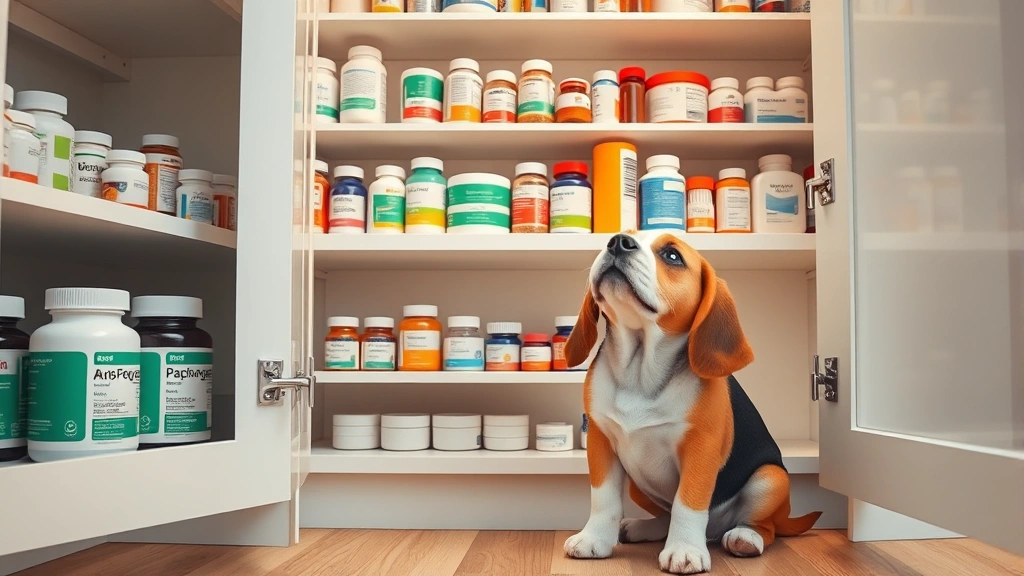
If your dog has accidentally gotten into your medicine cabinet, or you’re worried about dog toxicity causes related to common household medications, you’re not alone—and your concern is completely valid. Many pet owners don’t realize that medications safe for humans can be dangerously toxic to dogs, sometimes in surprisingly small doses. Understanding which medications pose the biggest risks is one of the most important steps you can take to keep your furry friend safe.
Table of Contents
- Why Dogs Are More Vulnerable to Medication Toxicity
- NSAIDs: Pain Relief That Can Cause Real Harm
- Acetaminophen: A Deceptively Dangerous Painkiller
- Antidepressants and Anti-Anxiety Medications: When Mental Health Meds Become Toxic
- Decongestants: Cold Medicine That Raises Heart Rate Dangerously
- Thyroid Medications: When Hormone Regulators Become Overdoses
- Stimulants: ADHD and Weight Loss Medications
- Beta-Blockers and Heart Medications: When Heart Health Meds Harm Your Dog
- Recognizing Signs of Medication Toxicity in Dogs
- What To Do If Your Dog Ingests Medication
- Preventing Medication Toxicity: Smart Storage Solutions
- Understanding Your Dog’s Risk Factors
- Frequently Asked Questions
- Summary: Keeping Your Dog Safe From Medication Toxicity
This article is for informational purposes only and is not a substitute for professional veterinary advice. Always consult a licensed veterinarian for diagnosis and treatment.
Why Dogs Are More Vulnerable to Medication Toxicity
Dogs metabolize medications differently than humans do. Their livers and kidneys process drugs at different rates, which means a dose that’s perfectly safe for you could cause serious harm to your pup. Additionally, dogs are naturally curious creatures who might chew through pill bottles or eat dropped tablets without understanding the danger.
Size matters too. A medication that’s fine for a 200-pound human could be toxic for a 20-pound dog. This is why accidental ingestion of human medications is one of the most common poisoning emergencies veterinarians see.
NSAIDs: Pain Relief That Can Cause Real Harm
Non-steroidal anti-inflammatory drugs (NSAIDs) like ibuprofen and naproxen are staples in most medicine cabinets. While these are generally safe for human use, they can cause serious gastrointestinal damage and kidney problems in dogs. Even a single dose can potentially lead to vomiting, diarrhea, and loss of appetite.
The danger escalates quickly with repeated exposure or larger doses. Dogs may experience stomach ulcers, internal bleeding, and acute kidney injury. Catching these symptoms early puts you in a great position to help your dog recover.
If you suspect your dog has eaten an NSAID, contact your veterinarian or call a 24-hour online vet immediately for guidance on next steps.
Acetaminophen: A Deceptively Dangerous Painkiller
Acetaminophen (Tylenol) is another medication that many people don’t realize is toxic to dogs. Even relatively small amounts can damage a dog’s liver and red blood cells. The challenge is that acetaminophen is found in many over-the-counter products beyond just pain relievers—it’s often hidden in cold medicines and combination products.
Signs that your dog may be experiencing acetaminophen toxicity include lethargy, vomiting, brownish urine, and pale gums. These symptoms can develop within hours of ingestion, so rapid veterinary attention is critical.
Antidepressants and Anti-Anxiety Medications: When Mental Health Meds Become Toxic
Selective serotonin reuptake inhibitors (SSRIs) like sertraline and fluoxetine, along with other psychiatric medications, can cause serious problems if ingested by dogs. These medications can lead to serotonin syndrome, a potentially life-threatening condition characterized by agitation, rapid heart rate, high blood pressure, muscle rigidity, and seizures.
Even a single pill swallowed accidentally can trigger concerning symptoms. If your dog has gotten into your antidepressants, don’t wait to see if symptoms develop—contact your vet right away.

Decongestants: Cold Medicine That Raises Heart Rate Dangerously
Common decongestants like pseudoephedrine (found in Sudafed and many cold medicines) stimulate the nervous system and can cause dangerous increases in heart rate and blood pressure in dogs. A dog who has ingested a decongestant might seem hyperactive, anxious, or restless, with a noticeably rapid heartbeat.
In severe cases, decongestant toxicity can lead to tremors, seizures, and even collapse. This is why it’s so important to store all cold and allergy medications in a secure place where curious paws can’t reach them.
Thyroid Medications: When Hormone Regulators Become Overdoses
If you take thyroid medication like levothyroxine, keep it far away from your dog. Even a single tablet can cause serious problems, especially in smaller dogs. Excess thyroid hormone can lead to rapid heart rate, tremors, anxiety, and gastrointestinal upset.
The tricky part is that thyroid medication toxicity symptoms can take several hours to appear, which is why immediate veterinary evaluation is so important. Your vet may need to monitor your dog’s heart rate and thyroid levels closely.
Stimulants: ADHD and Weight Loss Medications
Prescription stimulants like methylphenidate (Ritalin) and amphetamine-based medications, as well as weight loss drugs, can cause severe toxicity in dogs. These medications overstimulate the nervous system, leading to rapid heart rate, high blood pressure, tremors, seizures, and dangerous body temperature elevation.
Even prescription weight loss medications that contain sympathomimetic amines can be extremely dangerous. If your dog has eaten any stimulant medication, this is a genuine emergency that requires immediate veterinary care.
Beta-Blockers and Heart Medications: When Heart Health Meds Harm Your Dog
Medications like propranolol and other beta-blockers are prescribed to manage human heart conditions, but they can cause dangerously low heart rate and blood pressure in dogs. A dog who has ingested a beta-blocker might appear lethargic, weak, or have difficulty breathing.
These symptoms can develop gradually, which means some owners might miss the warning signs. If you know your dog has eaten a heart medication, don’t assume they’re fine just because they seem normal initially—veterinary evaluation is essential.
Recognizing Signs of Medication Toxicity in Dogs
The symptoms of medication toxicity vary depending on which drug your dog ingested, but there are some common warning signs to watch for:
- Vomiting or diarrhea
- Loss of appetite or refusal to eat
- Excessive drooling or difficulty swallowing
- Tremors or muscle rigidity
- Seizures or collapse
- Rapid or irregular heartbeat
- Lethargy or unusual drowsiness
- Restlessness or hyperactivity
- Pale or discolored gums
- Difficulty breathing
If you notice any of these signs and suspect medication ingestion, contact your veterinarian immediately. Time is often critical in toxicity cases.
What To Do If Your Dog Ingests Medication
- Stay calm and gather information: Note the medication name, dose, time of ingestion, and your dog’s weight. This information is crucial for your vet to assess risk.
- Contact your veterinarian or emergency clinic immediately: Don’t wait to see if symptoms develop. Many toxicities are easier to treat when caught early.
- Consider a telehealth consultation: If you’re unsure whether your pet needs urgent care, a quick telehealth check-in can give you peace of mind—no appointment needed, and you’ll get professional guidance within minutes.
- Follow your vet’s instructions on decontamination: Your vet may recommend inducing vomiting or activated charcoal, depending on the medication and timing.
- Be prepared for monitoring or hospitalization: Some toxicities require observation and supportive care at a veterinary clinic to ensure your dog’s safety.
Preventing Medication Toxicity: Smart Storage Solutions
Prevention is always better than treatment when it comes to medication toxicity. Here are practical steps to protect your dog:
- Store all medications in high cabinets or locked drawers that your dog cannot access
- Keep medications in their original labeled bottles—never transfer them to unmarked containers
- Be especially careful with medications that fall on the floor during refills or when opening bottles
- Never leave medications on nightstands, bathroom counters, or coffee tables
- Dispose of expired medications properly at a pharmacy, not in the trash where dogs might find them
- Inform guests and family members about your safety precautions so they don’t leave their medications accessible
- Keep the ASPCA Animal Poison Control Center number (888-426-4435) posted near your phone
Understanding Your Dog’s Risk Factors
Some dogs are at higher risk for serious complications from medication toxicity. Puppies and senior dogs have less efficient liver and kidney function, making them more vulnerable. Small breed dogs are at risk because even tiny doses can represent a large dose relative to their body weight.
Dogs with existing health conditions, particularly liver or kidney disease, are also at increased risk. If your dog falls into any of these categories, extra vigilance about medication storage is especially important. If your dog has diabetes or other chronic conditions, your vet should know about any accidental medication exposure immediately.
Frequently Asked Questions
What should I do immediately if my dog eats a medication?
Contact your veterinarian or emergency clinic right away with information about the medication, dose, and time of ingestion. Don’t wait for symptoms to appear—early intervention can make a significant difference in outcomes.
Is one pill of human medication always dangerous for dogs?
It depends on the medication and your dog’s size, but many human medications can cause harm even in small doses. Always treat any accidental ingestion as a potential emergency and contact your vet.
Can activated charcoal help if my dog eats medication?
Activated charcoal may help in some cases, but only if given within a certain timeframe and for specific medications. Your veterinarian will determine if this is appropriate for your situation.
How long does medication toxicity take to show symptoms?
Symptoms can appear within minutes to several hours depending on the medication. Some toxicities develop gradually, which is why veterinary evaluation is important even if your dog seems fine initially.
Are prescription dog medications safer than human medications for dogs?
Yes, veterinary medications are formulated and dosed specifically for dogs, taking into account their unique metabolism. Always use only medications prescribed by your veterinarian for your dog.
Summary: Keeping Your Dog Safe From Medication Toxicity
Understanding dog toxicity causes related to common medications is one of the most important ways you can protect your furry family member. NSAIDs, acetaminophen, antidepressants, decongestants, thyroid medications, stimulants, and heart medications all pose serious risks if ingested by dogs.
The good news is that medication toxicity is largely preventable through careful storage and awareness. If your dog does accidentally ingest medication, knowing what to do and acting quickly can make all the difference. Don’t hesitate to contact your veterinarian or reach out for professional guidance—they’re there to help, and catching toxicity early puts your dog in the best possible position for recovery.
Your vigilance and quick action could save your dog’s life. Keep emergency contact information readily available, store medications securely, and never hesitate to call your vet with concerns. Your dog is counting on you to keep them safe.