
When your dog ingests something toxic, knowing how to provide dog toxicity home treatment can make the difference between a minor scare and a serious emergency. If you’ve just realized your pup got into something dangerous, take a breath—you’re already in the right mindset to help by seeking information.
Table of Contents
- Understanding Common Household Toxins for Dogs
- Recognizing Signs Your Dog May Be Experiencing Toxicity
- Step 1: Identify What Your Dog Ate (If Possible)
- Step 2: Contact Your Veterinarian or Poison Control Immediately
- Step 3: Assess Whether Inducing Vomiting Is Appropriate
- Step 4: Provide Activated Charcoal Under Veterinary Direction
- Step 5: Monitor Hydration and Nutrition During Recovery
- Step 6: Create a Safe Home Environment Going Forward
- Step 7: Follow Up With Your Veterinarian
- When to Seek Emergency Veterinary Care
- Supporting Your Dog’s Liver and Kidneys After Toxin Exposure
- Understanding Toxicity Severity Levels
- Frequently Asked Questions
- What To Do Now
- Summary: Taking Action on Dog Toxicity Home Treatment
This article is for informational purposes only and is not a substitute for professional veterinary advice. Always consult a licensed veterinarian for diagnosis and treatment.
Understanding Common Household Toxins for Dogs
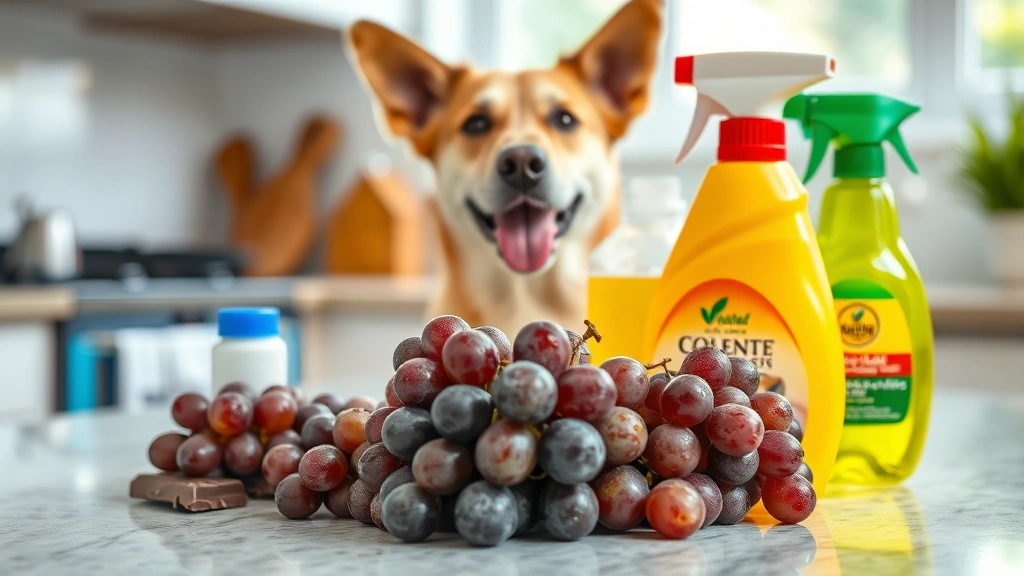
Your home contains more hazards than you might realize. Chocolate, xylitol (found in sugar-free products), grapes, raisins, onions, and garlic are everyday foods that can poison dogs. Many pet owners are shocked to learn that items they consider safe—like certain houseplants, medications, and cleaning supplies—pose serious risks.
Recognizing what’s toxic is the first step toward prevention. Dogs are naturally curious creatures, and their tendency to explore with their mouths means accidental poisoning happens more often than we’d like to admit. The good news? Most toxic exposures have better outcomes when caught early.
Recognizing Signs Your Dog May Be Experiencing Toxicity
Your dog might be experiencing poisoning if you notice vomiting, diarrhea, lethargy, drooling, tremors, or loss of appetite. Some toxins cause rapid symptoms within minutes, while others develop over hours or even days. Behavioral changes—like excessive panting, restlessness, or unusual aggression—can also signal distress.
Catching these early signs puts you in a great position to help your dog recover quickly. If you notice any combination of these symptoms after a known or suspected ingestion, don’t wait to act.
Step 1: Identify What Your Dog Ate (If Possible)
The first action in dog toxicity home treatment is figuring out exactly what your pet consumed. Check the area where you found your dog, look for packaging, and note the approximate amount. If it’s a food item, read the label for ingredients—especially checking for xylitol, which is extremely toxic even in small quantities.
Write down the time of ingestion and any details you remember. This information is invaluable when you contact your veterinarian or poison control. If you’re unsure what your dog ate, describe the location and any visible evidence.
Step 2: Contact Your Veterinarian or Poison Control Immediately
Don’t delay—call your vet right away or contact the ASPCA Animal Poison Control Center at (888) 426-4435. They’re available 24/7 and can provide immediate guidance based on your dog’s weight, age, and what was ingested. There’s typically a small consultation fee, but it’s worth every penny for peace of mind.
Your vet might recommend immediate vet consultation or monitoring at home depending on the toxin. If you are unsure whether your pet needs urgent care, a quick telehealth check-in can give you peace of mind—no appointment needed.
Step 3: Assess Whether Inducing Vomiting Is Appropriate
In some cases, inducing vomiting can prevent absorption of toxins if done within 2-4 hours of ingestion. However, this isn’t always safe—certain substances cause additional damage coming back up, and some dogs shouldn’t have vomiting induced due to health conditions. Never attempt this without professional guidance.
Your veterinarian will tell you whether vomiting induction is appropriate for your specific situation. This decision depends on the toxin type, your dog’s health status, and how long ago the ingestion occurred.
Step 4: Provide Activated Charcoal Under Veterinary Direction
Activated charcoal can bind certain toxins in your dog’s stomach, preventing absorption into the bloodstream. However, it’s not effective for all poisons, and improper use can cause complications. Your vet will advise whether this is suitable and how to administer it safely.
This step should only be done when your veterinarian specifically recommends it. Never give activated charcoal without professional guidance, as it can interfere with other treatments or medications.
Step 5: Monitor Hydration and Nutrition During Recovery
As your dog recovers from toxicity exposure, maintaining proper hydration is crucial. Offer small amounts of water frequently rather than one large bowl. Some toxins cause gastrointestinal upset, so your vet might recommend a bland diet of boiled chicken and white rice temporarily.
Keep a close eye on your dog’s eating and drinking habits. If vomiting or diarrhea persists beyond what your vet indicated, contact them immediately. Recovery timelines vary depending on the toxin—some dogs bounce back within hours, while others need several days.
Step 6: Create a Safe Home Environment Going Forward
Prevention is always better than treatment. Store medications, supplements, and cleaning products in secure cabinets away from curious noses. Keep chocolate, grapes, raisins, and xylitol-containing products in high shelves or locked drawers.
Review common household plants that are toxic to dogs, including lilies, sago palms, and oleander. If you have these plants, relocate them or remove them entirely. A few simple changes now prevent future emergencies.
Step 7: Follow Up With Your Veterinarian
Even if your dog seems fine after a toxicity scare, schedule a follow-up appointment. Your vet might recommend blood work or other tests to ensure no organ damage occurred. Some toxins cause delayed effects that aren’t immediately obvious.
This follow-up visit gives you peace of mind and ensures your dog is truly on the mend. It’s also an excellent time to discuss prevention strategies tailored to your specific dog and home environment.
When to Seek Emergency Veterinary Care
Certain situations demand immediate emergency care, not just a phone call. If your dog is having difficulty breathing, experiencing severe seizures, is unconscious, or showing signs of extreme distress, head to an emergency vet clinic right now. Severe tremors, uncontrollable vomiting, or collapse indicate your dog needs hands-on treatment immediately.
Don’t second-guess yourself in these situations. It’s always better to err on the side of caution with potential toxicity. Emergency vets are equipped to provide IV fluids, medications, and monitoring that home treatment cannot replicate.
Supporting Your Dog’s Liver and Kidneys After Toxin Exposure
Many toxins stress the liver and kidneys, which filter toxins from the body. Your vet might recommend specific supportive care during recovery. This could include increased water intake, dietary adjustments, or supplements that support organ function.

Ask your veterinarian about dog gastrointestinal issues medication dosage guide information if your dog is experiencing digestive upset. Proper nutrition during recovery helps your dog’s body heal faster.
Understanding Toxicity Severity Levels
Not all toxic exposures are equally dangerous. The severity depends on the specific substance, the amount ingested, your dog’s size and age, and how quickly treatment begins. A small dog eating a grape faces higher risk than a large dog eating the same amount.
Your vet will explain your dog’s specific risk level and prognosis. Some exposures require just monitoring, while others need aggressive treatment. Understanding this helps you stay calm and focused on what your dog actually needs.
Frequently Asked Questions
What should I do if my dog ate chocolate?
Call your vet immediately with the chocolate type, amount, and your dog’s weight. Dark chocolate is more toxic than milk chocolate. Your vet will determine if treatment is needed based on these factors.
How long does it take for toxin symptoms to appear?
Symptoms can develop within minutes to several days depending on the toxin. Some poisons cause immediate vomiting, while others cause delayed liver or kidney damage. This is why professional guidance is essential.
Can I treat dog toxicity at home without veterinary help?
Minor cases of dietary indiscretion might resolve on their own, but true toxicity requires professional assessment. Even if your dog seems fine, hidden damage could be occurring. Professional evaluation protects your dog’s long-term health.
Is activated charcoal safe to give my dog at home?
Activated charcoal should only be given under veterinary direction. Improper use can cause constipation, interfere with medications, or be ineffective for certain toxins. Always get professional guidance first.
When should I take my dog to an emergency vet versus a regular vet?
Go to emergency care if your dog is unconscious, having seizures, can’t breathe, or showing severe distress. For less urgent toxicity cases, call your regular vet first—they can advise whether emergency care is needed.
What To Do Now
- If toxicity is suspected, immediately call your veterinarian or the ASPCA Animal Poison Control Center at (888) 426-4435 with details about what your dog ate and when.
- Follow your vet’s specific instructions regarding vomiting induction, activated charcoal, or other treatments—never self-treat without professional guidance.
- Monitor your dog closely for symptoms like vomiting, diarrhea, lethargy, or behavior changes, and report any new developments to your vet immediately.
- Schedule a follow-up veterinary appointment within 24-48 hours to ensure your dog is recovering properly and rule out organ damage.
- Review your home environment and remove accessible toxins—store medications, chemicals, and toxic foods in secure locations your dog cannot reach.
Summary: Taking Action on Dog Toxicity Home Treatment
Dog toxicity home treatment starts with quick identification, professional consultation, and careful monitoring. Your role as a pet owner is to recognize the problem, contact your vet immediately, and follow their guidance precisely. Most dogs recover well from toxicity exposure when their owners act quickly and stay calm.
Remember, prevention is your best tool. By understanding common household toxins and securing them properly, you prevent emergencies before they happen. And when accidents do occur—because they do, even with the most careful owners—you now know exactly what steps to take.
Your dog depends on you to keep them safe and to act decisively when danger strikes. Online vet help now is available whenever you need guidance, and your local emergency vet is always there for urgent situations. You’ve got this, and your dog is lucky to have someone so committed to their wellbeing.