
Dog toxicity in young pets is one of the most preventable emergencies you’ll face as a pet parent, yet it happens more often than you’d think. Your curious puppy or kitten explores the world by sniffing, licking, and chewing—and that natural curiosity can lead them straight into danger. If you’ve ever worried that your young dog might have gotten into something harmful, you’re not alone, and this guide will help you spot the warning signs before a small incident becomes a serious problem.
Table of Contents
- What Does Dog Toxicity Mean in Young Pets?
- Warning Sign #1: Sudden Vomiting or Diarrhea
- Warning Sign #2: Lethargy and Unusual Behavior Changes
- Warning Sign #3: Excessive Drooling or Difficulty Swallowing
- Warning Sign #4: Tremors, Seizures, or Muscle Weakness
- Warning Sign #5: Difficulty Breathing or Pale Gums
- Warning Sign #6: Excessive Thirst and Urination
- Warning Sign #7: Abdominal Pain or Bloating
- Common Household Toxins for Young Pets
- What To Do Now: Immediate Action Steps
- Prevention: Your Best Defense Against Dog Toxicity
- When to Seek Emergency Care vs. Telehealth
- The Role of Age in Toxin Sensitivity
- Frequently Asked Questions
- Summary: Protecting Your Young Pet
This article is for informational purposes only and is not a substitute for professional veterinary advice. Always consult a licensed veterinarian for diagnosis and treatment.
What Does Dog Toxicity Mean in Young Pets?
Dog toxicity refers to poisoning or harmful reactions that occur when young pets ingest, inhale, or come into contact with toxic substances. Unlike adult dogs, puppies and young animals have developing immune systems and smaller body sizes, which means even small amounts of a toxic substance can cause serious harm.
Young pets are especially vulnerable because they lack the judgment to avoid dangerous items. Their curiosity drives them to investigate everything—from household cleaners under the sink to chocolate left on the coffee table. Understanding what toxins pose risks and how to recognize early warning signs is your first line of defense.
Warning Sign #1: Sudden Vomiting or Diarrhea
One of the earliest indicators that your young pet may be experiencing dog toxicity is sudden gastrointestinal upset. If your puppy starts vomiting or has diarrhea out of nowhere, especially if it’s accompanied by a change in appetite, pay close attention.
This could signal that their digestive system is reacting to something harmful they’ve consumed. The timing matters too—toxin-related vomiting often happens within hours of exposure. Catching this early puts you in a great position to help your pup recover quickly.
Learn more about sudden gastrointestinal issues in dogs to understand the full range of causes.
Warning Sign #2: Lethargy and Unusual Behavior Changes
When a young pet is poisoned, their energy levels often plummet. You might notice your normally playful puppy becoming unusually quiet, sleeping more than normal, or seeming disoriented. Some toxins affect the nervous system, causing behavioral shifts that are hard to miss.
If your young dog suddenly seems depressed, confused, or uncoordinated, don’t wait to see if it passes. These behavioral changes can indicate serious toxin exposure. Trust your instincts—you know your pet’s normal personality better than anyone.
Warning Sign #3: Excessive Drooling or Difficulty Swallowing
Excessive drooling in young pets can be a red flag for toxin exposure, especially if it’s accompanied by difficulty swallowing or pawing at the mouth. Some toxins cause irritation to the mouth and throat, making eating and drinking uncomfortable.
If your puppy is drooling more than usual or seems reluctant to eat their regular food, investigate what they might have access to. This symptom often appears quickly and warrants a prompt call to your vet.
Warning Sign #4: Tremors, Seizures, or Muscle Weakness
Neurological symptoms like tremors, seizures, or muscle weakness are serious indicators of dog toxicity in young pets. If your puppy is shaking, having difficulty standing, or experiencing convulsions, this is a medical emergency.
Certain toxins—like chocolate, xylitol, or pesticides—directly affect the nervous system. These symptoms require immediate veterinary attention. If you witness a seizure, note the duration and what your pup was doing beforehand to share with your vet.
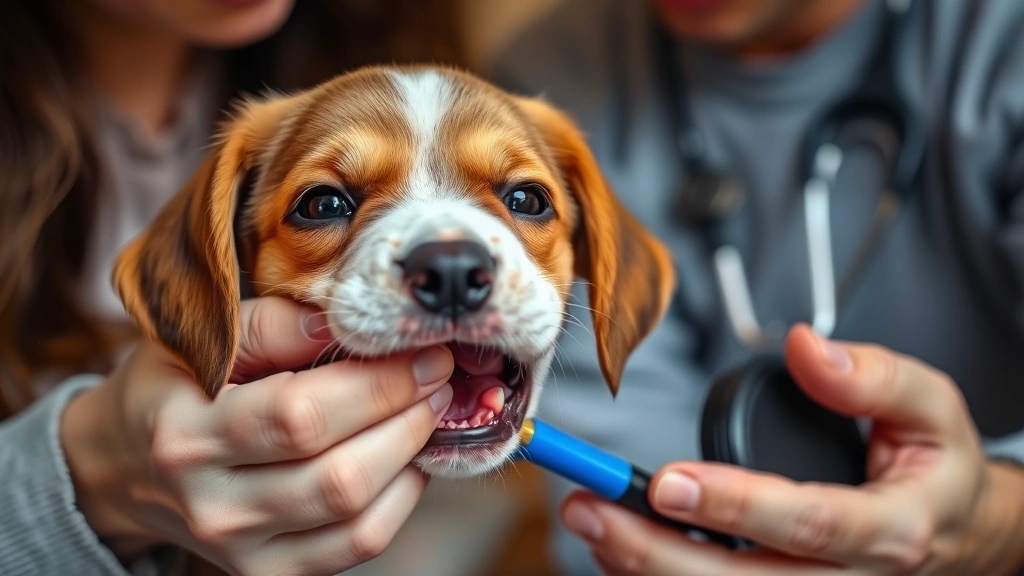
For more insight into neurological concerns, explore early signs of neurological disorders in dogs.
Warning Sign #5: Difficulty Breathing or Pale Gums
Respiratory distress or pale gums indicate that your young pet’s body is in serious distress. If your puppy is breathing rapidly, wheezing, or their gums look white or very pale instead of pink, seek emergency care immediately.
These symptoms can suggest that a toxin is affecting their cardiovascular or respiratory system. Don’t delay—call an emergency veterinary clinic right away if you notice these signs.
Warning Sign #6: Excessive Thirst and Urination
Some toxins affect the kidneys and urinary system, causing young pets to drink excessively and urinate more frequently than normal. If your puppy suddenly needs to go outside constantly or is drinking water obsessively, toxin exposure could be the culprit.
This symptom might develop over hours or days, depending on the substance involved. Kidney damage from toxins can be serious, so early detection is crucial for your pet’s long-term health.
Warning Sign #7: Abdominal Pain or Bloating
Young pets experiencing abdominal pain from toxin exposure often show visible signs: they may assume a play-bow position (front legs stretched, rear end in the air), whine when their belly is touched, or seem generally uncomfortable. Visible bloating or a distended abdomen is also concerning.
Abdominal pain can indicate that a toxin is causing inflammation or damage internally. Your pup can’t tell you where it hurts, so watch for these body language cues and act quickly.
Common Household Toxins for Young Pets
Your home contains more hazards than you might realize. Here are the most common culprits behind dog toxicity in young pets:
- Chocolate: Especially dark chocolate and baking chocolate. Even small amounts can affect puppies.
- Xylitol: Found in sugar-free gum, candy, and peanut butter. Extremely toxic to dogs.
- Grapes and raisins: Can cause kidney failure, even in small quantities.
- Onions and garlic: Damage red blood cells and cause anemia.
- Household cleaners: Bleach, disinfectants, and drain cleaners are highly toxic.
- Medications: Human prescriptions and over-the-counter drugs pose serious risks.
- Pesticides and rodent poison: Extremely dangerous for young, curious pets.
- Certain plants: Lilies, sago palms, and dieffenbachia are toxic to both dogs and cats.
What To Do Now: Immediate Action Steps
- Identify what was ingested: If possible, determine what your young pet ate, how much, and when. Keep the packaging or container to show your vet.
- Contact your veterinarian or emergency clinic immediately: Don’t wait to see if symptoms develop. Many toxins require treatment within a narrow time window for best outcomes.
- Get a telehealth consultation for peace of mind: If you’re unsure whether your pet needs urgent care, a quick telehealth check-in with a licensed vet can give you peace of mind—no appointment needed. The Pet Vet offers convenient online consultations to help you decide next steps.
- Have the ASPCA Animal Poison Control Center number handy: (888) 426-4435. They can provide guidance on specific toxins.
- Follow your vet’s treatment plan closely: Whether it’s inducing vomiting, activated charcoal, or supportive care, stick to the protocol exactly as prescribed.
Prevention: Your Best Defense Against Dog Toxicity
The best way to handle dog toxicity in young pets is to prevent it from happening in the first place. Here are practical steps to puppy-proof your home:
- Store all medications, supplements, and vitamins in secure cabinets out of reach.
- Keep household cleaners, pesticides, and chemicals locked away.
- Remove toxic plants from your home or place them where your puppy can’t access them.
- Never leave chocolate, grapes, onions, or xylitol-containing foods on counters or tables.
- Supervise outdoor time closely—young pets may eat things in the yard or during walks.
- Use pet-safe alternatives for cleaning and pest control when possible.
- Keep your young pet’s environment clear of small objects they could swallow.
When to Seek Emergency Care vs. Telehealth
Not every potential toxin exposure requires an emergency room visit, but some do. If your young pet is experiencing seizures, severe difficulty breathing, loss of consciousness, or severe abdominal pain, go to an emergency veterinary clinic immediately.
For milder symptoms or if you’re uncertain whether exposure occurred, a telehealth consultation is a great first step. Your vet can ask detailed questions about your pet’s history and symptoms, then advise whether in-person evaluation is necessary. This approach saves time and reduces stress for your anxious pup.
The Role of Age in Toxin Sensitivity
Young pets are far more sensitive to toxins than adult dogs. Their livers and kidneys—the organs responsible for filtering out harmful substances—are still developing. A dose that might cause mild symptoms in an adult dog could be life-threatening for a puppy.

Additionally, young pets have less body mass, so toxins become more concentrated in their systems. This is why it’s critical to treat any suspected toxin exposure in a young pet as potentially serious, even if the amount seems small.
If your young dog has other health concerns, toxin exposure becomes even more complicated. For instance, if your pup has underlying heart disease, certain toxins could trigger serious complications.
Frequently Asked Questions
How long do toxin symptoms appear in young dogs?
Symptoms can appear within minutes to several hours, depending on the toxin and amount ingested. Some toxins cause delayed symptoms over days or weeks, which is why monitoring your pet closely is essential even if they seem fine initially.
Can I induce vomiting at home if my puppy ate something toxic?
Never induce vomiting without veterinary guidance. Some toxins cause more damage coming back up, and improper technique can harm your pet. Always call your vet first for instructions.
Is activated charcoal safe for young dogs?
Activated charcoal can be helpful for certain toxins, but it must be administered by a veterinarian in the correct dose and form. Your vet will determine if it’s appropriate for your pet’s specific situation.
What should I do if my puppy ate just a tiny bit of chocolate?
Contact your vet with details about the type of chocolate, amount, and your puppy’s weight. Milk chocolate in small quantities may not cause harm, but dark chocolate or baking chocolate is always concerning—don’t assume it’s safe.
Can young cats experience the same toxin symptoms as puppies?
Yes, many toxins affect both dogs and cats, though some substances are species-specific. Cats can be even more sensitive to certain toxins like lilies and essential oils, so similar vigilance applies.
Summary: Protecting Your Young Pet
Dog toxicity in young pets is frightening, but it’s also highly preventable with awareness and quick action. By recognizing the seven warning signs—sudden vomiting, lethargy, drooling, neurological symptoms, respiratory distress, excessive thirst, and abdominal pain—you can catch problems early.
Keep your home safe by removing common household toxins, supervise your curious pup closely, and don’t hesitate to reach out to your vet or emergency clinic if something seems off. Your young pet depends on you to be their safety net, and you’ve got this.
If you ever feel uncertain about whether your pet needs care, remember that The Pet Vet is here to help. A quick telehealth consultation can give you the answers and peace of mind you need to keep your young pet safe and healthy.