
Discovering that your dog has a urinary tract infection after vaccination can feel alarming, especially when you’ve done everything right to keep your pup healthy. The timing feels like a cruel coincidence—you took your dog in for their shots to protect them, and now they’re dealing with painful urination and frequent bathroom trips. Here’s what you need to know: while a dog urinary tract infection after vaccination is uncommon, it can happen, and understanding why will help you respond with confidence.
Table of Contents
- Understanding the Connection Between Vaccination and UTIs
- Common Signs Your Dog May Be Experiencing a Post-Vaccination UTI
- Why Some Dogs Are More Vulnerable After Vaccines
- Solution 1: Ensure Proper Hydration Post-Vaccination
- Solution 2: Monitor Bathroom Habits Closely
- Solution 3: Support Immune Recovery With Rest
- Solution 4: Review Your Dog’s Diet and Supplements
- Solution 5: Schedule a Urinalysis If Symptoms Appear
- Solution 6: Understand Treatment Options Available
- Solution 7: Know When to Seek Urgent Care
- Prevention Strategies for Future Vaccinations
- Frequently Asked Questions
- What To Do Now
- Summary
This article is for informational purposes only and is not a substitute for professional veterinary advice. Always consult a licensed veterinarian for diagnosis and treatment.
Understanding the Connection Between Vaccination and UTIs
When your dog receives a vaccination, their immune system gets activated to build protection against disease. This immune response is healthy and necessary, but it can temporarily stress the body. Some dogs may experience mild inflammation or shifts in their urinary system during this period.
The connection isn’t direct—the vaccine itself doesn’t cause a UTI. Rather, the immune activation can create conditions where bacteria are more likely to establish an infection. Think of it like your dog’s defenses are momentarily focused elsewhere, leaving the urinary tract slightly vulnerable.
Research from veterinary immunology suggests that stress-related immune changes can alter the urine environment, making it easier for bacteria to multiply. This is especially true in dogs with pre-existing urinary tract sensitivities or those prone to infections.
Common Signs Your Dog May Be Experiencing a Post-Vaccination UTI
Recognizing dog urinary tract infection symptoms early gives you the best chance to help your pup recover quickly. Watch for these telltale signs in the days or weeks following vaccination:
- Frequent urination: Your dog may need to go outside more often than usual, even if they just went out minutes ago.
- Straining during urination: You might notice your dog posturing to pee but producing only small amounts.
- Discolored or foul-smelling urine: Cloudy, dark, or unusually pungent urine can indicate infection.
- Accidents in the house: Even house-trained dogs may have indoor accidents when dealing with a UTI.
- Licking the genital area excessively: Discomfort drives dogs to lick and investigate the affected area.
- Lethargy or loss of appetite: Systemic infection can make dogs feel generally unwell.
Catching this early puts you in a great position to help. If you notice any of these signs within two weeks of your dog’s vaccination, don’t wait—reach out to your vet.
Why Some Dogs Are More Vulnerable After Vaccines
Not every dog develops a UTI after vaccination, which raises an important question: what makes some dogs more susceptible? Several factors increase risk.
Dogs with a history of UTIs have compromised urinary tract health and are more likely to experience recurrence during immune stress. Female dogs are anatomically more prone to UTIs than males because their urethra is shorter, allowing bacteria easier access to the bladder.
Age matters too. Senior dogs and very young puppies have less robust immune responses and may struggle more during vaccination recovery. Additionally, dogs with underlying conditions like diabetes or kidney disease face heightened risk.
Dehydration is another critical factor. If your dog isn’t drinking enough water after vaccination, their urine becomes more concentrated, creating an ideal environment for bacterial growth.
Solution 1: Ensure Proper Hydration Post-Vaccination
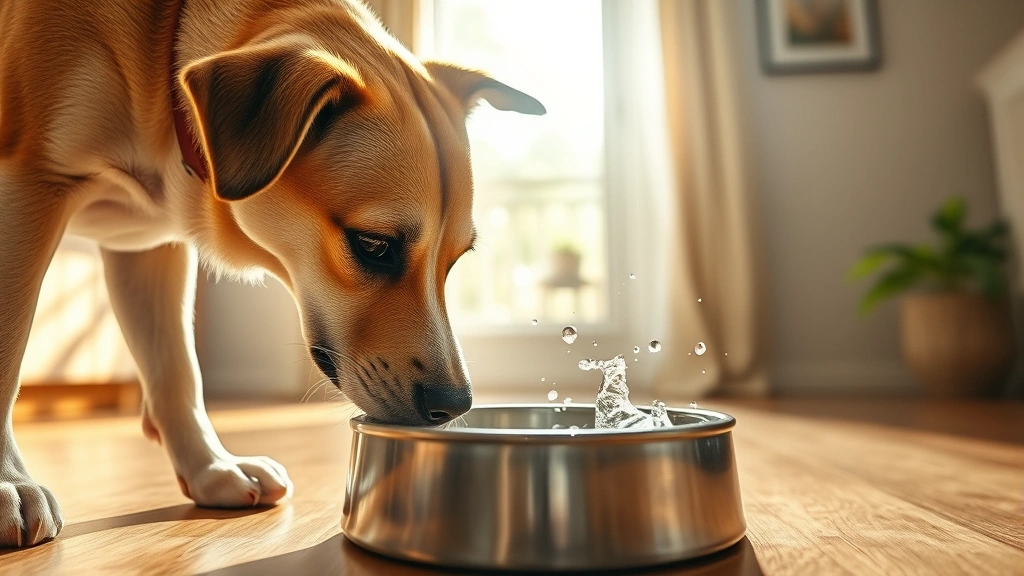
The simplest and most effective preventive step is keeping your dog well-hydrated. Dilute urine is naturally protective against bacterial overgrowth because bacteria have less opportunity to concentrate and multiply.
After vaccination, actively encourage drinking by:
- Providing fresh water in multiple locations around your home
- Using a water fountain (many dogs prefer moving water)
- Adding a small amount of low-sodium broth to water to increase appeal
- Offering wet food or adding water to dry kibble
Aim for your dog to urinate regularly—at least every 4-6 hours. This frequent flushing of the urinary system naturally helps prevent bacterial colonization.
Solution 2: Monitor Bathroom Habits Closely
In the week following vaccination, keep a mental note of your dog’s urination patterns. Sudden changes are your early warning system.
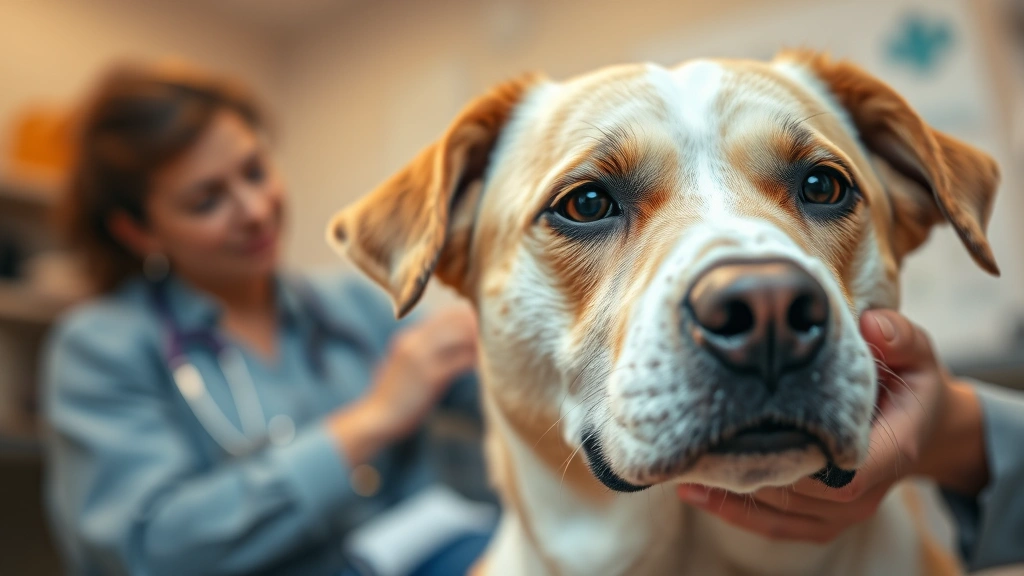
Track how often your dog goes out, whether they seem to strain, and the color and clarity of their urine. If you notice a shift from their normal pattern, document it and contact your veterinarian. Early intervention makes a dramatic difference in recovery time and comfort.
Some pet owners find it helpful to take a photo of their dog’s urine (yes, really!) to show their vet if color changes occur. This concrete evidence helps vets diagnose faster.
Solution 3: Support Immune Recovery With Rest
Your dog’s body is working hard after vaccination, mounting an immune response. Excessive activity can stress the system further and delay recovery.
For 3-5 days post-vaccination, consider:
- Shorter, gentler walks instead of your usual exercise routine
- Avoiding dog parks or high-stress social situations
- Providing a quiet, comfortable resting space
- Limiting playtime with other dogs
This isn’t about confining your dog—it’s about giving their immune system the bandwidth to recover without additional stressors.
Solution 4: Review Your Dog’s Diet and Supplements
What your dog eats influences urinary tract health. While diet alone won’t prevent a UTI, certain nutrients support urinary system resilience.
Speak with your vet about whether supplements like cranberry extract or probiotics might benefit your dog. Some veterinarians recommend adding these in the post-vaccination period for dogs with UTI histories.
Ensure your dog’s diet includes adequate moisture and that you’re feeding high-quality protein. Avoid excessive salt, which can increase urinary irritation in susceptible dogs. Your vet can recommend specific dietary adjustments based on your dog’s individual needs.
Solution 5: Schedule a Urinalysis If Symptoms Appear
If your dog shows any signs of urinary discomfort after vaccination, don’t assume it will resolve on its own. A urinalysis is the gold standard for confirming a UTI and identifying the specific bacteria involved.
Your vet will test for:
- Presence of white blood cells and bacteria
- pH levels that might indicate infection
- Protein and glucose in the urine
This simple test takes minutes and provides crucial information for treatment decisions. Dog UTI medication is most effective when prescribed based on urinalysis results rather than guesswork.
Solution 6: Understand Treatment Options Available
If your dog is diagnosed with a post-vaccination UTI, treatment typically involves addressing the infection while supporting your dog’s overall recovery. Your vet will recommend a course of action based on your dog’s specific situation.
Treatment may include medication to eliminate the infection, pain management to ease discomfort, and supportive care like increased hydration. The goal is to clear the infection quickly while minimizing your dog’s discomfort.
For detailed information on medication options, our guide on dog urinary tract infection medication dosage provides comprehensive insights (always follow your vet’s specific recommendations for your dog).
Solution 7: Know When to Seek Urgent Care
Most post-vaccination UTIs are manageable with prompt veterinary attention, but certain signs warrant urgent care. If your dog shows signs of systemic infection—fever, vomiting, severe lethargy, or inability to urinate at all—contact an emergency vet immediately.
These symptoms could indicate the infection has spread to the kidneys or bladder, which requires more aggressive intervention. Don’t wait for a regular appointment if your dog seems seriously unwell.
If you’re unsure whether your dog needs urgent care, a quick telehealth check-in can give you peace of mind—no appointment needed. A vet can assess your dog’s symptoms and advise whether in-person evaluation is necessary.
Prevention Strategies for Future Vaccinations
If your dog has experienced a UTI after vaccination, you’ll want to take extra precautions with future shots. Talk to your vet about spacing out vaccines if possible, or scheduling them when your dog is in peak health.
Ensure your dog is well-hydrated leading up to vaccination. Some vets recommend scheduling vaccines when your dog can rest afterward—perhaps on a Friday rather than before a busy week.
If your dog has a history of recurrent UTIs, your vet might recommend prophylactic measures around vaccination time. This personalized approach acknowledges your dog’s unique vulnerabilities.
Frequently Asked Questions
Can a vaccine directly cause a urinary tract infection?
No, vaccines don’t directly cause UTIs. However, the immune response they trigger can temporarily create conditions where bacteria are more likely to establish an infection in susceptible dogs.
How long after vaccination can a UTI develop?
Most post-vaccination UTIs appear within 1-2 weeks of the shot, though some can develop up to a month later if your dog remains vulnerable.
Is a post-vaccination UTI more serious than a regular UTI?
Not necessarily. The underlying infection is the same whether it develops after vaccination or at any other time. Severity depends on the bacterial strain and your dog’s overall health.
Should I avoid future vaccinations if my dog got a UTI after one?
No—vaccinations are important for your dog’s health. Instead, work with your vet to develop a vaccination strategy that minimizes risk, such as spacing out vaccines or using preventive measures.
Can I treat a post-vaccination UTI at home?
While increased hydration and rest support recovery, a confirmed UTI requires veterinary treatment. Home remedies alone won’t eliminate the bacterial infection.
What To Do Now
- Monitor closely: Watch your dog’s urination patterns and behavior for the next 2 weeks post-vaccination. Note any changes in frequency, straining, or urine appearance.
- Increase hydration: Actively encourage water intake by providing fresh water in multiple spots, using a fountain, or adding broth to meals.
- Contact your vet if concerned: If you notice any UTI symptoms, don’t wait. Call your vet for a urinalysis—early diagnosis makes treatment faster and easier.
- Plan ahead for future vaccines: Discuss vaccination timing and post-vaccine care strategies with your vet, especially if your dog has a UTI history.
- Consider a telehealth consultation: If you’re unsure whether symptoms warrant an urgent visit, a quick telehealth check-in can clarify next steps without the stress of travel.
Summary
A dog urinary tract infection after vaccination is uncommon but manageable when caught early. The key is understanding that while vaccines don’t directly cause UTIs, the immune response they trigger can make some dogs temporarily vulnerable to infection.
By staying vigilant about hydration, monitoring bathroom habits, and seeking prompt veterinary care if symptoms appear, you can help your dog recover quickly. Remember that vaccinations remain crucial for your dog’s long-term health—the goal is simply to minimize post-vaccination risks through informed prevention and early detection.
Your dog’s health and comfort matter deeply. Trust your instincts, communicate openly with your vet, and know that most post-vaccination UTIs resolve well with proper care. You’ve got this.