
If your dog keeps struggling with repeated urinary tract infections, you’re not alone—and the good news is that dog urinary tract infection chronic management has come a long way. Chronic UTIs can feel frustrating and exhausting for both you and your pup, but with the right approach, many dogs experience significant relief and fewer recurring episodes.
Table of Contents
- Understanding Chronic UTIs in Dogs
- Solution 1: Consistent Hydration and Frequent Bathroom Breaks
- Solution 2: Dietary Adjustments for Long-Term Support
- Solution 3: Targeted Supplements and Nutraceuticals
- Solution 4: Regular Monitoring and Early Detection
- Solution 5: Understanding and Addressing Root Causes
- Solution 6: Environmental and Behavioral Management
- Solution 7: Working With Your Vet on a Personalized Plan
- Special Considerations for Senior Dogs
- When to Seek Urgent Care
- Building Your Chronic Management Timeline
- Summary: Your Chronic UTI Management Roadmap
- Frequently Asked Questions
- What To Do Now
This article is for informational purposes only and is not a substitute for professional veterinary advice. Always consult a licensed veterinarian for diagnosis and treatment.
Watching your dog struggle with painful urination, accidents in the house, or constant discomfort is heartbreaking. The silver lining? Catching chronic UTIs early and committing to a solid management plan puts you in a fantastic position to help your dog feel better. Let’s explore what actually works.
Understanding Chronic UTIs in Dogs
A chronic urinary tract infection isn’t just a one-time problem that comes and goes. Instead, it’s a pattern of recurrent infections—typically defined as three or more UTIs within a year. Your dog’s urinary system is under constant stress, and without proper management, these infections can keep returning.
Chronic UTIs differ from acute infections in that they often signal an underlying vulnerability. Maybe your dog has anatomical quirks, a weakened immune response, or dietary factors that make the urinary tract a welcoming environment for bacteria. Understanding this distinction helps you move beyond just treating the infection to preventing the next one.
The good news? With targeted chronic management strategies, many dogs go months or even years between episodes—or stop having them altogether.
Solution 1: Consistent Hydration and Frequent Bathroom Breaks
One of the simplest yet most powerful tools in chronic UTI management is keeping your dog’s urinary system flushed. Dilute urine is less hospitable to bacteria, and frequent urination helps clear pathogens before they establish infection.
Here’s what to focus on:
- Ensure fresh water is always available—consider a pet water fountain, as many dogs drink more from moving water
- Encourage bathroom breaks every 4–6 hours, even if your dog doesn’t seem to need one
- Monitor daily water intake; your vet can advise on appropriate amounts for your dog’s size and activity level
- Avoid letting your dog hold urine for extended periods, which concentrates bacteria in the bladder
This foundation alone prevents many secondary infections from taking hold.
Solution 2: Dietary Adjustments for Long-Term Support
What your dog eats directly influences urinary health. A dog urinary tract infection best diet focuses on supporting bladder function and reducing inflammation.
Many vets recommend:
- Higher moisture content (wet food or adding water to kibble) to boost hydration
- Balanced mineral levels—excessive magnesium, phosphorus, or calcium can promote crystal formation
- Foods with natural anti-inflammatory properties like omega-3 fatty acids
- Limited high-sodium options, which can irritate the bladder lining
Your veterinarian may suggest a prescription urinary diet tailored to your dog’s specific needs. These formulations are designed to create urine conditions less favorable for bacterial growth and crystal formation.
Solution 3: Targeted Supplements and Nutraceuticals
Beyond diet, certain supplements have shown promise in supporting urinary tract health. Cranberry extract, D-mannose, and probiotics are among the most researched options for chronic UTI prevention.
Cranberry works by preventing bacteria from adhering to bladder walls, while probiotics support a healthy urinary microbiome. Always discuss supplement options with your vet before starting, as some may interact with medications or not suit your individual dog.
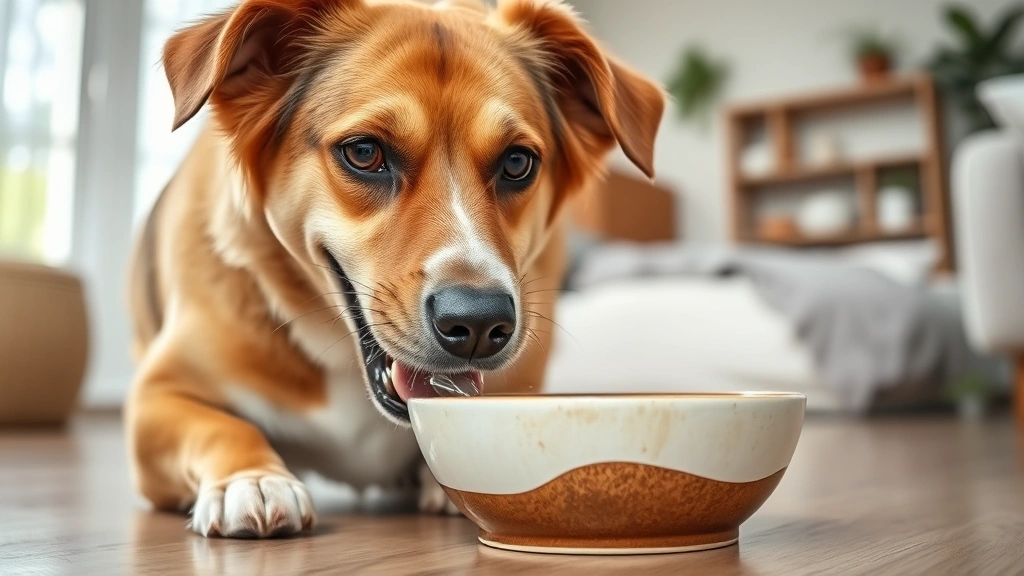
Common supportive supplements include:
- Cranberry extract or powder formulated for pets
- Probiotics designed for urinary health
- Omega-3 supplements to reduce inflammation
- Vitamin C (in moderate amounts) to support immune function
Think of these as part of your overall prevention toolkit, not a replacement for veterinary care.
Solution 4: Regular Monitoring and Early Detection
One of the best chronic management strategies is catching infections before they become severe. Regular urinalysis—even when your dog seems fine—can reveal early signs of infection or crystal formation.
Consider scheduling:
- Quarterly urinalysis during the first year of chronic UTI management
- Biannual checks once your dog’s pattern stabilizes
- Immediate testing if you notice any behavioral or urinary changes
Early detection means faster treatment and fewer complications. If you’re unsure whether your pet needs urgent care, recognizing dog urinary tract infection symptoms early can help you reach out for a quick telehealth check-in—no appointment needed—to get peace of mind and guidance.
Solution 5: Understanding and Addressing Root Causes
Chronic UTIs rarely happen in a vacuum. Identifying why your dog is prone to recurrent infections is crucial for long-term management. Common underlying factors include:
- Anatomical issues: Some dogs have structural quirks that make complete bladder emptying difficult
- Immune compromise: Diabetes, Cushing’s disease, or other conditions weaken infection-fighting ability
- Behavioral factors: Excessive urine holding or environmental stress can contribute
- Age-related changes: Senior dogs may experience hormonal shifts affecting urinary health
Your vet may recommend imaging, bloodwork, or specialized testing to uncover these root causes. Understanding what’s driving the cycle helps you address the real problem, not just the symptoms.
Solution 6: Environmental and Behavioral Management
Sometimes the environment plays a bigger role than we realize. Stress, anxiety, and behavioral factors can suppress immune function and make your dog more susceptible to infection.
Consider these adjustments:
- Reduce stress through consistent routines and calm interactions
- Ensure your dog has regular access to outdoor bathroom breaks—no forced holding
- Keep bedding and living areas clean to minimize bacterial exposure
- Maintain a consistent exercise routine to support overall immune health
A relaxed, well-exercised dog with predictable bathroom access is naturally more resistant to chronic infections.
Solution 7: Working With Your Vet on a Personalized Plan
Every dog’s chronic UTI situation is unique. What works brilliantly for one dog may need tweaking for another. The most successful chronic management approach involves close collaboration with your veterinarian.
Your vet can:
- Create a customized prevention protocol based on your dog’s specific risk factors
- Recommend appropriate medications or supplements for your situation
- Adjust strategies as your dog ages or circumstances change
- Provide guidance on when to seek urgent care versus routine follow-up
Don’t hesitate to ask questions or request a second opinion. Managing chronic conditions is a partnership, and your vet should support your questions every step of the way.

Special Considerations for Senior Dogs
Older dogs face unique challenges with chronic UTIs. Age-related hormonal changes, declining kidney function, and reduced immune response all increase susceptibility. If your senior dog is battling recurrent infections, learn more about dog urinary tract infection in senior pets for age-specific strategies.
Senior dogs may also benefit from more frequent monitoring and gentler management approaches that account for other health conditions they may be managing simultaneously.
When to Seek Urgent Care
While chronic management focuses on prevention, some situations require immediate veterinary attention. Contact your vet right away if your dog shows:
- Inability to urinate or only producing tiny amounts
- Blood in the urine accompanied by lethargy or vomiting
- Severe abdominal pain or straining
- Fever combined with urinary symptoms
- Signs of systemic illness (loss of appetite, extreme fatigue)
These symptoms suggest the infection has progressed beyond typical chronic UTI territory. Catching complications early puts you in the best position to protect your dog’s long-term health.
Building Your Chronic Management Timeline
Successful chronic UTI management isn’t a sprint—it’s a marathon. Here’s a realistic timeline for what you might expect:
- Weeks 1–4: Initial diagnosis, root cause investigation, and strategy implementation
- Months 2–3: Monitoring effectiveness of dietary and supplemental changes
- Months 4–6: Fine-tuning your approach based on urinalysis results and symptom patterns
- Beyond 6 months: Maintaining your successful routine with regular check-ins
Many dogs show improvement within the first few months once a solid plan is in place. Patience and consistency are your greatest allies.
Summary: Your Chronic UTI Management Roadmap
Managing chronic urinary tract infections in dogs requires a multi-faceted approach. By combining consistent hydration, dietary optimization, targeted supplements, regular monitoring, root cause identification, environmental adjustments, and veterinary partnership, you create a powerful defense against recurrent infections.
The seven solutions outlined here—hydration, diet, supplements, early detection, addressing root causes, environmental management, and personalized veterinary care—work best when implemented together. Your dog doesn’t have to live with endless UTI cycles. With commitment and the right strategy, many dogs achieve lasting relief.
Frequently Asked Questions
How often should I have my dog’s urine tested if they have chronic UTIs?
Most vets recommend quarterly urinalysis during the first year of chronic management, then biannual testing once patterns stabilize. Your individual dog’s risk factors may warrant more frequent monitoring.
Can probiotics really help prevent recurring UTIs in dogs?
Probiotics may support urinary tract health by promoting beneficial bacteria, though research is ongoing. Always choose pet-specific formulations and discuss them with your vet first.
Is a special diet necessary for chronic UTI management?
While not always mandatory, a urinary-supportive diet significantly improves outcomes for many dogs. Your vet can determine whether a prescription diet is appropriate for your dog’s situation.
What’s the difference between a chronic UTI and a single recurring infection?
Chronic UTIs typically involve three or more infections within a year, suggesting an underlying vulnerability. A single recurrence may just need one round of treatment, while chronic cases require ongoing management strategies.
Can stress cause chronic UTIs in dogs?
Yes, chronic stress can suppress immune function and increase infection susceptibility. Environmental and behavioral management, including stress reduction, is an important part of comprehensive chronic UTI care.
What To Do Now
- Schedule a comprehensive veterinary appointment to discuss your dog’s chronic UTI pattern and explore potential root causes through testing or imaging if needed.
- Implement immediate hydration and bathroom break improvements—increase water access and establish a consistent bathroom schedule (every 4–6 hours).
- Request a urinalysis to establish a baseline and identify any current infection or crystal formation before starting new management strategies.
- Discuss dietary changes with your vet and explore whether a prescription urinary diet or specific supplements would benefit your dog’s situation.
- Set a calendar reminder for regular monitoring appointments (quarterly for the first year) to track progress and adjust your management plan as needed.
Your dog’s chronic UTI journey doesn’t have to be endless. With these proven solutions and your vet’s guidance, relief is absolutely within reach. Start today, stay consistent, and watch your pup feel better.