
If your dog has ever experienced a urinary tract infection, you know how uncomfortable and worrying it can be for both you and your furry friend. Dog urinary tract infection prevention tips are essential knowledge for any pet owner who wants to avoid the pain, frequent vet visits, and antibiotic treatments that come with UTIs. The good news? Most urinary tract infections in dogs are preventable with the right strategies and a little extra attention to your pup’s health habits.
Table of Contents
- Understanding Urinary Tract Infections in Dogs
- 1. Ensure Constant Access to Fresh, Clean Water
- 2. Maintain a Consistent Bathroom Schedule
- 3. Support Urinary Health Through Proper Nutrition
- 4. Keep Your Dog’s Genital Area Clean and Dry
- 5. Monitor for Early Warning Signs
- 6. Regular Veterinary Check-Ups and Preventive Screening
- 7. Address Underlying Health Conditions
- Special Considerations for Female Dogs
- Summary: Your Action Plan for Prevention
- What To Do Now
- Frequently Asked Questions
This article is for informational purposes only and is not a substitute for professional veterinary advice. Always consult a licensed veterinarian for diagnosis and treatment.
Understanding Urinary Tract Infections in Dogs
A urinary tract infection occurs when bacteria colonize your dog’s bladder, urethra, or kidneys. Female dogs are statistically more prone to UTIs than males due to their shorter urethra, which makes it easier for bacteria to travel upward into the bladder. However, male dogs can absolutely develop UTIs too, especially as they age.
The tricky part? UTIs in dogs don’t always show obvious symptoms right away. Some dogs may have a silent infection brewing for weeks before you notice anything amiss. That’s why prevention is genuinely your best defense.
1. Ensure Constant Access to Fresh, Clean Water
This might sound simple, but it’s one of the most powerful urinary tract infection prevention tips veterinarians recommend. When your dog drinks plenty of water, they urinate more frequently, which naturally flushes out bacteria before it can establish an infection.
Here’s what to do:
- Provide fresh water in multiple locations around your home
- Change the water bowl at least twice daily
- Consider a pet water fountain—many dogs drink more from moving water
- Monitor water intake, especially during hot weather or after exercise
Adequate hydration is foundational to preventing UTIs. Think of it as your dog’s internal cleaning system working overtime in a good way.
2. Maintain a Consistent Bathroom Schedule
Dogs who hold their urine for extended periods are at higher risk for urinary tract infections. Bacteria multiply in stagnant urine, so the longer urine sits in the bladder, the greater the infection risk becomes.
Establish a routine that includes:
- Taking your dog out first thing in the morning
- Midday potty breaks (especially important for senior dogs)
- A bathroom trip before bedtime
- Additional breaks after meals and playtime
Senior dogs and puppies may need even more frequent bathroom breaks. If your work schedule makes frequent trips difficult, consider hiring a dog walker or using a pet sitter. The investment in prevention now could save you hundreds in vet bills later.
3. Support Urinary Health Through Proper Nutrition
What your dog eats directly impacts their urinary health. A balanced diet supports the immune system and promotes overall wellness, making it harder for bacteria to gain a foothold. Some foods and supplements are specifically formulated to maintain urinary tract health.
Consider these nutritional approaches:
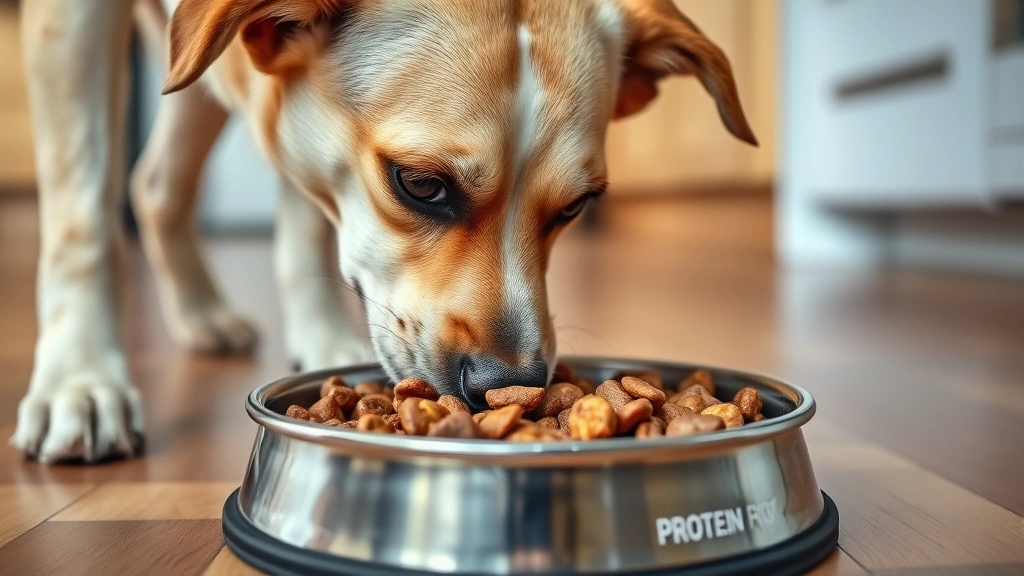
- Feed high-quality, protein-rich dog food
- Avoid excessive salt, which can concentrate urine
- Ask your vet about urinary health supplements like cranberry extract or probiotics
- Ensure your dog’s diet includes adequate moisture (wet food can help)
You might also explore our guide on dog urinary health supplements to learn which options are backed by research. Additionally, meal prep for pets can help you maintain consistent, high-quality nutrition for your pup.
4. Keep Your Dog’s Genital Area Clean and Dry
Bacteria love warm, moist environments. If your dog spends time in water or has a damp coat, bacteria can flourish in the genital area and potentially travel upward into the urinary tract.
Prevention steps include:
- Dry your dog thoroughly after swimming or baths
- Gently wipe your female dog’s genital area with a clean, damp cloth if she gets soiled
- Keep the fur around the genital area trimmed if your dog has long hair
- Ensure your dog’s bedding is clean and dry
This is especially important for female dogs and dogs with mobility issues who may have difficulty keeping themselves clean. A little extra grooming attention goes a long way in UTI prevention.
5. Monitor for Early Warning Signs
Even with excellent prevention habits, some dogs may still develop urinary tract infections. Catching them early makes treatment faster and less complicated. Be alert for these potential signs:
- Frequent urination or straining to urinate
- Accidents in the house (especially unusual for a housetrained dog)
- Cloudy, discolored, or foul-smelling urine
- Lethargy or loss of appetite
- Excessive licking of the genital area
If you notice any of these signs, your dog may be experiencing a UTI. Catching this early puts you in a great position to help your pup recover quickly. If you’re unsure whether your pet needs urgent care, a quick telehealth check-in with The Pet Vet can give you peace of mind—no appointment needed. We can also discuss whether a urine culture or other diagnostics might be helpful.
6. Regular Veterinary Check-Ups and Preventive Screening
Annual wellness exams are your opportunity to catch urinary tract issues before they become symptomatic infections. Your veterinarian can perform a urinalysis to detect bacteria, white blood cells, or other abnormalities that suggest infection risk.
During check-ups, discuss:
- Your dog’s urinary habits and any changes you’ve noticed
- Family history of UTIs (some breeds are predisposed)
- Whether preventive screening makes sense for your individual dog
- Age-related risk factors, especially for senior dogs
Senior dogs (ages 7+) and dogs with diabetes or other chronic conditions benefit from more frequent urinary assessments. Prevention-focused veterinary care is always more cost-effective than treating recurrent infections.
7. Address Underlying Health Conditions
Certain medical conditions increase UTI risk significantly. Diabetes, urinary incontinence, kidney disease, and hormonal imbalances can all predispose your dog to infections. If your dog has any chronic health condition, work closely with your vet on a comprehensive management plan.
Conditions that require special attention include:
- Diabetes mellitus (elevated glucose in urine attracts bacteria)
- Cushing’s disease (affects immune function)
- Incontinence or urinary retention issues
- Spinal cord or neurological problems affecting bladder control
Managing these underlying conditions effectively is one of the most important urinary tract infection prevention tips for at-risk dogs. If your dog has been diagnosed with a UTI before, your vet may recommend additional preventive measures tailored to your pup’s specific situation. Learn more about dog urinary tract infection treatment options to understand the full spectrum of care available.
Special Considerations for Female Dogs
Female dogs face higher UTI risk due to their anatomy. The female urethra is shorter and wider than a male’s, creating an easier pathway for bacteria to reach the bladder. This biological reality makes prevention even more critical for female dogs.
Extra steps for female dogs:
- Be extra vigilant about keeping the genital area clean and dry
- Ensure frequent bathroom breaks, especially during heat cycles
- Watch for any urinary changes more closely than you might for a male dog
- Discuss with your vet whether your female dog would benefit from additional preventive measures
Female dogs also experience hormonal changes that can affect urinary health, particularly after spaying. Talk with your veterinarian about whether your spayed female dog needs any special considerations.
Summary: Your Action Plan for Prevention
Dog urinary tract infection prevention tips boil down to three core principles: keep your dog hydrated, maintain regular bathroom schedules, and support overall health through nutrition and veterinary care. None of these strategies requires expensive supplements or complicated routines—they’re simply good pet ownership habits that pay enormous dividends.
The beauty of prevention is that it’s proactive rather than reactive. Instead of managing recurring infections, antibiotics, and vet visits, you’re investing in your dog’s long-term comfort and health. Your dog will be happier, healthier, and you’ll have greater peace of mind knowing you’re doing everything possible to protect their urinary health.
What To Do Now
- Schedule a wellness check with your veterinarian if your dog hasn’t had one in the past year, and ask specifically about urinary health screening
- Evaluate your dog’s current water intake and bathroom schedule, then make adjustments to ensure at least 3-4 outdoor potty breaks daily
- Review your dog’s current diet and consider whether adding a urinary health supplement might be beneficial for your individual pup
- Set phone reminders for consistent bathroom breaks if you tend to forget during busy days
- If your dog has ever had a UTI, discuss with your vet whether additional preventive measures are warranted for your dog’s specific situation
Frequently Asked Questions
Can cranberry supplements prevent UTIs in dogs?
Cranberry supplements may help support urinary tract health by making urine more acidic, which discourages bacterial growth. However, they’re not a guaranteed prevention method and should complement other preventive measures like hydration and regular bathroom breaks.
How often should I get my dog’s urine tested?
For healthy dogs with no UTI history, annual urinalysis during wellness exams is typically sufficient. Dogs with recurrent UTIs, diabetes, or other risk factors may benefit from more frequent testing—ask your veterinarian what’s right for your dog.
Is a male dog’s shorter urethra protective against UTIs?
Actually, the opposite is true for females: their shorter urethra makes UTIs more common. Male dogs have longer urethras, which provides more natural protection, but they can still develop UTIs, especially as they age.
What should I do if my dog keeps getting UTIs?
Recurrent UTIs warrant a thorough veterinary investigation to identify underlying causes like diabetes, incontinence, or anatomical abnormalities. Your vet may recommend imaging, urine cultures, or additional preventive strategies tailored to your dog’s needs.
Can diet alone prevent UTIs?
Diet is an important piece of the prevention puzzle, but it works best alongside other measures like adequate hydration, regular bathroom breaks, and good hygiene. A holistic approach combining multiple strategies is most effective.