
If your dog is struggling with a urinary tract infection, you’re probably wondering how long it will take for your furry friend to feel better again. Dog urinary tract infection recovery time typically ranges from 7 to 14 days with proper treatment, though some cases may take a bit longer depending on severity and your dog’s overall health. The good news? Most dogs respond well to treatment when caught early, and understanding what to expect during recovery can help you feel more confident supporting your pup through this uncomfortable phase.
Table of Contents
- Understanding Dog Urinary Tract Infections
- Typical Dog Urinary Tract Infection Recovery Timeline
- Early Signs and Symptoms During Infection
- What Happens During the First Week of Recovery
- Days 7-14: Completing the Recovery Process
- Supporting Your Dog’s Recovery at Home
- When Recovery Takes Longer Than Expected
- Preventing Future Infections and Supporting Long-Term Health
- When to Seek Urgent Care
- Frequently Asked Questions
- What To Do Now
- Summary: Recovery Takes Time, But Most Dogs Do Great
This article is for informational purposes only and is not a substitute for professional veterinary advice. Always consult a licensed veterinarian for diagnosis and treatment.
Understanding Dog Urinary Tract Infections
A urinary tract infection in dogs occurs when bacteria enter the urinary system and multiply, causing inflammation and discomfort. These infections are more common in female dogs due to their shorter urethra, but males can develop them too. Understanding the basics helps you recognize why recovery takes the time it does.
The urinary system includes the kidneys, bladder, ureters, and urethra—all working together to filter and eliminate waste. When bacteria invade this delicate system, it disrupts normal function and causes the symptoms many worried pet owners notice first.
Typical Dog Urinary Tract Infection Recovery Timeline
Most dogs begin showing improvement within 3 to 5 days of starting appropriate treatment. However, complete recovery and elimination of the infection usually takes 7 to 14 days. This timeline assumes your veterinarian has prescribed antibiotics and your dog is receiving consistent care at home.
Factors that influence recovery speed include:
- Your dog’s age and overall immune health
- The severity of the infection
- Whether it’s a first infection or a recurring issue
- Your dog’s breed and any underlying health conditions
- How quickly treatment was started
Catching this early puts you in a great position to help your dog recover smoothly.
Early Signs and Symptoms During Infection
Before recovery can begin, it’s important to recognize that your dog is experiencing a urinary tract infection. Common signs include frequent urination, straining to urinate, accidents in the house, and discolored or foul-smelling urine. Some dogs may also show lethargy or loss of appetite.
If you notice these early signs of a urinary tract infection, don’t delay scheduling a veterinary appointment. The sooner treatment begins, the sooner your dog can start healing. Many pet owners feel relieved once they have a diagnosis and clear treatment plan in place.
What Happens During the First Week of Recovery
Days 1-3 are often the hardest for your dog. Even though antibiotics are working, the infection may still cause discomfort. Your dog might continue straining to urinate or having accidents, which can be frustrating for both of you.
Around day 3-5, you’ll likely notice the first real improvements. Urination becomes less frequent and less painful. Your dog’s energy may start returning, and you might see them playing or eating with more enthusiasm. This is when many owners feel the first wave of relief.
By the end of the first week, most dogs are noticeably better. However, it’s crucial to continue the full course of antibiotics even if your dog seems completely normal. Stopping early can allow bacteria to survive and cause a relapse.
Days 7-14: Completing the Recovery Process
The second week of recovery is often when your dog returns to their normal self. Symptoms typically resolve completely, and your pup regains their usual personality and energy levels. This is the period where finishing the complete antibiotic course becomes especially important.
Your veterinarian may recommend a follow-up urinalysis to confirm the infection has cleared completely. This test ensures no bacteria remain hiding in the urinary system. Some vets suggest this check around day 7-10 of treatment, while others wait until after the full course is complete.
Supporting Your Dog’s Recovery at Home
Your role in your dog’s recovery is just as important as the medication. Here’s how you can help:
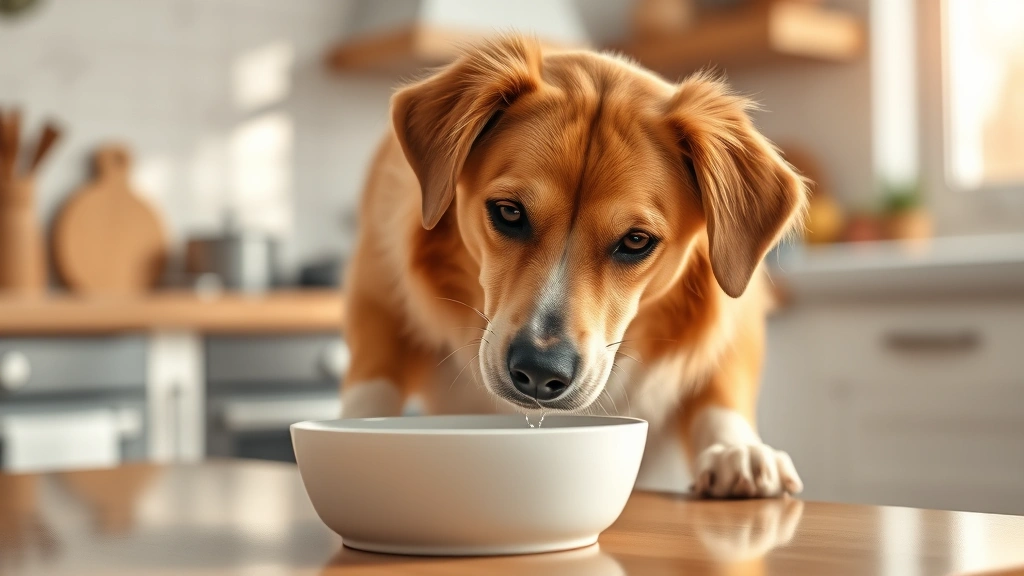
- Ensure constant access to fresh water. Increased hydration helps flush bacteria from the urinary system naturally. Encourage your dog to drink by keeping water bowls filled and easily accessible.
- Provide frequent bathroom breaks. Take your dog outside more often than usual—ideally every 2-3 hours during the day. This reduces pressure on the bladder and allows bacteria to be flushed out more frequently.
- Give antibiotics exactly as prescribed. Set phone reminders if needed. Consistent dosing maintains the medication levels needed to eliminate the infection.
- Keep your dog calm and comfortable. Limit strenuous exercise during the first few days. A comfortable resting area helps your dog focus energy on healing.
- Monitor symptoms closely. Keep a simple log of bathroom habits and any changes you notice. This information helps your vet assess progress at follow-up appointments.
When Recovery Takes Longer Than Expected
Some dogs experience what’s called a complicated urinary tract infection, which may take 3-4 weeks to resolve completely. This can happen if the infection is severe, if your dog has underlying urinary tract disease, or if bacteria are resistant to the first antibiotic prescribed.
If your dog isn’t improving after 5-7 days of treatment, contact your veterinarian. They may recommend a urine culture to identify the specific bacteria and choose a more targeted antibiotic. This doesn’t mean something is wrong—it just means your dog needs a different approach.
Preventing Future Infections and Supporting Long-Term Health
Once your dog has recovered, prevention becomes key. Regular hydration, frequent bathroom breaks, and maintaining good hygiene all help reduce the risk of recurrence. Some dogs are prone to repeated infections, especially older females or those with underlying conditions like diabetes.
Your veterinarian might suggest dietary adjustments or supplements to support urinary health. Some dogs benefit from prescription diets formulated to maintain optimal urine pH and reduce bacterial growth. Discuss long-term prevention strategies with your vet to keep your dog healthy moving forward.
When to Seek Urgent Care
While most urinary tract infections respond well to outpatient treatment, certain situations require immediate veterinary attention. If your dog shows signs of severe illness—such as vomiting, inability to urinate despite straining, fever, or extreme lethargy—seek emergency care right away. These could indicate the infection has progressed to the kidneys or bladder.
If you’re unsure whether your pet needs urgent care, a quick telehealth check-in can give you peace of mind—no appointment needed. Many pet owners find this helpful when symptoms seem concerning but they’re not sure if an emergency visit is necessary.
Frequently Asked Questions
How long does it take for antibiotics to work on a dog’s urinary tract infection?
Most dogs show improvement within 3-5 days of starting antibiotics, though complete recovery typically takes 7-14 days. Your dog may still have mild symptoms during the first few days even as the medication begins working.
Can a dog’s urinary tract infection go away on its own?
No, urinary tract infections in dogs require veterinary treatment with antibiotics. Without treatment, the infection can spread to the kidneys and become more serious.
What should I do if my dog has a relapse after recovery?
Contact your veterinarian immediately. Relapses may indicate incomplete treatment, antibiotic resistance, or an underlying condition like kidney disease. Your vet may recommend additional testing and a different treatment approach.
Is it safe to stop antibiotics early if my dog seems better?
No, always complete the full course of antibiotics as prescribed, even if symptoms disappear. Stopping early allows bacteria to survive and multiply, leading to relapse or antibiotic resistance.
How can I prevent my dog from getting another urinary tract infection?
Ensure constant access to fresh water, provide frequent bathroom breaks, maintain good hygiene, and follow your veterinarian’s preventive recommendations. Some dogs benefit from dietary changes or supplements to support urinary health.
What To Do Now
- Schedule a veterinary appointment today if you haven’t already. A proper diagnosis through urinalysis is essential to confirm a UTI and rule out other conditions.
- Start a symptom log noting bathroom frequency, urine color, and any behavioral changes. This helps your vet track progress during recovery.
- Increase water availability immediately. Place multiple water bowls around your home and encourage your dog to drink throughout the day.
- Plan for frequent bathroom breaks. Adjust your schedule to take your dog outside every 2-3 hours during treatment, especially in the first week.
- Set medication reminders. Use your phone to alert you when it’s time to give antibiotics, ensuring your dog receives consistent treatment.
Summary: Recovery Takes Time, But Most Dogs Do Great
Dog urinary tract infection recovery time is typically 7-14 days with proper antibiotic treatment, though you’ll notice improvement starting around day 3-5. The key to successful recovery is early diagnosis, consistent medication administration, and supportive care at home. Most dogs bounce back beautifully once treatment begins, and your attentive care during this period makes all the difference.
Remember, every dog is unique, and recovery timelines can vary. Your veterinarian is your best resource for personalized guidance based on your dog’s specific situation. Stay patient, keep your pup comfortable, and trust that with proper treatment, your dog will be back to their happy, healthy self soon.