
Discovering that your dog has a urinary tract infection can be worrying, but the good news is that dog urinary tract infection treatment options are effective and varied, giving your veterinarian multiple ways to help your pup feel better fast.
Table of Contents
- Understanding Canine Urinary Tract Infections
- Common Signs Your Dog May Have a UTI
- Antibiotic Therapy: The First-Line Treatment
- Increased Water Intake and Hydration
- Urinary Acidifiers and Dietary Adjustments
- Probiotics and Supplements
- Pain Management and Comfort Care
- Addressing Underlying Health Conditions
- When to Consider Imaging and Advanced Diagnostics
- Telehealth: Quick Answers When You Need Them
- Prevention: Reducing Recurrence Risk
- What To Do Now
- Frequently Asked Questions
- Summary: Your Dog’s Path to Recovery
This article is for informational purposes only and is not a substitute for professional veterinary advice. Always consult a licensed veterinarian for diagnosis and treatment.
If you’ve noticed your dog straining to urinate, having accidents in the house, or displaying signs of discomfort, a urinary tract infection (UTI) might be the culprit. The good news? Once diagnosed, there are proven treatment approaches that work well. Let’s walk through what you need to know.
Understanding Canine Urinary Tract Infections
A urinary tract infection in dogs occurs when bacteria enter and multiply in the bladder or urethra. This condition is more common than many pet owners realize, and it can affect dogs of any age, though senior dogs and females are at higher risk.
UTIs develop when bacteria—usually E. coli or other common organisms—bypass your dog’s natural defenses. Catching this early puts you in a great position to help your dog recover quickly.
Common Signs Your Dog May Have a UTI
Before exploring treatment options, it helps to recognize the symptoms. Watch for these telltale signs:
- Frequent urination or straining during bathroom breaks
- Accidents in the house or inability to hold urine
- Cloudy, discolored, or foul-smelling urine
- Blood in the urine
- Licking or irritation around the genital area
- Lethargy or reluctance to play
- Fever or loss of appetite
If you’re seeing any of these signs, your veterinarian will need to perform a urinalysis and possibly a urine culture to confirm the diagnosis. Don’t worry—these are simple, non-invasive tests that provide clear answers.
Antibiotic Therapy: The First-Line Treatment
Antibiotics are the most common and effective dog urinary tract infection treatment option for bacterial infections. Your vet will prescribe an antibiotic based on the type of bacteria present and your dog’s health profile.
The course typically lasts 7-14 days, though some cases require longer treatment. It’s crucial to give the full course even if your dog feels better—stopping early can allow bacteria to return and develop resistance.
Common antibiotic classes used include fluoroquinolones, cephalosporins, and amoxicillin-based medications. Your veterinarian will choose the most appropriate option for your dog’s specific situation.
Increased Water Intake and Hydration
One of the simplest yet most effective dog urinary tract infection treatment options is encouraging your dog to drink more water. Increased hydration helps flush bacteria from the urinary system naturally.
Here’s how to boost your dog’s water intake:
- Leave multiple water bowls around your home
- Offer fresh, cool water throughout the day
- Add water to dry food or offer wet food
- Consider a pet water fountain—many dogs drink more from flowing water
- Monitor daily water consumption and report changes to your vet
Proper pet hydration isn’t just helpful during treatment—it’s a preventive measure too. Dogs that drink adequate water have fewer UTI recurrences.
Urinary Acidifiers and Dietary Adjustments
Some dog urinary tract infection treatment options involve modifying your dog’s urine chemistry. Certain bacteria thrive in alkaline urine, so your vet may recommend a urinary acidifier or a specialized diet.
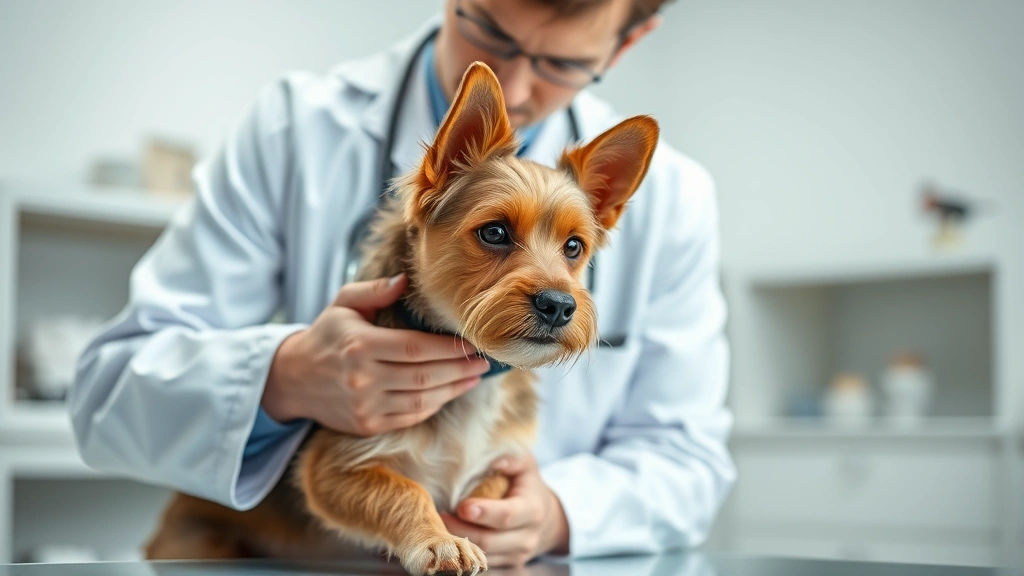
These dietary interventions help create an environment less hospitable to bacterial growth. Your veterinarian might suggest prescription urinary diets formulated specifically to support bladder health and prevent recurrent infections.
Dietary changes work best alongside antibiotics and increased hydration, not as standalone treatments for active infections.
Probiotics and Supplements
While probiotics aren’t a replacement for antibiotics, they’re an increasingly popular complementary dog urinary tract infection treatment option. Probiotics help restore healthy bacteria in your dog’s gut and urinary tract.
Some pet owners also use supplements containing cranberry extract or D-mannose, which may help prevent bacteria from adhering to bladder walls. Always discuss supplements with your veterinarian before starting—some can interact with medications or underlying health conditions.
Think of these as supportive tools that work alongside conventional treatment, not as primary solutions.
Pain Management and Comfort Care
UTIs can be uncomfortable, and your dog may experience pain or urgency when urinating. Your veterinarian may recommend pain relief or anti-inflammatory medications to improve your pup’s comfort during recovery.
Comfort care might include:
- Medications to reduce inflammation and pain
- Frequent potty breaks to prevent accidents and discomfort
- A comfortable, quiet resting area
- Extra patience during the recovery period
Addressing pain early helps your dog feel better emotionally and physically, which supports faster healing.
Addressing Underlying Health Conditions
Sometimes, recurrent or persistent UTIs signal an underlying issue. Your veterinarian might investigate whether your dog has kidney disease, diabetes, hormonal imbalances, or anatomical abnormalities that increase infection risk.
If an underlying condition is discovered, treating it becomes part of your long-term dog urinary tract infection treatment options strategy. For example, managing diabetes better can reduce UTI frequency in diabetic dogs.
This comprehensive approach prevents the frustrating cycle of repeated infections.
When to Consider Imaging and Advanced Diagnostics
For dogs with recurrent UTIs or those not responding to standard treatment, your vet may recommend ultrasound or X-rays to check for bladder stones, tumors, or structural issues.
Advanced diagnostics help identify why infections keep returning. Some cases require surgical intervention—for example, removing bladder stones that harbor bacteria. These more intensive dog urinary tract infection treatment options are reserved for specific situations, but they can be life-changing when needed.
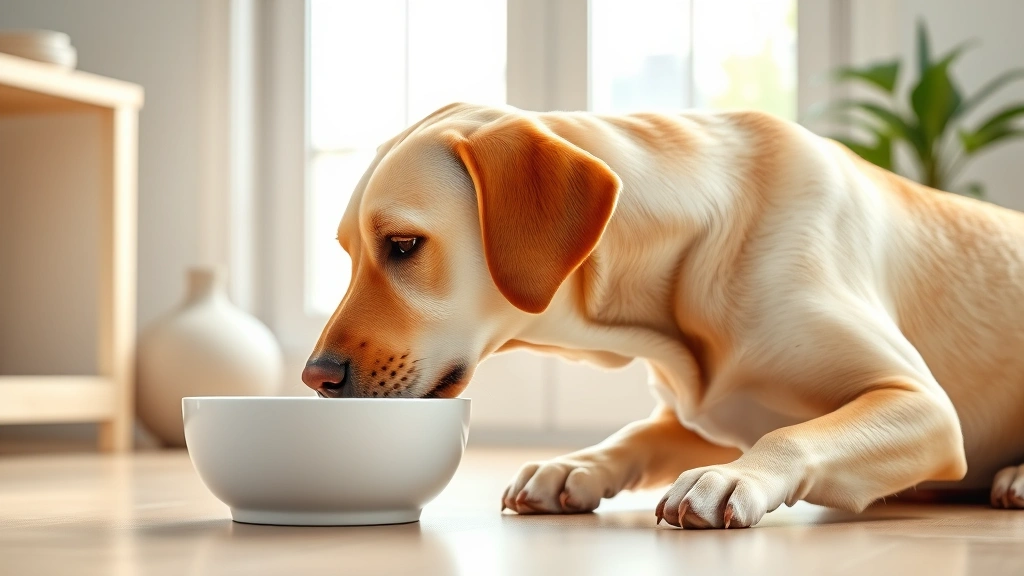
Your veterinarian will explain whether advanced diagnostics make sense for your dog’s situation.
Telehealth: Quick Answers When You Need Them
Worried about your dog’s symptoms but unsure if an urgent visit is necessary? If you are unsure whether your pet needs urgent care, a quick telehealth check-in can give you peace of mind — no appointment needed. Telehealth consultations let you describe symptoms, get preliminary guidance, and determine your next steps without the stress of travel or wait times.
For established cases, telehealth follow-ups can monitor your dog’s progress and adjust treatment as needed.
Prevention: Reducing Recurrence Risk
After your dog recovers, prevention becomes important. Consider these strategies to reduce the risk of future infections:
- Maintain consistent hydration and frequent potty breaks
- Keep the genital area clean and dry
- Use prescribed preventive diets or supplements if recommended
- Monitor for early warning signs and act quickly
- Schedule regular wellness exams to catch issues early
- Address any underlying health conditions with your vet
Prevention is always easier than treatment, so these habits pay dividends over your dog’s lifetime.
What To Do Now
- Schedule a veterinary visit: If you suspect a UTI, book an appointment for urinalysis and diagnosis. Your vet will determine which dog urinary tract infection treatment options suit your dog best.
- Increase water availability: Start encouraging hydration immediately by placing multiple water bowls around your home and monitoring intake.
- Keep detailed notes: Track your dog’s urination frequency, accidents, and any behavioral changes to share with your veterinarian.
- Follow treatment instructions precisely: Complete the full course of any prescribed medication, even if symptoms improve.
- Plan a follow-up test: Ask your vet about a follow-up urinalysis after treatment to confirm the infection has cleared.
Frequently Asked Questions
How long does it take for a dog UTI to clear with treatment?
Most dogs improve within 3-5 days of starting antibiotics, though the full course typically lasts 7-14 days. Symptoms may resolve before the infection is completely cleared, so completing the full treatment is essential.
Can a dog UTI go away on its own?
While some mild cases might improve temporarily, untreated UTIs usually worsen and can lead to serious complications like kidney infection. Veterinary treatment is strongly recommended.
Are male or female dogs more prone to UTIs?
Female dogs are more susceptible due to their shorter urethra, but males can develop UTIs too, especially as they age or if underlying health issues exist.
What’s the difference between a UTI and a bladder infection?
A UTI is a broad term covering infections anywhere in the urinary tract, while a bladder infection specifically affects the bladder. Most canine UTIs are bladder infections, but the terms are often used interchangeably.
Can diet alone treat a dog UTI?
Diet and hydration support treatment but cannot cure an active bacterial infection. Antibiotics are necessary to eliminate bacteria; diet and hydration work alongside medications.
Summary: Your Dog’s Path to Recovery
Dog urinary tract infection treatment options range from straightforward antibiotic therapy to comprehensive approaches addressing underlying causes. Most dogs recover well with prompt veterinary care, appropriate antibiotics, and supportive measures like increased hydration.
The key is acting quickly when you notice symptoms. Early intervention means faster recovery and fewer complications. Work closely with your veterinarian to choose the right treatment plan, follow instructions carefully, and don’t hesitate to reach out if your dog isn’t improving as expected.
Your dog is counting on you, and with the right approach, UTIs are highly treatable. You’ve got this!