
If your dog is experiencing a urinary tract infection, you’re probably feeling worried and unsure about whether it’s an emergency or something that can wait. The truth is, knowing when to see a vet for a dog urinary tract infection can make all the difference in getting your pup relief quickly and preventing complications down the road.
Table of Contents
- What Is a Dog Urinary Tract Infection?
- Common Signs Your Dog May Have a UTI
- When to Schedule a Regular Vet Appointment
- Emergency Signs: When to Seek Immediate Care
- Understanding Urinary Blockages vs. Simple UTIs
- How Vets Diagnose UTIs in Dogs
- Treatment Options and What to Expect
- Prevention: Reducing Your Dog’s UTI Risk
- When to Consider Referral to a Specialist
- The Role of Telehealth in UTI Management
- Related Conditions and When to Worry
- Frequently Asked Questions
- What To Do Now
- Summary: Taking Action on Your Dog’s UTI Symptoms
This article is for informational purposes only and is not a substitute for professional veterinary advice. Always consult a licensed veterinarian for diagnosis and treatment.
UTIs in dogs are more common than many pet owners realize, and they’re usually very treatable. But timing matters. Some signs need immediate attention, while others suggest a regular vet visit is the right call. Let’s walk through what you need to know so you can feel confident making the best decision for your furry friend.
What Is a Dog Urinary Tract Infection?
A urinary tract infection happens when bacteria (or occasionally other microorganisms) invade your dog’s urinary system. This can affect the bladder, urethra, or kidneys, causing inflammation and discomfort.
Most UTIs in dogs are bacterial infections that develop when bacteria travel up the urethra. Female dogs are more prone to UTIs than males because their urethra is shorter, making it easier for bacteria to reach the bladder. Older dogs, dogs with weakened immune systems, and those with underlying health conditions are also at higher risk.
The good news? UTIs are typically very responsive to treatment when caught early. Catching this early puts you in a great position to help your dog feel better fast.
Common Signs Your Dog May Have a UTI
Recognizing the early warning signs is the first step in knowing when to seek veterinary care. Here are the most common symptoms:
- Frequent urination: Your dog may need to go out more often than usual, even shortly after just going outside.
- Straining to urinate: You might notice your dog taking longer than normal to pee or appearing uncomfortable during the process.
- Accidents in the house: A previously housetrained dog having indoor accidents is a red flag, especially if paired with other symptoms.
- Discolored or foul-smelling urine: Cloudy, dark, or strong-smelling urine can indicate infection.
- Blood in urine: Pink or reddish-tinged urine suggests irritation in the urinary tract.
- Licking the genital area excessively: Dogs often lick more when they’re uncomfortable.
- Lethargy or loss of appetite: General signs of not feeling well.
If you’re seeing one or more of these signs, your pup is telling you something’s not right. However, not all of these symptoms automatically mean an emergency vet visit is needed—context matters.
When to Schedule a Regular Vet Appointment
Most cases of dog urinary tract infections warrant a standard vet appointment rather than an emergency visit. If your dog is showing mild to moderate signs and is otherwise acting relatively normal, a routine appointment is the right choice.
Schedule a regular vet visit if your dog has:
- Mild straining or increased frequency of urination
- A few indoor accidents but is still eating and drinking normally
- Discolored urine without other concerning symptoms
- Slight lethargy but no fever or severe pain
Your vet will likely recommend a urinalysis and possibly a urine culture to confirm the infection and identify the specific bacteria involved. This information helps determine the most effective treatment approach. Learn more about the underlying causes of UTIs to help prevent future occurrences.
Getting your dog in within a day or two is ideal, but if your vet’s office is booked, a telehealth consultation can be incredibly helpful. If you are unsure whether your pet needs urgent care, a quick telehealth check-in can give you peace of mind — no appointment needed.
Emergency Signs: When to Seek Immediate Care
Certain symptoms suggest your dog needs emergency veterinary attention right away. These signs could indicate a more serious infection, urinary blockage, or kidney involvement—all of which require urgent treatment.
Seek emergency care immediately if your dog shows:
- Complete inability to urinate: If your dog is straining intensely but producing little to no urine, this is a medical emergency. Urinary blockages can be life-threatening.
- Signs of severe pain: Crying, whimpering, or extreme restlessness during or after attempting to urinate.
- Fever (temperature above 103°F): A high fever suggests a more serious systemic infection.
- Vomiting or severe lethargy: These could indicate the infection has spread to the kidneys.
- Blood in urine accompanied by other severe symptoms: Especially if paired with fever or inability to urinate.
- Abdominal distension or pain: Your dog’s belly appears swollen or they’re very tender when touched.
- Collapse or difficulty walking: Signs of serious systemic illness.
When in doubt about severity, err on the side of caution. Emergency clinics exist for exactly these situations, and it’s always better to have a professional evaluate your dog when you’re concerned about their safety. Catching this early puts you in the best position to prevent serious complications.
Understanding Urinary Blockages vs. Simple UTIs
One of the most critical distinctions is between a simple UTI and a urinary blockage. A blockage occurs when something (often a stone, crystal, or plug of mucus) prevents urine from flowing out of the bladder. This is a true emergency that requires immediate veterinary intervention.
Signs of a potential blockage include:

- Repeated straining with little to no urine production
- Extreme pain or distress
- Inability to urinate for several hours
- Lethargy and loss of appetite
If you suspect a blockage, don’t wait. Head to an emergency clinic immediately. A blocked bladder can cause kidney damage and life-threatening complications within hours. Learn more about emergency signs specific to UTIs to help you recognize when urgent care is truly needed.
How Vets Diagnose UTIs in Dogs
Your veterinarian will use several diagnostic tools to confirm a UTI and rule out other conditions. Understanding this process can help you know what to expect during your visit.
Urinalysis: This is the primary diagnostic test. Your vet will examine a urine sample under a microscope, looking for white blood cells, bacteria, crystals, and blood. This test can usually be done in-clinic and provides results quickly.
Urine culture: If a UTI is suspected, your vet may send a sterile urine sample to a lab for culture. This test identifies the specific bacteria causing the infection and determines which antibiotics will be most effective. Results typically take 3-5 days.
Physical examination: Your vet will palpate your dog’s abdomen to check for pain or bladder distension and may ask detailed questions about your dog’s symptoms and medical history.
Imaging (if needed): If a blockage, stones, or kidney involvement is suspected, ultrasound or X-rays may be recommended to get a clearer picture of what’s happening in the urinary tract.
Treatment Options and What to Expect
Once a UTI is confirmed, treatment is usually straightforward. Your vet will recommend an appropriate course of action based on the severity of the infection and your dog’s overall health.
Antibiotics: Most UTIs are treated with antibiotics prescribed by your veterinarian. The specific antibiotic and duration depend on the bacteria identified and your dog’s individual factors. It’s crucial to complete the full course of antibiotics even if your dog feels better, to prevent the infection from returning.
Increased water intake: Encouraging your dog to drink more helps flush bacteria from the urinary system. Make sure fresh water is always available.
Dietary adjustments: Depending on the cause of the UTI, your vet may recommend dietary changes. Learn about the best diet options for dogs prone to UTIs to support long-term urinary health.
Supportive care: Pain management and supportive measures help your dog feel more comfortable during recovery.
Most dogs improve significantly within 48-72 hours of starting appropriate treatment. Your vet may recommend a follow-up urinalysis after treatment to confirm the infection has cleared.
Prevention: Reducing Your Dog’s UTI Risk
While you can’t prevent every UTI, several strategies can significantly reduce your dog’s risk of developing one.
- Encourage frequent bathroom breaks: More frequent urination helps flush bacteria from the system. Aim for at least 3-4 potty breaks daily.
- Ensure proper hydration: A well-hydrated dog produces more dilute urine, which is less likely to support bacterial growth.
- Maintain good genital hygiene: Keep the area around your dog’s genitals clean and dry, especially for female dogs.
- Regular vet check-ups: Annual wellness exams can catch early signs of urinary issues before they become serious infections.
- Address underlying health issues: Conditions like diabetes or hormonal imbalances increase UTI risk. Working with your vet to manage these conditions helps prevent secondary infections.
- Consider urinary health supplements: Explore supplements designed to support urinary tract health as a preventive measure, especially for dogs with recurrent UTIs.
If your dog has recurrent UTIs, your vet may recommend additional preventive measures or investigate underlying causes like kidney disease or anatomical abnormalities.
When to Consider Referral to a Specialist
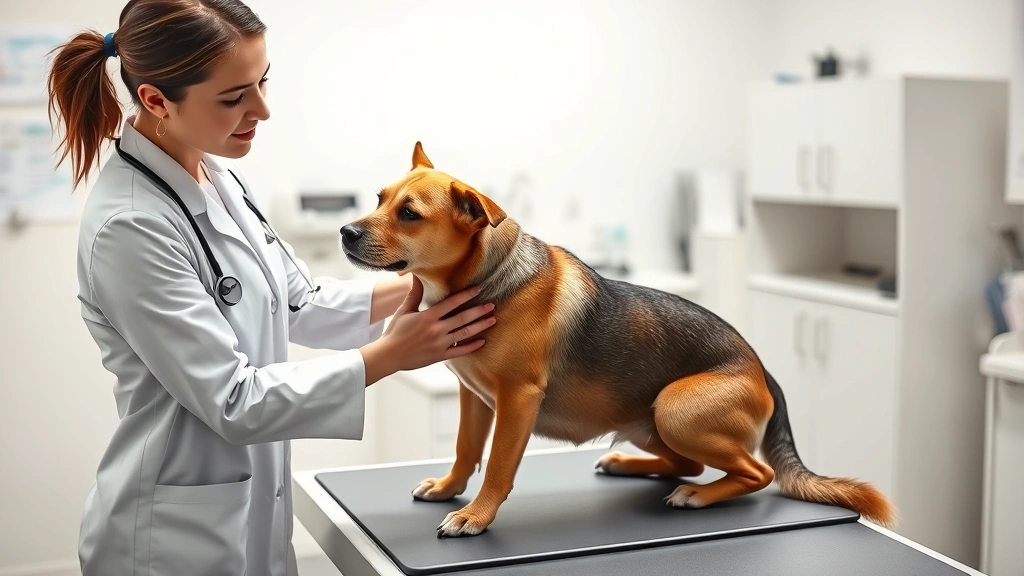
Most UTIs are managed successfully by your primary care veterinarian. However, certain situations warrant a referral to a veterinary specialist, such as a veterinary internist or urologist.
Consider specialist referral if your dog has:
- Recurrent UTIs (more than 2-3 per year)
- Complications suggesting kidney involvement
- Suspected urinary blockages or stones
- Underlying conditions complicating treatment
Specialists have advanced diagnostic tools and expertise to identify underlying causes and develop comprehensive long-term management plans. If your dog’s situation is complex, don’t hesitate to ask your vet about specialist options.
The Role of Telehealth in UTI Management
Telehealth veterinary services can be incredibly valuable for managing urinary tract infections, especially when you need quick guidance or have questions about your dog’s symptoms.
A telehealth vet can help you:
- Determine whether your dog needs an emergency visit or can wait for a regular appointment
- Discuss symptoms and get professional perspective without the wait
- Follow up on treatment progress between in-person visits
- Get answers to questions about medications or home care
While telehealth cannot replace physical examination or urine testing, it’s a helpful tool for peace of mind and guidance. If you are unsure whether your pet needs urgent care, a quick telehealth check-in can give you peace of mind — no appointment needed. The Pet Vet’s telehealth platform makes it easy to connect with a licensed veterinarian from your home.
Related Conditions and When to Worry
Sometimes what looks like a UTI could be related to other urinary or systemic conditions. If your dog has recurrent infections or doesn’t improve with treatment, your vet may investigate related issues.
Kidney disease can increase UTI susceptibility and requires different management. Bladder stones, diabetes, hormonal imbalances, and anatomical abnormalities can all contribute to recurrent infections. Your vet will work to identify and address any underlying causes to prevent future problems.
Frequently Asked Questions
How long does it take for a dog UTI to resolve?
Most dogs show improvement within 48-72 hours of starting antibiotics. Full recovery typically takes 7-14 days, depending on the severity of the infection and your dog’s overall health.
Can a dog UTI go away on its own?
While mild cases might occasionally resolve without treatment, most UTIs require antibiotics to clear completely. Untreated infections can worsen and spread to the kidneys, making prompt treatment important.
Is a dog UTI contagious to other pets?
No, UTIs are not contagious between dogs or other pets. They develop from bacteria already present in or around your dog’s body.
What’s the difference between a UTI and incontinence?
A UTI causes frequent urination, straining, and discomfort due to infection. Incontinence is involuntary urine leakage, often related to hormonal or neurological issues. Your vet can distinguish between these conditions through examination and testing.
Should I give my dog cranberry supplements to prevent UTIs?
While cranberry products are popular for urinary health, their effectiveness in dogs is debated. Talk to your vet about evidence-based prevention strategies and supplements appropriate for your dog’s specific situation.
What To Do Now
If you suspect your dog may have a urinary tract infection, here are the specific steps to take:
- Assess your dog’s symptoms: Review the signs listed above and note when symptoms started and how severe they are. Is your dog in obvious pain? Unable to urinate? Running a fever? This information helps determine urgency.
- Contact your veterinarian: Call your regular vet’s office and describe your dog’s symptoms. They can advise whether your dog needs an emergency visit, urgent appointment, or routine check-up. If you’re uncertain, a quick telehealth consultation can provide professional guidance.
- Prepare a urine sample: If your vet recommends an in-person visit, collect a fresh urine sample in a clean container if possible. This helps speed up diagnosis when you arrive.
- Monitor for emergency signs: While waiting for your appointment, watch for the emergency symptoms listed above (inability to urinate, severe pain, fever, vomiting). If any appear, head to an emergency clinic immediately rather than waiting for your scheduled appointment.
- Support your dog’s comfort: Ensure access to fresh water, frequent bathroom breaks, and a comfortable resting space. Avoid holding your dog’s bladder longer than necessary.
Summary: Taking Action on Your Dog’s UTI Symptoms
Knowing when to see a vet for a dog urinary tract infection empowers you to make the right decision at the right time. Most UTIs warrant a regular veterinary appointment and are highly treatable with appropriate antibiotics. However, certain emergency signs—like inability to urinate, severe pain, or high fever—require immediate care.
The key is recognizing the difference between mild to moderate symptoms (which need a routine appointment) and serious warning signs (which need emergency attention). When in doubt, reach out to your vet or consider a telehealth consultation for professional guidance. Your dog is counting on you to advocate for their health, and catching a UTI early makes treatment faster and recovery smoother.
Remember, UTIs are common, treatable, and usually not life-threatening when addressed promptly. By staying alert to symptoms and knowing your options for veterinary care, you’re already doing an excellent job caring for your furry friend.