
If your cat has been shaking their head, scratching at their ears, or you’ve noticed a foul smell coming from inside their ear canal, they may be experiencing ear infections in cats. This is one of the most common issues veterinarians see in feline patients, and the good news is that it’s highly treatable when caught early.
Table of Contents
- What Causes Ear Infections in Cats?
- Common Symptoms of Ear Infections in Cats
- How Vets Diagnose Ear Infections
- Understanding Medication Options for Ear Infections in Cats
- Topical Treatments: The First-Line Approach
- Oral and Systemic Medications
- Managing Inflammation and Pain
- Ear Cleaning: An Important Part of Treatment
- Preventing Future Ear Infections in Cats
- When to Seek Urgent Care
- Frequently Asked Questions
- What To Do Now
- Summary
This article is for informational purposes only and is not a substitute for professional veterinary advice. Always consult a licensed veterinarian for diagnosis and treatment.
What Causes Ear Infections in Cats?
Ear infections develop when bacteria, yeast, or mites colonize your cat’s ear canal. The warm, moist environment inside the ear creates the perfect breeding ground for these microorganisms. Understanding the root cause is essential because it determines which treatment approach will work best.
Several factors can trigger infections. Allergies—whether food-related or environmental—are a leading culprit. Cats with weakened immune systems, those living in humid climates, or cats with excessive ear wax buildup face higher risk. Even water getting trapped in the ear during grooming can create conditions favorable for infection.
Ear mites are particularly common in outdoor cats and kittens. These tiny parasites cause intense itching and can quickly spread to other pets in your home. Catching this early puts you in a great position to help your cat feel better fast.
Common Symptoms of Ear Infections in Cats
Your cat may be experiencing an ear infection if you notice any of these signs:
- Frequent head shaking or tilting
- Excessive scratching or pawing at the ears
- Redness or swelling inside the ear
- Dark, waxy, or discharge-like buildup in the ear canal
- Foul or yeasty odor emanating from the ear
- Behavioral changes like irritability or sensitivity to touch
- Loss of balance or coordination (in severe cases)
Some cats hide their discomfort well, so even subtle changes in behavior warrant a veterinary check-up. The sooner you address the problem, the easier treatment becomes.
How Vets Diagnose Ear Infections
Your veterinarian will use an otoscope—a special magnifying instrument—to examine deep inside your cat’s ear canal. This allows them to see inflammation, discharge, and any visible parasites or debris.
In many cases, your vet may take a small sample of ear discharge to examine under a microscope. This helps identify whether the infection is bacterial, fungal (yeast), or parasitic. Knowing the exact culprit ensures treatment targets the right organism.
Some cats may need imaging like X-rays if the infection appears severe or has spread to the middle or inner ear. This thorough diagnostic approach prevents guessing and ensures your cat receives appropriate care.
Understanding Medication Options for Ear Infections in Cats
Treatment depends entirely on what’s causing the infection. Your veterinarian will not prescribe specific medications based on guesswork—they’ll tailor the approach to your cat’s unique situation. Here’s what you should know about common treatment categories:
Topical Ear Drops and Solutions: These are often the first line of defense. Topical treatments work directly on the infection site and typically have fewer systemic side effects than oral medications. Your vet will show you the proper technique for applying them, which can feel tricky at first but becomes routine with practice.
Oral Medications: For infections that have spread or aren’t responding to topical treatment, oral antibiotics or antifungals may be necessary. These circulate through your cat’s bloodstream to fight infection from the inside.
Anti-inflammatory Treatments: Inflammation causes much of the discomfort your cat experiences. Anti-inflammatory medications reduce swelling and itching, providing relief while the infection clears.
Antiparasitic Treatments: If ear mites are the culprit, your vet will prescribe medications specifically designed to eliminate these parasites. Some treatments also prevent future infestations.

Topical Treatments: The First-Line Approach
Topical ear medications are often preferred for cats because they deliver medication directly where it’s needed. Your veterinarian may recommend solutions containing antibacterial, antifungal, or antiparasitic ingredients depending on the diagnosis.
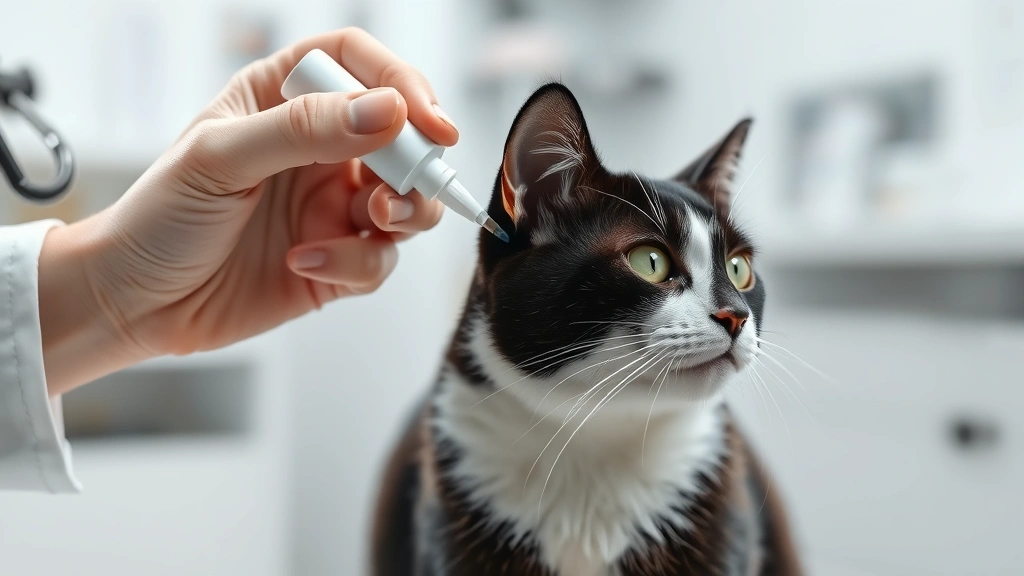
The application process requires patience. Gently pull your cat’s ear flap back and instill the prescribed number of drops into the ear canal. Then, massage the base of the ear to help the medication work its way down. Your vet will demonstrate this during your visit.
Most cats tolerate topical treatments reasonably well, especially if you reward them with treats or praise afterward. Consistency matters—missing doses can extend recovery time, so set a daily reminder if needed.
Oral and Systemic Medications
When infections are severe, widespread, or resistant to topical treatment, your vet may prescribe oral medications. These work throughout your cat’s body and are particularly useful for middle or inner ear infections that topical drops can’t reach.
Oral antibiotics typically need to be given for 7-14 days, depending on the specific medication and infection severity. It’s crucial to complete the full course even if your cat seems better—stopping early can allow the infection to return stronger.
Some cats are picky about taking pills. If your cat refuses medication, ask your vet about alternative formulations like liquids or compounded versions that taste better. Never crush or alter medications without veterinary approval.
Managing Inflammation and Pain
Beyond treating the infection itself, managing inflammation is key to your cat’s comfort. Anti-inflammatory medications reduce the swelling that causes itching and pain, helping your cat feel better faster.
Your veterinarian may recommend these alongside infection-fighting treatments. The combination approach addresses both the root cause and the symptoms, speeding recovery and improving your cat’s quality of life during treatment.
Never give your cat over-the-counter pain relievers intended for humans—many are toxic to cats. Always use only medications prescribed or approved by your veterinarian.
Ear Cleaning: An Important Part of Treatment
Professional ear cleaning by your veterinarian helps remove debris, discharge, and buildup that harbor infection-causing organisms. This isn’t something to attempt at home with cotton swabs, which can actually push debris deeper into the ear canal and cause damage.
Your vet uses specialized equipment and solutions to safely flush and clean the ear canal. This step often makes topical medications more effective because they can penetrate better into a clean ear.
After professional cleaning, your vet may recommend gentle at-home maintenance using vet-approved ear cleaning solutions. Follow their specific instructions for frequency and technique.
Preventing Future Ear Infections in Cats
Once your cat recovers, prevention becomes important. Here are practical steps to reduce the risk of recurrence:
- Keep ears dry—gently dry your cat’s ears after baths or if they get wet
- Monitor for allergies and work with your vet to manage them effectively
- Maintain regular ear checks; look for redness, odor, or discharge
- Keep your cat’s living environment clean and free from excess humidity
- Schedule routine veterinary exams to catch problems early
If your cat experiences recurring infections, your vet may recommend preventive ear cleaning or treatments. Some cats are simply prone to ear issues, and staying proactive prevents serious complications.
When to Seek Urgent Care
Most ear infections aren’t emergencies, but certain signs warrant immediate veterinary attention. If your cat shows loss of balance, severe head tilting, or discharge that looks bloody, contact your vet right away. These could indicate the infection has spread to the middle or inner ear.
If your cat seems in severe pain, won’t eat, or acts lethargic, don’t wait for a routine appointment. These signs suggest the infection may be more serious than it initially appeared.
If you’re unsure whether your pet needs urgent care, a quick telehealth check-in with The Pet Vet can give you peace of mind—no appointment needed. Our veterinarians can assess your cat’s symptoms and advise whether in-person evaluation is necessary.
Frequently Asked Questions
How long does it take for ear infections in cats to clear up?
Most ear infections improve within 1-2 weeks of treatment, though some may take longer depending on severity and the underlying cause. Always complete the full prescribed treatment course.
Can ear infections in cats go away on their own?
While mild cases might improve temporarily, untreated infections typically worsen and can cause permanent hearing damage or spread to deeper ear structures. Professional treatment is essential.
Are ear infections contagious between cats?
Ear mite infections are contagious to other pets, so infected cats should be separated from other animals in the household. Bacterial and fungal infections are generally not contagious.
What should I do if my cat won’t let me put drops in their ear?
Ask your vet about alternative medication forms or techniques. Some cats respond better to having their ears cleaned professionally first, which makes application easier. Your vet can also demonstrate handling techniques.
Can allergies cause ear infections in cats?
Yes, allergies are a common underlying cause of ear infections in cats. Managing the allergy with your vet’s help can prevent future infections from developing.
What To Do Now
- Schedule a veterinary appointment if you suspect your cat has an ear infection—early treatment prevents complications and speeds recovery
- Document your cat’s symptoms (head shaking frequency, ear odor, behavior changes) to share with your vet for accurate diagnosis
- Prepare to discuss your cat’s medical history, including previous ear issues, allergies, or outdoor exposure to parasites
- Ask your vet to demonstrate proper medication application techniques before you leave the clinic
- Set up a medication reminder system to ensure you don’t miss doses during the treatment period
Summary
Ear infections in cats are common but highly treatable when addressed promptly. The key to success is getting an accurate diagnosis from your veterinarian, who can identify whether bacteria, yeast, mites, or allergies are responsible. Treatment typically involves topical or oral medications, often combined with professional ear cleaning and anti-inflammatory support.
Your role as a pet owner is crucial—consistent medication administration, careful observation for improvement, and prevention strategies all contribute to your cat’s recovery. Most cats bounce back quickly once treatment begins, returning to their playful, comfortable selves.
If you’re concerned about your cat’s ear health or have questions about treatment options, don’t hesitate to reach out to your veterinarian. And remember, conditions like feline urinary tract infections or other health issues can sometimes accompany ear problems, so a thorough exam is always worthwhile. Your cat’s comfort and health are worth the effort.
For additional guidance on cat health topics, explore articles on vaccination reactions in cats and gum disease in cats to stay informed about your feline friend’s wellbeing. You might also find it helpful to learn about toxic human foods for cats to prevent other health complications.
Your cat is counting on you to notice when something’s wrong and take action. By staying vigilant and working closely with your veterinary team, you’ll keep those ears healthy and your cat happy for years to come.