
If your dog has been scratching at their ears more than usual, shaking their head constantly, or you’ve noticed a foul smell coming from inside their ear canal, they may be experiencing ear infections in dogs—one of the most common issues veterinarians see in their practices. This is especially frustrating for pet owners because the discomfort can affect your dog’s sleep, mood, and overall quality of life. The good news? Catching this early puts you in a great position to help your furry friend feel better quickly.
Table of Contents
- Understanding Ear Infections in Dogs
- Common Signs Your Dog May Have an Ear Infection
- What Causes Ear Infections in Dogs?
- How Veterinarians Diagnose Ear Infections
- Medication Options for Treating Ear Infections in Dogs
- Best Practices for Administering Ear Medications
- How Long Does Treatment Take?
- Preventing Future Ear Infections in Dogs
- When to Seek Urgent Care
- What To Do Now
- Frequently Asked Questions
- Summary: Taking Action Against Ear Infections in Dogs
This article is for informational purposes only and is not a substitute for professional veterinary advice. Always consult a licensed veterinarian for diagnosis and treatment.
Understanding Ear Infections in Dogs
Ear infections happen when bacteria, yeast, or other microorganisms build up inside your dog’s ear canal, causing inflammation and discomfort. Dogs with floppy ears, those who swim frequently, or pups with allergies are at higher risk. The warm, moist environment inside a dog’s ear is the perfect breeding ground for these troublemakers.
There are three types of ear infections: otitis externa (outer ear), otitis media (middle ear), and otitis interna (inner ear). Most infections start in the outer ear and can progress if left untreated. Early intervention makes a real difference in how quickly your dog recovers.
Common Signs Your Dog May Have an Ear Infection
Recognizing the symptoms early is key to getting your dog relief. Here are the most common warning signs:
- Excessive scratching or rubbing at the ears
- Head shaking or tilting
- Redness or swelling inside the ear flap
- Discharge that’s yellow, brown, or black
- A yeasty or foul odor from the ear
- Sensitivity when you touch the ear area
- Crusting or scabbing around the ear opening
If you notice any of these signs, scheduling a vet visit soon is important. Catching this early puts you in a great position to help your pup recover faster.
What Causes Ear Infections in Dogs?
Understanding the root cause helps prevent future infections. Allergies—whether food-related or environmental—are the leading culprit, as they cause inflammation that allows bacteria and yeast to thrive. Water trapped in the ear from bathing or swimming, ear mites, and foreign objects can also trigger infections.
Some breeds with long, floppy ears (like Cocker Spaniels and Basset Hounds) are naturally more prone to ear problems because their ear canal shape limits air circulation. Dogs with compromised immune systems or those on long-term antibiotics may also be at higher risk.
How Veterinarians Diagnose Ear Infections
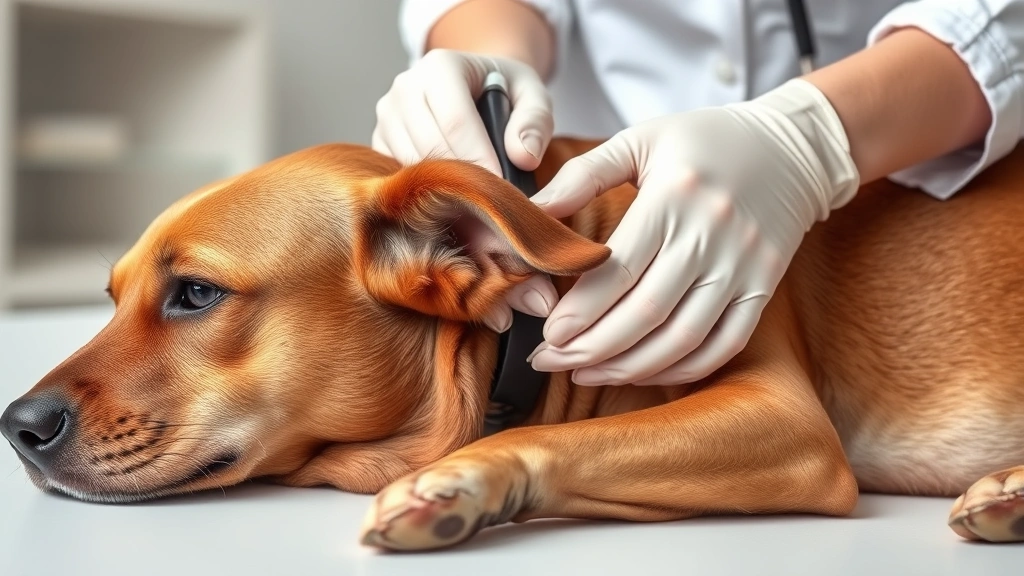
Your vet will use an otoscope—a small handheld instrument—to look deep inside your dog’s ear canal. They may also take a sample of the discharge to examine under a microscope or send it to a lab to identify whether the infection is bacterial, fungal, or caused by parasites.
This diagnostic step is crucial because it determines which medication will work best for your specific dog. A yeast infection requires different treatment than a bacterial infection, so getting the right diagnosis saves time and money.
Medication Options for Treating Ear Infections in Dogs
Once your vet confirms the diagnosis, they’ll recommend appropriate medications. Here are seven common medication types that veterinarians use to treat ear infections in dogs:
1. Topical Antibiotic Ear Drops
These are often the first line of defense for bacterial ear infections. Antibiotic drops work directly at the infection site, reducing bacteria and inflammation. Your vet will show you how to apply them properly—usually by cleaning the ear first, then instilling the drops deep into the canal.
2. Antifungal Ear Medications
If your dog’s infection is caused by yeast or fungus, antifungal medications are essential. These come as drops or ointments and work by disrupting the fungal cell wall. Many dogs respond well to these within 7–10 days of consistent treatment.
3. Corticosteroid Ear Drops
Steroids reduce inflammation and itching, providing relief while the infection clears. They’re often combined with antibiotics or antifungals in prescription ear solutions. The anti-inflammatory action helps your dog feel more comfortable right away.
4. Combination Medications
Many prescription ear medications combine antibiotic, antifungal, and steroid ingredients in one bottle. These all-in-one solutions are convenient and address multiple aspects of the infection simultaneously, making them a popular choice among veterinarians.
5. Oral Antibiotics
For severe infections or those affecting the middle or inner ear, your vet may prescribe oral antibiotics. These systemic medications circulate through the bloodstream and reach deeper into the ear structure. They’re typically used alongside topical treatments for best results.
6. Oral Antifungal Medications
When yeast infections are stubborn or widespread, oral antifungals may be recommended. These work from the inside out and are often combined with topical treatments to speed recovery. Your vet will monitor your dog during treatment to ensure safety.
7. Ceruminolytic Agents
These special ear cleaners break down excess wax and debris, allowing other medications to penetrate deeper. Using a ceruminolytic before applying drops significantly improves treatment effectiveness. Think of it as clearing the pathway for medicine to do its job.
Best Practices for Administering Ear Medications
Giving your dog ear medication correctly makes all the difference. Here’s what works best:
- Clean first: Gently clean the ear with a vet-approved solution to remove debris and discharge
- Warm the medication: Hold the bottle in your hand for a few seconds so the drops aren’t cold
- Position your dog: Have them sit or lie on their side with the affected ear facing up
- Apply correctly: Gently pull the ear flap up and apply drops directly into the canal as directed
- Massage gently: Massage the base of the ear for 30 seconds to help the medication distribute
- Stay consistent: Give medications exactly as prescribed—usually twice daily for 7–14 days
Consistency is everything. Skipping doses or stopping early can allow the infection to return, so set phone reminders if that helps you stay on track.
How Long Does Treatment Take?
Most uncomplicated ear infections start improving within 3–5 days of starting the right medication. However, complete healing typically takes 7–14 days, depending on the severity and type of infection. Some chronic cases may require longer treatment or follow-up visits.
Your vet may want to recheck your dog’s ear after treatment to confirm the infection is completely gone. This follow-up visit is important because lingering infections can quickly flare up again if not fully resolved.
Preventing Future Ear Infections in Dogs
Once your dog recovers, prevention becomes your best tool. Here are practical steps to reduce the risk of recurrence:
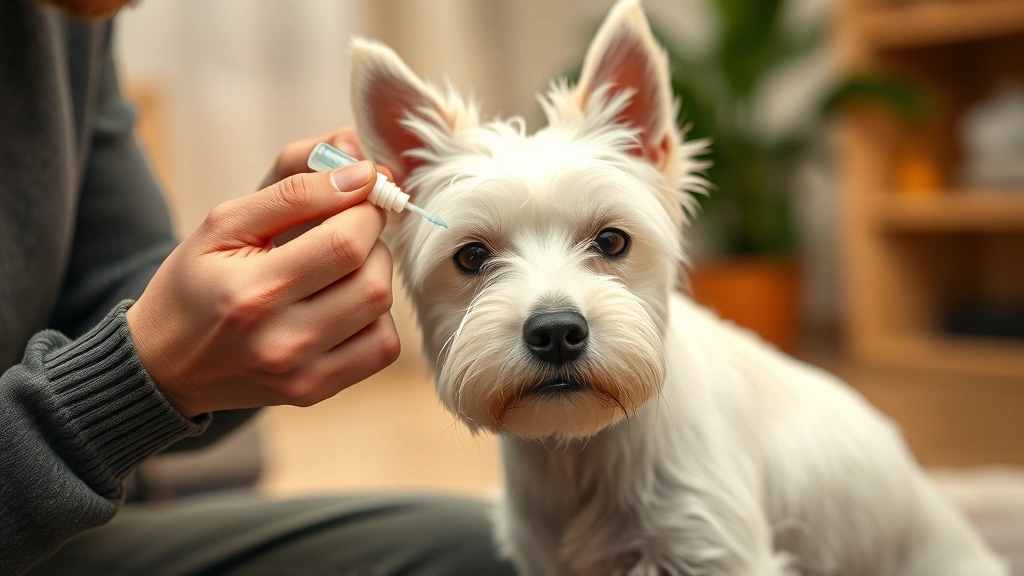
- Clean ears regularly with a vet-approved cleanser (especially after swimming or bathing)
- Dry ears thoroughly after water exposure
- Address underlying allergies with your vet—this often stops infections from recurring
- Keep ear hair trimmed if your breed grows hair in the canal
- Check ears weekly for early signs of redness or odor
- Consider a diet adjustment if food allergies are contributing (ask your vet about seasonal allergies feeding adjustments)
Many ear infections are actually secondary to allergies, so managing your dog’s allergies is often the real key to prevention. Your veterinarian can help identify whether allergies are playing a role in your dog’s ear troubles.
When to Seek Urgent Care
Most ear infections can be managed with a regular vet visit, but certain signs warrant urgent attention. If your dog shows signs of balance problems, severe head tilting, or discharge from the ear canal combined with fever, the infection may have reached the middle or inner ear.
If you are unsure whether your pet needs urgent care, a quick telehealth check-in with The Pet Vet can give you peace of mind—no appointment needed. Our veterinarians can assess your dog’s symptoms and advise whether an in-person visit is necessary right away.
What To Do Now
- Schedule a vet appointment: If your dog is showing signs of an ear infection, contact your veterinarian to get a diagnosis and treatment plan
- Document the symptoms: Note when the scratching started, any discharge color, and whether your dog has had previous ear infections—this helps your vet
- Prepare for treatment: Ask your vet to demonstrate proper medication application so you can administer drops confidently at home
- Set medication reminders: Use phone alarms or a calendar to ensure you don’t miss doses during the treatment period
- Plan a follow-up visit: Schedule a recheck appointment after treatment to confirm the infection is completely resolved
Frequently Asked Questions
Can ear infections in dogs go away on their own?
Mild cases may improve slightly, but most ear infections require medication to fully resolve. Without treatment, infections typically worsen and can cause permanent damage to the ear canal.
Are ear infections in dogs contagious to other pets?
Bacterial and yeast infections are not contagious between dogs, but ear mites can spread. If ear mites are the cause, keep your dog away from other pets until treatment is complete.
How much does treatment for ear infections in dogs cost?
Costs vary widely depending on your location and veterinary clinic, but expect to pay for an exam, possible lab work, and medication. A telehealth consultation can help you understand costs before committing to in-person care.
What’s the difference between ear mites and bacterial infections?
Ear mites cause intense itching and a dark, crumbly discharge, while bacterial infections typically produce yellow or brown discharge with a foul smell. Your vet can identify which one your dog has using a microscope.
Can I use human ear drops on my dog?
Never use human ear medications on dogs—they can damage the ear canal or cause toxicity. Always use only veterinary-prescribed ear medications formulated for dogs.
Summary: Taking Action Against Ear Infections in Dogs
Ear infections in dogs are uncomfortable and frustrating, but they’re highly treatable when caught early. By recognizing the warning signs, getting a proper diagnosis, and following your veterinarian’s treatment plan, your dog can be back to their happy, itch-free self within weeks.
The key is consistency with medication and addressing any underlying causes like allergies. If you’re ever unsure about your dog’s symptoms or treatment, remember that The Pet Vet’s telehealth service makes it easy to get professional guidance without the hassle of scheduling and waiting. Your dog’s comfort is worth the effort—start with a vet visit today and get your pup on the path to recovery.