
If you’ve noticed your dog shaking their head more than usual, tilting it to one side, or scratching at their ears constantly, you might be dealing with ear polyps in dogs—a condition that worries many pet owners but is absolutely manageable with the right approach.
Table of Contents
- What Are Ear Polyps in Dogs?
- Common Signs Your Dog May Have Ear Polyps
- How Vets Diagnose Ear Polyps
- Treatment Options for Ear Polyps in Dogs
- Post-Treatment Care and Recovery
- Preventing Ear Polyps and Related Issues
- When to Seek Urgent Veterinary Care
- The Cost of Treatment
- Living with Your Dog After Polyp Treatment
- Key Takeaways: What You Need to Know
- Frequently Asked Questions
- What To Do Now
This article is for informational purposes only and is not a substitute for professional veterinary advice. Always consult a licensed veterinarian for diagnosis and treatment.
Ear polyps are benign growths that develop inside the ear canal or middle ear. While the name might sound alarming, catching them early puts you in a great position to help your dog feel better quickly. Let’s walk through what these growths are, how to spot them, and what treatment options can bring your pup relief.
What Are Ear Polyps in Dogs?
Ear polyps are soft, benign tissue growths that typically arise from the lining of the ear canal or middle ear. Think of them as small, fleshy bumps that shouldn’t be there—they’re not cancerous, but they can definitely cause discomfort.
These growths are more common in cats than dogs, but when they do appear in dogs, they’re usually found in breeds with floppy ears or those prone to ear issues. The exact cause isn’t always clear, though chronic inflammation and repeated ear infections seem to play a role.
Common Signs Your Dog May Have Ear Polyps
The symptoms of ear polyps often mimic those of regular ear infections in dogs, which is why a proper diagnosis matters. Watch for these telltale signs:
- Frequent head shaking or tilting
- Excessive scratching or pawing at the ears
- Discharge from the ear (may be clear, yellowish, or bloody)
- Foul odor coming from the ear area
- Visible swelling or redness in the ear canal
- Hearing loss or lack of response to sounds
- Balance problems or circling (if the polyp affects the inner ear)
- Behavioral changes like irritability or restlessness
If you’re seeing any combination of these signs, don’t panic—your vet can determine what’s actually going on with a proper examination.
How Vets Diagnose Ear Polyps
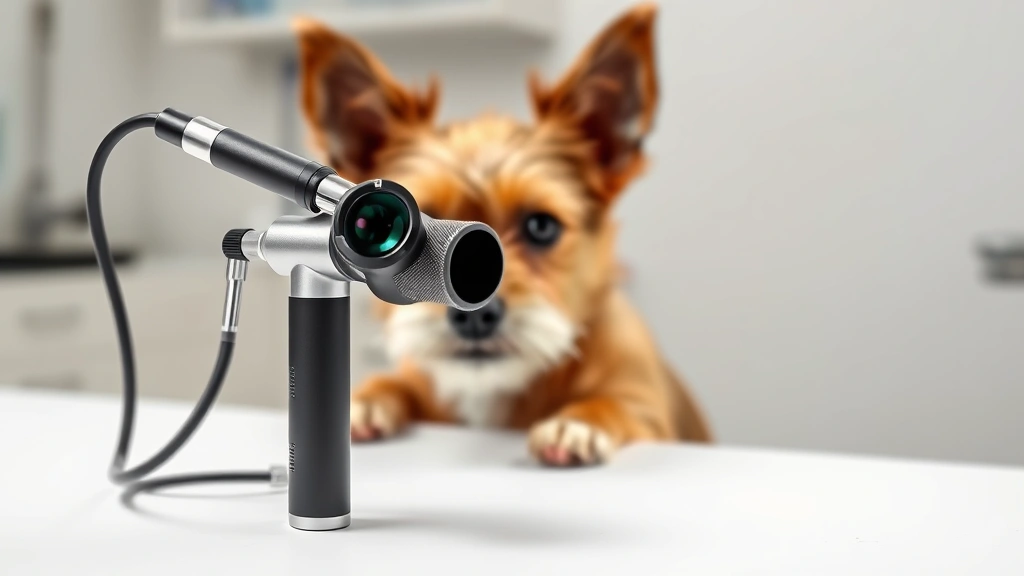
Diagnosis typically starts with a thorough physical exam and otoscopic examination, where your vet looks deep into the ear canal with a specialized scope. This allows them to visualize any growths directly.
In some cases, your vet may recommend imaging like X-rays or CT scans to understand the full extent of the polyp and whether it’s affecting the middle ear. This imaging helps guide treatment decisions and ensures nothing else is going on.
Your vet might also take a sample of any discharge to rule out concurrent infections, since ear polyps and infections sometimes occur together.
Treatment Options for Ear Polyps in Dogs
Treatment depends on the size, location, and symptoms caused by the polyp. Here’s what your vet might recommend:
Surgical Removal
Surgery is the most common and effective treatment for ear polyps in dogs. The procedure involves carefully removing the polyp under general anesthesia, often using an otoscope to guide the surgeon for precision.

Recovery is usually straightforward, with most dogs returning to normal activity within a week or two. Your vet will provide post-operative ear care instructions to prevent infection and promote healing.
Medical Management
If surgery isn’t immediately necessary or your dog isn’t a good surgical candidate, your vet might recommend managing symptoms with ear cleaning and topical treatments. These approaches won’t eliminate the polyp but can reduce inflammation and discomfort.
Regular cleaning with a veterinary-approved solution helps prevent secondary infections, which often worsen symptoms.
Monitoring and Watchful Waiting
Some small polyps that aren’t causing significant symptoms may be monitored over time rather than surgically removed. Your vet will schedule regular check-ups to ensure the polyp isn’t growing or causing problems.
This approach works best for dogs without hearing loss or balance issues related to the growth.
Post-Treatment Care and Recovery
After surgery, proper ear care is essential for smooth healing. Your vet will likely prescribe ear drops or cleaning solutions to use during recovery.
Keep the ear dry during bathing, avoid swimming for several weeks, and follow your vet’s instructions on activity restrictions. Most dogs bounce back quickly, and you’ll likely notice improved comfort within days.
Preventing Ear Polyps and Related Issues
While you can’t always prevent ear polyps, you can reduce the risk of chronic ear problems that might contribute to their development:
- Regular ear cleaning: Clean your dog’s ears weekly with a vet-approved solution, especially if they have floppy ears
- Keep ears dry: Pat ears dry after baths or swimming to prevent moisture buildup
- Address allergies: Work with your vet on an elimination diet feeding plan if your dog has food sensitivities contributing to ear inflammation
- Boost immune health: Consider feeding for immune support to strengthen your dog’s natural defenses
- Manage underlying conditions: Treat allergies, yeast infections, and other ear issues promptly to prevent chronic inflammation
When to Seek Urgent Veterinary Care
Most ear polyps aren’t emergencies, but certain signs warrant prompt attention. Seek veterinary care immediately if your dog experiences sudden hearing loss, severe balance problems, or signs of infection like fever or pus-like discharge.
If you’re unsure whether your pet needs urgent care, a quick telehealth check-in with The Pet Vet can give you peace of mind—no appointment needed. Our vets can assess symptoms and advise whether an in-person visit is necessary.
The Cost of Treatment
Surgical removal typically costs between $500 and $2,500, depending on the complexity and your location. Some pet insurance plans cover polyp removal, so check your policy.
Medical management and monitoring are less expensive upfront but require ongoing vet visits. Discuss all options and costs with your vet to make the best decision for your family and budget.
Living with Your Dog After Polyp Treatment
Most dogs return to their normal, happy selves after successful polyp removal. You’ll likely notice your pup stops scratching, shaking their head less, and seems more comfortable overall.
Continue regular ear checks and cleaning as part of routine grooming to catch any future issues early. Some dogs may be prone to polyps recurring, so staying vigilant helps.
Key Takeaways: What You Need to Know
Ear polyps in dogs are treatable, and catching them early leads to better outcomes. The combination of proper diagnosis, appropriate treatment, and ongoing ear care puts your dog on the path to comfort and health.
Your veterinarian is your best partner in this journey—they’ll help you understand your dog’s specific situation and recommend the treatment that makes the most sense. With attention and care, most dogs recover well and enjoy life without the discomfort these growths cause.
Frequently Asked Questions
Are ear polyps in dogs cancerous?
No, ear polyps are benign growths and not cancerous. They’re uncomfortable and can cause hearing problems, but they won’t spread or become malignant.
Can ear polyps go away on their own?
Ear polyps rarely disappear without treatment. Surgical removal is the most effective way to eliminate them permanently.
What’s the difference between ear polyps and ear infections?
Ear infections are caused by bacteria, yeast, or parasites, while polyps are tissue growths. However, they can occur together, and your vet can distinguish between them with examination.
How long does recovery take after polyp removal surgery?
Most dogs recover within 1-2 weeks, though complete healing of the ear canal takes longer. Your vet will provide specific aftercare instructions for your dog.
Can my dog get ear polyps again after removal?
Recurrence is possible but uncommon. Regular ear cleaning and prompt treatment of ear infections help reduce the risk of polyps returning.
What To Do Now
- Schedule a vet appointment: If you’ve noticed signs of ear polyps, contact your veterinarian or use The Pet Vet’s telehealth service to get a professional evaluation and diagnosis.
- Document symptoms: Keep notes on when your dog scratches, shakes their head, or shows other ear-related behaviors to share with your vet—this helps with diagnosis.
- Start gentle ear care: Ask your vet about safe ear-cleaning solutions and begin weekly cleaning to manage symptoms while awaiting diagnosis and treatment.
- Discuss treatment options: Once diagnosed, talk through all available treatments with your vet, including surgery, medical management, and monitoring, to choose what’s best for your dog.
- Plan follow-up care: Whether your dog has surgery or conservative treatment, establish a schedule for follow-up exams to ensure healing and prevent complications.
Remember, you’re doing the right thing by seeking information and taking your dog’s health seriously. Ear polyps are manageable, and with your care and your vet’s guidance, your pup will feel better soon.