
If your cat is sneezing constantly, has watery eyes, or sounds congested, you might be dealing with a feline upper respiratory infection—a common condition that worries many cat parents. These infections are uncomfortable for your kitty and can escalate quickly if left untreated, but the good news is that they’re highly manageable with the right approach and care.
Table of Contents
- What Is a Feline Upper Respiratory Infection?
- Common Symptoms Your Cat May Be Experiencing
- How Vets Diagnose Upper Respiratory Infections in Cats
- Medication Options for Feline Upper Respiratory Infections
- Why Supportive Care Matters as Much as Medication
- When to Seek Urgent Veterinary Care
- Preventing Feline Upper Respiratory Infections
- Recovery Timeline: What to Expect
- Special Considerations for Kittens and Senior Cats
- The Role of Nutrition in Recovery
- Frequently Asked Questions
- What To Do Now
- Summary
This article is for informational purposes only and is not a substitute for professional veterinary advice. Always consult a licensed veterinarian for diagnosis and treatment.
What Is a Feline Upper Respiratory Infection?
A feline upper respiratory infection (URI) affects the nose, throat, and sinuses—basically the upper part of your cat’s breathing system. Think of it like a cold or flu in humans, but for cats. These infections are typically caused by viruses (like feline herpesvirus or calicivirus) or bacteria that spread easily between cats.
Upper respiratory infections in cats are contagious, especially in multi-cat households or shelters. Your cat may have caught it from another cat, or it could have developed from stress, poor air quality, or a weakened immune system.
Common Symptoms Your Cat May Be Experiencing
Recognizing the signs early helps you get your cat treatment faster. Watch for these typical symptoms:
- Frequent sneezing and nasal discharge (clear, cloudy, or yellowish)
- Watery or goopy eyes
- Congestion or difficulty breathing through the nose
- Loss of appetite (cats rely heavily on smell to eat)
- Lethargy or unusual tiredness
- Fever (though you may not notice this without a thermometer)
- Drooling or difficulty swallowing
- Ulcers in the mouth or on the tongue
If your cat is showing these signs, catching it early puts you in a great position to help. Many cases resolve within 7–10 days with proper care and support.
How Vets Diagnose Upper Respiratory Infections in Cats
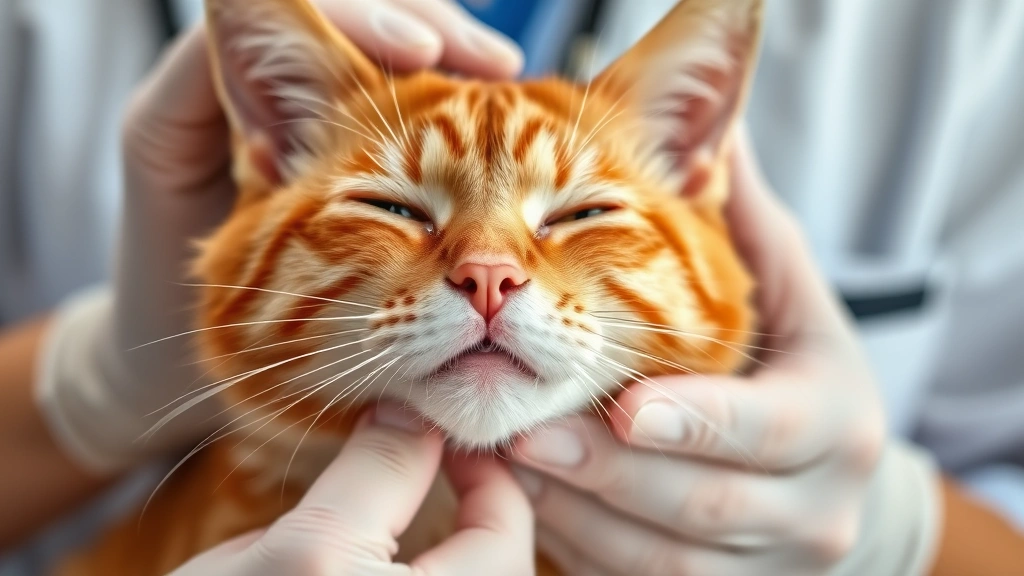
Your veterinarian will start with a physical exam and ask about your cat’s symptoms and exposure history. In most cases, a visual exam is enough to diagnose a straightforward URI. Your vet will look at your cat’s eyes, nose, and throat for signs of inflammation or discharge.
For more complicated cases—especially if your cat isn’t improving or has severe symptoms—your vet might recommend bloodwork, a nasal swab, or imaging to rule out other conditions like chronic sinusitis in cats or secondary bacterial infections.
Medication Options for Feline Upper Respiratory Infections
Most viral URIs resolve on their own within 1–2 weeks, but medications can ease symptoms and prevent complications. Here’s what your vet might consider:
Antiviral Medications
Antivirals like famciclovir may be recommended if your cat has herpesvirus-related symptoms, especially if there’s eye involvement or recurrent infections. These work best when started early in the infection.
Antibiotics
If your cat has a bacterial infection or a secondary bacterial infection on top of the viral one, antibiotics become necessary. Your vet will choose based on the specific bacteria suspected. Remember, antibiotics don’t work on viruses—only bacteria.
Decongestants and Supportive Care
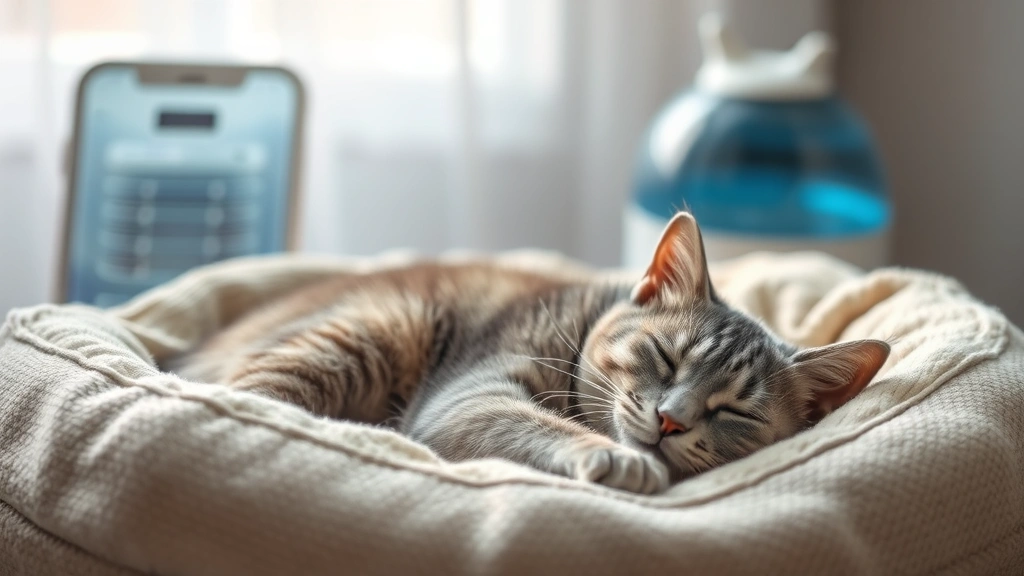
Your vet may suggest saline nasal drops or a humidifier to help clear congestion naturally. Some cats benefit from nebulization (a medicated mist treatment) to soothe inflamed airways.
Eye Medications
If your cat has conjunctivitis or corneal involvement, topical eye ointments or drops may be prescribed to prevent complications and reduce discomfort.
Immune Support Supplements
L-lysine is sometimes used as a complementary supplement for cats with recurrent herpesvirus infections, though evidence is mixed. Always check with your vet before adding supplements.
Your veterinarian will never prescribe specific dosages through this article—dosing depends on your cat’s weight, age, and overall health. That’s why a proper vet consultation is essential.
Why Supportive Care Matters as Much as Medication
Here’s something many cat parents don’t realize: medication is only part of the solution. Supportive care—keeping your cat comfortable and helping them recover—is equally important.
- Keep your cat warm and comfortable: A cozy, quiet space reduces stress and helps their immune system focus on healing.
- Ensure proper nutrition: Loss of appetite is common, so warming wet food or offering tempting options helps. Check out our guide on feeding for immune support for ideas.
- Maintain hydration: Encourage water intake with a water fountain or by offering broth (unsalted). Dehydration complicates recovery.
- Use a humidifier: Adding moisture to the air eases congestion naturally and makes breathing easier.
- Clean discharge gently: Wipe away eye and nasal discharge with a warm, damp cloth to keep your cat comfortable.
When to Seek Urgent Veterinary Care
Most URIs are manageable at home with vet guidance, but some situations need immediate attention. Contact your vet right away if your cat:
- Stops eating for more than 24 hours
- Shows difficulty breathing or labored breathing
- Becomes lethargic or unresponsive
- Develops a fever that doesn’t improve
- Shows signs of dysphagia in cats (difficulty swallowing)
- Has discharge from the nose or eyes that’s bloody or foul-smelling
If you’re unsure whether your pet needs urgent care, a quick telehealth check-in can give you peace of mind—no appointment needed. The Pet Vet makes it easy to get professional guidance from home.
Preventing Feline Upper Respiratory Infections
While you can’t guarantee your cat will never get a URI, you can reduce the risk significantly. Prevention is always easier than treatment.
- Keep vaccinations current: The FVRCP vaccine protects against feline viral rhinotracheitis (herpesvirus) and calicivirus, the two main culprits behind URIs.
- Minimize stress: Stress weakens immunity. Provide a calm environment with hiding spots, perches, and predictable routines.
- Maintain good air quality: Avoid smoke, strong perfumes, and poor ventilation. Clean litter boxes regularly to reduce airborne irritants.
- Separate sick cats: If you have multiple cats and one gets sick, isolate them to prevent spread.
- Practice good hygiene: Wash your hands after handling a sick cat before touching others. Clean food and water bowls regularly.
- Provide immune-boosting nutrition: A balanced diet with quality protein supports immune function. Learn more about safe human foods for cats that can supplement their diet.
Recovery Timeline: What to Expect
Most cats recover from uncomplicated URIs within 7–10 days. However, some cats—especially kittens, seniors, or immunocompromised cats—may take longer. Symptoms typically improve in this order: fever breaks first, then appetite returns, followed by reduced nasal discharge and sneezing.
Some cats develop chronic or recurrent infections, particularly if herpesvirus is involved. These cats may benefit from long-term management strategies and close monitoring. Your vet can discuss this if it becomes a pattern.
Special Considerations for Kittens and Senior Cats
Kittens have developing immune systems, so URIs hit harder and last longer. They’re also at higher risk for secondary infections and complications. Senior cats, meanwhile, may have underlying conditions that complicate recovery. Both groups need closer monitoring and potentially more aggressive supportive care.
If your kitten or senior cat develops a URI, don’t hesitate to reach out to your vet. These age groups deserve extra attention during illness.
The Role of Nutrition in Recovery
A cat with a URI often loses interest in food because congestion interferes with their sense of smell. This is a critical issue because a cat’s body needs fuel to fight infection. Try warming wet food, offering strong-smelling options like fish-based foods, or hand-feeding if your cat seems interested.
Proper nutrition also supports immune function long-term. Check out our article on feline kidney support diet for ideas on nutrient-dense foods that support overall health.
Frequently Asked Questions
Can I catch a feline upper respiratory infection from my cat?
No, feline URIs are species-specific. The viruses and bacteria that cause them in cats don’t infect humans. You’re safe to cuddle your sick kitty!
How long is a cat contagious with an upper respiratory infection?
Cats are typically contagious for 7–10 days, though some shed viruses longer. Keep your sick cat separated from others during this time if possible.
Is a feline upper respiratory infection ever life-threatening?
Uncomplicated URIs rarely are, but complications (severe dehydration, secondary infections, or breathing difficulties) can become serious. Early treatment prevents escalation.
Should I give my cat over-the-counter cold medicine?
No. Many human cold medications are toxic to cats. Always consult your vet before giving any medication, even natural remedies.
Will my cat get immune to upper respiratory infections after having one?
Not necessarily. While some immunity develops, cats can catch different strains or reinfect with the same virus, especially if herpesvirus is involved.
What To Do Now
- Schedule a vet appointment: Contact your veterinarian or use The Pet Vet’s telehealth service to get a professional evaluation and personalized treatment plan.
- Set up a recovery space: Create a quiet, warm room with a humidifier, fresh water, and tempting food options. Keep your cat comfortable and stress-free.
- Monitor symptoms closely: Track your cat’s temperature, appetite, breathing, and discharge. Note any changes to report to your vet.
- Follow medication instructions precisely: If prescribed, administer all medications as directed, even if your cat seems better. Completing the full course prevents relapse.
- Plan preventive care: Once your cat recovers, discuss vaccination status and long-term immune support strategies with your vet to reduce future infection risk.
Summary
A feline upper respiratory infection is uncomfortable for your cat, but it’s manageable with prompt veterinary care, appropriate medication, and dedicated supportive care at home. The key is recognizing symptoms early, getting professional guidance, and staying committed to your cat’s recovery. Most cats bounce back within 1–2 weeks when given proper attention.
Remember: while this article provides helpful context, your veterinarian is your best resource for diagnosis and treatment decisions specific to your cat. Don’t hesitate to reach out—whether through a traditional appointment or a convenient telehealth check-in—to ensure your kitty gets the care they need. Your attentiveness to your cat’s health makes all the difference in their recovery.