
If you’ve noticed your cat has bad breath, swollen gums, or seems reluctant to eat, you might be dealing with gum disease in cats—a surprisingly common condition that many pet owners overlook until it becomes serious. The good news? When caught early and treated properly, most cats respond well to the right combination of medications and care.
Table of Contents
- What Is Gum Disease in Cats?
- Early Warning Signs Your Cat Might Have Gum Disease
- How Medications Help Treat Gum Disease in Cats
- Seven Medication Categories Veterinarians Commonly Use
- The Role of Professional Dental Cleaning
- Creating a Complete Treatment Plan
- Home Care That Amplifies Medication Benefits
- When to Seek Urgent Veterinary Care
- Long-Term Management and Prevention
- Special Considerations for Senior Cats
- Frequently Asked Questions
- What To Do Now
- Summary
This article is for informational purposes only and is not a substitute for professional veterinary advice. Always consult a licensed veterinarian for diagnosis and treatment.
What Is Gum Disease in Cats?
Gum disease, also called periodontal disease or feline gingivitis, happens when bacteria build up along your cat’s gum line and teeth. This causes inflammation, infection, and eventually tooth loss if left untreated. Most cats develop some level of gum disease by age three, making it one of the most prevalent health issues in feline medicine.
The condition progresses in stages—from mild gingivitis (reversible with treatment) to advanced periodontitis (which can damage the bone supporting teeth). Understanding where your cat falls on this spectrum helps determine which medications will work best.
Early Warning Signs Your Cat Might Have Gum Disease
Catching gum disease early puts you in a great position to help your cat avoid pain and tooth loss. Watch for these telltale signs:
- Persistent bad breath that smells like decay or rotting food
- Red or swollen gums that bleed easily when touched
- Difficulty eating or dropping food from the mouth
- Excessive drooling or drooling with blood tinges
- Behavioral changes like irritability or hiding (cats hide pain)
- Tooth mobility or loose teeth that weren’t loose before
- Facial swelling around the jaw or cheeks
If you notice any of these, scheduling a veterinary exam soon is important. Your vet will assess the severity and recommend appropriate treatment.
How Medications Help Treat Gum Disease in Cats
Medications don’t cure gum disease on their own—they work best alongside professional dental cleaning and good home care. Here’s what they do: antibiotics eliminate bacterial infections, anti-inflammatories reduce swelling and pain, and supportive treatments help your cat’s immune system fight back.
The key is choosing medications matched to your cat’s specific situation. A cat with mild gingivitis needs a different approach than one with severe periodontitis and tooth loss.
Seven Medication Categories Veterinarians Commonly Use
While specific dosing should always come from your veterinarian, here are the medication types that have proven effective for managing gum disease in cats:
1. Antibiotics for Bacterial Control
Oral antibiotics like amoxicillin and clindamycin target the bacteria causing infection in your cat’s mouth. These are often prescribed as a short course (typically 7-14 days) after a professional dental cleaning. Some cats benefit from longer-term, low-dose antibiotic therapy if infections keep returning.
Your vet will culture the infection if needed to identify which antibiotic works best against the specific bacteria present.
2. Anti-Inflammatory Medications
Nonsteroidal anti-inflammatory drugs (NSAIDs) like meloxicam reduce gum swelling, pain, and inflammation. These help your cat feel more comfortable and allow healing to progress. They’re especially useful in the days and weeks following a professional dental cleaning.
Some cats tolerate NSAIDs better than others, so your vet might try different options if one causes side effects.
3. Antimicrobial Mouth Rinses
Chlorhexidine or povidone-iodine rinses applied directly to affected gums can reduce bacterial load without systemic side effects. These are gentler than oral medications and work well for cats with mild to moderate gingivitis.
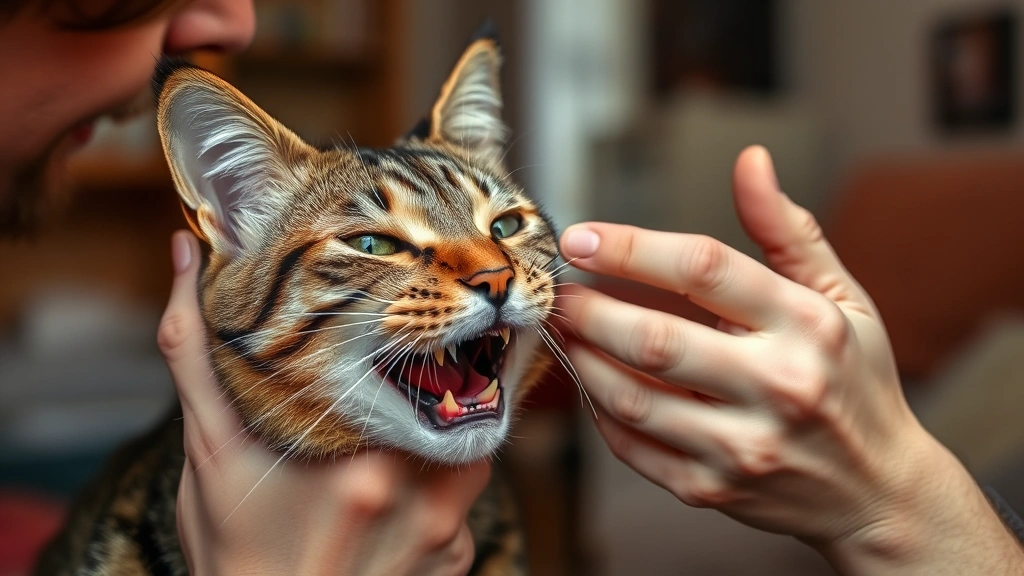
Your vet will show you the best way to apply these safely without stressing your cat.
4. Oral Probiotic Supplements
Probiotics designed for feline oral health help restore beneficial bacteria in your cat’s mouth, crowding out harmful pathogens. These work best as a preventive measure or alongside other treatments rather than as standalone therapy.
5. Pain Management Medications
Beyond NSAIDs, your vet might recommend other pain relievers if your cat is experiencing significant discomfort. Cats often hide pain, so even if your cat seems fine, addressing pain supports faster healing and better quality of life.
6. Immunosupportive Treatments
Some cats benefit from supplements or medications that boost immune function, helping their body fight the infection more effectively. These are often used alongside other treatments rather than alone.
7. Dental Additives and Topical Agents
Products like dental water additives for pets contain compounds that reduce plaque buildup and freshen breath. While not medications in the traditional sense, they support the effects of prescribed treatments and help prevent recurrence.
The Role of Professional Dental Cleaning
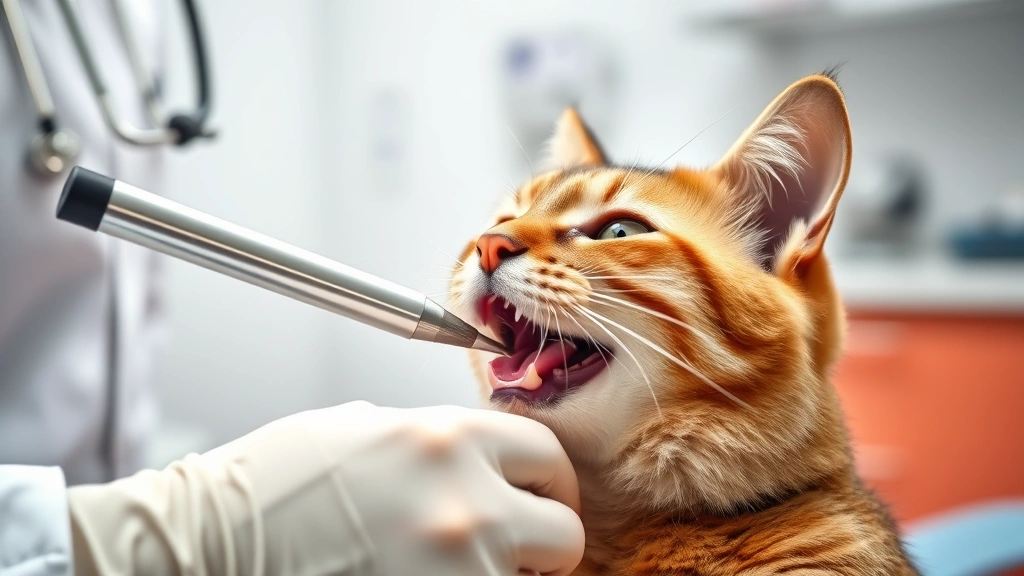
Here’s something crucial: medications alone won’t cure advanced gum disease. Your cat will likely need a professional dental cleaning under anesthesia, where your vet removes tartar, plaque, and diseased tissue. This creates a clean slate for medications to work effectively.
Think of it this way—medications treat the infection and inflammation, but professional cleaning removes the source of the problem. Together, they’re powerful. Separately, they’re limited.
Creating a Complete Treatment Plan
Your veterinarian will design a treatment plan based on your cat’s age, overall health, kidney function, and disease severity. This might include:
- Professional dental cleaning and assessment
- Prescribed antibiotics for a set duration
- Anti-inflammatory medication to manage pain and swelling
- Topical antimicrobial rinses for home care
- Dietary adjustments (some cats do better on softer foods during healing)
- Follow-up exams to monitor progress
- Long-term preventive care to stop recurrence
Don’t skip the follow-up appointments—they help your vet catch complications early and adjust treatment if needed.
Home Care That Amplifies Medication Benefits
Medications work best when paired with excellent home care. Here’s what you can do:
- Brush your cat’s teeth daily if she tolerates it (even 2-3 times weekly helps)
- Use cat-safe toothpaste formulated for feline mouths
- Apply prescribed rinses or gels exactly as directed
- Offer appropriate diet choices that support oral health
- Provide dental toys or treats designed to reduce plaque (with vet approval)
- Monitor eating and behavior for signs of improvement or worsening
Catching this early and staying consistent with home care makes a huge difference in outcomes.
When to Seek Urgent Veterinary Care
Most gum disease progresses slowly, but certain signs warrant urgent attention. Seek immediate care if your cat shows:
- Inability to eat or drink for more than a few hours
- Severe facial swelling or difficulty breathing
- Signs of systemic infection (fever, lethargy, vomiting)
- Sudden behavioral changes or extreme pain
If you’re unsure whether your pet needs urgent care, a quick telehealth check-in with The Pet Vet can give you peace of mind—no appointment needed. Our vets can assess symptoms and advise whether an in-person exam is necessary.
Long-Term Management and Prevention
After initial treatment, preventing recurrence is essential. Many cats develop gum disease again without ongoing prevention. This means continuing home care, scheduling regular dental check-ups (usually annually or more frequently for older cats), and maintaining proper nutrition for immune support.
Some cats with chronic gum disease benefit from periodic professional cleanings every 6-12 months. Your vet will recommend the right schedule for your individual cat.
Special Considerations for Senior Cats
Older cats often have gum disease alongside other health issues like kidney disease. Your vet will carefully select medications that won’t strain aging organs. This is why blood work before treatment is so important—it reveals whether your cat can safely tolerate certain medications.
Senior cats with kidney concerns might need adjustments to standard treatment plans. Never assume medications used in younger cats are safe for older ones without veterinary guidance.
Frequently Asked Questions
Can gum disease in cats be cured completely?
Mild gingivitis can be reversed with treatment, but advanced periodontitis causes permanent damage to supporting structures. The goal is stopping progression, managing pain, and preventing tooth loss.
How long do medications take to show results?
You might notice improvements in appetite and behavior within 3-5 days of starting treatment. Full healing typically takes 2-4 weeks after professional cleaning.
Are antibiotics always necessary for gum disease in cats?
Not always. Mild gingivitis might improve with professional cleaning and topical treatments alone. Your vet will determine if systemic antibiotics are needed based on severity and infection signs.
Can I prevent gum disease without medications?
Prevention is always better than treatment. Daily tooth brushing, appropriate diet, and regular check-ups prevent most gum disease. Once disease develops, medications usually become necessary.
Will my cat lose teeth from gum disease?
Advanced periodontitis often leads to tooth loss, but early treatment prevents this outcome. Catching disease early and staying consistent with care helps preserve your cat’s teeth.
What To Do Now
Ready to help your cat? Here are your next steps:
- Schedule a veterinary exam if you’ve noticed any signs of gum disease—don’t wait for symptoms to worsen
- Ask your vet about dental cleaning and get a clear treatment plan with medication options explained
- Start a daily tooth-brushing routine using cat-safe toothpaste and a soft-bristled brush
- Discuss long-term prevention strategies including diet, supplements, and check-up frequency
- Use The Pet Vet telehealth for follow-up questions or concerns between appointments—our vets are here to support your cat’s recovery
Summary
Gum disease in cats is common, but it’s also treatable when you act early. Medications—including antibiotics, anti-inflammatories, and supportive treatments—work best alongside professional dental cleaning and consistent home care. Your cat’s age, overall health, and disease severity all influence which medications your vet recommends.
The most important thing? Don’t wait. Early intervention prevents pain, tooth loss, and serious complications. Work closely with your veterinarian, stay consistent with home care, and remember that catching gum disease early puts your cat in the best position for a healthy recovery.
Your cat depends on you to notice these signs and take action. You’ve got this—and your vet has your back every step of the way.