
Overview
Cats are obligate carnivores with unique nutritional needs, and while some human foods can be safely shared as occasional treats, many common ingredients are toxic or harmful to felines. This guide identifies safe human foods for cats, highlights dangerous items to avoid, and emphasizes that treats should comprise no more than 10% of a cat’s diet, with the remainder coming from balanced commercial cat food.
Table of Contents
- Why You Need to Be Careful About Sharing Food With Your Cat
- Human Foods That Are Safe for Cats
- Foods That Are Dangerous for Cats
- What To Do Right Now
- Smart Guidelines for Treating Your Cat
- Conclusion
- Frequently Asked Questions
If you have ever caught yourself slipping a bite of dinner to your cat, you are not alone. Those pleading eyes are hard to resist. But before you share your plate, it is worth knowing which human foods are safe for cats — and which ones could seriously harm them.
This article is for informational purposes only and is not a substitute for professional veterinary advice. Always consult a licensed veterinarian for diagnosis and treatment.
Cats have unique nutritional needs that are very different from ours. Their bodies are built to run on animal protein. Many foods that are perfectly safe for us may be harmful — or even toxic — to them.
In this guide, we cover fifteen human foods that are generally considered safe for cats as occasional treats. We also cover what to avoid and how to treat your cat without putting their health at risk.
Why You Need to Be Careful About Sharing Food With Your Cat
Cats are obligate carnivores. Unlike dogs, they did not evolve as scavengers. Their digestive systems are not designed to handle many plant-based foods or common human meal ingredients.
Cats need specific nutrients — like the amino acid taurine — that are found naturally in animal tissue, not in plants. According to the ASPCA, cats also need vitamins and minerals in different proportions than humans do. A diet that strays too far from their natural needs may lead to nutritional deficiencies, digestive problems, or weight gain.
The biggest concern is toxicity. Some everyday human foods contain ingredients that could be dangerous for cats — even in small amounts. Knowing what to avoid is just as important as knowing what is safe.
As a general rule, treats should make up no more than 10% of your cat’s daily calories. The rest should come from a complete, balanced commercial cat food made specifically for felines.
If your cat has any existing health conditions, food sensitivities, or is on a special diet, speak with your vet before offering any new foods.
Human Foods That Are Safe for Cats
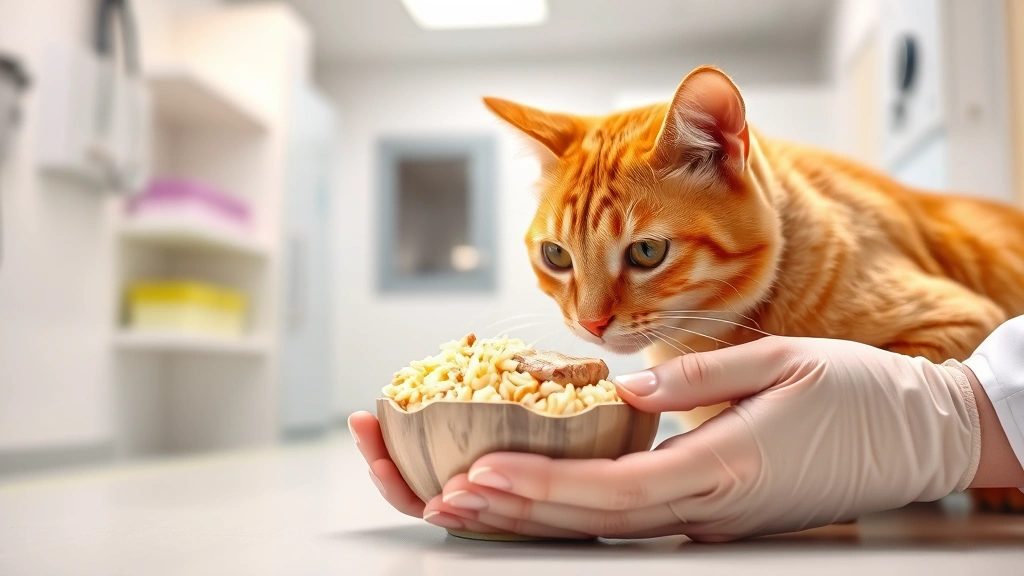
There are quite a few human foods that cats can enjoy safely — as long as they are prepared simply and offered in small amounts. Think of these as occasional treats, not meal replacements.
Cooked Chicken — A Great Source of Lean Protein
Plain cooked chicken is one of the safest human foods you can offer your cat. It is a lean protein that supports muscle health and is easy for most cats to digest.
The key is to keep it simple. Bake, boil, or grill the chicken with no seasonings, oils, or sauces. Even a small amount of garlic or onion powder could be harmful.
Always remove all bones before serving. Cooked bones splinter easily and may cause choking or internal injury. Offer small, bite-sized pieces suited to your cat’s size.
Cooked Turkey — A Protein-Rich Occasional Treat
Turkey is another safe, protein-rich option that many cats enjoy. It also provides selenium and phosphorus.
Skip the skin — it is high in fat and often seasoned with ingredients that are not safe for cats. Remove all bones carefully before serving, as cooked turkey bones can be brittle.
Cooked Salmon or Tuna — Good for Coat and Skin
Many cats love fish, and cooked salmon or tuna can be a healthy occasional treat. Fish provides omega-3 fatty acids that may support skin health, coat quality, and brain function.
Moderation matters here. Some fish — especially tuna — may contain mercury that builds up over time. Too much fish in the diet could also lead to a thiamine deficiency.
Always serve fish fully cooked and plain, with no oils or seasonings. Remove all bones carefully before offering.
Cooked Eggs — A Complete Protein Boost
Eggs contain all the essential amino acids your cat needs, along with B vitamins and selenium. They make a nutritious occasional treat when prepared correctly.
Always cook eggs fully. Raw eggs may carry Salmonella or E. coli. Raw egg whites also contain a compound called avidin, which may interfere with biotin absorption.
Scrambled, hard-boiled, or poached eggs all work well — as long as they are plain, with no butter, milk, or seasonings added.
Cooked Lean Beef — An Occasional Change of Pace
Plain cooked lean beef provides protein, iron, and zinc. Because beef appears less often in commercial cat foods than poultry, some cats find it an exciting new flavour.
Choose lean cuts and cook them thoroughly with no seasonings or oils. Remove visible fat and serve only very small portions, as beef is calorie-dense.
Plain Cooked Shrimp — A Low-Calorie Protein Treat
Plain cooked shrimp is a low-calorie treat that provides protein, vitamin B12, and phosphorus. It is a good option for cats who enjoy seafood.
Make sure the shrimp is thoroughly cooked and cooled before serving. Remove the shell, tail, and digestive tract completely. Serve plain — no butter, garlic, or seasonings.
Cooked Pork — Safe in Very Small Amounts
Plain cooked pork can be shared with cats in small amounts. It provides protein and vitamins, though it is higher in fat than poultry.
Cook pork thoroughly to reduce the risk of bacteria. Prepare it plain, remove all visible fat and bones, and keep portions very small.
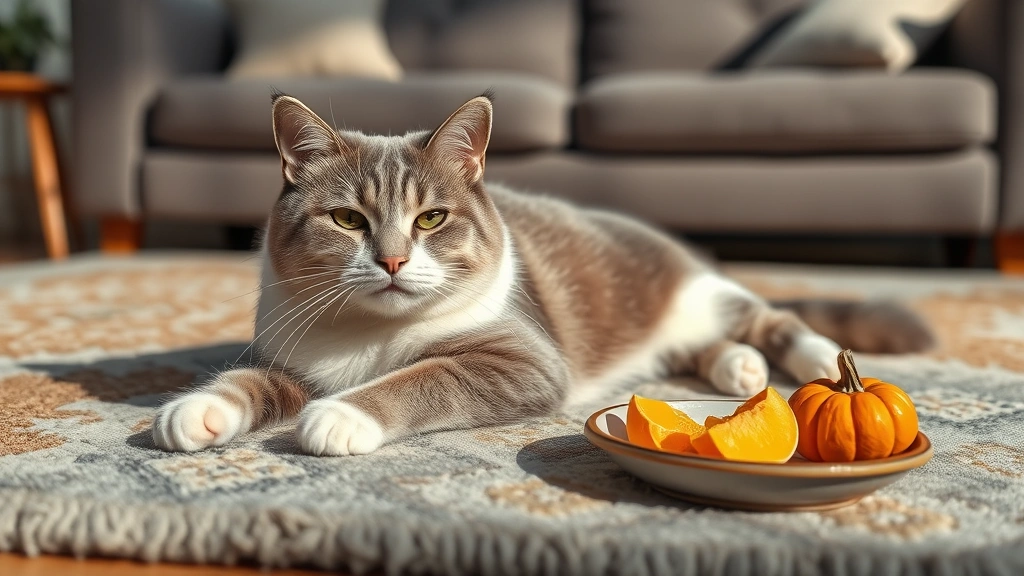
Plain Cooked Pumpkin — Gentle Support for Digestion
Plain cooked pumpkin is one of the few plant-based foods that may benefit cats. Its fibre and moisture content could help support healthy digestion.
Use plain cooked pumpkin or canned pure pumpkin with no added ingredients. Avoid pumpkin pie filling, which contains sugar and spices. Start with just a small spoonful mixed into your cat’s regular food.
Blueberries — A Small Antioxidant-Rich Snack
Fresh blueberries can be offered as an occasional treat. They contain antioxidants, vitamin C, and fibre. While cats cannot taste sweetness, some enjoy the texture.
Offer only two or three small berries at a time and wash them thoroughly first. Many cats will not be interested — and that is perfectly fine.
Watermelon — A Hydrating Summer Treat
Watermelon is over 90% water, making it a refreshing option on warm days. It also contains vitamins A, B6, and C.
Remove all seeds and rind before serving. Offer only tiny cubes of the flesh. Because watermelon contains natural sugars, keep portions small and infrequent.
Cantaloupe — A Melon Some Cats Surprisingly Love
Some cats are drawn to cantaloupe, possibly because of its aromatic compounds. It provides vitamins A and C along with some moisture.
Offer small cubes of the orange flesh only. Remove all seeds and rind. A few small cubes on occasion is plenty.
Bananas — Safe Only in Tiny Amounts
Bananas are safe for cats in very limited quantities. They provide potassium and vitamin B6, and their soft texture makes them easy to mash into small pieces.
Bananas are high in sugar and carbohydrates, so keep portions very small — no larger than a pencil eraser — and only offer them rarely.
Cooked Carrots — Soft and Safe in Small Pieces
Raw carrots are too hard for cats to digest comfortably. However, softened cooked carrots can be offered in small amounts. Carrots provide vitamin A, which supports eye health and immune function.
Boil or steam carrots until very soft, with no added ingredients. Cut into tiny pieces and mix with regular food rather than offering on their own.
Cooked Peas — Already Found in Many Cat Foods
Plain cooked peas appear in many commercial cat foods, which reflects their general safety. They provide vitamins K, C, and B vitamins, along with fibre.
Offer a few cooked peas mixed into regular food. Use plain frozen peas cooked without salt, butter, or seasonings.
Plain Cooked Oatmeal — A Fibre-Rich Occasional Add-In
In very small amounts, plain cooked oatmeal can be offered occasionally. It provides fibre and B vitamins and may help with mild digestive issues.
Cook oatmeal with water only — no milk, sugar, or flavourings. Let it cool completely and offer only a small spoonful. Because cats are obligate carnivores, they gain little nutritional benefit from grains, so use this one sparingly.
Foods That Are Dangerous for Cats
Knowing what to avoid is just as important as knowing what is safe. The following foods could cause serious illness in cats — sometimes even in small amounts.
Never give your cat any of the following:
- Onions and garlic in any form (raw, cooked, powdered, or dehydrated) — may damage red blood cells and could lead to anaemia
- Grapes and raisins — even small amounts could be associated with kidney problems
- Chocolate — contains theobromine, which may cause heart issues, tremors, and seizures
- Caffeine (coffee, tea, energy drinks) — may cause rapid heart rate and restlessness
- Alcohol — extremely toxic; may cause severe liver and neurological damage
- Xylitol (an artificial sweetener found in some gums, sweets, and peanut butters) — could cause dangerous drops in blood sugar and liver damage
- Raw yeast dough — may expand in the stomach and could lead to alcohol poisoning as it ferments
- Macadamia nuts, avocado, and high-salt foods — all carry risks for cats
Be cautious with dairy products too. Many adult cats are lactose intolerant and may experience digestive upset from milk, cheese, or ice cream. According to Cornell University’s Feline Health Center, most cats lose the ability to digest lactose after weaning.
If you think your cat may have eaten something toxic, do not wait for symptoms to appear. Contact your veterinarian or the Pet Poison Helpline straight away.
What To Do Right Now If You Are Worried About What Your Cat Ate
It is completely normal to feel worried — catching a potential problem early puts you in a great position to help your cat. Here are five clear steps you can take right now:
- Write down exactly what your cat ate, including the food, the approximate amount, and the time it happened.
- Check the ingredients of anything packaged your cat may have consumed. Look specifically for xylitol, garlic, onion, or grape derivatives.
- Note any symptoms you are seeing — such as vomiting, lethargy, drooling, or changes in behaviour — and when they started.
- Call your vet or an emergency animal poison line if you suspect your cat ate something toxic. Do not wait to see if symptoms develop.
- Take a photo of the food or packaging before you throw it away. This can help your vet assess the risk quickly.
If you are unsure whether your cat needs urgent care, a quick telehealth check-in can give you peace of mind — no appointment needed.
Smart Guidelines for Treating Your Cat Safely
Knowing which foods are safe is just the starting point. How you offer those foods matters just as much.
Keep portions small. Even with safe foods, treats should make up no more than 10% of your cat’s daily calories. What seems like a tiny bite to you can represent a significant amount for a small cat.
Introduce new foods slowly. Offer just a small taste and wait 24 to 48 hours to see how your cat responds. This helps you spot any allergic reactions or digestive upset before larger amounts are consumed.
Watch for these warning signs after offering any new human food:
- Vomiting or diarrhoea
- Excessive scratching or skin irritation
- Lethargy or unusual behaviour changes
- Loss of appetite or increased thirst
If you notice any of these signs, stop offering that food and contact your vet. Some cats have more sensitive digestive systems than others, and that is completely normal.
Always keep fresh water available. This is especially important when offering meats, which may increase your cat’s thirst. Good hydration supports healthy kidney function.
Never let human food replace a balanced cat food. Commercial cat foods are carefully formulated to meet all of your cat’s nutritional needs. Think of human food treats as an occasional bonus — not a meal.
Conclusion
Sharing the occasional safe treat with your cat can be a lovely way to add variety and strengthen your bond. The fifteen foods covered in this guide — from cooked chicken and fish to small amounts of certain fruits and vegetables — can all be offered safely when prepared simply and given in moderation.
Always remember that these foods are supplements to a balanced diet, not replacements for it. Your cat’s main nutrition should come from a complete commercial cat food made for feline needs.
Every cat is different. What one cat enjoys without issue, another may not tolerate. Start small, watch carefully, and adjust based on what you observe.
If you have questions about your cat’s diet or want guidance on a specific food, speaking with a vet is always the best next step. If you are unsure whether your cat needs urgent care, a quick telehealth check-in can give you peace of mind — no appointment needed. Visit www.thepetvet.com to find out how we can help.
Frequently Asked Questions
Can cats eat cheese as a treat?
Many cats are lactose intolerant, so cheese may cause digestive upset such as diarrhoea or vomiting. If you do offer cheese, try only a very small amount of a low-lactose variety and watch how your cat responds.
How often can I give my cat human food?
Human foods should make up no more than 10% of your cat’s daily caloric intake and should be offered only occasionally. The majority of their diet should come from a nutritionally complete commercial cat food.
Is it safe to give my cat raw meat?
Raw meat carries a risk of bacterial contamination such as Salmonella and E. coli, and may contain parasites. It is generally safer to cook meat thoroughly before offering it to your cat.
Can cats eat peanut butter?
Plain peanut butter without xylitol is not considered toxic to cats in very small amounts, but it offers little nutritional value and is high in fat. Always check the label carefully — xylitol is toxic to cats and is found in some peanut butter brands.
What should I do if my cat eats something toxic?
Contact your veterinarian or the Pet Poison Helpline straight away. Do not wait to see whether symptoms appear — acting quickly gives your cat the best chance of a safe outcome.