
Overview
Many common human foods, including fruits like apples and blueberries, vegetables, lean proteins, and grains, are safe and nutritious for dogs when prepared properly and given in moderation. However, it’s critical for dog owners to know which foods are toxic to pets—such as chocolate, grapes, and onions—to prevent serious health risks and ensure their dog’s safety.
Table of Contents
- Human Foods Your Dog Can Safely Eat
- Safe Fruits for Dogs
- Safe Vegetables for Dogs
- Safe Proteins and Meats
- Safe Grains and Carbohydrates
- Other Safe Human Foods
- Foods That Are Toxic to Dogs — Never Feed These
- What To Do Right Now If You Are Worried
- Feeding Guidelines Every Dog Owner Should Know
- Frequently Asked Questions
- Conclusion
Human Foods Your Dog Can Safely Eat
If you are wondering whether it is okay to share a bite of your meal with your dog, you are not alone. Those pleading eyes are hard to resist — and the good news is that many everyday human foods are perfectly safe for dogs. Some can even offer real nutritional benefits when given in the right way.
This article is for informational purposes only and is not a substitute for professional veterinary advice. Always consult a licensed veterinarian for diagnosis and treatment.
That said, knowing which foods are safe — and which are dangerous — really does matter. Some kitchen staples make great treats. Others can cause serious harm.
This guide walks you through both, so you can feel confident about what you share with your dog.
Safe Fruits Your Dog Will Love
Many fruits are safe for dogs and provide useful vitamins and antioxidants. Always prepare them properly before offering a piece to your pet.
Apples — A good source of fibre and vitamins A and C. Always remove the seeds and core before serving, as apple seeds may be harmful. Cut into small, bite-sized pieces.
Bananas — Rich in potassium and gentle on digestion. They are higher in natural sugar, so offer just a few slices as an occasional treat.
Blueberries — Small, easy to serve, and packed with antioxidants. Fresh or frozen both work well.
Watermelon — Hydrating and refreshing, especially in warm weather. Remove all seeds and the rind before serving.
Strawberries — Provide vitamin C and fibre. Remove the leaves and cut to a size suitable for your dog.
Cantaloupe — Nutrient-rich and relatively low in calories. Remove the rind and seeds, then offer small cubes.
Oranges — Safe in small amounts, though not all dogs enjoy citrus. Remove the peel and seeds, and offer just a segment or two.
Pineapple — Contains bromelain, which may support nutrient absorption. Remove the skin and core, then offer small pieces of the flesh.
Mango — A good source of several vitamins. Always remove the large pit and peel the skin before offering small chunks.
Cranberries — May support urinary tract health. Offer only in small amounts, and choose fresh over dried where possible.
Safe Vegetables That Are Good for Dogs
Vegetables are low in calories and high in fibre. Many dogs genuinely enjoy the crunch of a fresh vegetable as a treat.
Carrots — Safe raw or cooked. Raw carrots may help clean teeth. Cooked carrots are easier to digest. Both provide beta-carotene and fibre.
Green beans — Safe fresh, frozen, or canned without added salt. Low in calories and a good option for dogs managing their weight.
Cucumbers — Very low in calories and hydrating. The mild flavour and crunch appeal to many dogs.
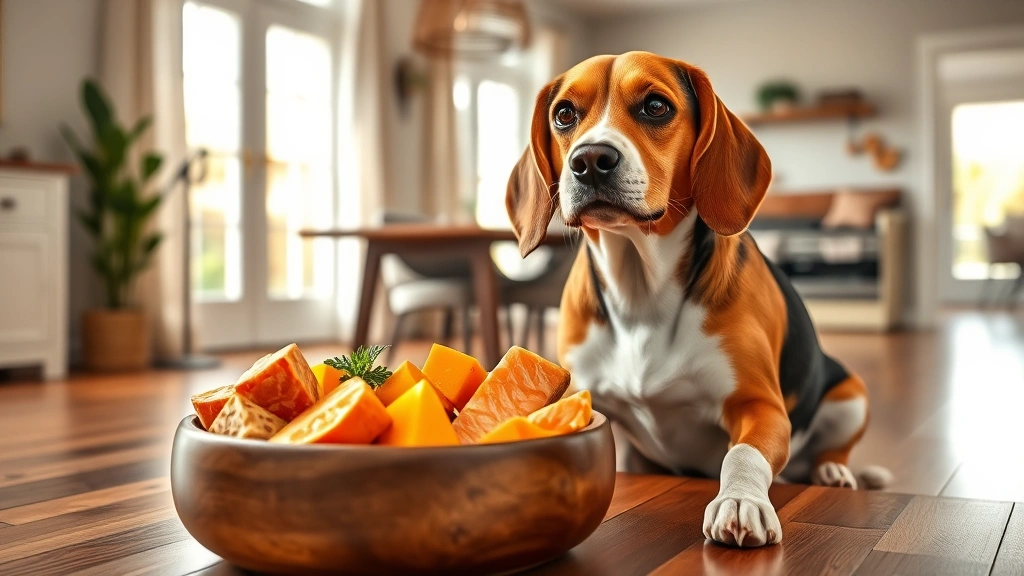
Sweet potatoes — Must be cooked before feeding. Serve plain with no butter, salt, or seasonings added.
Broccoli — Safe in small amounts only. Keep portions small, as larger quantities could cause stomach irritation.
Celery — Crunchy, low-calorie, and may help freshen breath. Cut into small pieces to avoid a choking risk.
Peas — Garden peas, snap peas, and snow peas are all safe. Frozen peas make handy training treats.
Pumpkin — Plain cooked pumpkin can help with both diarrhea and constipation. Use plain canned pumpkin without spices or sugar. Avoid pumpkin pie filling entirely.
Spinach — Technically safe, but best given only occasionally and in very small amounts.
Brussels sprouts — Safe when cooked, but may cause gas. Offer small amounts only.
Safe Proteins and Meats for Dogs
Protein is a core part of your dog’s diet. Many meats that humans eat are also safe for dogs — as long as they are prepared correctly.
Cooked chicken — One of the best protein sources for dogs. Serve plain, without seasoning, sauces, or bones. Remove the skin before serving.
Cooked turkey — Safe when plain, boneless, and fully cooked. During holidays, keep seasoned turkey and skin well out of reach.
Lean beef — Cooked without seasonings, lean beef provides good protein. Drain excess fat and avoid fatty cuts.
Salmon — A great source of omega-3 fatty acids, which support skin, coat, and joint health. Always cook thoroughly and remove all bones. Raw salmon should never be fed due to parasite risks, as noted by the American Kennel Club.
Eggs — Fully cooked eggs are a complete protein source. Scrambled, boiled, or poached all work well. Avoid adding butter or oil.
Pork — Safe when thoroughly cooked and served plain. Avoid processed pork products like bacon, ham, and sausage, which are high in salt and preservatives.
Shrimp — Safe occasionally when fully cooked and peeled. Remove the tail, legs, and shell, and add no seasonings.
Safe Grains and Carbohydrates for Dogs
Dogs do not require grains, but many digest them well. These options are gentle and easy to prepare.
Plain rice — White or brown rice is gentle on the stomach. It is often suggested for dogs with mild digestive upset. Brown rice has more fibre but digests more slowly.
Plain oatmeal — Cooked with water only, no sugar or flavouring added. A good source of fibre that may support bowel regularity.
Plain pasta — Safe in small amounts when cooked and cooled, with no sauces or seasonings. Whole wheat pasta offers slightly more nutritional value.
Plain bread — Small amounts of plain bread will not harm your dog, though it offers little nutritional benefit. Avoid any bread containing raisins, garlic, or artificial sweeteners. Never offer raw bread dough, which can be harmful.
Quinoa — Safe when cooked and found in some quality dog foods. Provides complete protein and fibre.
Other Safe Human Foods Worth Knowing About
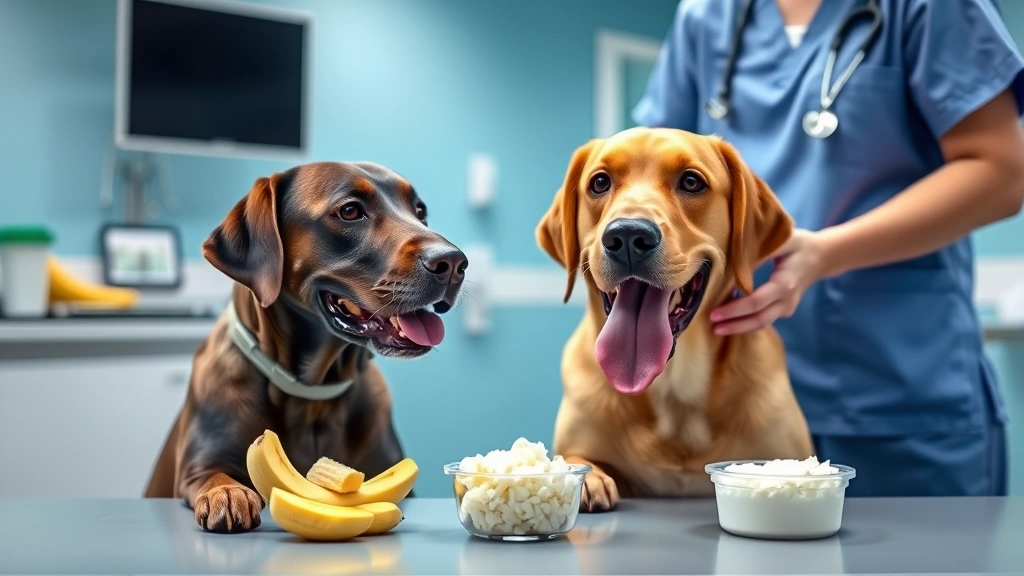
Peanut butter — A firm favourite for most dogs. Useful for hiding medication or filling enrichment toys. Always check the label to confirm it is xylitol-free, as xylitol is extremely toxic to dogs. Choose natural varieties without added salt or sugar.
Plain yogurt — Yogurt with live active cultures may support digestive health. Avoid varieties with added sugars, artificial sweeteners, or flavourings. Plain Greek yogurt is a good option.
Cheese — A useful high-value treat, but high in fat and calories. Some dogs may be lactose intolerant and experience digestive upset. Offer sparingly.
Popcorn — Safe only when air-popped and completely plain. No butter, salt, or oil. Remove any unpopped kernels before offering.
Honey — Safe in very small amounts. High in natural sugar, so use sparingly. Do not give honey to puppies under one year old.
Coconut — Small amounts of coconut flesh or coconut oil may benefit skin and coat. Start with a very small amount, as too much can cause loose stools.
Foods That Are Toxic to Dogs — Never Feed These
Some foods that are perfectly safe for humans can be seriously harmful — or even fatal — to dogs. If your dog has eaten any of the following, contact your vet straight away.
It is completely normal to feel alarmed if your dog has eaten something from this list. Acting quickly is the right thing to do — and getting help early makes a real difference.
- Chocolate — Contains compounds that are toxic to dogs. Dark chocolate and baking chocolate carry the highest risk. Even small amounts could cause serious symptoms.
- Grapes and raisins — Can cause sudden kidney failure. No amount is considered safe, and sensitivity varies between individual dogs.
- Onions and garlic — Toxic in all forms, including powder. They can damage red blood cells and may lead to anaemia. This includes foods cooked with these ingredients.
- Xylitol — An artificial sweetener found in sugar-free gum, some peanut butters, and baked goods. According to the FDA, even tiny amounts can cause a dangerous drop in blood sugar and liver damage.
- Avocado — Contains a compound called persin, which may cause vomiting and diarrhoea. The pit also poses a choking and blockage risk.
- Macadamia nuts — Can cause weakness, vomiting, tremors, and overheating. Avoid completely.
- Alcohol — Extremely dangerous in any amount. Even small quantities can cause serious harm.
- Caffeine — Found in coffee, tea, energy drinks, and some medications. Toxic to dogs and can affect the heart and nervous system.
- Raw yeast dough — Expands in the stomach and may cause dangerous bloating. The fermentation process also produces alcohol.
- Stone fruit pits — Pits from cherries, peaches, plums, and apricots may contain harmful compounds and pose a choking risk. Always remove pits completely before offering the flesh.
What To Do Right Now If You Are Worried
If your dog has eaten something you are unsure about, here are five clear steps to take straight away.
- Write down exactly what your dog ate — Note the food, the approximate amount, and the time it happened. This information is vital for your vet.
- Check the ingredients label — If the food was packaged, look for toxic ingredients such as xylitol, onion powder, garlic, or raisins.
- Note any symptoms you can see — Write down what you are observing, such as vomiting, lethargy, shaking, or changes in breathing. Include when symptoms started.
- Call your vet or a pet poison helpline immediately — If you suspect your dog has eaten something toxic, do not wait to see what happens. Contact the Pet Poison Helpline or your local vet right away. Time matters.
- Do not try to make your dog vomit at home — Unless a vet specifically instructs you to do so, inducing vomiting without guidance could cause additional harm.
If you are unsure whether your pet needs urgent care, a quick telehealth check-in can give you peace of mind — no appointment needed.
Feeding Guidelines Every Dog Owner Should Know
Keep Treats to Ten Percent of Daily Food Intake
Human foods and treats should make up no more than ten percent of your dog’s daily calories. The other ninety percent should come from a complete and balanced dog food. This helps ensure your dog gets all the nutrients they need.
Introduce New Foods One at a Time
Start with a very small amount of any new food. Watch your dog for 24 to 48 hours before offering it again. Introducing one food at a time makes it easier to spot the cause if a reaction occurs.
Know the Signs of a Food Reaction
After introducing something new, watch for:
- Vomiting or diarrhoea
- Itching or skin irritation
- Ear infections
- Excessive gas or bloating
If you notice any of these signs, stop offering that food and speak to your vet.
Always Prepare Food Properly
Before offering any human food to your dog:
- Remove bones, pits, seeds, and inedible skins
- Cook all meats thoroughly
- Serve everything plain — no salt, butter, oil, or seasonings
Portion Size Depends on Your Dog
A small dog needs far less than a large breed. Consider your dog’s size, age, and activity level when deciding how much to offer. When in doubt, less is more.
Human Foods Should Complement — Not Replace — Dog Food
As noted in AVMA guidelines, complete and balanced nutrition is essential for your dog’s long-term health. Human foods are a lovely addition, but they are not a substitute for quality dog food.
Frequently Asked Questions
Can dogs eat dairy products like milk and cheese?
Many dogs can tolerate small amounts of dairy. Plain yogurt and cheese are generally better tolerated than milk. Some dogs are lactose intolerant, so watch for any digestive upset and keep portions small.
How much fruit is too much for my dog?
Fruit should be an occasional treat, not a daily staple. A few small pieces several times a week is reasonable for most dogs. The natural sugars in fruit can contribute to weight gain if overfed.
Are raw vegetables better than cooked for dogs?
It depends on the vegetable. Carrots are fine either way. Sweet potatoes must be cooked. Cooking can make some nutrients easier to absorb, though it may reduce others slightly.
Can puppies eat the same human foods as adult dogs?
Most foods that are safe for adult dogs are also safe for puppies in small amounts. However, puppies have more sensitive digestive systems and different nutritional needs. Check with your vet before introducing new foods to a young dog.
What should I do if my dog eats something toxic?
Contact your veterinarian or the Pet Poison Helpline straight away. Do not wait for symptoms to appear. Early action significantly improves outcomes.
You Are Already Doing the Right Thing
Taking the time to find out what is safe for your dog shows exactly the kind of care that keeps pets healthy and happy. Many everyday foods can be shared safely — fruits, vegetables, lean proteins, and wholesome grains all have a place as occasional treats.
The key is moderation and preparation. Keep human food to a small part of your dog’s overall diet, always serve it plain, and introduce new foods gradually.
When in doubt about a specific food, skip it. And if your dog has already eaten something you are unsure about, do not hesitate to reach out to a professional.
If you are unsure whether your pet needs urgent care, a quick telehealth check-in can give you peace of mind — no appointment needed.
Bookmark this guide so you always have a reliable reference on hand the next time those pleading eyes appear at the dinner table.