
Overview
Managing medication schedules for indoor-outdoor pets presents unique challenges due to their unpredictable routines and time spent outside, making it difficult to ensure consistent dosing. The article provides practical strategies including establishing feeding routines, creating dedicated medication stations, always administering medicated food indoors, and tracking doses to maintain treatment effectiveness while respecting pets’ freedom.
Table of Contents
- The Indoor-Outdoor Pet Feeding Challenge
- Why Medication Timing Matters for Your Pet
- Create a Consistent Feeding Schedule
- Set Up a Dedicated Medication Station
- Always Give Medicated Food Indoors
- Use Mealtimes as Quick Health Check-Ins
- Track Every Dose Without Fail
- Plan Ahead for Weather and Seasonal Changes
- Work Closely with Your Veterinarian
- What To Do Right Now
- Conclusion
- Frequently Asked Questions
If you have an indoor-outdoor pet who needs regular medication, you are not alone in finding this stressful. Your cat disappears for hours during the exact time she needs her antibiotic. Your dog chooses today for an extended backyard adventure, right when his medication is due. You are left wondering whether to wait, worry, or give up on consistency altogether.
This article is for informational purposes only and is not a substitute for professional veterinary advice. Always consult a licensed veterinarian for diagnosis and treatment.
The good news is that indoor-outdoor pets and medication schedules can work together. With the right strategies, you can support your pet’s freedom while helping them get every dose they need.
Missed or irregular doses may reduce treatment effectiveness or prolong illness. Whether your pet is taking antibiotics or managing a chronic condition, consistency matters. It is completely normal to feel worried — and the fact that you are looking for solutions puts you in a great position to help your pet.
The Indoor-Outdoor Pet Feeding Challenge
Indoor-outdoor pets face unique obstacles that purely indoor pets never encounter. The unpredictability is the biggest hurdle.
Your cat might typically come home at six for dinner. But what happens when she is still hunting at seven? Your dog usually stays in the yard for thirty minutes, but today he is fixated on the neighbour’s visiting dog.
You also cannot monitor everything they eat outside. They might hunt successfully, find discarded food, or receive treats from well-meaning neighbours. This makes appetite unpredictable — which is especially tricky when medications need to be given with food.
When you cannot watch them eat, you cannot confirm they have taken their medication. That uncertainty is understandably stressful.
Why Medication Timing Matters for Your Pet
Many pet medications work best when given at consistent times. Spacing doses evenly helps maintain steady levels in your pet’s system. Some medications are best given with food, while others may work differently depending on timing — your vet will advise on the specifics for your pet’s prescription.
According to the American Veterinary Medical Association, medication compliance is one of the biggest challenges in veterinary medicine. When pets have outdoor access, keeping to a schedule becomes even harder.
Missing doses could set back your pet’s treatment. For ongoing conditions, irregular medication may lead to complications. Always check with your vet if you are unsure what to do after a missed dose.
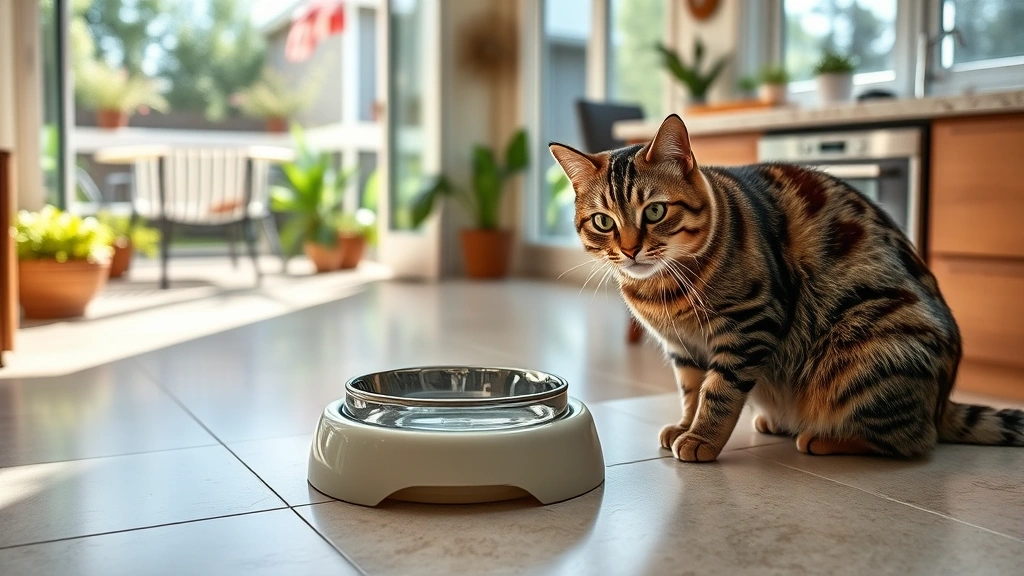
Create a Consistent Feeding Schedule That Works
Scheduled feeding times are your most powerful tool. When food appears only at set times, your pet learns to be home and ready.
Free-feeding works against you here. If food is always available, there is no motivation for timely returns.
How to establish effective feeding times:
- Choose two meal times daily, typically around 12 hours apart
- Coordinate feeding times with your pet’s medication schedule
- Pick times you can realistically stick to every day
- Start calling your pet 5 to 10 minutes before food appears
- Remove uneaten food after 20 minutes
Most pets adapt to scheduled feeding within one to two weeks. They quickly learn that responding promptly means they do not miss meals.
Use a distinctive call or signal every time — a treat container shake, a bell, or a specific whistle. Consistency helps your pet recognise when it is genuinely time to come inside.
The transition takes patience. Your pet may test boundaries at first, but healthy animals will not let themselves go hungry for long.
Set Up a Dedicated Medication Station
One specific spot for feeding and medication helps build a reliable routine. It also reduces stress for both of you.
Choose a quiet location away from household traffic. A corner of your kitchen, laundry room, or spare bathroom works well. The space just needs to be comfortable and easy to supervise.
Your medication station should include:
- Proper storage for all medications, temperature-controlled where needed
- Pill pockets, soft treats, or other hiding aids
- Syringes for any liquid medications
- Food and water bowls
- A comfortable mat or bed
- Your medication tracking log
Make this space feel positive. Occasionally offer special treats here when no medication is involved. Keep your energy calm and upbeat during medication times.
If you have multiple pets, use a baby gate or closed door to separate them. This prevents food stealing and keeps things calm for everyone.
Always Give Medicated Food Indoors
Never leave medicated food outside. This protects other animals, ensures the medication stays effective, and guarantees your pet receives the right amount.
Other animals can easily access outdoor food. Neighbourhood cats, dogs, wildlife, and birds may eat it. Many pet medications could be harmful to animals they were not prescribed for.
Environmental factors also affect medications quickly. Heat, humidity, and sunlight can reduce potency or cause harmful changes. Research from the FDA Center for Veterinary Medicine confirms that improper storage significantly impacts effectiveness.
You also cannot verify consumption when food is left outside unmonitored. Your pet may eat only part of the meal, or another animal may take it entirely.
Always wait for your pet to come inside before offering medicated food. If they miss their scheduled time, contact your vet team for guidance rather than leaving medication outdoors.
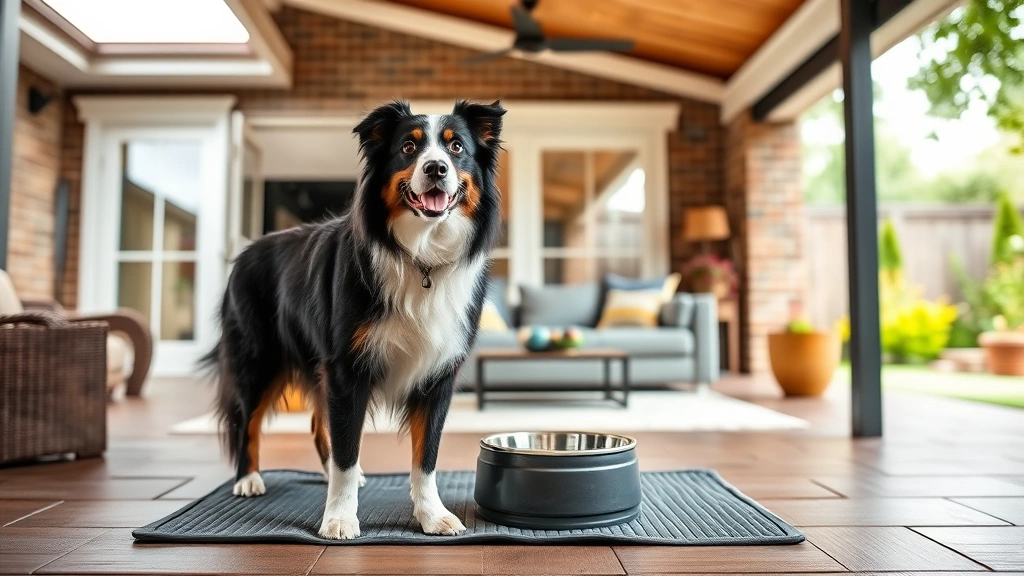
Use Mealtimes as Quick Health Check-Ins
Each mealtime is a valuable opportunity to check in on your pet’s wellbeing — not just to give medication.
When your pet comes inside, take a moment to look them over. Check for any limping, discharge from eyes or nose, or changes in energy. Notice their appetite and how quickly they eat.
These regular observations help you catch problems early. A cat who suddenly picks at her food may be feeling unwell. A dog who returns home limping needs attention before the issue worsens.
Make feeding time a highlight of your pet’s day:
- Greet your pet warmly when they respond to your call
- Offer brief play or petting before presenting food
- Keep the experience reliably pleasant and calm
- Incorporate medication smoothly into the positive routine
Strong positive associations motivate timely returns. Your pet should look forward to coming inside, not just tolerate it.
Track Every Dose Without Fail
When schedules are unpredictable, a reliable tracking system is essential. Without one, it is easy to forget a dose, accidentally skip one, or give one twice.
Your method does not need to be complicated — but it must be consistent. Record the date, time, medication name, and any observations every time you give a dose.
Smartphone apps designed for pet medication management work well. They send reminders, allow quick logging, track multiple pets, and can be shared with family members or your vet team.
Prefer a non-digital approach? These options work just as well:
- A dedicated calendar where you tick off each dose
- A weekly pill organiser that shows at a glance what has been given
- A whiteboard at your medication station for immediate recording
- A simple notebook kept with the medications
If multiple people care for your pet, agree on one rule: whoever gives the medication records it immediately, before any distractions occur.
Plan Ahead for Weather and Seasonal Changes
Weather significantly affects indoor-outdoor routines. A cat who reliably returns at dinner during mild weather may stay out longer on cool autumn evenings. A dog may resist coming inside on a beautiful spring day.
Understanding how weather affects your specific pet helps you anticipate challenges before they disrupt medication schedules.
Seasonal changes bring added complications. Daylight hours shift between summer and winter, affecting both your routine and your pet’s natural rhythms. Holiday disruptions also require extra attention to medication consistency.
Develop backup plans for when your pet does not return on time:
- Decide in advance how long you will wait before actively searching
- Have a special recall signal reserved for urgent situations
- Know at what point you will contact your vet about a missed dose
- Keep your veterinarian’s contact details easily accessible
During extreme weather when your pet stays inside more, medication administration often becomes easier. During ideal outdoor weather, be more proactive about calling them in at medication times.
Work Closely with Your Veterinarian
Your veterinarian is your most important partner in making this work. Being open about your pet’s lifestyle allows them to recommend medications and schedules that are realistic for your situation.
Be honest about the challenges. If your cat regularly disappears for hours, your vet needs to know. If previous medications failed because your dog refused pills, that information matters.
Not all medications have identical timing requirements. In some cases, your vet may be able to suggest alternatives that suit an unpredictable schedule better — such as a once-daily option or a longer-acting formulation. Always discuss this with your vet before making any changes.
Long-acting or alternative delivery options may be worth exploring for indoor-outdoor pets. Extended-release formulations or other preparations can sometimes reduce the number of daily doses needed. Ask your vet whether any of these could be appropriate for your pet.
If you are unsure whether your pet needs urgent care, a quick telehealth check-in can give you peace of mind — no appointment needed.
Never hesitate to ask about alternatives if the current plan is not working. A treatment plan only succeeds if you can follow it consistently. Your vet would much rather help you find a workable solution than have your pet receive inconsistent treatment.
What To Do Right Now
If you are feeling overwhelmed, start here. These five steps will help you get organised today.
- Write down your pet’s current medications — include the name, how often they are due, and whether they need to be given with food. Keep this somewhere visible.
- Choose two fixed meal times that you can realistically stick to every day, and set a phone reminder for each one starting today.
- Pick one spot in your home to become your dedicated medication station, and gather everything you need — medications, treats, bowls, and a tracking log.
- Start a simple dose log — a notebook, a whiteboard, or a free app. Record today’s dose as your first entry.
- Contact your vet if you have missed recent doses or are unsure how to manage your pet’s current schedule. Let them know about your indoor-outdoor situation so they can offer tailored advice.
Conclusion
Managing an indoor-outdoor pet’s medication schedule takes planning, patience, and a good partnership with your vet. But it is absolutely achievable.
Scheduled feeding times, a dedicated medication station, careful tracking, and weather awareness can turn a daily struggle into a manageable routine. Your pet can keep the outdoor freedom they love while getting the care they need.
Every pet is different. Stay flexible, communicate openly with your veterinarian, and ask for help when challenges come up. The effort you put in now pays off in better health outcomes and greater peace of mind for you both.
If you are unsure whether your pet needs urgent care, a quick telehealth check-in can give you peace of mind — no appointment needed.
Frequently Asked Questions
What should I do if my indoor-outdoor cat will not come inside for medication time?
Wait a short while while actively calling, then contact your veterinarian for guidance on the missed dose. Never leave medicated food outside, and do not adjust the next dose without speaking to your vet first.
Can I leave my dog’s medicated food outside if I cannot supervise?
No. Never leave medicated food outdoors where other animals could consume it or where weather could affect it. Always give medications indoors under direct supervision to ensure your pet receives the correct amount.
How do I transition my free-fed outdoor cat to scheduled meal times?
Gradually remove food between designated meal times over one to two weeks. Offer food at set times only, removing it after 20 minutes if uneaten. Most healthy cats adapt to the new schedule fairly quickly.
What if my pet’s medication schedule does not suit their outdoor habits?
Talk to your veterinarian. Many conditions may have alternative options that better suit an unpredictable lifestyle. Your vet can advise on what might work for your pet’s specific situation.
Should I restrict outdoor access while my pet is on medication?
Not necessarily. With scheduled feeding and good planning, most indoor-outdoor pets can maintain outdoor access while receiving consistent medication. Discuss your specific situation with your veterinarian for personalised guidance.