
If your dog has developed a persistent, dry cough that sounds like a honking seal, you might be dealing with kennel cough in dogs—a highly contagious respiratory infection that spreads quickly through dog populations. This condition can be alarming for pet owners, especially when your pup seems uncomfortable and keeps hacking away, but the good news is that most cases respond well to treatment and supportive care.
Table of Contents
- What Is Kennel Cough and How Does It Spread?
- Recognizing the Symptoms of Kennel Cough
- How Vets Diagnose Kennel Cough
- Treatment Options for Kennel Cough
- The Role of Antibiotics in Treatment
- Supportive Care at Home
- Prevention Strategies for Kennel Cough
- When to Seek Emergency Care
- Kennel Cough vs. Other Respiratory Conditions
- Recovery Timeline and What to Expect
- Frequently Asked Questions
- What To Do Now
- Summary
This article is for informational purposes only and is not a substitute for professional veterinary advice. Always consult a licensed veterinarian for diagnosis and treatment.
What Is Kennel Cough and How Does It Spread?
Kennel cough, medically known as infectious tracheobronchitis, is a contagious respiratory condition caused primarily by the bacterium Bordetella bronchiseptica and often complicated by viral pathogens. Your dog may be experiencing kennel cough if they’ve been around other dogs recently—at dog parks, boarding facilities, shelters, or even during grooming sessions.
The infection spreads through airborne droplets when infected dogs cough or sneeze. Even brief exposure to another dog can transmit the disease, which is why it’s so common in environments where dogs gather closely together.
The incubation period typically ranges from 3 to 10 days, meaning your dog might show symptoms a week or so after exposure. Catching this early puts you in a great position to help your pup recover faster.
Recognizing the Symptoms of Kennel Cough
The hallmark symptom is that distinctive dry, hacking cough that often sounds like your dog is trying to clear something from their throat. Some owners describe it as a goose honk or seal bark—it’s pretty unmistakable once you hear it.
Beyond the cough, watch for these additional signs:
- Mild lethargy or decreased energy levels
- Sneezing or nasal discharge
- Low-grade fever (though many dogs maintain normal temperature)
- Loss of appetite or reduced interest in treats
- Gagging or retching, sometimes followed by vomiting in dogs
- Wheezing or difficulty breathing in severe cases
Most dogs remain otherwise alert and playful, which can be reassuring. However, if your dog shows labored breathing, severe lethargy, or refuses food for more than 24 hours, seek veterinary attention promptly. Early intervention makes a significant difference in recovery time.
How Vets Diagnose Kennel Cough
Your veterinarian will typically diagnose kennel cough through a combination of clinical signs, history of exposure, and physical examination. They may listen to your dog’s lungs with a stethoscope to rule out pneumonia or other complications.
In some cases, your vet might recommend additional testing like a tracheal wash or PCR testing to identify the specific pathogen, especially if your dog isn’t responding to initial treatment. These tests help confirm the diagnosis and guide more targeted therapy.
If you’re unsure whether your pet needs urgent care, a quick telehealth check-in can give you peace of mind—no appointment needed. The Pet Vet’s veterinarians can assess your dog’s symptoms and recommend next steps from the comfort of your home.
Treatment Options for Kennel Cough
Treatment depends on the severity of your dog’s symptoms and whether secondary infections are present. Most cases resolve within 1 to 3 weeks with proper supportive care, though some dogs may cough for up to 8 weeks.
Your veterinarian may recommend various approaches:
- Cough suppressants to reduce the frequency and intensity of coughing, allowing your dog to rest more comfortably
- Antibiotics if a secondary bacterial infection is suspected or confirmed
- Anti-inflammatory medications to reduce airway inflammation and ease breathing
- Supportive care including rest, hydration, and maintaining good nutrition
For more detailed information on medication options, check out our guide on dog cough medication to understand what your vet might prescribe.
The Role of Antibiotics in Treatment
While kennel cough is often viral, antibiotics play an important role when secondary bacterial infections develop. Your vet will determine whether antibiotics are necessary based on your dog’s symptoms, fever, and clinical presentation.
It’s crucial to complete the full course of antibiotics as prescribed, even if your dog seems better. Stopping early can allow bacteria to rebound and potentially lead to more serious complications like pneumonia.
Never attempt to self-treat with leftover antibiotics from previous prescriptions—your veterinarian needs to assess your individual dog’s situation to choose the right medication and duration.
Supportive Care at Home
While medications address the infection, supportive care is equally important for recovery. Here’s what you can do to help your dog feel better:
- Minimize stress and activity: Keep your dog calm and restrict vigorous exercise or play. A quiet, comfortable resting space helps their body focus on fighting the infection.
- Maintain hydration: Ensure fresh water is always available. Some dogs drink less when they’re not feeling well, so monitor intake carefully.
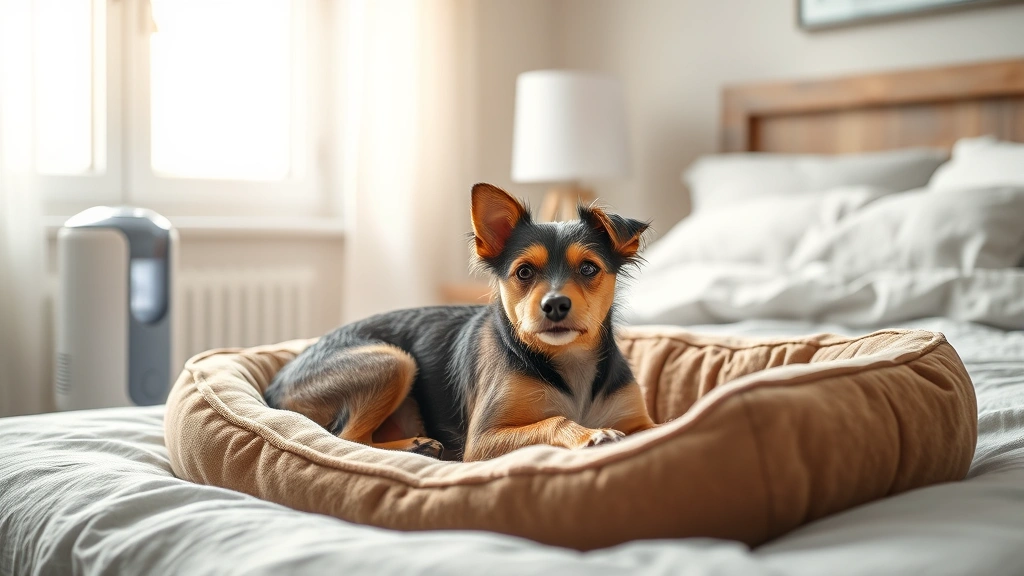
- Use a humidifier: Moist air can ease airway irritation and reduce coughing. Running a humidifier in your dog’s room, or using a steamy bathroom for 10-15 minutes, can provide relief.
- Avoid irritants: Keep your dog away from smoke, strong perfumes, and other airborne irritants that can aggravate the cough.
- Support immune function: Proper nutrition plays a role in recovery. Learn more about feeding for immune support to optimize your dog’s diet during recovery.
- Use a harness instead of a collar: Pressure on the trachea from a collar can trigger more coughing. A harness is gentler during this sensitive time.
Prevention Strategies for Kennel Cough
The best approach is preventing kennel cough from happening in the first place. Several prevention strategies are available:
- Vaccination: The Bordetella vaccine is highly effective and recommended for dogs who spend time around other dogs. It’s often given as an intranasal spray or injection.
- Limit exposure: If possible, avoid high-risk environments during outbreaks. Check with local shelters and boarding facilities about recent cases.
- Maintain good hygiene: Wash your hands after handling other dogs, and keep your dog’s bedding and toys clean.
- Choose reputable facilities: When boarding or using grooming services, select facilities with strong vaccination requirements and hygiene protocols.
- Keep your dog healthy: A strong immune system helps fight off infection. Regular exercise, balanced nutrition, and routine veterinary care are foundational.
When to Seek Emergency Care
While most cases of kennel cough are self-limiting, certain signs warrant immediate veterinary attention. If your dog experiences difficulty breathing, severe lethargy, loss of appetite lasting more than 24 hours, or signs of pneumonia (like fever and crackling lung sounds), contact your vet right away.
Additionally, puppies, senior dogs, and those with compromised immune systems are at higher risk for complications and should be monitored more closely. Don’t hesitate to reach out to your veterinarian if you’re concerned—early intervention prevents progression to more serious conditions like pneumonia.
Kennel Cough vs. Other Respiratory Conditions
It’s important to distinguish kennel cough from other respiratory issues. A dry, honking cough is typical of kennel cough, but other conditions can present similarly.
For instance, lung cancer in dogs can cause chronic coughing, though it’s typically seen in older dogs and may include other symptoms. Collapsed trachea, heart disease, and allergies can also cause coughing.

Your veterinarian will help differentiate between these conditions through physical examination and, if necessary, additional diagnostics like X-rays or ultrasound.
Recovery Timeline and What to Expect
Most dogs recover from kennel cough within 1 to 3 weeks with appropriate treatment. However, some dogs may continue to have a mild cough for 6 to 8 weeks, even after the infection has cleared.
During recovery, you’ll likely notice your dog’s energy levels improving before the cough completely resolves. This is normal—the cough is often the last symptom to disappear.
Keep your dog separated from other dogs during the acute phase (typically the first 2 weeks) to prevent spreading the infection. Even as symptoms improve, your dog may still shed the bacteria for several weeks.
Frequently Asked Questions
Is kennel cough dangerous for my dog?
Kennel cough is rarely life-threatening in healthy adult dogs, but it can progress to pneumonia in puppies, seniors, or immunocompromised dogs. Early treatment and supportive care significantly reduce complications.
Can I catch kennel cough from my dog?
No, kennel cough does not transmit to humans. It’s specific to dogs and other animals. You can safely care for your infected dog without worry of catching the illness yourself.
How long is my dog contagious?
Dogs are most contagious during the first 2 weeks of illness, but can shed bacteria for several weeks after symptoms improve. Keep your dog separated from other dogs during this period.
Should I still take my dog to the vet if they seem fine except for the cough?
Yes, a veterinary evaluation is important to confirm the diagnosis, rule out complications, and ensure your dog receives appropriate treatment. Even mild cases benefit from professional assessment.
Can my vaccinated dog still get kennel cough?
Vaccination significantly reduces the risk and severity of kennel cough, but breakthrough infections can occur, especially with new strains. Vaccinated dogs typically recover faster and experience milder symptoms.
What To Do Now
- Schedule a veterinary appointment: Contact your vet or use The Pet Vet’s telehealth service to get your dog evaluated and receive a proper diagnosis and treatment plan.
- Isolate your dog: Keep your dog away from other dogs to prevent spreading the infection while awaiting diagnosis.
- Create a comfortable recovery space: Set up a quiet area with fresh water, comfortable bedding, and a humidifier to support your dog’s healing.
- Document symptoms: Keep track of when the cough started, its frequency, and any other symptoms to share with your veterinarian.
- Follow treatment instructions: Administer all prescribed medications as directed and complete the full course, even if your dog improves quickly.
Summary
Kennel cough in dogs is a common, highly contagious respiratory infection that causes that distinctive dry, honking cough. While it can be concerning to witness, most cases respond well to treatment and supportive care within a few weeks.
The key to helping your dog recover is early diagnosis, appropriate medication when needed, and attentive home care. Vaccination, good hygiene practices, and limiting exposure to high-risk environments are your best prevention tools.
If you’re worried about your dog’s symptoms or unsure whether they need urgent care, don’t hesitate to reach out to your veterinarian or connect with The Pet Vet for a convenient telehealth consultation. Your dog’s health and comfort are worth the peace of mind.