
Kitten overfeeding prevention is one of the most overlooked aspects of raising a healthy young cat, yet it sets the foundation for their entire life. If you’ve noticed your kitten’s belly rounding out faster than you’d expect, or you’re simply unsure how much to feed them, you’re not alone—this is one of the most common questions new kitten parents ask.
Table of Contents
- Why Kitten Overfeeding Matters More Than You Think
- Understand Your Kitten’s Age-Appropriate Feeding Frequency
- Read the Label: Portion Sizes Aren’t One-Size-Fits-All
- The Meal Prep Strategy That Works
- Watch Out for Hidden Calories in Treats and Table Food
- Monitor for Signs of Digestive Upset
- Choose High-Quality Kitten Food
- Establish a Food Safety and Feeding Timeline
- When to Consult Your Veterinarian
- Frequently Asked Questions
- What To Do Now
- Summary
This article is for informational purposes only and is not a substitute for professional veterinary advice. Always consult a licensed veterinarian for diagnosis and treatment.
Why Kitten Overfeeding Matters More Than You Think
Overfeeding a kitten isn’t just about a chubby face (though that’s often the first sign). When kittens consume too many calories during their critical growth phase, they develop more fat cells than their bodies need. This can lead to obesity later in life, even if you feed them the “right” amount as adults.
Beyond weight gain, overfeeding can strain a young cat’s digestive system and contribute to metabolic issues. Starting your kitten on the right track now means fewer health problems down the road.
Understand Your Kitten’s Age-Appropriate Feeding Frequency
One of the biggest mistakes is feeding kittens like adult cats. Kittens have smaller stomachs and faster metabolisms, which means they need smaller, more frequent meals. The right age-appropriate feeding frequency depends on your kitten’s stage of development.
Generally, kittens aged 6-12 weeks should eat 3-4 times daily. Between 3-6 months, you can transition to 2-3 meals per day. By 6 months and beyond, most kittens do well on twice-daily feeding. This prevents them from eating too much at once and helps regulate their blood sugar.
Read the Label: Portion Sizes Aren’t One-Size-Fits-All
Kitten food labels include feeding guidelines, but they’re often based on average-sized kittens. Your individual kitten may need slightly less or more depending on their breed, activity level, and metabolism. Always check the label first, then adjust based on your vet’s recommendations.
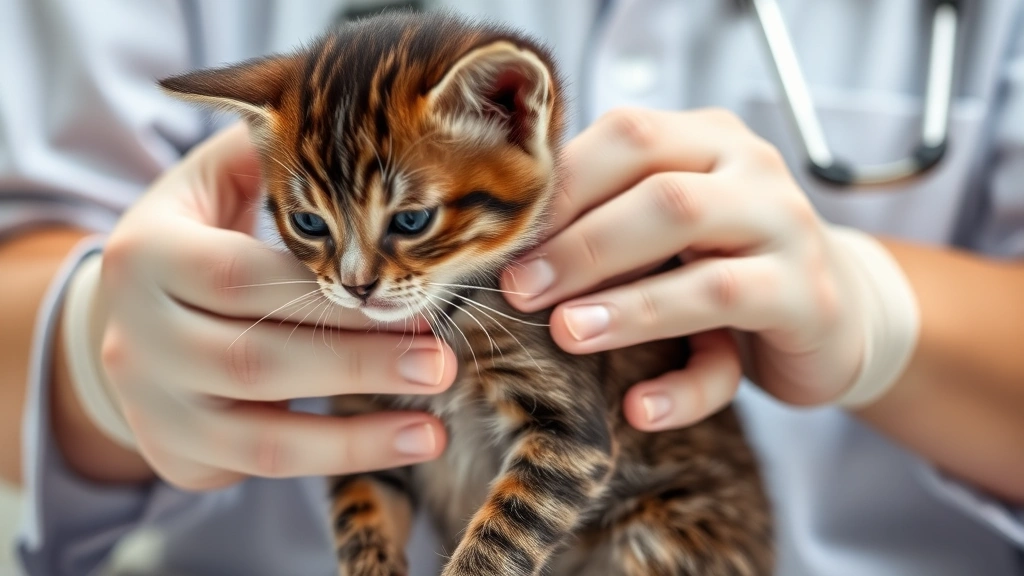
A good rule of thumb: if your kitten’s ribs feel easily visible and slightly prominent when you gently run your hand along their sides, they’re at a healthy weight. If you can’t feel the ribs at all, your kitten may be getting too much food.
The Meal Prep Strategy That Works
Establishing a structured meal prep for pets routine removes guesswork and prevents accidental overfeeding. Instead of free-feeding (leaving food out all day), measure out each meal in advance.
Here’s a simple approach:
- Measure the recommended daily amount based on your kitten’s age and weight
- Divide that total into the number of meals per day
- Feed at consistent times each day
- Remove uneaten food after 20-30 minutes
- Track what your kitten eats in a simple log
This method also helps you notice changes in appetite, which can signal health issues early.
Watch Out for Hidden Calories in Treats and Table Food
Treats and table scraps are often the silent culprit behind kitten weight gain. A single treat can represent 10% of a kitten’s daily calorie needs. If you’re giving treats throughout the day, you could easily be overfeeding without realizing it.
When offering treats, stick to no more than 10% of daily calories. Better yet, use a portion of their regular meal as treats during training or playtime. If you want to offer human food occasionally, consult our guide on safe human foods for cats first—many common foods aren’t appropriate for young cats.
Monitor for Signs of Digestive Upset
Overfeeding can cause digestive distress in kittens. Watch for loose stools, vomiting, or unusual lethargy after meals. If your kitten is experiencing any of these symptoms, it could indicate you’re feeding too much or too quickly. Catching digestive issues early puts you in a great position to adjust feeding habits before they become chronic problems.
Learn more about feline diarrhea and gastritis in cats if your kitten shows persistent digestive symptoms.
Choose High-Quality Kitten Food
Not all kitten foods are created equal. Premium kitten formulas are more nutrient-dense, meaning your kitten needs less food to meet their nutritional needs. Cheaper foods often contain more fillers, requiring larger portions to satisfy your kitten’s appetite.
Look for foods where meat is the first ingredient and that are specifically formulated for kittens, not adult cats. Your veterinarian can recommend brands that align with your kitten’s individual needs.
Establish a Food Safety and Feeding Timeline
Following a consistent food safety feeding timeline prevents both overfeeding and foodborne illness. Store kitten food properly, use it before expiration dates, and transition to new foods gradually over 7-10 days.
A predictable feeding schedule also helps with litter box training and gives you insight into your kitten’s overall health. If feeding times change or your kitten refuses meals, it’s worth investigating with your vet.
When to Consult Your Veterinarian
Every kitten is unique. If you’re unsure whether your kitten is at a healthy weight or if you’re noticing behavioral changes around food, your vet is your best resource. They can assess your kitten’s body condition score and provide personalized feeding recommendations.
If you are unsure whether your pet needs urgent care, a quick telehealth check-in can give you peace of mind—no appointment needed. The Pet Vet makes it easy to get answers from a licensed veterinarian without leaving home.
Frequently Asked Questions
How do I know if my kitten is overweight?
Gently feel your kitten’s ribs. You should be able to feel them easily without pressing hard. If the ribs are hidden under a layer of fat, your kitten may be overweight.
Can I free-feed my kitten?
Free-feeding (leaving food out all day) makes it difficult to monitor intake and often leads to overfeeding. Scheduled meals are a better approach for kittens.
What’s the best kitten food to prevent overfeeding?
High-quality, kitten-specific formulas are more nutrient-dense and require smaller portions. Ask your vet for personalized recommendations based on your kitten’s breed and health.
How often should I weigh my kitten?
Weigh your kitten monthly to track healthy growth. Your vet can tell you what weight range is appropriate for your kitten’s breed and age.
Is wet food or dry food better for preventing overfeeding?
Both can work, but wet food is often more filling with fewer calories. Many vets recommend a mix of both, adjusted based on your kitten’s individual needs.
What To Do Now
- Calculate your kitten’s daily calorie needs based on their current age and weight, using the feeding guidelines on your food label as a starting point
- Establish a consistent feeding schedule with measured portions at the same times each day, and remove uneaten food after 20-30 minutes
- Assess your kitten’s body condition by gently feeling their ribs, and adjust portions if needed to maintain a healthy weight
- Eliminate or drastically reduce treats and table food, keeping treats to no more than 10% of daily calories
- Schedule a check-in with your veterinarian or use telehealth to confirm your kitten is growing at a healthy rate and get personalized feeding advice
Summary
Kitten overfeeding prevention starts with understanding your kitten’s unique needs at each stage of growth. By measuring portions, establishing a consistent feeding schedule, and monitoring your kitten’s body condition, you’re setting them up for a healthier, happier life. Remember, the habits you build now will shape your cat’s health for years to come. When in doubt, your veterinarian is always there to guide you—whether through a routine visit or a quick telehealth consultation.