
Discovering that your beloved dog may have lung cancer in dogs is one of the most frightening conversations you can have with a veterinarian, and your worry is completely valid. This disease affects the respiratory system and can progress quickly, but understanding your treatment options—including medications, therapies, and supportive care—empowers you to make informed decisions for your pup’s comfort and quality of life.
Table of Contents
- Understanding Lung Cancer in Dogs
- Common Symptoms You Shouldn’t Ignore
- Diagnostic Process for Lung Cancer
- Treatment Options for Lung Cancer in Dogs
- Supportive Medications and Palliative Care
- Nutritional Support During Treatment
- Managing Side Effects of Treatment
- Prognosis and Life Expectancy
- When to Consider Telehealth Support
- Creating a Comfortable Environment
- Frequently Asked Questions
- What To Do Now
- Summary
This article is for informational purposes only and is not a substitute for professional veterinary advice. Always consult a licensed veterinarian for diagnosis and treatment.
Understanding Lung Cancer in Dogs
Lung cancer is a serious condition where malignant cells grow in the lungs. In dogs, primary lung cancer (cancer that originates in the lungs) is less common than secondary cancer (cancer that spreads from elsewhere), but it still represents a significant health threat. Most cases occur in older dogs, typically those over 10 years old, though younger dogs can develop it too.
The disease often goes undetected in early stages because symptoms can mimic other respiratory issues. By the time many owners notice signs, the cancer may have already progressed. However, catching it early puts you in a great position to explore treatment options that can extend your dog’s lifespan and improve their quality of life.
Common Symptoms You Shouldn’t Ignore
Recognizing potential warning signs is crucial for early detection. If your dog is experiencing any of these symptoms, schedule a veterinary appointment promptly:
- Persistent cough lasting more than a few weeks
- Difficulty breathing or shortness of breath
- Lethargy and decreased activity levels
- Loss of appetite or weight loss
- Wheezing or labored breathing
- Coughing up blood or bloody discharge
- Reluctance to exercise or play
Many of these symptoms overlap with other conditions, so a proper veterinary diagnosis is essential. Catching these signs early gives your dog the best chance at effective treatment.
Diagnostic Process for Lung Cancer
Your veterinarian will use several tools to diagnose lung cancer. Chest X-rays are typically the first step, revealing suspicious masses or abnormalities in the lungs. If initial imaging suggests cancer, your vet may recommend additional diagnostics like CT scans for more detailed imaging.
A pet fine needle aspirate or biopsy may be performed to confirm the diagnosis and determine the cancer type. These procedures help your veterinarian develop a targeted treatment plan specific to your dog’s condition. Understanding the exact type and stage of cancer guides all subsequent treatment decisions.
Treatment Options for Lung Cancer in Dogs
Treatment approaches vary based on the cancer stage, your dog’s overall health, and your goals for care. Most veterinarians recommend a multimodal approach combining several therapies for the best outcomes.
Chemotherapy Medications
Chemotherapy is often the cornerstone of lung cancer treatment in dogs. Unlike in humans, chemotherapy in veterinary medicine is typically gentler and focuses on quality of life rather than aggressive eradication. Your veterinarian may recommend specific chemotherapy agents tailored to your dog’s cancer type.
These medications work by targeting rapidly dividing cancer cells. While side effects can occur, many dogs tolerate chemotherapy surprisingly well. Your vet will monitor your dog closely and adjust treatment as needed. The goal is to slow cancer progression while maintaining your dog’s comfort and happiness.
Immunotherapy Approaches
Newer immunotherapy options help boost your dog’s immune system to fight cancer naturally. These treatments work differently than traditional chemotherapy and may be used alone or in combination with other therapies. Ask your veterinarian whether immunotherapy might be appropriate for your dog’s specific situation.

Surgical Options
If the cancer is localized to one lung lobe and hasn’t spread, surgical removal may be an option. Lobectomy (removal of the affected lobe) can be curative in some cases, especially if caught early. However, surgery requires your dog to be in good overall health and able to tolerate anesthesia.
Supportive Medications and Palliative Care
Beyond cancer-fighting treatments, medications play a vital role in keeping your dog comfortable. These supportive therapies address pain, inflammation, and other symptoms that affect quality of life.
- Pain Management: Your vet may prescribe pain relief to ensure your dog remains comfortable as the disease progresses.
- Anti-inflammatory Medications: These reduce swelling in the lungs and improve breathing.
- Cough Suppressants: These medications can provide relief from persistent coughing that disrupts sleep and daily activities.
- Appetite Stimulants: If your dog is losing weight, appetite stimulants may help them eat more.
- Antibiotics: Secondary infections are common in dogs with lung cancer, and antibiotics may be necessary to prevent or treat them.
Palliative care focuses on comfort rather than cure. This approach is valuable whether your dog is undergoing active treatment or in later stages of disease. It ensures your pup experiences the best quality of life possible during this challenging time.
Nutritional Support During Treatment
Proper nutrition becomes even more critical when your dog is fighting cancer. A high-quality diet supports immune function and helps maintain muscle mass during treatment. Some dogs benefit from specialized veterinary cancer diets formulated to support their specific needs.
Work with your veterinarian to develop a feeding plan that keeps your dog interested in food and provides optimal nutrition. Small, frequent meals may be easier for dogs experiencing appetite loss. Staying hydrated is equally important, so ensure fresh water is always available.
Managing Side Effects of Treatment
While chemotherapy and other treatments can extend your dog’s life, side effects may occur. Common side effects include nausea, decreased appetite, mild hair loss, and fatigue. Most dogs experience minimal side effects compared to humans, making veterinary chemotherapy a reasonable option for many families.
Your veterinarian will provide guidance on managing any side effects that develop. If you notice concerning changes, contact your vet immediately. Many side effects can be managed with additional supportive medications or adjustments to the treatment plan.
Prognosis and Life Expectancy
The prognosis for lung cancer in dogs varies significantly based on several factors: cancer stage at diagnosis, cancer type, your dog’s age and overall health, and the treatment approach chosen. Dogs diagnosed with early-stage lung cancer and treated aggressively may live one to two years or longer, while untreated cases typically progress more rapidly.
It’s important to have realistic conversations with your veterinarian about what to expect. Some families choose active treatment to extend time together, while others prioritize comfort care. Both approaches are valid and should be guided by your dog’s quality of life and your family’s values.
When to Consider Telehealth Support
Managing a dog with lung cancer involves frequent veterinary visits and ongoing medication adjustments. If you’re unsure whether your pet needs urgent care or have questions about treatment side effects, a quick telehealth check-in can give you peace of mind—no appointment needed. The Pet Vet’s telehealth platform connects you with licensed veterinarians who can provide guidance on medication concerns, symptom management, and treatment decisions from the comfort of your home.
Telehealth is particularly valuable for follow-up questions between regular vet visits and for peace-of-mind consultations when you’re uncertain whether symptoms warrant an emergency visit.
Creating a Comfortable Environment
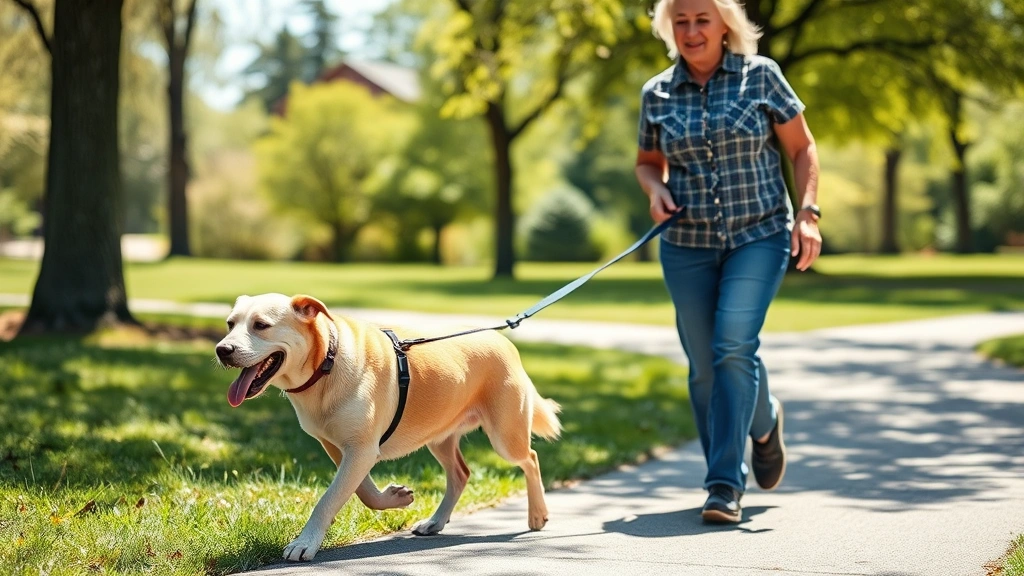
Beyond medications and treatments, your home environment significantly impacts your dog’s comfort during this difficult time. Create a quiet, comfortable space where your dog can rest without stress. Keep food, water, and bedding easily accessible to minimize unnecessary movement.
Maintain a consistent routine as much as possible—dogs find comfort in predictability. Gentle exercise tailored to your dog’s energy level helps maintain muscle tone and mental stimulation. Most importantly, spend quality time together, knowing that your presence and love provide immeasurable comfort to your pup.
Frequently Asked Questions
Is lung cancer in dogs always fatal?
While lung cancer is serious, it’s not automatically a death sentence. Early detection, appropriate treatment, and supportive care can extend your dog’s life significantly and maintain quality of life during that time.
Can lung cancer in dogs be cured?
Cure is possible in some cases, particularly with early-stage, localized cancer treated surgically. However, many cases are managed as chronic conditions with treatment focused on extending life and maintaining comfort.
How much does lung cancer treatment cost?
Treatment costs vary widely depending on the approach chosen, ranging from several hundred dollars for palliative care to several thousand for comprehensive chemotherapy and imaging. Discuss costs openly with your veterinarian to find an approach that fits your budget.
Will my dog lose their hair from chemotherapy?
Dogs may experience some hair loss, particularly in areas where hair grows quickly, but it’s typically less dramatic than in humans. Most dogs maintain their coat quality during veterinary chemotherapy.
How often will my dog need veterinary visits during treatment?
Initial treatment typically requires weekly or bi-weekly visits for the first few weeks, then monthly check-ups. Your veterinarian will establish a schedule based on your dog’s specific treatment plan and response to therapy.
What To Do Now
- Schedule a veterinary appointment immediately if your dog shows persistent coughing, difficulty breathing, or other respiratory symptoms. Early diagnosis significantly impacts treatment options and outcomes.
- Gather your dog’s medical history including previous health issues, current medications, and any family history of cancer. This information helps your veterinarian develop the most appropriate treatment plan.
- Ask your veterinarian about all treatment options including chemotherapy, surgery, immunotherapy, and palliative care. Understanding each option’s benefits and limitations helps you make informed decisions aligned with your values.
- Connect with a veterinary oncologist if your primary veterinarian recommends it. Oncologists specialize in cancer treatment and can provide advanced options you might not find locally.
- Build your support team including your primary veterinarian, any specialists, and trusted friends or family who can help during treatment. Managing a dog with cancer is emotionally demanding, and you don’t have to do it alone.
Summary
Lung cancer in dogs is a challenging diagnosis, but modern veterinary medicine offers multiple treatment pathways that can extend your dog’s life and maintain quality of life during treatment. From chemotherapy and immunotherapy to surgical options and supportive palliative care, your veterinarian can help you navigate these choices based on your dog’s specific situation and your family’s goals.
Remember that every dog’s journey is unique. Some will respond beautifully to treatment and enjoy extended time with their families, while others may benefit most from comfort-focused care. The most important thing is making decisions from a place of love and informed understanding, ensuring your dog experiences as much comfort, joy, and quality time as possible.
Your veterinarian is your partner in this journey. Don’t hesitate to ask questions, seek second opinions, or reach out for support—including telehealth consultations when you need quick answers. You’re doing an amazing job advocating for your dog’s health and well-being.