
Overview
Administering daily medications to pets can be challenging, but meal prep strategies that involve safely mixing medications into prepared meals can transform this stressful routine into a manageable process. However, it’s crucial to consult with a veterinarian first, as not all medications are compatible with food—some may lose effectiveness or become unsafe when combined with certain foods.
Table of Contents
- Understanding Medications and Food Compatibility
- Why Meal Prep Makes Medication Time Easier
- Safety Guidelines to Protect Your Pet
- Choosing the Right Foods for Mixing
- How to Mix Medications Properly
- Storage and Portion Control Made Simple
- Special Considerations for Different Pets
- Troubleshooting Common Problems
- What to Do Right Now
- Keeping Track of Your Pet’s Progress
- Conclusion
- Frequently Asked Questions
If you have ever wrestled with a dog who spits out pills hidden in cheese, or chased a cat around the house with a syringe, you are not alone. Giving daily medications to pets is genuinely hard. The good news is that meal prep for pets can make medication time much less stressful — for you and your pet.
This article is for informational purposes only and is not a substitute for professional veterinary advice. Always consult a licensed veterinarian for diagnosis and treatment.
Many pet owners struggle with medication routines — not because they do not care, but because it is exhausting. By mixing medications into thoughtfully prepared meals, you can turn a daily battle into something manageable. This guide covers how to do it safely, which foods work best, and how to troubleshoot common challenges.
Understanding Medications and Food Compatibility
Not all medications can be mixed with food. This is the most important thing to understand before you start.
Some medications may work well when given with meals. Food can help reduce stomach upset and may support absorption. However, others could lose effectiveness — or become less safe — when combined with certain foods.
Medications that may work well with food often include:
- Some common antibiotics
- Certain anti-inflammatory drugs
- Some thyroid medications
- Many supplements
That said, some antibiotics may bind to nutrients in food and become less effective. Medications with special coatings designed to dissolve in the intestines should not be crushed or mixed without veterinary guidance.
Always check your medication labels carefully. Look for instructions about whether to give with or without food. If you are unsure, contact your veterinarian before mixing anything. According to the FDA’s animal health resources, proper medication administration is essential for treatment success.
If you are unsure whether your pet needs urgent care, a quick telehealth check-in can give you peace of mind — no appointment needed.
Why Meal Prep Makes Medication Time Easier
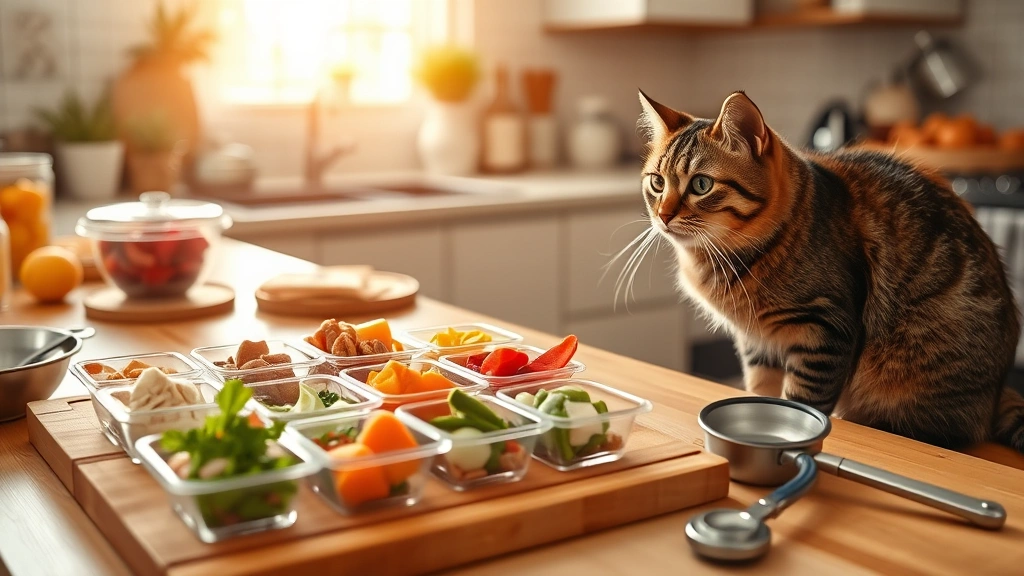
When done correctly, meal prep for pets offers real benefits. Here is why so many pet owners find it helpful:
- Better medication compliance. Pets who refuse pills often readily eat medicated food prepared with familiar, tasty ingredients.
- Less stress for everyone. Instead of chasing your pet around, you simply serve a prepared meal. This helps protect your bond with your pet.
- Time savings. Batch preparation means spending an hour once or twice a week rather than struggling multiple times every day.
- Potentially better absorption. For some medications, food may support more consistent absorption — though always confirm this with your vet.
Safety Guidelines to Protect Your Pet
Safety must always come first when preparing medicated meals. Following these guidelines helps protect your pet and keeps medications effective:
- Store medications according to label instructions before mixing — some require refrigeration
- Do not heat medicated meals unless your veterinarian specifically approves this
- Prepare smaller batches more frequently rather than large batches that sit too long
- Use separate utensils and containers for each pet if you have multiple animals on different medications
- Label everything clearly with the pet’s name, medication details, and preparation date
Heat can degrade many medications, reducing their effectiveness. Most medicated meals should be served at room temperature or slightly cool. If your pet prefers warm food, ask your veterinarian about safe warming methods for their specific medications.
Once mixed with food, medications may only remain stable for a few days in the refrigerator. Freezing can extend this for some medications — but always check the appropriate storage timeframe with your vet.
Cross-contamination between pets is a serious concern. If one pet receives a heart medication and another does not, accidentally swapping meals could cause harm. Clear labelling and careful organisation help prevent these mix-ups.
Choosing the Right Foods for Mixing
The right food makes a real difference. You want something with strong natural flavour and a moist, dense texture. This helps mask the taste of medication and distributes it evenly through each portion.
Good options for most pets include:
- Canned pumpkin or pureed sweet potato
- Pureed or minced meat
- Wet or canned pet food (generally better than dry kibble for even mixing)
For dogs, natural peanut butter can work well — but always check the label. Xylitol is an artificial sweetener that is highly toxic to dogs and must be avoided. For cats, fish-based products or plain meat baby food (without onion or garlic) may work well.
Some foods are best avoided when mixing medications:
- Dairy products — these may interfere with certain antibiotics
- High-fibre foods — these could slow absorption for some medications
- Very acidic foods — these could potentially affect some medications
If your pet is on a prescription diet for a health condition, do not add new foods without speaking to your veterinarian first. Always account for your pet’s known allergies and any weight management needs.
How to Mix Medications Properly
Precision matters when mixing medications into food. Follow these steps to keep things consistent and safe:
- Confirm with your vet first. Before mixing any medication with food, check that it is safe to do so for your pet’s specific prescription.
- Gather the right tools. Use a digital kitchen scale for accurate portions, a pill crusher for tablets (if approved), and calibrated measuring spoons or syringes for liquids.
- Use a two-stage mixing technique. Crush pills into a fine powder (if approved). Mix the medication thoroughly into a small amount of base food first. Then add the rest of the food and mix again. This helps ensure even distribution.
- Keep timing separate. If your pet takes different medications at different times of day, prepare separate containers for each. Do not combine all medications into one daily portion.
- Label every container. Include the pet’s name, preparation date, meal time (morning or evening), and medications included. This prevents dangerous mix-ups.
Storage and Portion Control Made Simple
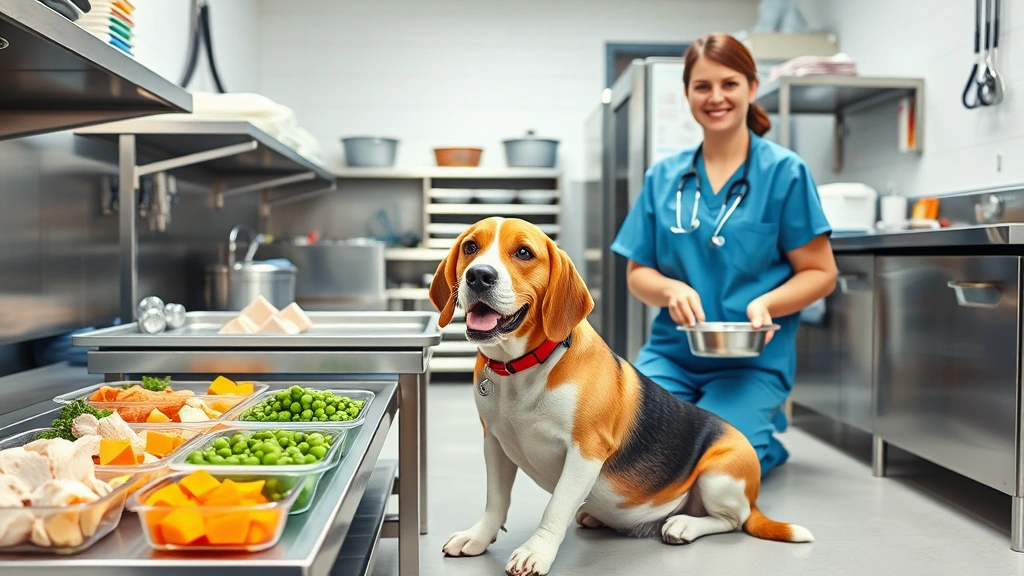
Good storage keeps medications potent and food safe. Small, individual-portion containers with tight-sealing lids work best.
- Glass containers are ideal — they do not absorb odours, can be frozen, and let you see contents at a glance.
- BPA-free plastic containers also work well and are more affordable.
- Silicone muffin cups or ice cube trays are great for small, uniform portions — especially for cats or small dogs.
Meals you will use within two to three days can be refrigerated. For longer storage, freezing is the safer option. Always confirm the appropriate storage timeframe with your veterinarian based on the specific medications involved.
When thawing, the safest method is moving a portion to the refrigerator the night before. For faster thawing, place the sealed container in cool water and change the water every thirty minutes. Avoid microwave thawing unless your vet confirms it will not affect the medication.
Store containers with the earliest dates at the front so you always use the oldest meals first.
Special Considerations for Different Pets
Dogs and cats need different approaches:
- Dogs are generally less fussy and will often eat medicated food without much resistance — especially when aromatic, flavourful foods are used.
- Cats are famously picky. They may detect even small changes in their food. For cats, use a very small amount of a highly palatable food — such as tuna juice or plain meat baby food — as a concentrated medicated treat. Follow it with their regular meal. Do not try to hide medication throughout their entire meal, as they may refuse it altogether.
Size matters too. A small dog’s medication may mix into just a tablespoon of food, while a large breed may need a quarter cup or more. Make sure your portioning system suits your pet’s size.
Senior pets often take multiple medications and may have reduced appetite or increased food sensitivities. Organisation is especially important here. Consider a simple chart or checklist to track which medications go into which meals.
Pets with sensitive stomachs may do better with gentle mixing foods such as plain boiled chicken or white rice. Introduce any new mixing food gradually before committing to batch preparation.
Troubleshooting Common Problems
Even with careful preparation, your pet may sometimes refuse medicated food. Do not force it — this can create negative associations that make future administration harder.
Try these approaches instead:
- Switch to a mixing food with a stronger aroma or different texture
- Rotate between a few different mixing foods to prevent boredom
- Ask your vet whether the medication comes in a different form — such as a flavoured chew, liquid, or transdermal gel
It is completely normal to feel worried when your pet stops eating their medicated meals — catching this early and speaking to your vet puts you in a great position to find a solution.
When medications change, update your meal prep system too. New medications may have different food interaction profiles or timing requirements. Always confirm with your vet before adjusting.
Watch for any changes after your pet eats medicated meals. Signs such as vomiting, diarrhoea, or significant lethargy could indicate a reaction. Contact your veterinarian promptly if you notice anything concerning.
The American Veterinary Medical Association provides helpful guidance on medication safety and recognising adverse reactions in pets.
What to Do Right Now
If you are ready to start — or if you are worried about your pet’s current medication routine — here are five practical steps you can take today:
- Write down every medication your pet takes. Include the name, the time it is given, and whether the label says to give with or without food.
- Call or message your veterinarian. Ask specifically which of your pet’s medications can safely be mixed with food, and which cannot.
- Choose one simple mixing food to try first. Pick something your pet already enjoys — such as a small amount of wet food or plain pureed meat — and start with that.
- Gather your supplies before your first batch. You will need a digital scale, small sealable containers, labels, and a pill crusher if tablets are involved.
- Set up a simple tracking chart. Note each dose as it is given, and record how much your pet ate. This makes it easy to spot patterns and gives your vet useful information at your next visit.
If you are unsure whether your pet needs urgent care, a quick telehealth check-in can give you peace of mind — no appointment needed.
Keeping Track of Your Pet’s Progress
Good record-keeping helps you stay consistent and spot problems early. A simple daily log can make a real difference.
Track the following each day:
- Which medications were given and at what time
- Whether your pet ate eagerly or showed hesitation
- Approximate amount eaten
- Any changes in energy, appetite, or behaviour
If your pet’s medications are treating a specific condition — such as joint pain or skin allergies — note any changes in their symptoms too. This helps you and your vet assess whether the treatment is working.
Contact your veterinarian promptly if your pet refuses medicated food for more than one meal, shows distress after eating, or displays symptoms such as vomiting, diarrhoea, or significant lethargy. Also reach out if you are unsure whether a dose was given.
Regular check-ins with your vet — even when things are going well — help ensure the treatment plan stays on track. Medication needs can change as your pet ages or as their condition evolves.
Conclusion
Meal prep for pets can genuinely transform your daily medication routine. With the right approach, it becomes less stressful for you and more comfortable for your pet.
The key things to remember:
- Never mix medications with food without checking with your vet first
- Use precise measuring tools and techniques
- Store and label all prepared meals carefully
- Monitor your pet for any changes and keep a simple daily log
Every pet is different. What works well for one dog or cat may not work for another. Be patient, stay flexible, and do not hesitate to ask your vet for help along the way. With time and practice, you can build a routine that works — and makes medication time far less daunting for everyone.
Frequently Asked Questions
Can I mix all my pet’s medications together in one meal?
Only if they are all prescribed for the same administration time and your veterinarian confirms they can be given together. Some medications may need to be separated by several hours for proper absorption.
How long can I store prepared medicated meals in the refrigerator?
Generally two to three days, but this varies depending on the medication. Always confirm the appropriate storage duration with your veterinarian.
What should I do if my pet eats only part of a medicated meal?
Contact your veterinarian for guidance. Do not give an extra dose to compensate for what was left. Your vet may suggest a different administration method.
Can I use meal prep for pets who take liquid medications?
Yes — liquid medications often mix more easily than crushed pills. Use the same careful measuring and mixing approach to ensure even distribution throughout each portion.
Is it safe to microwave medicated pet food?
Generally, it is best to avoid this, as heat may degrade some medications. Serve meals at room temperature or slightly cool unless your veterinarian specifically confirms that warming is safe for your pet’s particular medications.