
If your cat has accidentally ingested too much meloxicam—a common anti-inflammatory medication—you’re likely feeling scared and unsure what to do next. A meloxicam overdose in cats is a serious situation that requires immediate attention, but knowing the warning signs and taking swift action can make all the difference in your pet’s recovery.
Table of Contents
- Understanding Meloxicam and Why Cats Are at Risk
- Early Warning Signs of Meloxicam Overdose
- Gastrointestinal Complications: The Most Common Concern
- Kidney and Liver Effects to Watch For
- Severe Symptoms Requiring Emergency Care
- What to Do Immediately After Suspected Overdose
- Diagnostic Testing Your Vet Will Recommend
- Treatment Options and Recovery Timeline
- Preventing Future Meloxicam Accidents
- When to Consult The Pet Vet Telehealth
- Frequently Asked Questions
- Summary: Protecting Your Cat from Meloxicam Overdose
- What To Do Now
This article is for informational purposes only and is not a substitute for professional veterinary advice. Always consult a licensed veterinarian for diagnosis and treatment.
Understanding Meloxicam and Why Cats Are at Risk
Meloxicam is a nonsteroidal anti-inflammatory drug (NSAID) that veterinarians often prescribe to manage pain and inflammation in cats dealing with arthritis, post-surgical discomfort, or other conditions. While it’s generally safe when given at the correct dose, cats have a narrow safety margin with this medication.
Unlike dogs, cats metabolize certain medications differently due to their unique liver function. This means their bodies process meloxicam more slowly, making them more vulnerable to toxic buildup if they receive too much. Accidental overdoses can happen when a pet owner miscalculates a dose, when a cat gets into a medication bottle, or occasionally when a dose is prescribed incorrectly.
Understanding this risk helps you become a more vigilant guardian and recognize when something might be wrong.
Early Warning Signs of Meloxicam Overdose
The first signs of meloxicam toxicity often appear within hours of ingestion. Your cat may seem unusually quiet or withdrawn, showing less interest in favorite toys or treats. Some cats become restless, pacing around the house or seeming unable to get comfortable.
Vomiting is one of the most common early indicators. You might notice your cat retching or producing vomit that looks normal or slightly discolored. Loss of appetite typically follows—your cat may refuse meals or only pick at food.
Watch for these specific behaviors:
- Excessive drooling or difficulty swallowing
- Hunched posture or abdominal tenderness
- Lethargy or unusual sleepiness
- Diarrhea or constipation
- Pale gums or mucous membranes
Catching these early signs puts you in a great position to help your cat recover quickly.
Gastrointestinal Complications: The Most Common Concern
Meloxicam’s primary danger lies in its effect on the gastrointestinal tract. NSAIDs can damage the protective lining of the stomach and intestines, potentially causing ulcers or erosions. This damage may lead to internal bleeding, which is why monitoring your cat’s condition closely is so critical.
If your cat is vomiting repeatedly or showing signs of blood in vomit (which might look like coffee grounds) or dark, tarry stools, these could indicate internal bleeding. These symptoms demand emergency veterinary care immediately—don’t wait or hope they’ll improve on their own.
The good news is that with prompt treatment, many cats recover well from meloxicam-related GI issues. Early intervention prevents complications from becoming life-threatening.
Kidney and Liver Effects to Watch For
Beyond the digestive tract, NSAIDs like meloxicam can affect kidney and liver function, especially in older cats or those with pre-existing health conditions. The kidneys are particularly vulnerable because they play a crucial role in filtering and eliminating the drug from the body.
You might notice increased thirst or more frequent urination—signs that the kidneys are struggling. Some cats develop what looks like sudden kidney disease after an overdose. This is why bloodwork becomes essential in diagnosing and monitoring meloxicam toxicity.
Liver damage typically develops more slowly and may not show obvious symptoms initially. This underscores why professional veterinary evaluation is non-negotiable, even if your cat seems to be improving on her own.
Severe Symptoms Requiring Emergency Care
Certain signs indicate your cat needs emergency veterinary attention right now. If your cat is experiencing severe lethargy, inability to stand, difficulty breathing, or collapse, call your emergency vet or animal poison control immediately.
Uncontrollable vomiting, signs of severe abdominal pain, or any indication of seizures are also medical emergencies. Don’t hesitate—these symptoms suggest your cat’s condition is deteriorating rapidly.
Remember: it’s always better to seek care when you’re uncertain. Vets would rather evaluate a cat who’s okay than miss a critical window for treatment.
What to Do Immediately After Suspected Overdose
Time is your ally when you suspect meloxicam overdose. Here’s exactly what to do:
- Stop all meloxicam immediately—don’t give any additional doses, even if you’re unsure whether an overdose occurred.
- Contact your veterinarian or emergency clinic right away—have the medication bottle handy so you can tell them the exact dose your cat received and when.
- If your cat just ingested the medication (within 1-2 hours), your vet may recommend inducing vomiting or administering activated charcoal to reduce absorption. Don’t attempt this yourself.
- Bring your cat in for evaluation—bloodwork and possibly imaging will help assess organ function and guide treatment.
- If you are unsure whether your pet needs urgent care, a quick telehealth check-in can give you peace of mind—services like The Pet Vet offer convenient consultations without appointment delays.
Diagnostic Testing Your Vet Will Recommend
Your veterinarian will likely recommend blood tests to check kidney and liver function, as well as a complete blood count to assess for anemia from potential internal bleeding. These tests provide a clear picture of what’s happening inside your cat’s body.
Depending on the results and your cat’s symptoms, your vet might also recommend abdominal ultrasound or X-rays to rule out internal bleeding or other complications. While these tests add to the cost of care, they’re invaluable for ensuring your cat receives the right treatment.
Don’t be surprised if your vet recommends hospitalization for IV fluids and monitoring. This supportive care helps flush the medication from your cat’s system and protects organ function during recovery.
Treatment Options and Recovery Timeline
Treatment for meloxicam overdose is largely supportive. IV fluids help dilute the medication and support kidney function while your cat’s body eliminates the drug. Your vet may also recommend medications to protect the stomach lining and reduce nausea.
In cases of severe GI bleeding, blood transfusions might be necessary. Hospitalization typically lasts 24-72 hours, depending on your cat’s response and the severity of the overdose.
Recovery timelines vary. Some cats bounce back within a few days, while others need several weeks of monitoring and supportive care. The key is consistent follow-up with your veterinarian and careful observation at home.
Preventing Future Meloxicam Accidents
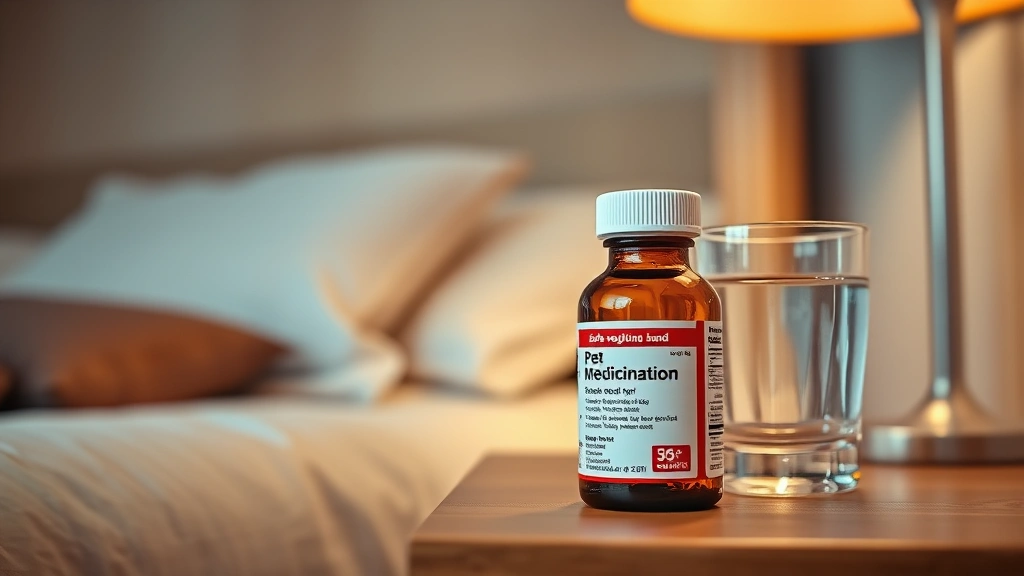
Once your cat has recovered, prevention becomes your priority. Store all medications in secure containers that your cat cannot access—high shelves or locked cabinets work well. Never leave pills sitting out on counters, even briefly.
If meloxicam is prescribed for your cat going forward, use a pill organizer labeled with dates and doses to prevent accidental double-dosing. Set phone reminders for medication times.
Consider discussing alternative pain management options with your vet. For some cats, other medications or supplements might be safer choices. You might also explore resources on feeding for immune support to help manage chronic pain naturally.
When to Consult The Pet Vet Telehealth
Telehealth veterinary services can be incredibly helpful for non-emergency concerns. If your cat received a dose of meloxicam and you’re unsure whether it was too much, or if your cat is showing mild symptoms and you want professional guidance before visiting an emergency clinic, a telehealth consultation offers quick answers.
The Pet Vet’s convenient platform lets you describe your cat’s condition and receive veterinary advice without the stress of travel or waiting rooms. For after-hours questions or initial triage, telehealth is a game-changer.
However, telehealth should never replace emergency in-person care if your cat is showing severe symptoms. Use it as a tool for peace of mind and guidance, not as a substitute for urgent evaluation.
Frequently Asked Questions
How much meloxicam is toxic to cats?
Toxicity depends on your cat’s weight and individual sensitivity, but overdoses typically occur when cats receive significantly more than their prescribed dose. Always contact your vet or poison control with the exact amount ingested—they can assess risk based on your specific cat.
Can a cat recover from meloxicam overdose?
Yes, many cats recover well with prompt veterinary treatment. Early intervention and supportive care significantly improve outcomes. Recovery depends on how much was ingested and how quickly treatment began.
What if my cat vomited after taking meloxicam?
If vomiting occurs shortly after administration, some of the medication may not have been absorbed. Contact your vet immediately—they may recommend monitoring or retesting rather than repeating the dose. Never redose without veterinary guidance.
Is meloxicam safe for cats long-term?
When prescribed at appropriate doses and monitored with regular bloodwork, meloxicam can be used safely in cats. Your vet will recommend periodic testing to catch any kidney or liver issues early.
What should I do if I accidentally gave my cat a double dose?
Contact your veterinarian or animal poison control immediately with the dose information. They’ll advise whether monitoring at home is appropriate or if your cat needs evaluation. Don’t panic—many accidental overdoses are manageable with quick action.
Summary: Protecting Your Cat from Meloxicam Overdose
A meloxicam overdose in cats is frightening, but you now have the knowledge to recognize warning signs and respond effectively. Remember that early detection and swift veterinary intervention are your cat’s best defenses against serious complications.
Watch for vomiting, lethargy, loss of appetite, and behavioral changes. Keep all medications securely stored and clearly labeled. When in doubt, contact your veterinarian—they’re your partner in keeping your cat safe.
Your cat depends on you to be her advocate. By staying informed and vigilant, you’re already taking the most important step toward preventing and managing medication emergencies.
What To Do Now
- Review your cat’s current medications—confirm you’re giving the correct dose and store all pills in a secure location away from curious paws.
- Save your veterinarian’s phone number and your nearest emergency clinic’s number—having these readily available means you won’t waste precious time searching during an emergency.
- Learn the signs of meloxicam overdose—bookmark this article and share it with family members who care for your cat so everyone recognizes warning symptoms.
- If you suspect overdose, contact your vet or poison control immediately—describe your cat’s symptoms and the exact amount of medication involved.
- Schedule a wellness check after recovery—follow-up bloodwork ensures your cat’s organs have returned to normal and guides any future treatment decisions.