
Noticing your dog’s muscles getting smaller or seeing their ribs and hip bones become more prominent can be deeply worrying—and if you’re seeing signs of muscle-wasting-in-dogs, you’re right to pay attention. Muscle loss in dogs isn’t just a cosmetic concern; it’s often a sign that something needs addressing, whether that’s a health condition, nutritional issue, or age-related change.
Table of Contents
- What Is Muscle Wasting in Dogs and Why Does It Happen?
- Common Causes of Muscle Loss in Dogs
- Signs Your Dog May Be Experiencing Muscle Wasting
- How Veterinarians Diagnose Muscle Wasting
- Nutritional Support: The Foundation of Recovery
- Supportive Medications and Supplements for Muscle Wasting
- Exercise and Physical Therapy for Muscle Recovery
- When to Seek Urgent Veterinary Care
- Managing Muscle Wasting in Older Dogs
- Creating a Recovery Plan: Your Action Steps
- Frequently Asked Questions
- What to Do Now
- Summary: Supporting Your Dog Through Muscle Wasting
This article is for informational purposes only and is not a substitute for professional veterinary advice. Always consult a licensed veterinarian for diagnosis and treatment.
The good news? Catching muscle wasting early and working with your vet puts you in a strong position to help your dog feel stronger and healthier again. Let’s walk through what causes muscle loss, how vets approach it, and what you can do right now to support your dog.
What Is Muscle Wasting in Dogs and Why Does It Happen?
Muscle wasting—also called muscle atrophy—occurs when your dog’s muscles shrink and weaken over time. This happens because the body isn’t building or maintaining muscle tissue the way it should.
Several factors can trigger this, from chronic illnesses to poor nutrition to simple aging. The underlying cause matters because it determines the best path forward.
Common Causes of Muscle Loss in Dogs
Understanding what’s driving your dog’s muscle loss is the first step toward helping them recover. Here are the most common culprits:
- Chronic kidney disease: One of the leading causes in older dogs. Kidney disease affects protein metabolism and appetite, leading to gradual muscle loss. A homemade renal diet tailored to your dog’s needs may help support kidney function.
- Liver disease: Poor liver function impairs nutrient absorption and protein synthesis. Supplements like Denamarin for dogs may be recommended by your vet to support liver health.
- Pancreatitis: Chronic pancreatitis in dogs causes inflammation that interferes with digestion and nutrient uptake, contributing to weight and muscle loss.
- Cancer: Malignancies cause metabolic changes and appetite loss that lead to rapid muscle wasting.
- Diabetes: Uncontrolled blood sugar affects how the body processes nutrients and builds muscle.
- Hyperthyroidism or hypothyroidism: Thyroid imbalances disrupt metabolism and muscle maintenance.
- Malnutrition or poor diet: Insufficient protein or calories directly prevents muscle growth and maintenance.
- Aging (sarcopenia): Senior dogs naturally lose muscle mass, especially without adequate exercise and protein.
- Disuse or lack of exercise: Dogs recovering from injury or with mobility issues lose muscle quickly without movement.
Signs Your Dog May Be Experiencing Muscle Wasting
Early detection makes a real difference. Watch for these telltale signs:
- Visible ribs, spine, or hip bones protruding more than usual
- Sunken appearance around the face or temples
- Reduced muscle definition in the legs or shoulders
- Weakness or difficulty climbing stairs
- Reluctance to play or exercise
- Weight loss despite normal or increased appetite
- Difficulty standing up after rest
If you’re noticing these changes, catching them early puts you in a great position to work with your vet on a recovery plan.
How Veterinarians Diagnose Muscle Wasting
Your vet won’t just look at your dog—they’ll investigate the root cause. This typically involves:
- Physical examination: Assessing body condition score and muscle tone.
- Blood work: Checking for kidney disease, liver disease, diabetes, thyroid issues, and nutritional deficiencies.
- Urinalysis: Evaluating kidney function and protein loss.
- Imaging: Ultrasound or X-rays if cancer or organ disease is suspected.
- Dietary history: Reviewing what and how much your dog eats.
This thorough approach ensures the treatment plan targets the actual problem, not just the symptom.
Nutritional Support: The Foundation of Recovery
Before jumping to medications, nutrition is often the most powerful tool. Dogs with muscle wasting need adequate protein and calories to rebuild.
Your vet may recommend:
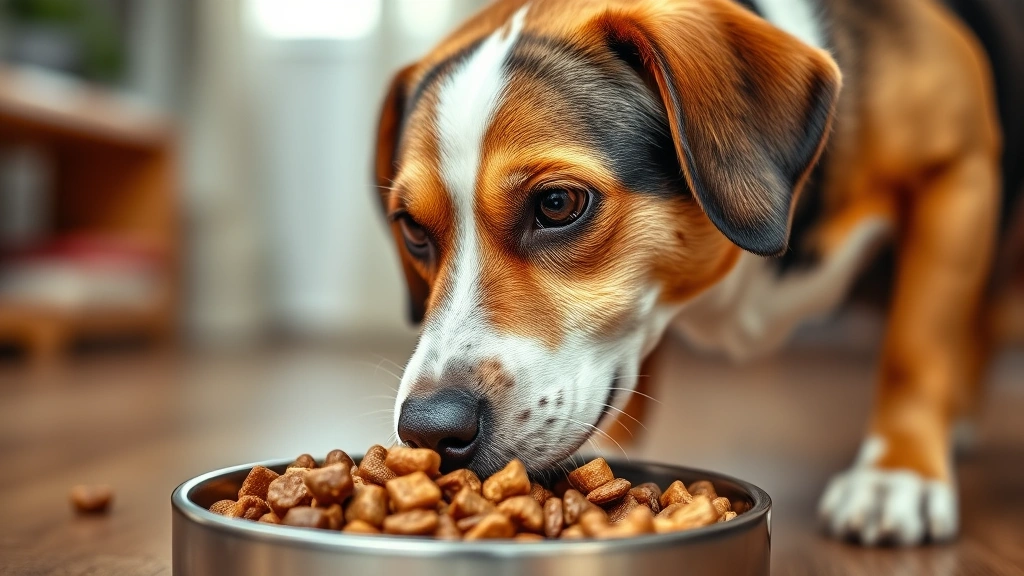
- High-protein diet: Typically 25–30% protein or higher, depending on the underlying condition.
- Increased meal frequency: Smaller, more frequent meals can help dogs with poor appetite eat more overall.
- Nutrient-dense foods: Adding supplements like fish oil, amino acids, or specialized prescription diets.
- Appetite stimulants: If your dog isn’t eating enough, your vet may suggest medications that increase hunger.
Implementing permanent feeding routine adjustments early on can prevent muscle loss from worsening and support recovery.
Supportive Medications and Supplements for Muscle Wasting
While medications won’t directly rebuild muscle, certain treatments address underlying conditions or support the body’s ability to maintain and build muscle tissue. Your vet may consider:
- Appetite stimulants: When poor appetite is the bottleneck, these medications can help your dog eat more, providing the calories and protein needed for muscle recovery.
- Medications for underlying diseases: If kidney disease, liver disease, or diabetes is the cause, treating the primary condition often helps stop or slow muscle loss.
- Anti-inflammatory medications: For conditions like pancreatitis or arthritis that limit activity or nutrient absorption.
- Amino acid supplements: Branched-chain amino acids (BCAAs) may support muscle protein synthesis, especially in older dogs.
- Omega-3 fatty acids: Fish oil supplements have anti-inflammatory properties and may help preserve muscle mass.
- Digestive enzymes: If malabsorption is an issue, enzymes can improve nutrient uptake from food.
- Probiotics: Supporting gut health can improve digestion and nutrient absorption.
Important note: Never start any medication or supplement without your vet’s guidance. Dosages, interactions, and appropriateness depend entirely on your dog’s specific situation.
Exercise and Physical Therapy for Muscle Recovery
Movement is medicine. Even gentle activity helps prevent further muscle loss and can gradually rebuild strength.
Work with your vet to design a safe exercise plan that might include:
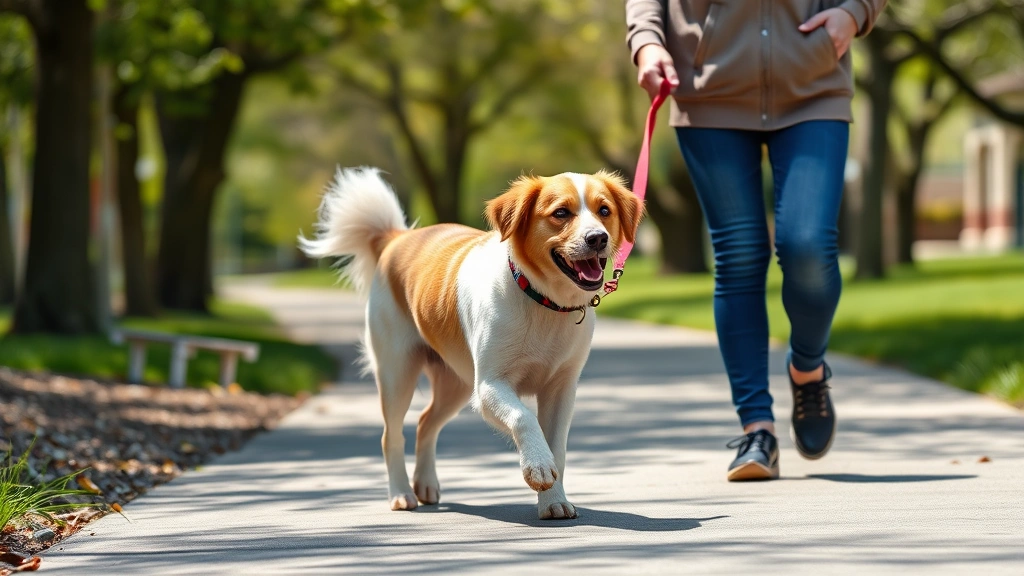
- Short, frequent walks (even 10–15 minutes, several times daily)
- Swimming or hydrotherapy (excellent for building muscle without joint stress)
- Gentle play or tug-of-war
- Assisted standing exercises for very weak dogs
- Gradual progression as your dog gains strength
The goal is consistency, not intensity. A 15-minute walk every day beats an occasional long walk.
When to Seek Urgent Veterinary Care
Most muscle wasting develops gradually, but certain situations need faster attention:
- Sudden, rapid muscle loss over days or weeks
- Severe weakness or inability to stand
- Loss of appetite lasting more than a day
- Vomiting, diarrhea, or other acute symptoms alongside muscle loss
- Difficulty breathing or signs of distress
If you’re unsure whether your pet needs urgent care, a quick telehealth check-in with a vet can give you peace of mind—no appointment needed. The Pet Vet offers convenient virtual consultations to help you decide on your next steps.
Managing Muscle Wasting in Older Dogs
Senior dogs naturally lose muscle mass—it’s called sarcopenia—but it doesn’t have to be accepted as inevitable. Proactive management can make a huge difference in quality of life.
Older dogs benefit from:
- Higher protein intake (often 30%+ of calories)
- Regular, gentle exercise tailored to their mobility
- Adequate calories (underfeeding accelerates muscle loss)
- Joint support (pain-free movement encourages activity)
- Regular vet check-ups to catch disease early
Many senior dogs thrive when their owners commit to these basics.
Creating a Recovery Plan: Your Action Steps
Recovery from muscle wasting takes time and teamwork between you and your vet. Here’s a realistic roadmap:
- Schedule a vet visit: Get bloodwork and a thorough exam to identify the underlying cause. This is non-negotiable.
- Optimize nutrition: Work with your vet to choose a high-protein diet appropriate for your dog’s condition. Consider meal frequency and portion sizes.
- Start gentle exercise: Begin with short, frequent walks and gradually increase as your dog gains strength.
- Consider supplements: Ask your vet about amino acids, omega-3s, or other supportive supplements tailored to your dog’s needs.
- Monitor progress: Track weight, muscle tone, and energy levels weekly. Celebrate small wins—they add up.
Frequently Asked Questions
Can muscle wasting in dogs be reversed?
Yes, often it can—especially if caught early and the underlying cause is addressed. Dogs respond well to improved nutrition, appropriate exercise, and treatment of any underlying disease. Recovery takes weeks to months, but improvement is usually visible within 4–6 weeks of consistent effort.
How long does it take for a dog to regain muscle?
Rebuilding muscle typically takes 4–12 weeks, depending on the severity, the dog’s age, and how consistently you follow your vet’s recommendations. Older dogs may progress more slowly than younger ones.
Is muscle wasting always a sign of serious illness?
Not always. While it can indicate chronic disease, muscle wasting also occurs with aging, poor nutrition, or insufficient exercise. Your vet’s workup will determine whether a serious condition is present.
What’s the difference between muscle wasting in dogs and cats?
While the causes overlap, cats and dogs have different nutritional needs and disease patterns. For specific information about cats, see our guide on muscle wasting in cats.
Can I prevent muscle wasting in my dog?
Yes. Feed a high-quality, protein-rich diet; maintain regular exercise; keep your dog at a healthy weight; and schedule annual vet check-ups to catch disease early. These habits go a long way in preventing muscle loss.
What to Do Now
Don’t wait if you’re seeing signs of muscle loss in your dog. Here are your next steps:
- Schedule a veterinary appointment: Call your vet this week to book a comprehensive exam and bloodwork. If cost is a concern, ask about payment plans or consider a telehealth consultation for an initial assessment.
- Gather your dog’s dietary history: Write down what, how much, and how often your dog eats. This information helps your vet make personalized nutrition recommendations.
- Document observable changes: Take photos of your dog’s body condition and note when you first noticed muscle loss. This timeline helps your vet assess progression.
- Start a gentle walking routine: Begin with 2–3 short walks daily (10–15 minutes each) unless your vet advises otherwise. Movement supports muscle preservation.
- Research high-protein options: Talk to your vet about premium, high-protein dog foods or prescription diets suited to your dog’s condition. Nutrition is foundational to recovery.
Summary: Supporting Your Dog Through Muscle Wasting
Muscle wasting in dogs is a sign that something needs attention, but it’s also highly manageable when you act early. Whether the cause is a chronic illness, aging, or poor nutrition, the recovery path involves identifying the root cause, optimizing nutrition, supporting gentle activity, and working closely with your veterinarian.
Your dog’s muscle loss didn’t happen overnight, and recovery won’t either—but consistent effort yields real results. Many dogs regain strength and vitality when their owners commit to the fundamentals: proper nutrition, regular movement, and appropriate medical care.
Start by scheduling that vet visit. You’ve got this, and your dog is lucky to have someone paying this close attention to their health.