
Feline nasal congestion is a common and treatable condition caused by viral infections, bacteria, allergies, or environmental irritants that can lead to appetite loss and serious respiratory complications if left untreated. Recognizing symptoms like sniffling, sneezing, discharge, and mouth breathing, along with knowing when to contact a veterinarian, enables cat owners to seek timely treatment and prevent escalation into more severe health issues.
“`html
Table of Contents
- Introduction
- Understanding Feline Nasal Congestion
- Saline Nasal Drops and Sprays
- Decongestants
- Antihistamines
- Antibiotics
- Corticosteroids
- Antiviral Medications
- Mucolytics
- Supporting Your Cat at Home
- What To Do Right Now
- Conclusion
- Frequently Asked Questions
Introduction
If your cat is sniffling, snoring, or won’t eat because they can’t smell their food, you’re probably worried. Nasal congestion in cats is frustratingly common, but the good news is it’s highly treatable once you understand what’s causing it.
This article is for informational purposes only and is not a substitute for professional veterinary advice. Always consult a licensed veterinarian for diagnosis and treatment.
Your cat’s congestion might be triggered by viral infections like feline herpesvirus or calicivirus. Bacterial infections, allergies, dust, pollen, and household chemicals can all contribute to nasal stuffiness.
It is completely normal to feel worried — catching this early puts you in a great position to help your cat feel better.
When cats can’t breathe through their nose, they lose interest in eating because they can’t smell their food. This appetite loss can quickly lead to weight loss and nutritional deficiencies. Left untreated, nasal congestion can escalate into serious respiratory infections.
Understanding Feline Nasal Congestion: Signs Your Cat Needs Help
Spotting nasal congestion in your cat is easier than you might think. Listen for sniffling, snoring sounds, or frequent sneezing, especially when your cat is resting.
Watch for these additional warning signs:
- Discharge from the nose or eyes (clear, cloudy, or colored)
- Excessive face rubbing or grooming around the nose area
- Mouth breathing when nasal passages are completely blocked
- Head tilting to one side
- Lethargy, reduced playfulness, or unusual irritability
- Picking at food or avoiding meals altogether
When to Call Your Veterinarian
Most cats with mild congestion can wait a day or two to see if it resolves on its own. However, reach out to your veterinarian immediately if:
- Congestion lasts more than a few days
- Your cat stops eating or drinking
- You notice fever or labored breathing
- Your cat is a kitten, senior, or has existing health conditions
What Your Veterinarian Will Do
Your veterinarian will perform a physical exam and listen carefully to your cat’s breathing patterns. Depending on what they find, they might recommend blood tests to identify viral or bacterial infections. If congestion is severe, X-rays or ultrasounds may help see what’s happening inside the nasal passages.
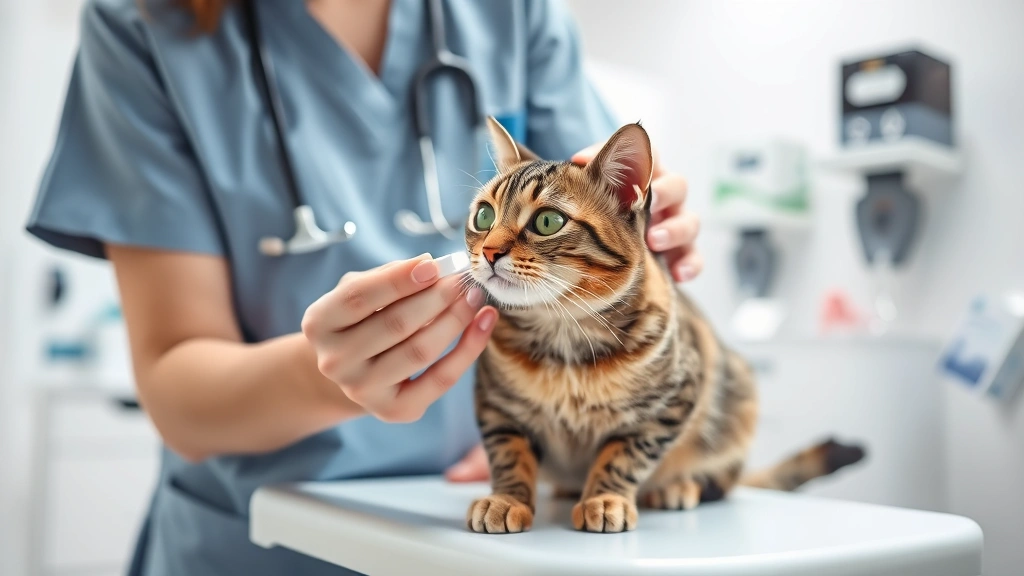
Saline Nasal Drops and Sprays: Your First Line of Defense
Saline solution is safe, natural, and works by gently flushing away mucus and inflammatory secretions from the nasal passages. The salt solution thins out thick discharge, making it easier for your cat to sneeze or cough it out naturally.
Why saline is your safest option:
- No toxicity concern or risk of overdose
- Safe for cats of any age
- Safe even for cats with serious health conditions
- No drug interactions
- Can be applied as often as needed
How to Use Saline With Your Cat
Keep your cat calm and comfortable in your lap or on a towel. Using a dropper, place just a few drops in each nostril. If you’re using spray, a gentle mist works well.
Don’t be alarmed when your cat sneezes immediately after—that’s the medication doing its job by helping expel congestion.
Most cats feel relief within minutes to hours of saline application. The relief is temporary, usually lasting a few hours, which is why veterinarians often recommend applying saline multiple times daily. For mild congestion cases, saline alone might be all you need.
Decongestants: Fast Relief From Swelling
Decongestants shrink swollen nasal tissue by constricting blood vessels, making it easier for your cat to breathe. They work quickly and can often restore your cat’s sense of smell, which helps bring their appetite back.
Important Safety Information
Cats respond differently to medications than humans do. Never give your cat human decongestants or human dosages. Your veterinarian will prescribe the exact dose based on your cat’s weight, age, and overall health.
Cats with heart disease, high blood pressure, or thyroid problems should not receive decongestants without careful veterinary evaluation.
Possible Side Effects
Watch for these potential side effects during decongestant use:
- Increased heart rate or mild restlessness
- Decreased appetite or mild stomach upset
- Mild anxiety or nervousness
These side effects are typically mild and temporary. However, if your cat trembles excessively, drools abnormally, or has trouble urinating, contact your veterinarian immediately.
Decongestants work best for congestion caused by swelling or inflammation, such as from viral infections or allergies. Most cats notice improvement within thirty minutes to two hours, though effects typically last just a few hours.
Antihistamines: Relief for Allergic Congestion
If allergies are causing your cat’s congestion, antihistamines are your answer. These medications block histamine in your cat’s body, which causes allergic inflammation and congestion.
Antihistamines are particularly helpful for cats with:
- Seasonal allergies
- Chronic environmental sensitivities
- Dust or pollen allergies
How to Give Your Cat Antihistamines
Many antihistamines come as tablets that you can give directly or crush and mix into wet food. Some cats prefer pill pocket treats, while others do better with liquid formulations. Your veterinarian can show you the best technique for your cat.
Don’t expect instant results with antihistamines. Some start working within an hour, while others take several days of consistent use to reach full effectiveness. If your cat has chronic allergic congestion, they’ll likely need regular doses throughout allergy season.
Antibiotics: Treating Bacterial Infections
When bacterial infection is behind your cat’s congestion, antibiotics become essential. Viruses don’t respond to antibiotics, but bacteria definitely do.
Your veterinarian will likely perform bacterial cultures to confirm a bacterial infection before prescribing antibiotics. This helps avoid unnecessary medication and the development of antibiotic resistance.
Critical: Complete the Full Course
Here’s the most important part: complete the entire course of antibiotics, even if your cat seems better after a few days. Stopping early allows surviving bacteria to become resistant, making future infections harder to treat.
Antibiotic courses typically last seven to fourteen days. Every dose matters.
What to Watch For
Most cats tolerate antibiotics well, though some experience mild gastrointestinal upset or diarrhea. If your cat shows signs of allergic reaction—facial swelling, difficulty breathing, or severe vomiting—stop the medication and call your veterinarian immediately.
You’ll likely notice your cat’s appetite and energy improve as the infection clears during treatment.
Corticosteroids: Powerful Anti-Inflammatory Relief
Corticosteroids are powerful anti-inflammatory medications that reduce swelling in nasal tissues. They work remarkably fast, often improving symptoms within days. They’re especially effective for congestion from viral infections, allergies, or inflammatory conditions.
Short-Term vs. Long-Term Use
Short-term corticosteroid use—one to two weeks—is generally safe and well-tolerated in cats. Long-term use requires careful monitoring because it can increase thirst and urination and may affect immune function.
Your veterinarian will discuss whether your cat needs short or long-term therapy and will establish appropriate monitoring plans.
Forms of Corticosteroids
Corticosteroids come in several forms:
- Injectable corticosteroids for consistent medication levels
- Oral tablets or liquids for flexible dosing
- Nasal corticosteroid sprays for localized treatment
Your vet will recommend the best method based on your cat’s condition and preferences.
During Treatment
Your cat may need baseline bloodwork before starting and periodic check-ups during treatment. You might notice increased thirst and urination—common side effects that usually resolve once treatment ends. Contact your veterinarian if your cat shows signs of infection or other concerning symptoms during treatment.
Antiviral Medications: Fighting Viral Infections
When viruses like feline herpesvirus or calicivirus cause nasal congestion, antivirals are your targeted treatment. Antibiotics won’t help viral infections, but antivirals can slow viral replication or boost your cat’s immune response.
Starting antiviral treatment early reduces symptom duration and severity significantly.
Common Antiviral Approaches
Your veterinarian might recommend:
- Interferon to enhance immune function
- L-lysine amino acid to reduce herpesvirus outbreak frequency and severity
- Combination therapy pairing an antiviral with a corticosteroid
Timing matters with antivirals. Starting treatment soon after infection develops gives the best results. For cats with chronic viral infections, regular antiviral supplementation helps prevent recurring bouts of severe congestion.
Mucolytics: Thinning Thick Secretions
Mucolytics don’t reduce congestion directly. Instead, they thin and liquefy thick nasal secretions, making them easier for your cat to clear naturally.
When mucus is thin and watery, cats can sneeze and swallow it away more easily. These medications prove valuable for cats with chronic congestion producing lots of thick, gloppy discharge.
How Mucolytics Work
Common mucolytic agents used in cats include:
- Acetylcysteine, which breaks down the bonds in mucus proteins
- Bromhexine, which increases mucus flow and clearance
Both have been used safely in cats for extended periods. Your veterinarian will recommend the most appropriate option based on your cat’s specific situation.
Results You’ll Notice
Cats receiving mucolytics often show noticeably improved breathing, reduced coughing and gagging, and better appetite. Many owners observe their cats becoming more playful and active. For cats with chronic rhinitis, long-term mucolytic therapy significantly improves quality of life.
Supporting Your Cat at Home
While medications do the heavy lifting, your home environment can either help or hinder recovery. A few smart environmental changes work beautifully alongside your veterinarian’s prescribed medications.
Humidity Management
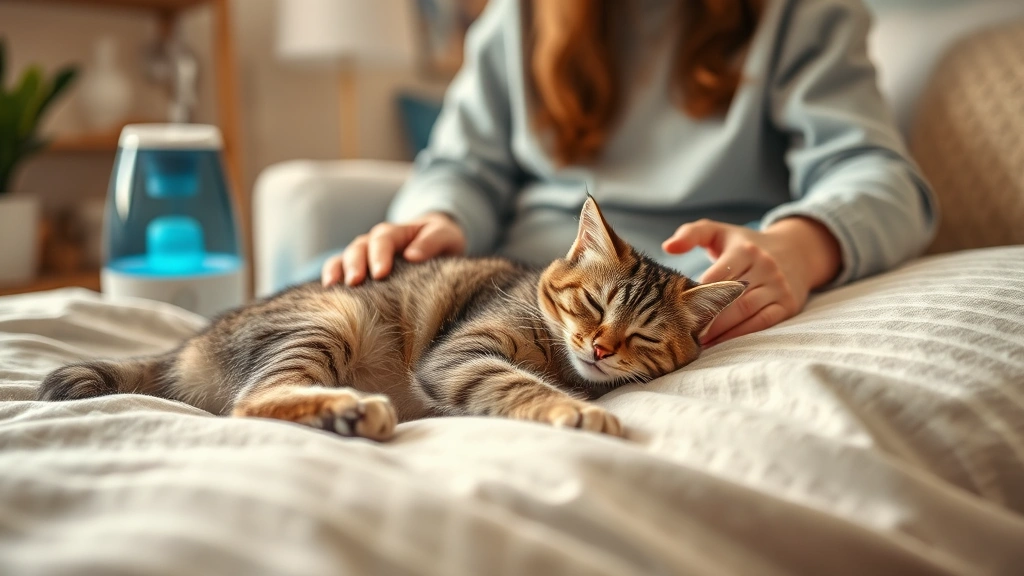
Dry air irritates already inflamed nasal tissues and thickens secretions, making congestion worse. Running a humidifier in the room where your cat spends most time keeps nasal passages moist and comfortable.
Aim for humidity levels between forty and sixty percent. If you don’t have a humidifier, create a steamy bathroom by running hot water and letting your cat relax there for twenty to thirty minutes several times daily.
Improve Air Quality
Eliminate strong scents that irritate sensitive nasal passages:
- Perfumes and air fresheners
- Harsh cleaning chemicals
- Cigarette smoke
Dust and dander make congestion worse, so vacuum frequently and dust with damp cloths instead of dry ones.
Nutrition and Hydration
Proper nutrition supports your cat’s immune system during recovery. Consider discussing feeding for immune support with your veterinarian.
If allergies are contributing to congestion, seasonal allergies feeding adjustments might help reduce overall inflammation.
Make sure your congested cat has easy access to fresh water and appealing food. Warm wet food often smells more enticing than dry kibble when your cat’s sense of smell is compromised. Place water bowls in multiple locations so your cat doesn’t have to search far to drink.
Stress Reduction
Keep your cat in a comfortable, stress-free environment during recovery. Stress suppresses immune function and can worsen congestion symptoms. Provide quiet resting spaces, maintain consistent routines, and minimize household chaos if possible.
What To Do Right Now
If you suspect your cat has nasal congestion, follow these practical steps today:
- Write down the symptoms you’ve noticed and when they started (sniffling, discharge, appetite changes, etc.)
- Note any other changes in your cat’s behavior or health over the past week
- Schedule a veterinary appointment or call your vet to describe what you’re seeing
- If you are unsure whether your pet needs urgent care, a quick telehealth check-in can give you peace of mind — no appointment needed
- Prepare to tell your vet about any other cats in your home and any recent changes to your cat’s environment
Conclusion
Nasal congestion in cats ranges from minor annoyance to serious health concern, but modern veterinary medicine offers multiple effective treatment options.
The key to successful treatment is working closely with your veterinarian to identify the underlying cause and develop an appropriate treatment plan. Never hesitate to reach out if your cat’s congestion persists or worsens, and always follow medication instructions precisely.
Combined with supportive home care like humidity management and proper nutrition, medication can have your cat breathing easily and eating enthusiastically again. Your cat depends on you to recognize when something’s wrong and to advocate for their health.
Frequently Asked Questions
How long does nasal congestion in cats typically last?
Mild cases often resolve within a few days, while chronic cases can persist for weeks or months. Treatment duration depends on the underlying cause and how quickly your cat responds to medication.
Can I use human nasal decongestants on my cat?
No, never use human medications on your cat without explicit veterinary approval. Cats metabolize medications differently than humans, and improper dosing can be dangerous.
Is nasal congestion contagious between cats?
Viral causes like feline herpesvirus and calicivirus are highly contagious between cats. Bacterial infections are less contagious but can spread in multi-cat households. Keep your congested cat separated from other cats when possible.
What’s the difference between acute and chronic nasal congestion?
Acute congestion develops suddenly and typically resolves within two weeks with treatment. Chronic congestion lasts longer than four weeks and often requires ongoing management with medications like antivirals or mucolytics.
When should I be concerned about my cat’s nasal congestion?
Seek immediate veterinary attention if your cat stops eating, shows difficulty breathing, develops a high fever, or has discharge mixed with blood. Congestion lasting more than a few days also warrants a veterinary visit.
“`