
If your dog is sniffling, snorting, or breathing through their mouth more than usual, you might be dealing with nasal congestion in dogs—and it’s completely understandable to feel concerned. That stuffy nose that seems so minor in humans can genuinely affect your pup’s quality of life, making eating, sleeping, and playtime less enjoyable. The good news? Understanding what’s causing the congestion and knowing your treatment options puts you in a strong position to help your furry friend feel better fast.
Table of Contents
- What Causes Nasal Congestion in Dogs?
- Recognizing the Signs: When Your Dog Needs Help
- How Veterinarians Diagnose Nasal Congestion
- Understanding Medication Options for Nasal Congestion
- Antihistamines and Allergy Management
- Decongestants and Nasal Sprays
- Antibiotics for Bacterial Infections
- Antifungal Treatments
- Anti-Inflammatory Medications
- Immune Support and Nutritional Approaches
- When to Seek Immediate Veterinary Care
- Home Care Tips While Your Dog Recovers
- Prevention Strategies for Future Congestion
- Frequently Asked Questions
- What To Do Now
- Summary: Helping Your Dog Breathe Easy Again
This article is for informational purposes only and is not a substitute for professional veterinary advice. Always consult a licensed veterinarian for diagnosis and treatment.
What Causes Nasal Congestion in Dogs?
Nasal congestion in dogs stems from inflammation or fluid buildup in the nasal passages, and the causes are surprisingly varied. Allergies—whether seasonal or year-round—are among the most common culprits, affecting dogs just like they affect people. Your pup’s immune system may be overreacting to pollen, dust mites, mold, or even certain foods.

Infections are another frequent cause. Bacterial, viral, or fungal infections can all lead to that stuffy-nose feeling. Upper respiratory infections are particularly common in dogs, especially those in shelters or multi-dog households. Additionally, environmental irritants like smoke, strong perfumes, or cleaning products can inflame the nasal passages and cause temporary congestion.
Less commonly, nasal polyps, tumors, or foreign objects lodged in the nose may be responsible. While these are rarer, they’re important to rule out with your veterinarian.

Recognizing the Signs: When Your Dog Needs Help
Your dog can’t tell you their nose feels stuffy, so watch for these telltale signs. Excessive sneezing, snorting sounds, or mouth breathing are classic indicators that something’s off. You might also notice your dog having difficulty eating or showing less interest in food—a congested nose affects their ability to smell, which directly impacts appetite.
Some dogs develop a nasal discharge, which can be clear, cloudy, or even tinged with color. Facial swelling, pawing at the nose, or unusual head tilting can also point to nasal issues. Catching these symptoms early puts you in a great position to help your pup feel better before complications develop.

How Veterinarians Diagnose Nasal Congestion
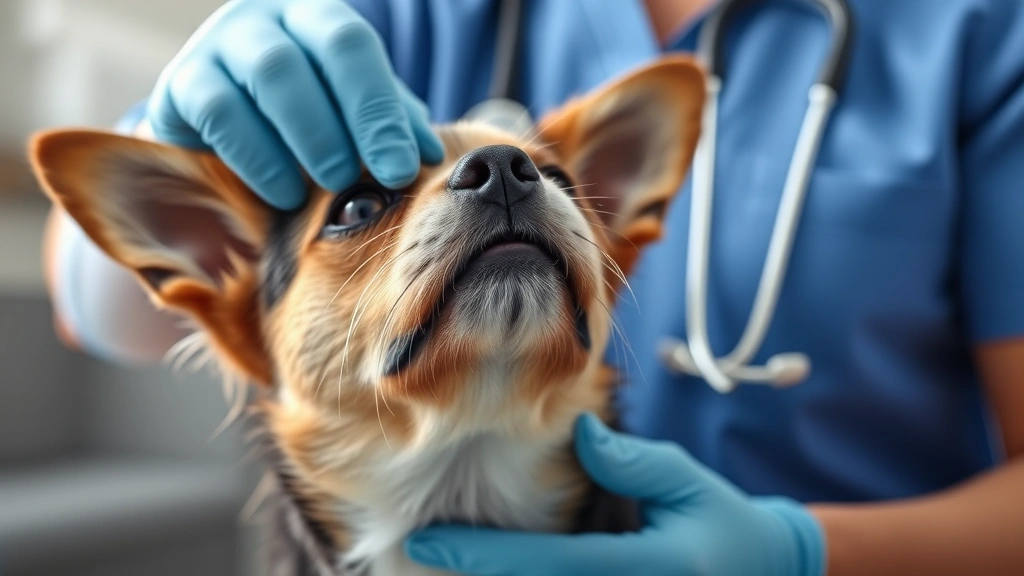
Your vet will start with a physical examination and discussion of your dog’s symptoms and medical history. They may gently palpate the nasal area or use an otoscope to peek into the nostrils. For more detailed investigation, imaging like X-rays or CT scans might be recommended, especially if a foreign object or structural issue is suspected.
In some cases, your veterinarian may recommend a nasal swab or culture to identify bacterial or fungal infections. This helps guide treatment decisions and ensures your dog gets the right medication for their specific situation.

Understanding Medication Options for Nasal Congestion
While the title mentions “7 proven medications,” it’s important to understand that your veterinarian will choose the best option based on the underlying cause. Medications work differently depending on whether congestion stems from allergies, infection, or inflammation. Never give your dog any medication without veterinary guidance, as dosing and suitability vary greatly by individual dog.
The following categories represent common approaches veterinarians take. Your vet will discuss which is most appropriate for your dog’s situation.

Antihistamines and Allergy Management
When allergies are the culprit behind nasal congestion in dogs, antihistamines can be remarkably effective. These medications block the histamine response that causes inflammation and congestion. Your veterinarian will recommend a specific antihistamine and appropriate dosing for your dog’s size and health status.
Beyond medication, managing environmental allergens helps too. Regular grooming, washing bedding frequently, and using air purifiers can reduce allergen exposure. If your dog has food-related allergies, your vet might recommend dietary adjustments—our guide on seasonal allergies feeding adjustments offers helpful strategies.

Decongestants and Nasal Sprays
Decongestants work by reducing swelling in the nasal passages, making breathing easier. Some are available as oral medications, while others come as nasal sprays or drops. Your veterinarian will determine which form works best for your dog and provide clear instructions on administration.
Nasal saline rinses can also provide relief without medication. These gentle solutions help flush out irritants and mucus, offering comfort—especially when used alongside prescribed treatments. Always ask your vet before using any over-the-counter nasal products on your dog.
Antibiotics for Bacterial Infections
If your dog’s nasal congestion stems from a bacterial infection, antibiotics become necessary. Your vet will likely recommend a course based on the specific bacteria identified through culture or clinical judgment. Completing the full course, even if your dog seems better, is crucial for preventing relapse.
Bacterial infections can develop secondary to allergies or viral infections, so addressing the root cause matters too. Your veterinarian will guide you on whether additional treatments are needed alongside antibiotics.

Antifungal Treatments
Fungal infections causing nasal congestion are less common but do occur, particularly in certain geographic regions. If fungal infection is suspected, antifungal medications—either systemic or topical—may be prescribed. Treatment can take several weeks, and follow-up diagnostics help confirm resolution.
Fungal nasal infections can be tricky to diagnose, so trust your vet’s expertise if they recommend specific testing or imaging to confirm this cause.
Anti-Inflammatory Medications
Sometimes the congestion isn’t about infection or allergies—it’s simply inflammation in the nasal passages. Anti-inflammatory medications reduce this swelling, improving airflow and your dog’s comfort. Your vet will discuss options and any considerations specific to your dog’s age or health status.
These medications work well alongside other treatments and can provide quick relief while addressing the underlying cause.
Immune Support and Nutritional Approaches
Supporting your dog’s immune system can help them fight off infections and manage allergies more effectively. Proper nutrition plays a significant role—our article on feeding for immune support provides evidence-based strategies to strengthen your dog’s defenses.
Omega-3 fatty acids, antioxidants, and probiotics may help reduce inflammation and support respiratory health. Always discuss supplements with your veterinarian before adding them to your dog’s routine, as some may interact with medications or not be appropriate for your specific dog.
When to Seek Immediate Veterinary Care
While most nasal congestion is manageable, certain signs warrant urgent attention. If your dog is struggling to breathe, showing signs of severe distress, or has bloody nasal discharge, contact your vet immediately or visit an emergency clinic. Difficulty eating or drinking for more than a day also deserves prompt evaluation.
If congestion persists beyond two weeks despite home care, or if it worsens, don’t wait—schedule a veterinary appointment. Early intervention prevents complications and gets your pup feeling better faster.
Home Care Tips While Your Dog Recovers
Beyond medication, several home care strategies support your dog’s recovery from nasal congestion:
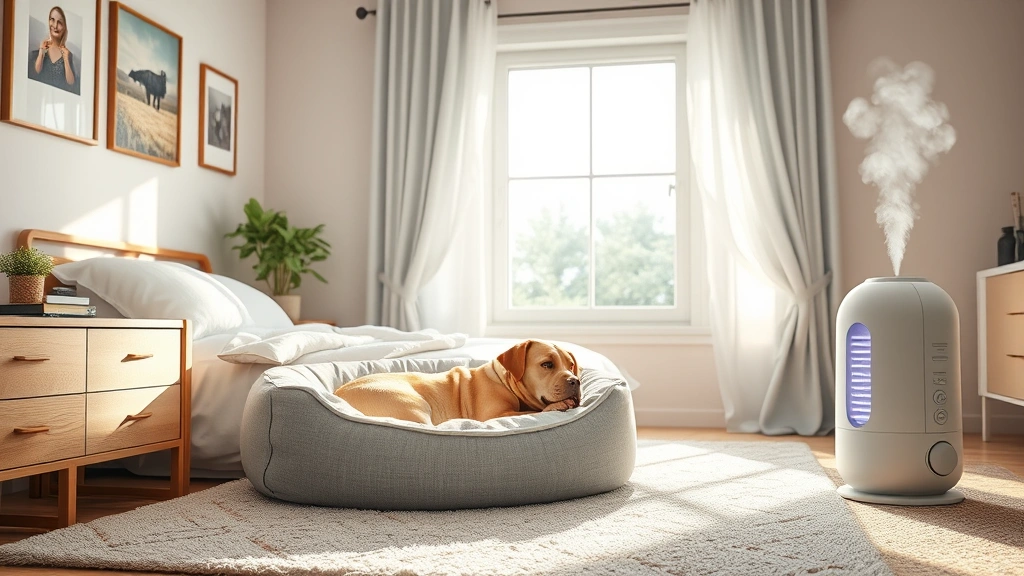
- Maintain humidity: A humidifier in your dog’s sleeping area helps loosen congestion naturally.
- Encourage hydration: Adequate water intake supports mucus production and overall health.
- Provide rest: Let your dog take it easy while they recover; strenuous play can worsen congestion.
- Keep the environment clean: Minimize dust, smoke, and strong odors that could further irritate nasal passages.
- Monitor eating: Offer aromatic foods if congestion is affecting appetite, or discuss alternatives with your vet.
- Avoid irritants: Skip perfumes, strong cleaners, and smoke around your congested pup.
Prevention Strategies for Future Congestion
While you can’t prevent every case of nasal congestion, smart strategies reduce the risk. Regular grooming removes allergens from your dog’s coat. Keeping vaccinations current helps prevent viral respiratory infections. If your dog has known allergies, working with your vet on a management plan—including possible dietary changes—prevents flare-ups.

Environmental control matters too. Air filters, regular home cleaning, and minimizing exposure to known irritants all help. For dogs with seasonal allergies, your vet might recommend starting preventive medications before allergy season arrives.
Frequently Asked Questions
Can I use human decongestants on my dog?
No—human medications can be dangerous for dogs and may contain ingredients toxic to them. Always use only medications prescribed or approved by your veterinarian.

How long does it take for nasal congestion medication to work?
Relief timelines vary depending on the cause and medication type. Some dogs feel better within hours, while others need several days. Your vet will set realistic expectations for your dog’s specific situation.
Is nasal congestion in dogs ever an emergency?
Most cases aren’t emergencies, but severe breathing difficulty, inability to eat, or bloody discharge warrant immediate veterinary care. When in doubt, contact your vet.

Can allergies cause chronic nasal congestion in dogs?
Yes—dogs with ongoing allergies may experience recurring or chronic congestion. Long-term management strategies, including dietary adjustments and environmental control, help minimize symptoms.
What’s the difference between nasal congestion and nasal discharge?
Congestion refers to swelling and stuffiness that blocks airflow, while discharge is fluid or mucus coming from the nose. Your dog may experience either or both, and both warrant veterinary evaluation.

What To Do Now
- Observe your dog closely: Note when congestion started, what it sounds like, and any other symptoms. This information helps your vet diagnose the cause.
- Schedule a veterinary appointment: Contact your regular vet or, if you need a quick assessment, consider a telehealth check-in with The Pet Vet. If you’re unsure whether your pet needs urgent care, a quick telehealth check-in can give you peace of mind—no appointment needed.
- Gather medical history: Have your dog’s vaccination records and any previous allergy or infection information ready to share with your vet.
- Create a comfortable recovery space: Set up a quiet area with a humidifier, fresh water, and your dog’s favorite bed while awaiting diagnosis and treatment.
- Avoid self-treatment: Resist the urge to give over-the-counter medications. Wait for your vet’s guidance to ensure safe, effective treatment.
Summary: Helping Your Dog Breathe Easy Again
Nasal congestion in dogs is treatable, and understanding the causes and available medications empowers you to help your pup feel better. Whether the culprit is allergies, infection, or inflammation, your veterinarian will recommend the right approach based on your dog’s individual needs. Most dogs recover well with appropriate treatment and supportive care at home.
Don’t hesitate to reach out to your vet if you’re worried—they’re there to help, and catching issues early leads to faster, smoother recoveries. Your attentive care and willingness to seek professional guidance make all the difference in your dog’s health and happiness.