
Noticing blood in your cat’s eye can be frightening, and if your feline friend is experiencing ocular hemorrhage in cats, you’re likely feeling worried right now. The good news? Catching this early puts you in a great position to help your cat recover.
Table of Contents
- What Is Ocular Hemorrhage in Cats?
- Common Causes of Eye Bleeding in Felines
- Recognizing the Signs Your Cat May Be Experiencing Eye Bleeding
- When to Seek Emergency Care
- Diagnostic Steps Your Veterinarian Will Take
- Treatment Options and Medication Approaches
- Home Care and Recovery Support
- Preventing Future Eye Bleeding Episodes
- When to Call Your Veterinarian Again
- Frequently Asked Questions
- What To Do Now
- Summary: Taking Action for Your Cat’s Eye Health
This article is for informational purposes only and is not a substitute for professional veterinary advice. Always consult a licensed veterinarian for diagnosis and treatment.
Ocular hemorrhage—bleeding inside or around the eye—can happen for several reasons, from minor trauma to underlying health conditions. Understanding what might be causing your cat’s bleeding eye and knowing when to seek help are the first steps toward getting your pet the care they need.
What Is Ocular Hemorrhage in Cats?
Ocular hemorrhage refers to bleeding that occurs in the eye’s anterior chamber (the space between the cornea and iris), the retina, or other eye structures. When blood fills these spaces, it can look like a red or dark discoloration in or around the white part of the eye.
This condition isn’t always an emergency on its own, but it’s always a sign that something needs attention. Your cat’s eye is delicate, and bleeding can interfere with vision and comfort.
Common Causes of Eye Bleeding in Felines
Several conditions can lead to ocular hemorrhage in cats. Understanding the potential causes helps you provide better context when you talk to your veterinarian.
Trauma or Injury: Fights with other animals, falls, or accidental eye pokes are common culprits. Even minor scratches can cause bleeding if blood vessels are damaged.
High Blood Pressure: Hypertension is surprisingly common in older cats and can cause bleeding in the eye. This often develops silently, making regular check-ups essential.
Bleeding Disorders: Conditions that affect your cat’s ability to clot blood—such as vitamin K deficiency or inherited clotting disorders—may present as eye bleeding. Pesticide poisoning in cats can also interfere with clotting function.
Infections or Inflammation: Uveitis (inflammation inside the eye) or anterior uveitis can cause bleeding as part of the inflammatory response. Feline leukemia virus (FeLV) and feline immunodeficiency virus (FIV) are systemic conditions that may contribute.
Tumors: Eye tumors, though less common, can bleed and cause visible hemorrhage. Early detection matters for treatment options.
Medication Side Effects: Certain medications, including some pain relievers, can increase bleeding risk. If your cat recently started a new medication, mention this to your vet.
Recognizing the Signs Your Cat May Be Experiencing Eye Bleeding
Your cat won’t tell you her eye hurts, so watch for these behavioral and physical signs:
- Visible blood or redness in the white of the eye
- Squinting or keeping the eye partially closed
- Excessive tearing or discharge
- Pawing at or rubbing the eye
- Sensitivity to light (staying in dark areas)
- Swelling around the eye
- Changes in pupil size or appearance
- Reluctance to open the affected eye
Catching these signs early puts you in a strong position to prevent complications. If you notice any of these, schedule a veterinary exam as soon as possible.
When to Seek Emergency Care
Not all eye bleeding requires emergency treatment, but certain situations demand urgent attention. If your cat shows severe pain, sudden vision loss, or the eye appears to be swelling rapidly, don’t wait for a regular appointment.
Additionally, if your cat has experienced obvious trauma (hit by a car, severe fight) or if bleeding is accompanied by other signs of illness like lethargy or loss of appetite, head to an emergency clinic right away.
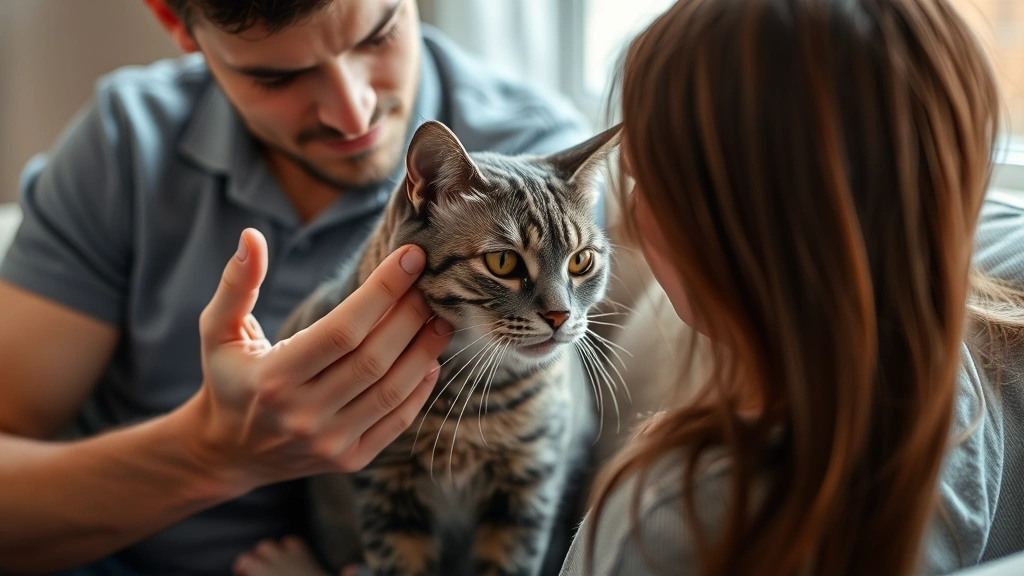
If you’re unsure whether your pet needs urgent care, a quick telehealth check-in can give you peace of mind—no appointment needed. Many vets can assess the situation and advise you on next steps within minutes.
Diagnostic Steps Your Veterinarian Will Take
Your vet will perform a thorough eye examination using specialized equipment. This typically includes:
- Visual inspection under magnification to assess the extent of bleeding
- Tonometry to measure eye pressure (important for detecting glaucoma)
- Fundoscopy to examine the back of the eye and retina
- Blood work to check for clotting disorders, infections, or systemic disease
- Blood pressure measurement to rule out hypertension
- Imaging (ultrasound or CT) if a tumor or deeper issue is suspected
These diagnostics help pinpoint the underlying cause, which guides treatment decisions.
Treatment Options and Medication Approaches
Treatment depends entirely on what’s causing the bleeding. Your veterinarian will tailor the approach to your cat’s specific situation.
For Trauma-Related Bleeding: Minor hemorrhages often resolve on their own with rest and monitoring. Your vet may recommend keeping your cat indoors and limiting activity to prevent re-injury. Anti-inflammatory medications may be prescribed to reduce swelling and discomfort.
For High Blood Pressure: If hypertension is the culprit, your cat may need blood pressure-lowering medications. Addressing this condition prevents future bleeding episodes and protects other organs like the kidneys and heart.
For Infections or Inflammation: Topical or systemic antibiotics may be needed if infection is present. Anti-inflammatory eye drops can soothe discomfort and reduce bleeding from inflamed tissues. Tear duct blockage in cats can sometimes accompany inflammation and may need separate attention.
For Clotting Disorders: If a bleeding disorder is identified, treatment may include vitamin supplements or management of underlying poisoning. Your vet will discuss specific options based on the diagnosis.
For Systemic Conditions: Cats with FeLV or FIV may require supportive care and medications to manage their overall health and reduce complications. A feline kidney support diet may be recommended if kidney function is affected.
Your veterinarian will explain why each medication is being recommended and what you should watch for while your cat is on treatment.
Home Care and Recovery Support
While your cat heals, you play an important role in supporting recovery. Here’s what you can do:
- Keep your cat indoors to prevent further injury and reduce stress
- Limit activity for the first week or two—no jumping, climbing, or rough play
- Apply prescribed eye drops or ointments exactly as directed, even if your cat resists (warm the bottle slightly to make it more comfortable)
- Avoid irritants like smoke, dust, or strong scents that could irritate the healing eye
- Monitor the eye daily for changes—take photos to track improvement
- Prevent scratching by keeping nails trimmed and considering a soft Elizabethan collar if your cat won’t stop pawing
- Attend follow-up appointments so your vet can track healing progress
Most cases of ocular hemorrhage in cats improve within 2–4 weeks with proper care. Your patience during this time makes a real difference.
Preventing Future Eye Bleeding Episodes
While you can’t prevent every accident, certain steps reduce your cat’s risk:
Manage Underlying Health Conditions: If your cat has high blood pressure or a clotting disorder, staying on top of medications and regular monitoring prevents complications. Understanding medication safety is also crucial—never give medications without veterinary guidance.
Create a Safe Indoor Environment: Minimize sharp objects, secure loose wires, and provide soft landing spots. Reduce stress, which can worsen some conditions.
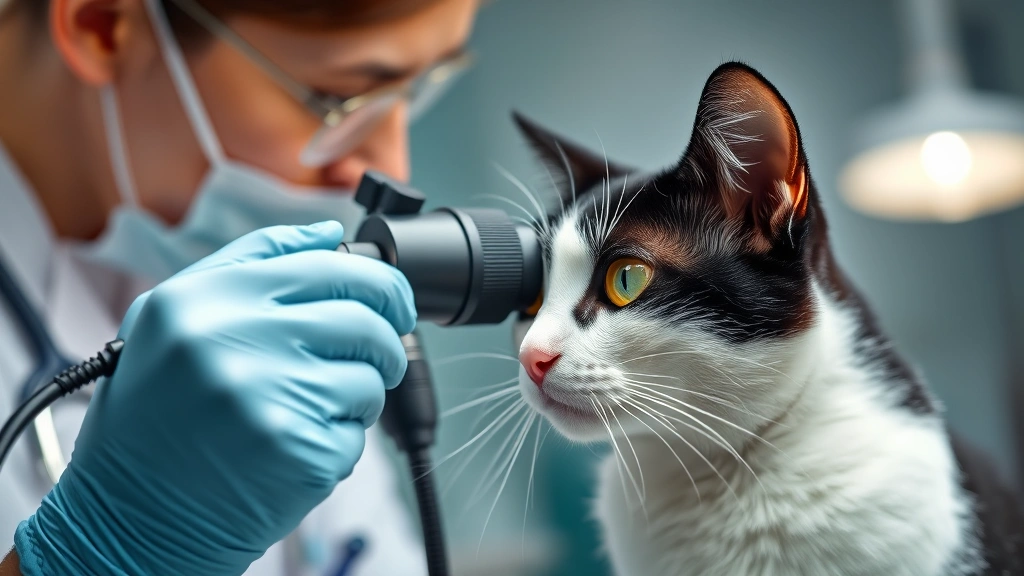
Regular Veterinary Check-ups: Annual exams catch blood pressure problems and other silent conditions before they cause bleeding. Older cats benefit from twice-yearly visits.
Keep Vaccinations Current: Protecting against FeLV and FIV reduces the risk of infections that could lead to eye problems.
Avoid Toxins: Keep pesticides, medications, and toxic plants away from your cat. Accidental poisoning can interfere with clotting.
When to Call Your Veterinarian Again
After your initial visit, contact your vet if you notice:
- Bleeding that worsens instead of improving
- New or worsening discharge from the eye
- Swelling that increases or spreads
- Signs of pain that don’t respond to prescribed medication
- Vision changes or your cat bumping into things
- Fever or signs of systemic illness
- Difficulty administering medication due to your cat’s discomfort
Your vet is your partner in your cat’s recovery. Don’t hesitate to reach out with concerns.
Frequently Asked Questions
Is ocular hemorrhage in cats always an emergency?
Not always, but it always warrants veterinary attention. Minor bleeding may resolve with rest and monitoring, while severe cases or those with sudden vision loss need urgent care.
Can my cat go blind from eye bleeding?
Vision loss depends on the severity and location of bleeding. Early treatment often prevents permanent damage, but untreated cases or those affecting the retina carry higher risk.
How long does it take for blood to clear from a cat’s eye?
Minor hemorrhages typically clear within 2–4 weeks. More severe bleeding may take longer, and some cases require ongoing treatment to address the underlying cause.
What medications are safe for cats with eye bleeding?
This depends on the underlying cause. Your veterinarian will choose medications that address the root issue—whether that’s inflammation, infection, or high blood pressure—while being safe for your cat’s eyes.
Can diet help with ocular hemorrhage recovery?
A balanced diet supports overall health and healing. If your cat has underlying kidney disease or other systemic issues, a specialized diet may be recommended as part of comprehensive care.
What To Do Now
If your cat is showing signs of eye bleeding, here are your next steps:
- Schedule a veterinary appointment today. Call your regular vet or an emergency clinic if symptoms are severe or your regular vet isn’t available.
- Document what you’re seeing. Take clear photos of the affected eye and note when the bleeding started, any injuries, and other symptoms your cat is showing.
- Keep your cat calm and indoors. Restrict activity and prevent further injury while you await your appointment.
- Prepare a list of questions. Ask about the cause, expected recovery time, and what you should monitor at home.
- If you’re unsure about urgency, reach out to a telehealth vet. A quick consultation can clarify whether your cat needs emergency care or can wait for a regular appointment.
Summary: Taking Action for Your Cat’s Eye Health
Ocular hemorrhage in cats can be frightening, but with prompt veterinary care and proper home support, most cats recover well. The key is recognizing the signs early, getting a diagnosis, and following your vet’s treatment plan closely.
Whether the bleeding is caused by trauma, high blood pressure, an infection, or another condition, your cat’s recovery depends on addressing the root cause—not just the bleeding itself. This is why a thorough veterinary exam is so important.
Remember, you’re not alone in this. Your veterinarian is there to guide you through each step, and resources like telehealth consultations can provide quick reassurance when you need it. Your attentiveness and care give your cat the best chance for a full recovery and a healthy future.