
If your cat is hiding more than usual, refusing to eat, or displaying destructive behavior, you might be wondering if an online vet for cat anxiety could help—and the good news is that telehealth has made getting professional guidance easier than ever. Cat anxiety is more common than many pet owners realize, and it can significantly impact your feline friend’s quality of life.
Table of Contents
- Understanding Cat Anxiety: Why It Matters
- Why Telehealth Works for Cat Anxiety Concerns
- Common Signs Your Cat May Be Experiencing Anxiety
- How Online Vets Diagnose and Assess Cat Anxiety
- Medication Options for Feline Anxiety: What Vets Consider
- Natural and Behavioral Approaches to Support Your Anxious Cat
- What to Expect During Your Online Vet Appointment
- Choosing the Right Online Vet Platform for Your Cat’s Needs
- Monitoring Your Cat’s Progress and Adjusting Treatment
- When to Seek Urgent Care vs. Telehealth
- Frequently Asked Questions
- What To Do Now
- Summary: Getting Help for Your Anxious Cat Has Never Been Easier
This article is for informational purposes only and is not a substitute for professional veterinary advice. Always consult a licensed veterinarian for diagnosis and treatment.
The challenge is that anxiety in cats often looks different from what we expect. Your cat might not pace or whine like a nervous dog; instead, she might become withdrawn, stop grooming, or develop stress-related health issues. The silver lining? Catching this early puts you in a great position to help your cat feel calmer and more secure.
Understanding Cat Anxiety: Why It Matters
Cat anxiety isn’t just behavioral—it’s a genuine medical concern that affects your pet’s physical and mental health. Anxiety can stem from environmental changes, past trauma, genetic predisposition, or even underlying medical conditions. When left unaddressed, it can lead to destructive scratching, inappropriate elimination, and weakened immunity.
Many cat owners don’t realize that what looks like “bad behavior” is actually a sign of distress. Your cat isn’t being difficult; she’s communicating that something feels wrong. Understanding this shift in perspective is the first step toward compassionate, effective treatment.
Why Telehealth Works for Cat Anxiety Concerns
An online vet consultation for cat anxiety offers unique advantages over traditional office visits. For anxious cats, the stress of traveling to a clinic can actually worsen their condition. Telehealth allows your vet to observe your cat in her familiar, safe environment—where her anxiety symptoms are most likely to show.
Additionally, telehealth appointments are typically more flexible and affordable. You can discuss medication options, behavioral strategies, and environmental modifications without the added stress of car rides and waiting rooms. If you are unsure whether your pet needs urgent care, a quick telehealth check-in can give you peace of mind — no appointment needed.
Common Signs Your Cat May Be Experiencing Anxiety
Recognizing anxiety in cats is the first step toward getting help. Here are the most common signs:
- Excessive hiding – Spending most of the day in closets, under beds, or dark corners
- Loss of appetite – Refusing meals or eating significantly less than usual
- Over-grooming or hair loss – Licking excessively to self-soothe, resulting in bald patches
- Destructive behavior – Scratching furniture, walls, or carpeting more aggressively than normal
- Litter box issues – Urinating or defecating outside the box, even if it’s clean
- Excessive vocalization – Meowing, yowling, or crying more than usual
- Aggression or irritability – Swatting, biting, or hissing when normally friendly
- Dilated pupils and tense posture – Physical signs of stress and alertness
If your cat is showing several of these signs, reaching out to an online vet about cat anxiety can help you understand what’s happening and explore treatment options tailored to her needs.
How Online Vets Diagnose and Assess Cat Anxiety
During a telehealth appointment, your vet will ask detailed questions about your cat’s history, triggers, and daily behavior patterns. They may ask about recent changes in your home, your cat’s medical history, and how long the anxiety symptoms have been present.
Your vet might also recommend ruling out underlying medical conditions—sometimes what looks like anxiety is actually a thyroid disorder, urinary tract infection, or pain-related issue. This is why a professional assessment is so valuable, even in a virtual setting.
Medication Options for Feline Anxiety: What Vets Consider
When it comes to treating cat anxiety, medications can be a helpful tool alongside behavioral and environmental modifications. Your online vet may discuss several approaches depending on your cat’s specific situation and severity of symptoms.
Short-acting anti-anxiety medications are sometimes used for specific stressful events, like vet visits or travel. These may be prescribed for situational anxiety rather than ongoing use.
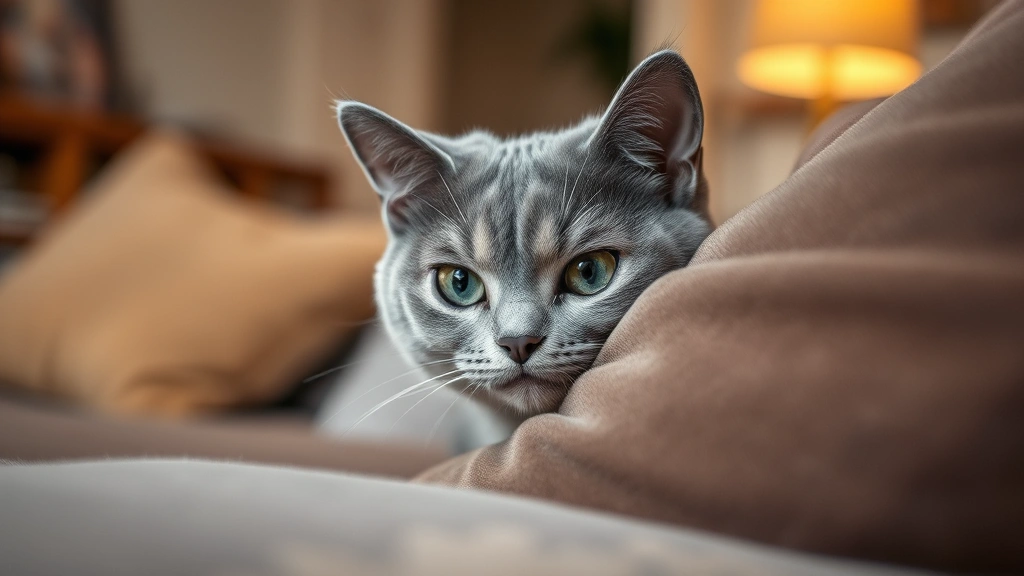
Selective serotonin reuptake inhibitors (SSRIs) are a class of medications that some vets consider for chronic anxiety in cats. These work by balancing neurotransmitters in the brain. Your vet will discuss whether this might be appropriate for your cat’s situation, how long treatment might take, and what to monitor for.
Other pharmaceutical approaches your vet might mention include medications that promote relaxation or address specific anxiety-related behaviors. Each option has different considerations regarding how your cat responds and how long treatment typically lasts.
It’s important to note that medications work best when combined with environmental enrichment, behavioral support, and sometimes pheromone products. Your online vet can create a comprehensive plan tailored to your cat’s needs.
Natural and Behavioral Approaches to Support Your Anxious Cat
Medication isn’t always the first or only answer. Many cats benefit significantly from environmental and behavioral modifications that reduce stress triggers.
Environmental enrichment is crucial for anxious cats:
- Provide vertical spaces like cat trees and wall-mounted shelves where your cat can retreat and observe
- Use window perches so your cat can safely watch outdoor activity
- Create multiple litter boxes, food bowls, and water stations in different areas
- Maintain a consistent daily routine to reduce unpredictability
- Use pheromone diffusers (like Feliway) that mimic calming natural cat pheromones
Behavioral strategies that work well for anxious cats include interactive play sessions, puzzle feeders, and quiet spaces where your cat can decompress. Some cats respond beautifully to these changes alone, while others benefit from a combination approach.
When you talk to a vet about cat behavior problems through telehealth, they can help you identify which strategies are most likely to help your specific cat.
What to Expect During Your Online Vet Appointment
Scheduling an online vet consultation for cat anxiety is straightforward. You’ll typically need to:
- Book an appointment at a time that works for you
- Prepare a quiet space where you and your cat can talk with the vet
- Have your cat’s medical history and any notes about her anxiety symptoms ready
- Be prepared to show your cat on camera so the vet can observe her body language and behavior
The vet will review your cat’s situation, ask clarifying questions, and discuss potential next steps. This might include a medication recommendation, a referral for further evaluation, or a detailed behavioral plan. Some vets may also recommend follow-up appointments to monitor progress.
Choosing the Right Online Vet Platform for Your Cat’s Needs
Not all telehealth platforms are created equal. When looking for an online vet for cat anxiety, consider these factors:
- Veterinarian credentials – Ensure the vet is licensed and ideally has experience with behavioral issues
- Availability – Look for platforms with flexible scheduling that works with your timeline
- Technology quality – A clear video connection is essential for the vet to properly assess your cat
- Follow-up support – Some platforms offer follow-up messages or adjustments to treatment plans
- Prescription capabilities – Confirm they can prescribe medications if needed and send them to your local pharmacy
The Pet Vet, for example, connects you with licensed veterinarians who specialize in telehealth consultations and can address behavioral concerns like cat anxiety conveniently from your home.
Monitoring Your Cat’s Progress and Adjusting Treatment
Once you’ve started working with an online vet and potentially begun treatment, monitoring your cat’s response is essential. Keep notes on behavioral changes, appetite, litter box habits, and overall demeanor.
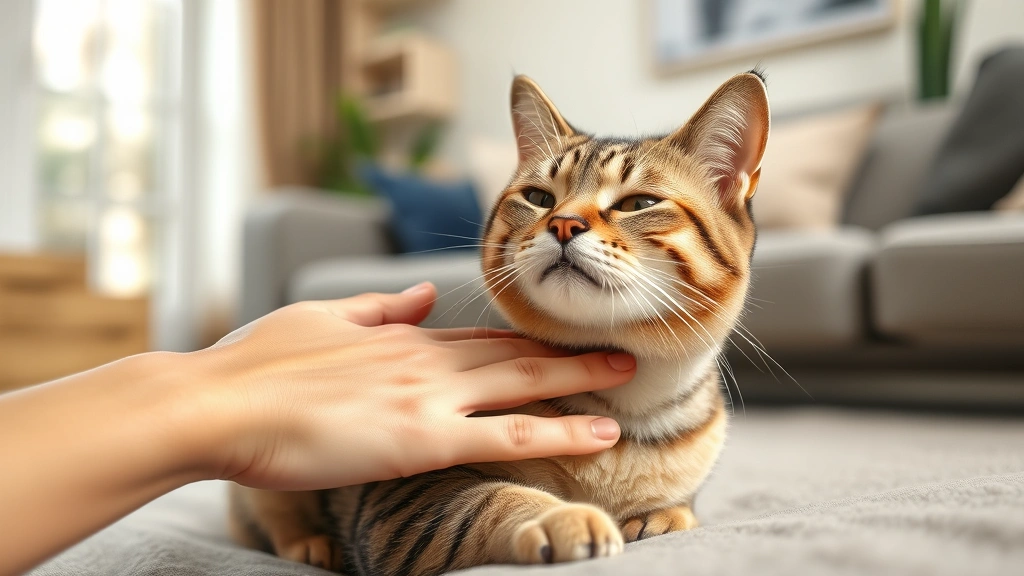
Some cats show improvement within days, while others take weeks to respond. Your vet will want to know about any changes—positive or concerning. If a particular approach isn’t working, your telehealth vet can adjust the plan without requiring an in-person visit.
Regular check-ins, whether through follow-up appointments or message-based updates, help ensure your cat is getting the best possible care. This ongoing communication is one of the biggest advantages of telehealth for managing chronic conditions like anxiety.
When to Seek Urgent Care vs. Telehealth
While telehealth is excellent for managing cat anxiety, some situations require immediate in-person evaluation. If your cat is:
- Refusing food for more than 24 hours
- Showing signs of physical injury or illness
- Unable to use the litter box or straining significantly
- Displaying extreme aggression or self-harm
…then an emergency vet visit may be necessary. Telehealth is a wonderful tool for ongoing management and initial consultations, but it doesn’t replace emergency care when your cat’s safety is at risk.
Frequently Asked Questions
Can an online vet prescribe anxiety medication for my cat?
Yes, licensed online vets can typically prescribe medications if they determine it’s appropriate for your cat’s situation. The prescription can usually be sent directly to your pharmacy for pickup.
How long does it take for cat anxiety medication to work?
This varies depending on the medication and your individual cat. Some cats show improvement within days, while others may take 2-4 weeks to respond. Your vet will discuss realistic timelines during your consultation.
Is telehealth appropriate for first-time anxiety diagnosis?
Absolutely. A telehealth vet can conduct a thorough assessment, rule out medical causes, and develop a treatment plan—all without requiring an office visit. It’s often a great starting point.
What if my cat won’t cooperate during a telehealth appointment?
If your cat is hiding or uncooperative, let your vet know. They can work with you on observations you’ve made and may ask you to show them specific areas of your home or behaviors you’ve noticed. Many anxious cats are less stressed in their own environment.
Can behavioral changes alone help my cat’s anxiety?
For many cats, environmental enrichment and behavioral strategies can significantly reduce anxiety without medication. Your online vet will help you determine if your cat might benefit from medication, behavioral changes alone, or a combination approach.
What To Do Now
Ready to help your anxious cat feel better? Here are your next steps:
- Document your cat’s anxiety symptoms – Write down when they occur, what triggers them, and how long they last. This information is invaluable for your online vet consultation.
- Schedule a telehealth appointment – Reach out to The Pet Vet or another trusted online veterinary platform to book a consultation about your cat’s anxiety. Having this conversation with a professional is the first step toward a solution.
- Start environmental modifications – While waiting for your appointment, begin implementing calming strategies like pheromone diffusers, vertical spaces, and a consistent routine. These changes can help your cat feel safer immediately.
- Gather your cat’s medical records – Have any previous vet visits, medical history, and current medications ready for your telehealth appointment. This helps your vet get the full picture.
- Prepare questions about your cat’s specific situation – Think about what concerns you most and what outcomes you’re hoping for. This ensures you get the most helpful guidance during your consultation.
Summary: Getting Help for Your Anxious Cat Has Never Been Easier
Cat anxiety is treatable, and consulting an online vet for cat anxiety is one of the most convenient ways to get professional guidance. Whether your cat needs medication, behavioral support, environmental changes, or a combination of approaches, a telehealth vet can help you create a personalized plan.
The fact that you’re researching this means you care deeply about your cat’s wellbeing. That compassion, combined with professional veterinary support, is exactly what anxious cats need to thrive. Take that first step today—your cat will thank you for it.
For more insights on cat behavior and health concerns, explore how you can talk to a vet about cat behavior problems or learn about talking to a vet about cat breathing fast online through telehealth platforms.