
When your cat starts acting out of character—whether it’s aggressive swatting, excessive meowing, or sudden litter box avoidance—it’s natural to feel worried and unsure what to do next. An online vet for cat behavior problems can provide fast, professional guidance without the stress of traveling to a clinic, helping you understand what’s really going on with your furry friend.
Table of Contents
- Why Cat Behavior Changes Deserve Professional Attention
- Common Cat Behavior Problems That Warrant Online Vet Consultation
- How Telehealth Veterinarians Assess Feline Behavior
- Understanding Medication Options for Feline Behavior
- Environmental and Behavioral Modifications Matter Most
- The Advantage of Telehealth for Behavior Consultations
- When to Seek Immediate Help for Aggressive Behavior
- Combining Online Vet Guidance With Professional Behavior Training
- What To Expect: Your First Online Vet Consultation
- Cost and Accessibility Considerations
- Real-World Success: How Online Vets Help Cat Owners
- Frequently Asked Questions
- Summary: Taking the Next Step With Telehealth
- What To Do Now
This article is for informational purposes only and is not a substitute for professional veterinary advice. Always consult a licensed veterinarian for diagnosis and treatment.
Why Cat Behavior Changes Deserve Professional Attention
Cats don’t misbehave for no reason. Sudden changes in behavior often signal underlying medical issues, stress, or environmental factors that need expert evaluation. A veterinarian trained in feline behavior can distinguish between medical causes and behavioral ones, which is crucial for getting your cat the right help.
Many pet owners assume their cat is simply being difficult when the real culprit might be pain, anxiety, or a health condition. Getting clarity early makes all the difference in your cat’s quality of life and your peace of mind.
Common Cat Behavior Problems That Warrant Online Vet Consultation
Several behavioral issues benefit from professional veterinary input. Here are the most common ones:
- Inappropriate elimination: Urinating or defecating outside the litter box
- Aggression: Biting, scratching, or hissing at family members or other pets
- Excessive vocalization: Constant meowing, yowling, or crying
- Destructive behavior: Scratching furniture, knocking items over, or damaging household items
- Anxiety-related behaviors: Hiding, trembling, or compulsive grooming
- Hyperactivity: Sudden bursts of frantic energy or pouncing
If your cat is displaying any of these signs, consulting with an online vet can help you rule out medical causes and develop a behavior management plan tailored to your cat’s needs. Catching these issues early puts you in a great position to help.
How Telehealth Veterinarians Assess Feline Behavior
During an online consultation, your vet will ask detailed questions about your cat’s history, daily routine, diet, and the specific behaviors you’re observing. They may ask you to describe the timeline of changes, any recent stressors, and how your cat interacts with family members and other pets.
Many vets will request video clips of the behavior in question, which helps them observe your cat’s body language and reactions firsthand. This visual information is invaluable for accurate assessment, even through a screen.
Your vet might also recommend a physical examination at a local clinic to rule out underlying medical conditions before pursuing behavioral interventions. This hybrid approach combines the convenience of telehealth with thorough medical evaluation.
Understanding Medication Options for Feline Behavior
When behavioral issues have a medical or anxiety component, your vet may discuss medication as part of a comprehensive treatment plan. It’s important to understand that medications are typically used alongside environmental modifications and behavioral training, not as a standalone solution.
Medications for cat behavior problems work by helping reduce anxiety, aggression, or compulsive behaviors. Your veterinarian will explain how any recommended medication works, what to expect, and how long treatment typically lasts. They’ll also discuss potential side effects and monitoring requirements.
Never adjust medication dosages or stop treatment without consulting your vet, even if you see improvement. Your veterinarian will guide you on the appropriate duration and any gradual adjustments needed.
Environmental and Behavioral Modifications Matter Most
Medication is only part of the solution. Environmental enrichment and behavioral strategies are equally—if not more—important for long-term success. Your online vet can recommend specific changes tailored to your cat’s needs.

Consider these common modifications:
- Providing vertical spaces (cat trees, shelves) for security and exercise
- Creating a predictable daily routine to reduce anxiety
- Using pheromone diffusers to create a calming environment
- Offering multiple litter boxes in different locations
- Increasing interactive play sessions to burn energy
- Ensuring adequate hiding spots and quiet zones
Your vet can help you prioritize which changes will have the biggest impact on your specific cat’s behavior.
The Advantage of Telehealth for Behavior Consultations
Telehealth offers unique benefits for behavior problems specifically. Your cat stays in their familiar home environment, which means they’re less stressed during the consultation. This can actually provide your vet with more accurate insights into your cat’s typical behavior.
Additionally, you can schedule appointments at times that work for your schedule without the travel time and expense of an in-clinic visit. If you are unsure whether your pet needs urgent care, a quick telehealth check-in can give you peace of mind — no appointment needed.
For ongoing behavior management, follow-up telehealth appointments allow your vet to monitor progress and adjust recommendations without the hassle of repeated clinic visits.
When to Seek Immediate Help for Aggressive Behavior
While most behavior problems can be addressed through telehealth, certain situations warrant urgent attention. If your cat is showing signs of severe aggression toward family members, other pets, or themselves, contact your vet immediately or seek emergency care.
Severe aggression could indicate pain, neurological issues, or acute stress requiring prompt medical evaluation. Your vet can help you determine whether the situation is urgent or can be managed through a scheduled telehealth appointment.
Combining Online Vet Guidance With Professional Behavior Training
Your online veterinarian can work alongside professional cat behaviorists or trainers for comprehensive care. While vets focus on medical and pharmaceutical aspects, certified animal behaviorists specialize in training and environmental strategies.
Your vet can recommend qualified behaviorists in your area and share their assessment with them, creating a coordinated care plan. This collaborative approach often yields the best results for complex behavior issues.
What To Expect: Your First Online Vet Consultation
Scheduling your first telehealth appointment is straightforward. Here’s what typically happens:
- Complete your cat’s health history: You’ll fill out a detailed form about your cat’s age, medical history, current medications, and the specific behavior concerns.
- Prepare video or photos: If possible, have clips or images of the behavior you’re concerned about ready to share with your vet.
- Choose a quiet space: Find a calm area for your video call where your cat can be visible if needed and you can hear your vet clearly.
- Have your cat’s records available: Keep any recent lab work or vaccination records handy in case your vet needs them.
- Take notes: Write down your vet’s recommendations, any medications discussed, and follow-up instructions during the call.
Cost and Accessibility Considerations
Telehealth veterinary consultations for behavior problems are often more affordable than traditional clinic visits, with no travel costs or time away from work. Many pet owners find the convenience and lower price point make professional guidance more accessible.
Most telehealth platforms offer transparent pricing upfront, so you’ll know the cost before scheduling. Some practices offer package deals for multiple consultations, which can be helpful if your cat needs ongoing behavior support.
Real-World Success: How Online Vets Help Cat Owners
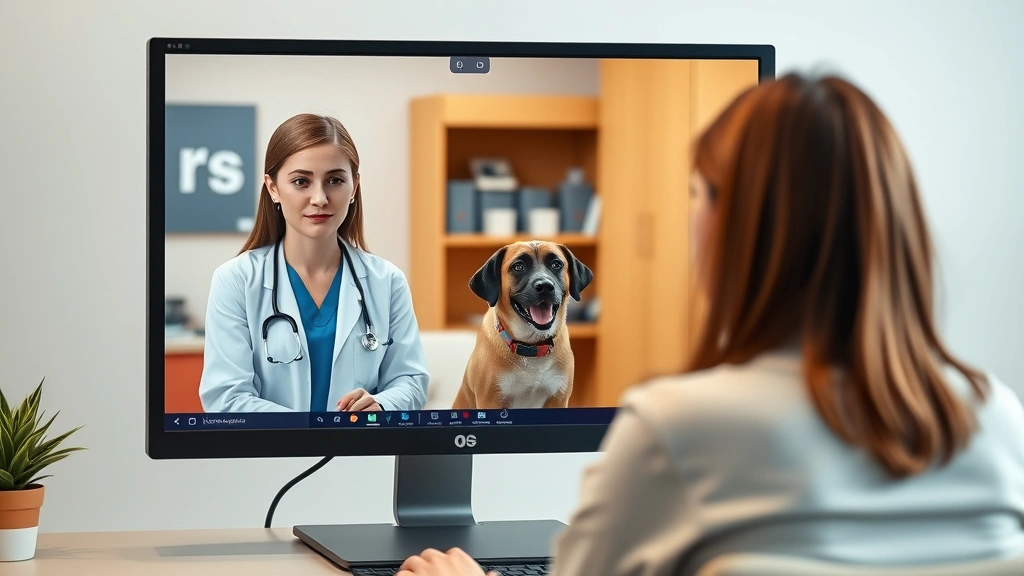
Many cat owners have found relief through telehealth behavior consultations. One owner discovered her cat’s aggression was linked to undiagnosed pain, which was addressed through targeted treatment. Another found that simple environmental changes recommended by their online vet eliminated litter box issues entirely.
The key is that professional guidance—whether delivered in-clinic or online—helps you avoid guesswork and implement evidence-based strategies quickly. Your cat benefits from faster intervention, and you get peace of mind knowing you’re on the right track.
Frequently Asked Questions
Can an online vet diagnose the cause of my cat’s behavior problems?
Yes, online vets can conduct thorough assessments and often identify behavioral causes. However, if medical issues are suspected, they may recommend an in-person physical examination to rule out underlying health conditions.
Will my cat need medication for behavior problems?
Not necessarily. Many behavior issues respond well to environmental changes and behavioral training alone. Your vet will determine whether medication is appropriate based on your cat’s specific situation.
How quickly can I get an online vet appointment for my cat?
Most telehealth platforms offer same-day or next-day appointments for non-emergency concerns. Emergency situations may require immediate phone consultation or direction to emergency care.
Is telehealth as effective as in-person vet visits for behavior problems?
For initial assessment and guidance, telehealth is highly effective. Your vet has access to your cat’s history and can observe behavior through video. Follow-up in-person exams may be recommended to rule out medical causes.
Can I ask my online vet about kitten anxiety specifically?
Absolutely. Young cats often experience anxiety, and your online vet can provide age-appropriate strategies and interventions. Learn more about discussing kitten anxiety with an online vet.
Summary: Taking the Next Step With Telehealth
Cat behavior problems are stressful, but they’re also solvable with the right professional guidance. An online vet for cat behavior problems offers convenient, affordable access to expert advice without leaving your home. Whether your cat is showing signs of anxiety, aggression, or litter box issues, a telehealth consultation can help you understand what’s happening and develop an effective action plan.
The combination of professional assessment, environmental modifications, and—if needed—medication creates a comprehensive approach to improving your cat’s behavior and your household’s harmony. Your cat’s wellbeing is worth the investment in expert guidance.
What To Do Now
- Document your cat’s behavior: Write down when the behavior occurs, what triggers it, and how long it lasts. This information is invaluable for your vet’s assessment.
- Schedule a telehealth consultation: Contact The Pet Vet or another telehealth platform to book your appointment at a time that works for you.
- Gather your cat’s medical records: Have vaccination records, any previous lab work, and current medication information ready to share with your vet.
- Research environmental enrichment: While waiting for your appointment, explore cat enrichment options like climbing structures, puzzle feeders, and interactive toys that may help.
- Prepare video evidence: If possible, record a short clip of the concerning behavior to share during your consultation for better assessment.
Remember, seeking professional help is a sign of being a caring, responsible cat owner. Your vet is here to support you and your feline friend every step of the way.