
When your cat stops eating, it’s natural to feel worried—and reaching out to an online vet for cat not eating can be one of the smartest first steps you take. Loss of appetite in cats isn’t something to ignore, and the good news is that you don’t have to wait days for an in-person appointment to get professional guidance.
Table of Contents
- Why Your Cat May Stop Eating
- When to Seek Help From an Online Vet
- The 7 Proven Solutions to Encourage Eating
- Red Flags That Require Immediate Attention
- How Telehealth Makes a Difference for Worried Pet Owners
- What to Expect During an Online Vet Consultation
- Nutrition Tips While You Wait for Professional Guidance
- Prevention: Keeping Your Cat’s Appetite Healthy
- Frequently Asked Questions
- What To Do Now
- Summary
This article is for informational purposes only and is not a substitute for professional veterinary advice. Always consult a licensed veterinarian for diagnosis and treatment.
Your cat’s eating habits are a window into their overall health. When they suddenly refuse food or eat much less than usual, it signals that something needs attention—whether that’s a minor digestive upset or something more serious. The sooner you connect with a vet, the sooner you can help your furry friend feel better.
Why Your Cat May Stop Eating
Cats stop eating for many reasons, and understanding the underlying cause is the first step toward solutions. Some causes are straightforward, while others require professional investigation to pinpoint.
Stress and environmental changes rank high on the list. A new pet in the home, moving to a new house, or even rearranging furniture can trigger appetite loss in sensitive cats. These situations are usually temporary, but they still deserve attention.
Dental problems are another common culprit. If your cat has a broken tooth, gum disease, or mouth pain, they may avoid eating because chewing hurts. This is especially true for older cats, whose dental health can decline over time.
Digestive issues like gastritis in cats or gastroparesis in cats can also cause appetite loss. These conditions affect how your cat’s stomach and digestive system function, making eating uncomfortable or unpleasant.
Catching appetite loss early puts you in a great position to help. Many causes are treatable, especially when addressed promptly.
When to Seek Help From an Online Vet
Not every instance of reduced eating requires emergency care, but knowing when to reach out makes all the difference. If your cat hasn’t eaten for more than 12 hours, or if appetite loss is paired with vomiting, lethargy, or diarrhea, professional guidance is important.
An online vet consultation about cat not eating is perfect for situations where you’re unsure whether your cat needs urgent care. A quick telehealth check-in can give you peace of mind—no appointment needed, and you can connect from home while your cat is calm and comfortable.
If your cat shows signs of severe dehydration, difficulty breathing, or extreme lethargy alongside not eating, seek emergency veterinary care immediately rather than waiting for a telehealth appointment.
The 7 Proven Solutions to Encourage Eating
1. Warm Up the Food
Cold food has less aroma, and cats rely heavily on smell to decide whether food is worth eating. Warming your cat’s food to room temperature or slightly warmer releases more scent compounds, making it more appealing.
Simply heat canned food in warm water for a few minutes, or let refrigerated food sit out for 15 minutes before serving. This small change often works surprisingly well, especially for cats recovering from illness.
2. Switch to a Different Food Texture
Some cats prefer wet food, while others like pâté or chunky varieties. If your cat is refusing their usual food, try a different texture or brand—but introduce it gradually to avoid digestive upset.
High-quality, protein-rich foods are often more enticing. Cats are obligate carnivores, so they naturally prefer meals with strong meat flavors and aromas.
3. Create a Calm Eating Environment
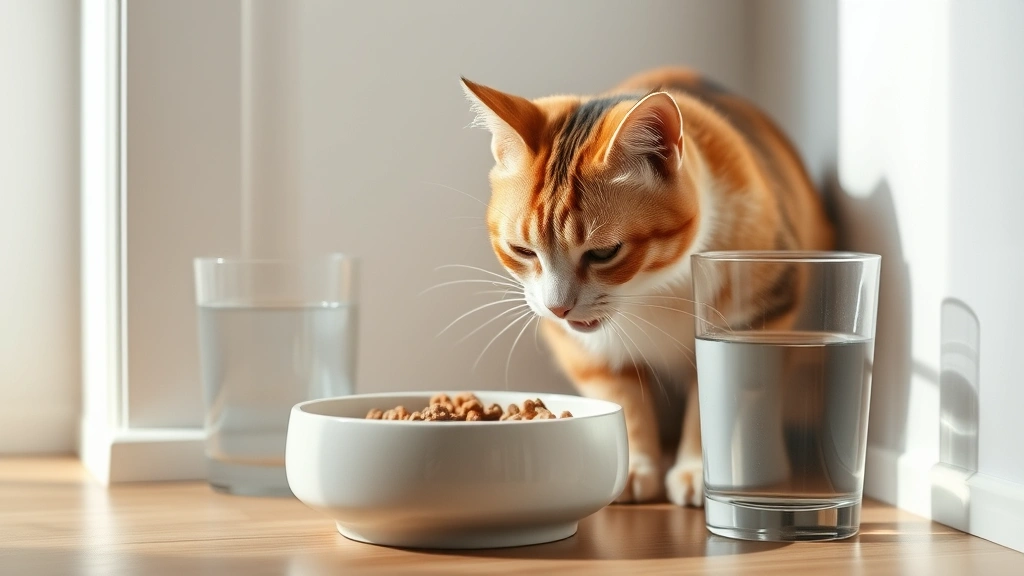
Stress and noise can suppress appetite. Place your cat’s food bowl in a quiet, low-traffic area away from the litter box and water bowl. Some cats also prefer eating alone, without other pets nearby.
A calm space signals to your cat that mealtime is safe and relaxing, which can encourage them to eat more consistently.
4. Offer Smaller, More Frequent Meals
Instead of leaving food out all day or offering one large meal, try serving smaller portions four to five times daily. This approach can feel less overwhelming for cats with reduced appetite.
Smaller meals also help you monitor exactly how much your cat is eating, which is valuable information to share with your vet.
5. Try Appetite-Stimulating Foods
Certain foods are naturally more appealing to cats. Cooked chicken, turkey, or fish (without seasoning or bones) can tempt even picky eaters. Bone broth made for cats is another option that adds moisture and flavor.
Always introduce new foods slowly and check with your vet before making major dietary changes, especially if your cat has underlying health conditions.
6. Address Underlying Dental or Digestive Issues
If your cat has dental pain or vomiting alongside appetite loss, these issues must be addressed for eating to resume. Your vet may recommend dental cleaning, antibiotics, or dietary modifications.
For cats with digestive sensitivities, prescription or limited-ingredient diets can make a real difference in appetite and comfort.
7. Use Telehealth for Personalized Guidance
An online vet appointment allows you to discuss your cat’s specific situation with a licensed veterinarian. They can review your cat’s history, ask targeted questions, and recommend solutions tailored to your pet’s needs.
Telehealth is especially helpful when you’re trying different approaches and need professional feedback on what’s working and what isn’t.
Red Flags That Require Immediate Attention
While many cases of reduced appetite resolve with simple changes, some signs warrant urgent care. If your cat shows any of these symptoms alongside not eating, contact a vet immediately:
- Repeated vomiting or retching
- Severe lethargy or unresponsiveness
- Difficulty breathing or rapid breathing
- Abdominal pain or distension
- Inability to urinate or defecate
- Signs of dehydration (dry gums, sunken eyes)
- Jaundiced appearance (yellow tint to eyes or gums)
These symptoms could indicate serious conditions that need immediate veterinary evaluation. Don’t delay seeking help if you notice any of these signs.
How Telehealth Makes a Difference for Worried Pet Owners
Telehealth removes barriers to getting veterinary advice. You don’t need to schedule weeks in advance, load a stressed cat into a carrier, or spend time traveling to a clinic. Instead, you can connect with a vet from your couch, on your schedule.
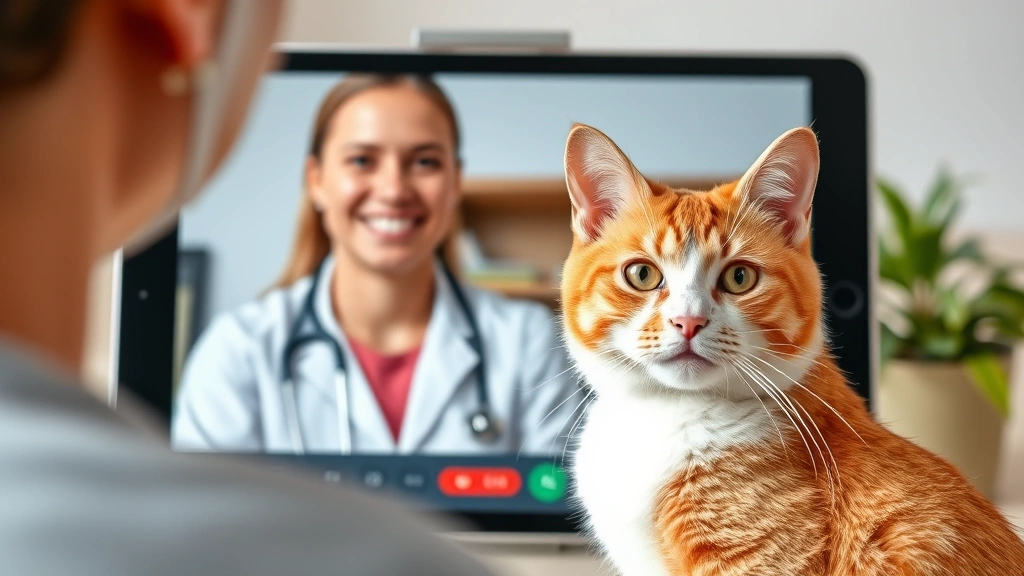
For cat owners concerned about their pet’s appetite, this convenience is invaluable. You can describe symptoms in real time, show the vet your cat’s food, and get immediate recommendations—all without the stress of a vet visit that might further suppress your cat’s appetite.
Many cats feel calmer at home, which means they’re more likely to show their normal behavior during a telehealth consultation. Your vet can observe your cat’s demeanor and ask you detailed questions about eating patterns, bathroom habits, and energy levels.
What to Expect During an Online Vet Consultation
When you schedule a telehealth appointment about your cat’s appetite, here’s what typically happens:
- You’ll answer questions about when the appetite loss started, any recent changes in your cat’s environment, and any other symptoms
- The vet will ask about your cat’s medical history, current diet, and any medications
- You may be asked to show the vet your cat on video so they can assess their overall appearance and behavior
- The vet will discuss possible causes and recommend next steps, which might include dietary changes, monitoring, or in-person diagnostics
- You’ll receive a summary of recommendations and guidance on when to follow up
The entire process usually takes 15–30 minutes, depending on the complexity of your cat’s situation.
Nutrition Tips While You Wait for Professional Guidance
If you’re waiting for a vet appointment and your cat is eating very little, focus on maintaining hydration and comfort. Offer fresh water frequently, and consider wet food, which has higher moisture content than dry kibble.
Avoid making sudden, drastic diet changes, as these can worsen digestive upset. Instead, make gradual transitions if you’re switching foods, mixing the new food with the old over 7–10 days.
Keep a simple log of what and how much your cat eats, along with any other symptoms. This information is incredibly helpful for your vet to review during a consultation.
Prevention: Keeping Your Cat’s Appetite Healthy
Once your cat’s appetite returns to normal, focus on maintaining good eating habits. Regular vet check-ups catch dental disease and other health issues early, before they affect appetite.
Provide a consistent routine with regular mealtimes, a calm eating environment, and high-quality nutrition. Stress reduction through enrichment, play, and a stable home environment also supports healthy appetite.
Monitor your cat’s eating habits regularly so you notice changes quickly. Knowing your cat’s baseline makes it easier to spot problems early.
Frequently Asked Questions
Can an online vet diagnose why my cat isn’t eating?
An online vet can gather information and make educated assessments, but some causes may require in-person exams or lab work. Telehealth is excellent for initial evaluation and guidance on whether further diagnostics are needed.
How long can a cat safely go without eating?
Cats should not go more than 24–48 hours without eating. Beyond this timeframe, serious complications can develop, including hepatic lipidosis (fatty liver disease). Contact a vet if your cat hasn’t eaten for more than 12 hours.
Is appetite loss in cats always serious?
Not always. Stress, minor digestive upset, or food preferences can cause temporary appetite loss. However, any significant or prolonged loss of appetite warrants professional evaluation to rule out underlying health issues.
What should I do if my cat refuses all food?
If your cat refuses all food for more than a few hours, reach out to a vet immediately. They can rule out serious conditions and recommend appetite stimulation techniques or dietary adjustments.
Can I treat my cat’s appetite loss at home without seeing a vet?
You can try home remedies like warming food or changing textures, but professional guidance is important if appetite loss persists. An online vet consultation can help you determine whether home care is sufficient or if further evaluation is needed.
What To Do Now
- Document your cat’s eating habits: Note when the appetite loss started, how much your cat is eating, and any other symptoms like vomiting or lethargy. This information is crucial for your vet.
- Schedule an online vet consultation: Connect with a licensed veterinarian through telehealth to discuss your cat’s symptoms and get personalized recommendations without the stress of an in-person visit.
- Prepare your cat’s environment: Create a calm, quiet eating space away from other pets and stressors. Warm up food and try different textures to see if your cat responds.
- Monitor hydration: Ensure your cat has access to fresh water at all times. Dehydration can worsen appetite loss and lead to serious complications.
- Follow up with your vet: If your cat’s appetite doesn’t improve within 24–48 hours, or if new symptoms develop, contact your vet again for further guidance or in-person evaluation.
Summary
An online vet for cat not eating provides fast, convenient access to professional guidance when your cat’s appetite drops. Whether the cause is stress, dental issues, digestive problems, or something else, telehealth allows you to get answers and recommendations from home.
The seven solutions outlined here—warming food, changing textures, creating a calm environment, offering smaller meals, trying appetite-stimulating foods, addressing underlying issues, and using telehealth—give you practical tools to help your cat feel better.
Remember, appetite loss is your cat’s way of telling you something needs attention. By reaching out to a vet promptly and implementing these strategies, you’re taking the right steps to support your cat’s health and well-being. Most cases of reduced appetite are manageable with proper care and professional guidance.
Your cat depends on you to notice when something’s wrong. Trust your instincts, reach out to a vet when you’re concerned, and know that help is just a click away.