
If your cat is shaking, trembling, or exhibiting unusual tremors, reaching out to an online vet for cat shaking can give you quick answers without the stress of a clinic visit. Watching your feline friend shake can be unsettling, and you’re probably wondering whether it’s something serious or just a passing quirk.
Table of Contents
- Why Is My Cat Shaking? Common Causes Explained
- When Cat Shaking Signals a Medical Issue
- The Role of Anxiety and Stress in Cat Tremors
- How to Assess Your Cat’s Shaking at Home
- Benefits of Consulting an Online Vet for Cat Shaking
- Medications and Treatment Options Reviewed
- When to Seek Immediate Veterinary Care
- Creating a Calm Environment to Reduce Stress-Related Shaking
- What to Do Now: Next Steps for Your Shaking Cat
- Frequently Asked Questions
- Summary: Getting Help for Your Shaking Cat
This article is for informational purposes only and is not a substitute for professional veterinary advice. Always consult a licensed veterinarian for diagnosis and treatment.
Why Is My Cat Shaking? Common Causes Explained
Cat shaking can stem from many different sources, and not all of them are cause for alarm. Understanding what might be triggering your cat’s tremors is the first step toward getting them the right help. From environmental stress to underlying health conditions, the reasons vary widely.
Cold is one of the most straightforward explanations. Cats are sensitive to temperature changes, and when they feel chilly, they’ll naturally shiver to generate warmth. If your home is particularly cold or your cat has been in an air-conditioned room, this simple explanation could be the culprit.
Fear and anxiety also cause visible shaking in cats. Loud noises, unfamiliar people, car rides, or changes in their environment can trigger a stress response that manifests as trembling. These episodes are usually temporary and resolve once your cat feels safe again.
Catching this early and understanding the context puts you in a great position to help your cat feel better.
When Cat Shaking Signals a Medical Issue
While occasional shaking from cold or fear is normal, persistent tremors could indicate an underlying health condition that deserves attention. Several medical issues may be experiencing shaking as a symptom, and recognizing these patterns matters.
Hypoglycemia (low blood sugar) can cause noticeable shaking, especially in senior cats or those with diabetes. You might also notice lethargy, weakness, or unusual behavior alongside the tremors. If your cat seems lethargic, this connection becomes even more important to explore.
Neurological conditions such as seizures or vestibular disease could be a sign of something more serious. These conditions require professional evaluation and may involve specific treatment approaches.
Hyperthyroidism is common in older cats and can cause trembling, increased heart rate, and restlessness. This condition is manageable when caught early through proper diagnosis.
Toxin exposure or poisoning can trigger acute shaking episodes. If you suspect your cat has ingested something harmful, urgent veterinary care becomes essential.
The good news? Many of these conditions are treatable when identified promptly. Getting professional input early gives your cat the best outcome.
The Role of Anxiety and Stress in Cat Tremors
Cats are creatures of habit, and disruptions to their routine can manifest physically. Anxiety in cats often shows up as shaking, hiding, or excessive grooming. Understanding whether stress is the primary factor helps you address the root cause.
Common stressors include:
- Moving to a new home
- Introduction of new pets or people
- Changes in feeding schedules
- Veterinary visits or medical procedures
- Loud noises like fireworks or thunderstorms
If you notice your cat shaking primarily during stressful situations, creating a calm environment can help significantly. Providing safe spaces, maintaining routines, and using calming pheromone diffusers often reduce anxiety-related tremors naturally.
How to Assess Your Cat’s Shaking at Home
Before consulting with a veterinarian, gathering details about your cat’s shaking helps guide the conversation and speeds up diagnosis. Observation is your best tool right now.
Ask yourself these questions:
- When does the shaking occur? Is it constant, intermittent, or only during specific situations?
- How long does it last? Does it resolve quickly or persist for hours?
- Are other symptoms present? Look for changes in appetite, behavior, energy levels, or bathroom habits.
- What is the temperature? Could environmental cold be the explanation?
- Has anything changed recently? New foods, medications, household changes, or stressors?
Document these observations in a simple note or photo. This information becomes invaluable when you talk to a vet about cat shaking, whether in person or through telehealth.
Benefits of Consulting an Online Vet for Cat Shaking
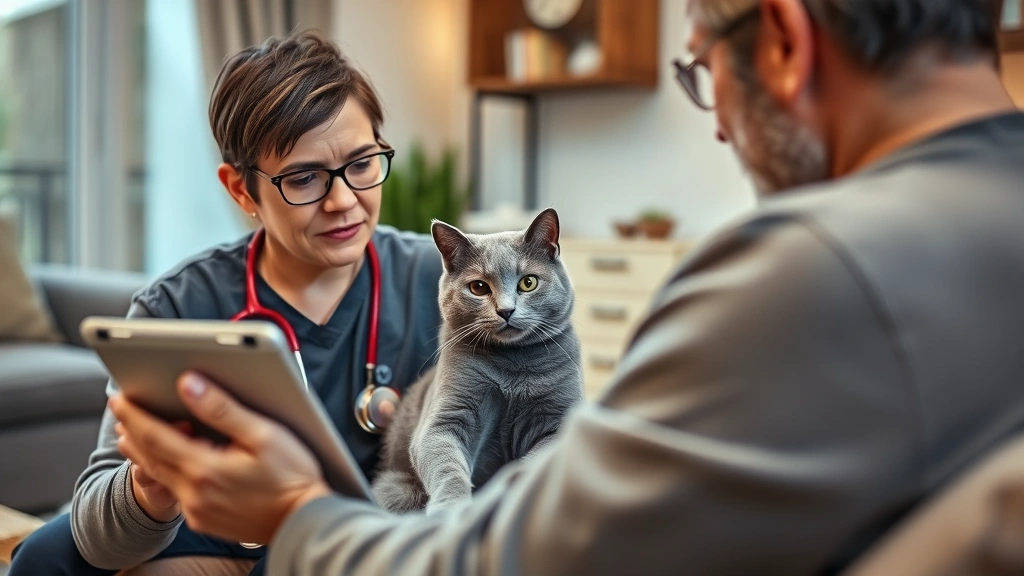
Telehealth veterinary services have transformed how pet owners get answers. An online vet for cat shaking offers convenience, speed, and peace of mind without requiring a stressful clinic visit.
With video consultations, your vet can observe your cat’s behavior in their natural environment. This real-world context often reveals details that wouldn’t show up during a traditional exam. You can show your vet exactly how your cat shakes, what triggers it, and how your cat responds to comfort.
The process is straightforward: book a time that works for you, connect via video, and discuss your concerns with a licensed veterinarian. You can talk to a vet about cat shaking online without appointment delays or travel stress.
If you are unsure whether your pet needs urgent care, a quick telehealth check-in can give you peace of mind — no appointment needed. Many cases resolve with simple reassurance and guidance.
Medications and Treatment Options Reviewed
Treatment depends entirely on what’s causing your cat’s shaking. Your veterinarian will recommend the most appropriate approach after diagnosis.
For anxiety-related shaking: Behavioral modification, environmental enrichment, and calming supplements are often the first line of approach. Your vet may discuss options that could support relaxation.
For medical conditions: Depending on the underlying cause—whether it’s hyperthyroidism, seizures, or metabolic issues—your vet will outline a treatment plan tailored to your cat’s specific needs. This might include dietary adjustments, supplements, or prescription options.
For toxin exposure: Immediate veterinary intervention is critical. Supportive care and specific antidotes may be necessary depending on what was ingested.
Your veterinarian will never recommend specific medications without a proper diagnosis. This is why getting professional evaluation matters so much—it ensures your cat receives exactly what they need, nothing more and nothing less.
When to Seek Immediate Veterinary Care
While many cases of cat shaking are manageable, some situations require urgent attention. Knowing the difference can be lifesaving.
Seek immediate care if your cat is:
- Having repeated or prolonged seizure-like episodes
- Unable to stand or walk normally
- Showing signs of pain or distress
- Not eating or drinking
- Vomiting or having diarrhea alongside shaking
- Acting disoriented or confused
- Exposed to a known toxin
In these cases, contact an emergency veterinary clinic rather than waiting for a telehealth appointment. Speed matters when your cat’s safety is at stake.
Creating a Calm Environment to Reduce Stress-Related Shaking
If stress and anxiety appear to be driving your cat’s tremors, environmental modifications can make a real difference. Your home should feel like a safe haven where your cat feels secure.
Consider these practical steps:
- Provide hiding spots: Cats feel safer when they have elevated perches and enclosed spaces to retreat to.
- Maintain consistent routines: Feed, play, and interact with your cat at predictable times.
- Use calming products: Pheromone diffusers mimic natural cat calming scents that reduce anxiety.
- Create a quiet zone: Designate a low-traffic area where your cat can escape noise and commotion.
- Play soft music: Species-specific calming music designed for cats can ease tension.
These adjustments work best alongside professional guidance. If anxiety is affecting your cat, your vet can help you develop a comprehensive plan that includes environmental changes and other support.
What to Do Now: Next Steps for Your Shaking Cat
- Observe and document: Note when the shaking occurs, how long it lasts, and what else you notice about your cat’s behavior and health. Include details about recent changes in your home or routine.
- Schedule a telehealth consultation: Contact The Pet Vet or your preferred online veterinary service to get professional eyes on the situation quickly. Bring your observations and any videos you’ve recorded.
- Prepare a list of questions: Write down everything you want to ask, including your cat’s medical history, current diet, recent medications, and any other symptoms you’ve observed.
- Follow your vet’s recommendations: Whether it’s environmental changes, dietary adjustments, or further diagnostics, implement the guidance your vet provides and monitor your cat’s response.
- Watch for red flags: Keep an eye out for the urgent symptoms listed above, and don’t hesitate to seek emergency care if your cat’s condition worsens.
Frequently Asked Questions
Is cat shaking always a sign of something serious?
No, not always. Cold, fear, and excitement can cause temporary shaking in healthy cats. However, persistent or unexplained tremors deserve professional evaluation to rule out underlying health issues.
Can I treat my cat’s shaking at home without seeing a vet?
If the shaking appears stress-related and your cat is otherwise healthy, environmental modifications may help. However, consulting with a veterinarian ensures you’re not missing a medical condition that requires treatment.
How quickly can an online vet diagnose cat shaking?
A telehealth vet can often provide initial assessment and guidance during your first consultation. Some cases require in-person examination or diagnostic testing, which your vet will recommend if needed.
What should I tell my vet about my cat’s shaking?
Share when it started, how often it occurs, how long episodes last, what your cat is doing when it happens, and any other symptoms you’ve noticed. Include information about recent changes, diet, and your cat’s medical history.
Can anxiety medication help my cat’s shaking?
If anxiety is the cause, your vet may discuss various approaches to support your cat’s calm. Environmental changes and behavioral strategies are typically tried first, with other options available based on your cat’s specific situation.
Summary: Getting Help for Your Shaking Cat
Seeing your cat shake can be worrying, but you’re taking the right step by seeking information and professional guidance. Whether the cause is something simple like cold or stress, or something requiring medical attention, talking to an online vet about cat shaking gives you answers without the hassle of a clinic visit.
Start by observing your cat carefully and documenting what you notice. Then connect with a veterinarian who can assess your cat’s individual situation and recommend the right path forward. Most cases of cat shaking resolve well when you catch them early and get professional input.
Your cat depends on you to advocate for their health. By taking action now, you’re already putting them in the best position for a quick recovery and a return to their normal, happy self.